Skip to content
Struggling with harmful sulfur compounds in your gas streams? These impurities cause corrosion and environmental issues. Our 13X molecular sieves[^1] offer a reliable and highly effective purification solution.
Yes, 13X molecular sieves[^1] are an excellent choice for desulfurization[^2]. Their 9 angstrom pore size is perfectly suited for adsorbing hydrogen sulfide (H₂S)[^3] and mercaptans[^4] from natural gas, LPG[^5], and other hydrocarbons, significantly improving purity and ensuring compliance with environmental standards[^6].
Now that you know 13X is a top contender for removing sulfur, you probably want to understand the specifics of how it works and where it performs best. The science behind it is straightforward, and its applications are wider than many people realize. Let's explore why this material is a go-to solution for so many of our partners in the industry.
How does the 13X molecular sieve actually remove sulfur compounds?
You know you need to get rid of sulfur, but the "how" can seem complicated. Using the wrong method means poor results. The 13X sieve works on a simple principle.
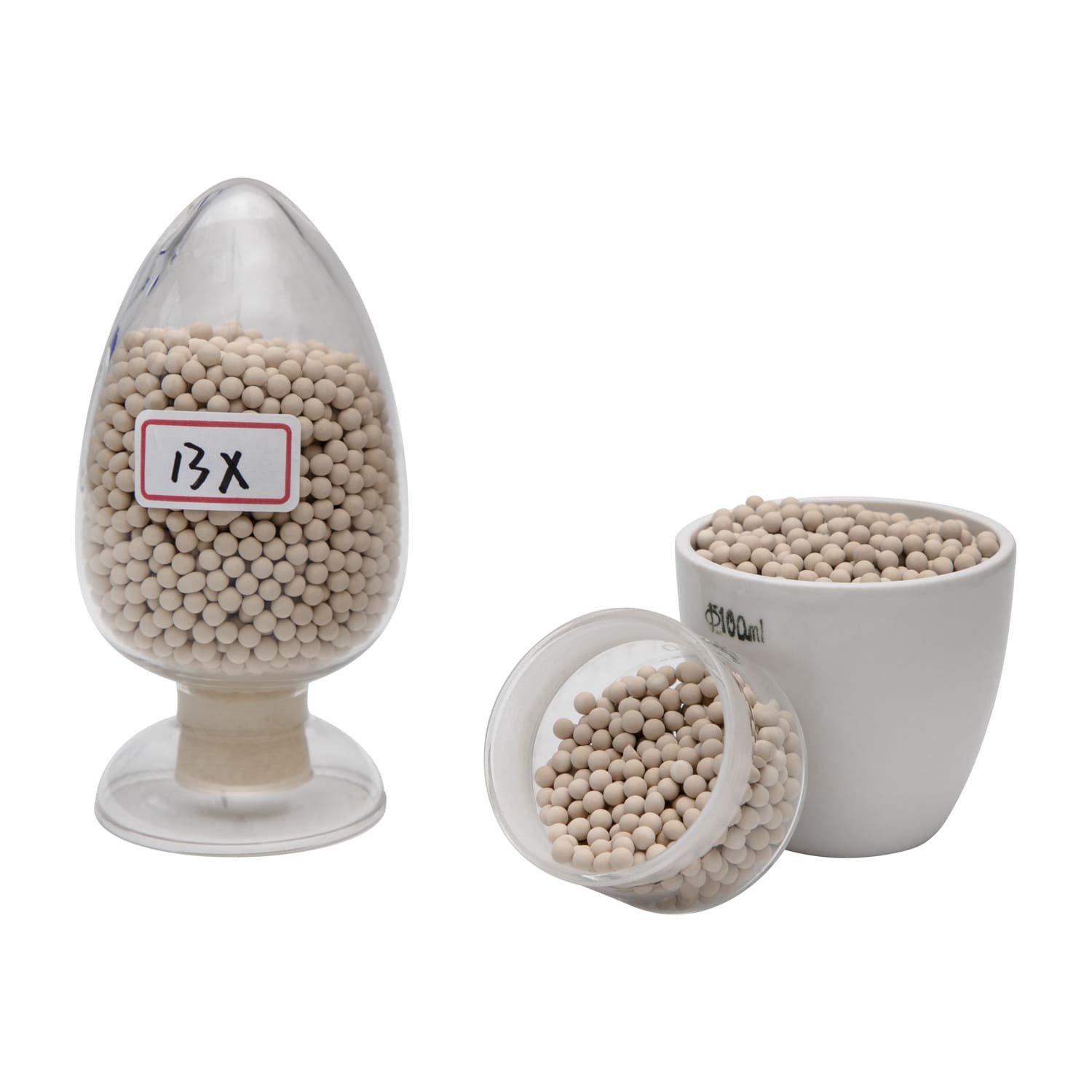
The 13X molecular sieve is a sodium aluminosilicate with uniform pore openings of 9 angstroms. It works by selectively trapping smaller molecules like hydrogen sulfide (H₂S)[^3] and mercaptans inside its pores while allowing the larger hydrocarbon molecules in natural gas to pass through freely.
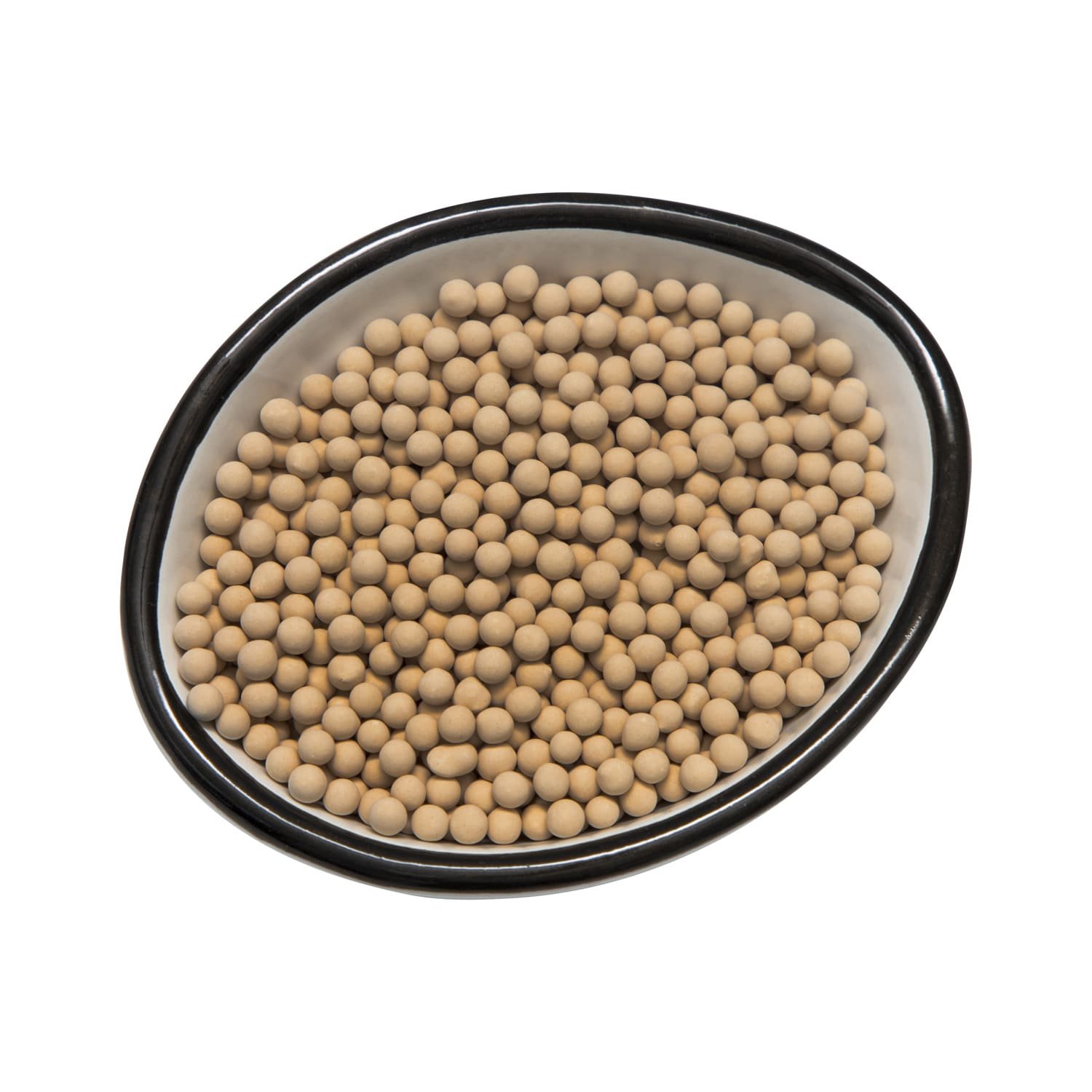
The effectiveness of the 13X sieve comes down to its unique structure. I've spent over 20 years in this business, and the elegant simplicity of this technology still impresses me. It’s not just about filtering; it’s about selective capture on a molecular level.
The Power of Pore Size
The 9Å (0.9nm) pore size is the key. It's large enough to easily let in sulfur compounds like H₂S and various mercaptans[^4] but small enough to interact with them strongly. This physical trapping, known as adsorption[^7], pulls the sulfur out of the main gas or liquid stream.
Adsorption Mechanism Explained
The process is a form of physical adsorption[^7]. The internal surface of the sieve has a strong attraction to polar molecules like H₂S and water. When the gas passes through a bed of 13X pellets, these unwanted molecules stick to the surface, effectively cleaning the product stream. This process is highly efficient and can reduce sulfur content to very low levels.
| Molecule | Kinetic Diameter (Å) | Adsorbed by 13X? |
|---|---|---|
| Hydrogen Sulfide (H₂S) | 3.6 | Yes |
| Methyl Mercaptan (CH₃SH) | 4.7 | Yes |
| Methane (CH₄) | 3.8 | No (Weakly) |
| Propane (C₃H₈) | 4.3 | No (Weakly) |
| Water (H₂O) | 2.65 | Yes |
As you can see, the sieve is designed to grab the exact molecules you need to remove.
Where is 13X most effective for desulfurization[^2] in the industry?
Choosing the right adsorbent for your specific process is critical. A mismatch can lead to poor purification, downstream issues, or high costs. 13X molecular sieves[^1] are very versatile.
13X is highly effective for sweetening natural gas[^8] and liquid petroleum gas (LPG[^5]). It is also the standard for purifying liquid hydrocarbons like propane and butane and for deodorizing aerosol propellants[^9] by removing trace sulfur compounds, which ensures both product quality and safety.
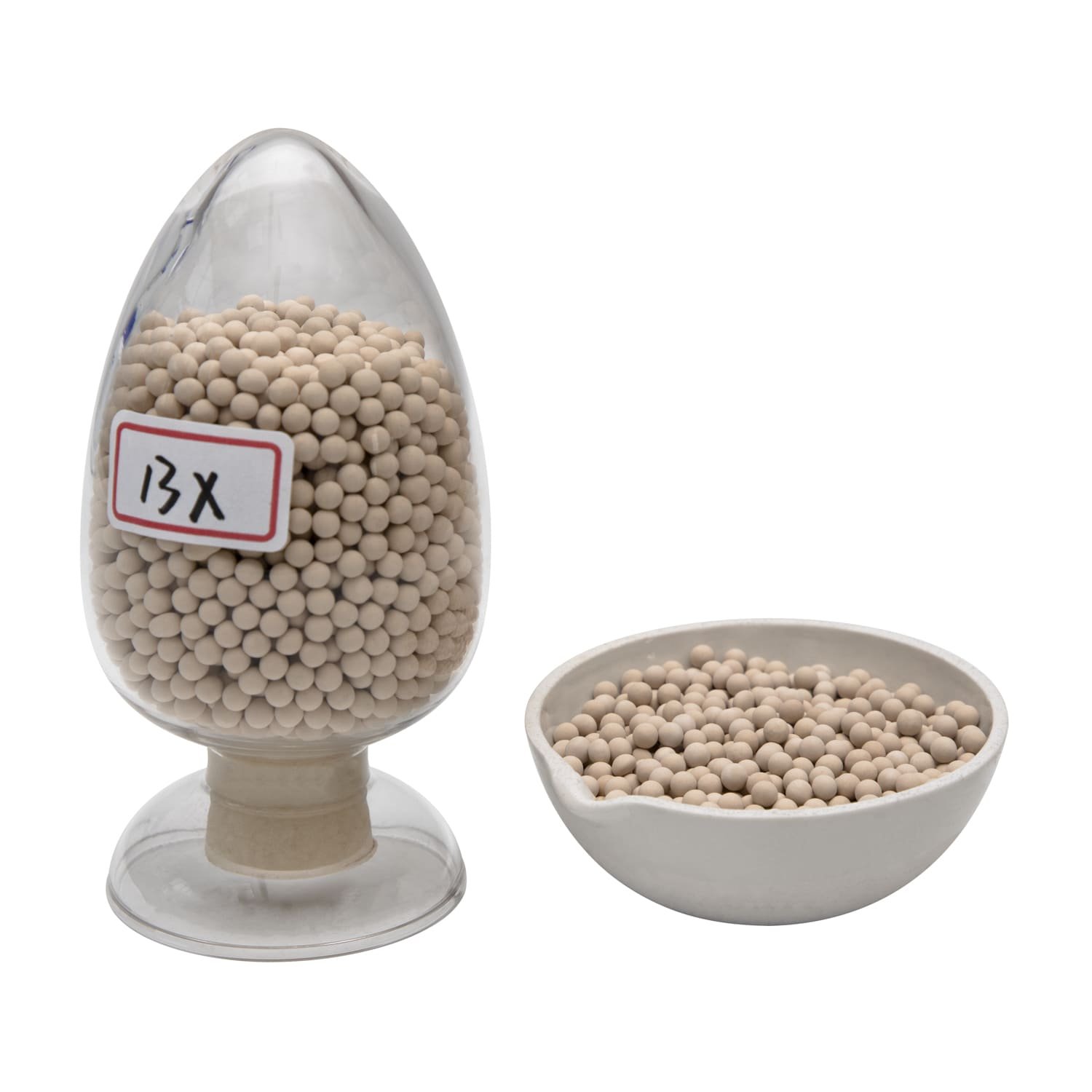
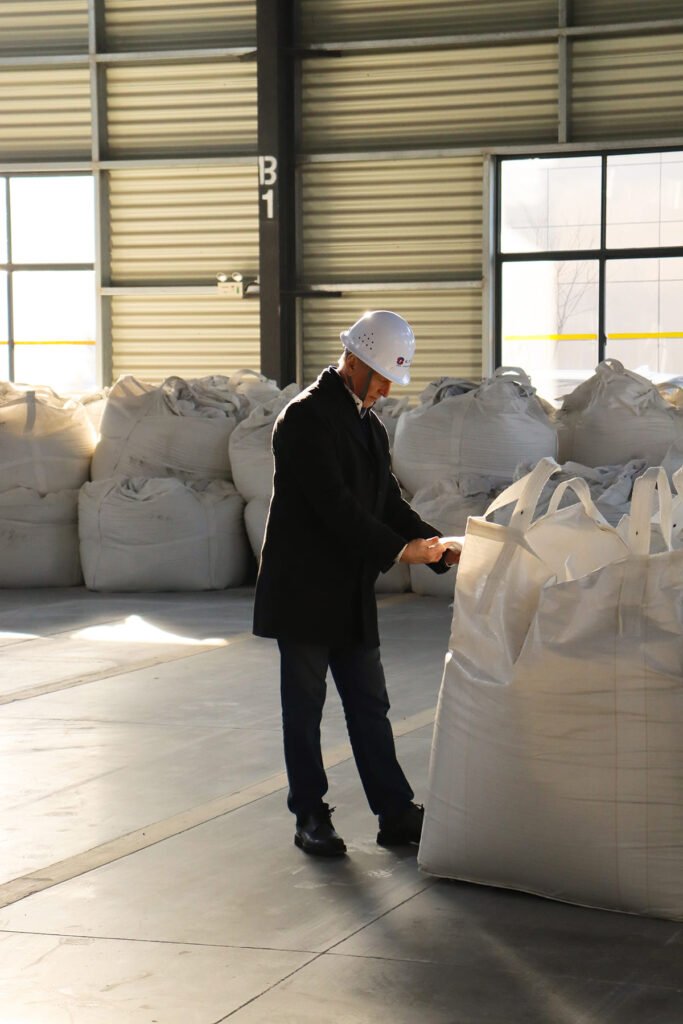
Over the years, our clients have come to us for solutions in a wide range of fields. From large-scale natural gas[^8] producers to specialty chemical manufacturers, the need for clean, sulfur-free feedstocks is a common thread. Our fully automated production lines ensure that every batch of 13X we produce delivers the consistent, reliable performance these critical applications demand.
Natural Gas and LPG[^5] Sweetening
This is one of the biggest applications. "Sweetening" is the industry term for removing acidic gases like H₂S. Raw natural gas is often "sour," meaning it has a high sulfur content. Using 13X molecular sieves[^1] removes the H₂S to meet pipeline quality specifications, prevent corrosion in equipment, and ensure safety. The same principle applies to LPG[^5], making it a clean-burning fuel for commercial and residential use.
Liquid Hydrocarbon Purification
For streams of propane, butane, and other liquid hydrocarbons, removing sulfur is just as important. These products are often used as chemical feedstocks or fuels. Even small amounts of mercaptans can create terrible odors and fail to meet quality standards. 13X provides a deep purification step to ensure the final product is pure.
| Application | Target Sulfur Compound | Purpose of Removal |
|---|---|---|
| Natural Gas | Hydrogen Sulfide (H₂S) | Meet pipeline specs, prevent corrosion |
| LPG[^5] | H₂S, Mercaptans | Ensure clean burning, reduce odor |
| Aerosol Propellants | Mercaptans | Deodorization, prevent can corrosion |
Why is 13X desulfurization[^2] still important in the age of clean energy?
With the global push for renewables, it is easy to overlook fossil fuels. But ignoring the need to clean existing energy sources leads to more pollution. 13X plays a key role here.
As we transition to renewables, natural gas remains a vital energy source. Using 13X molecular sieves[^1] for desulfurization[^2] is key to minimizing its environmental impact. It reduces sulfur dioxide (SO₂) emissions, a primary cause of acid rain, and improves overall air quality.
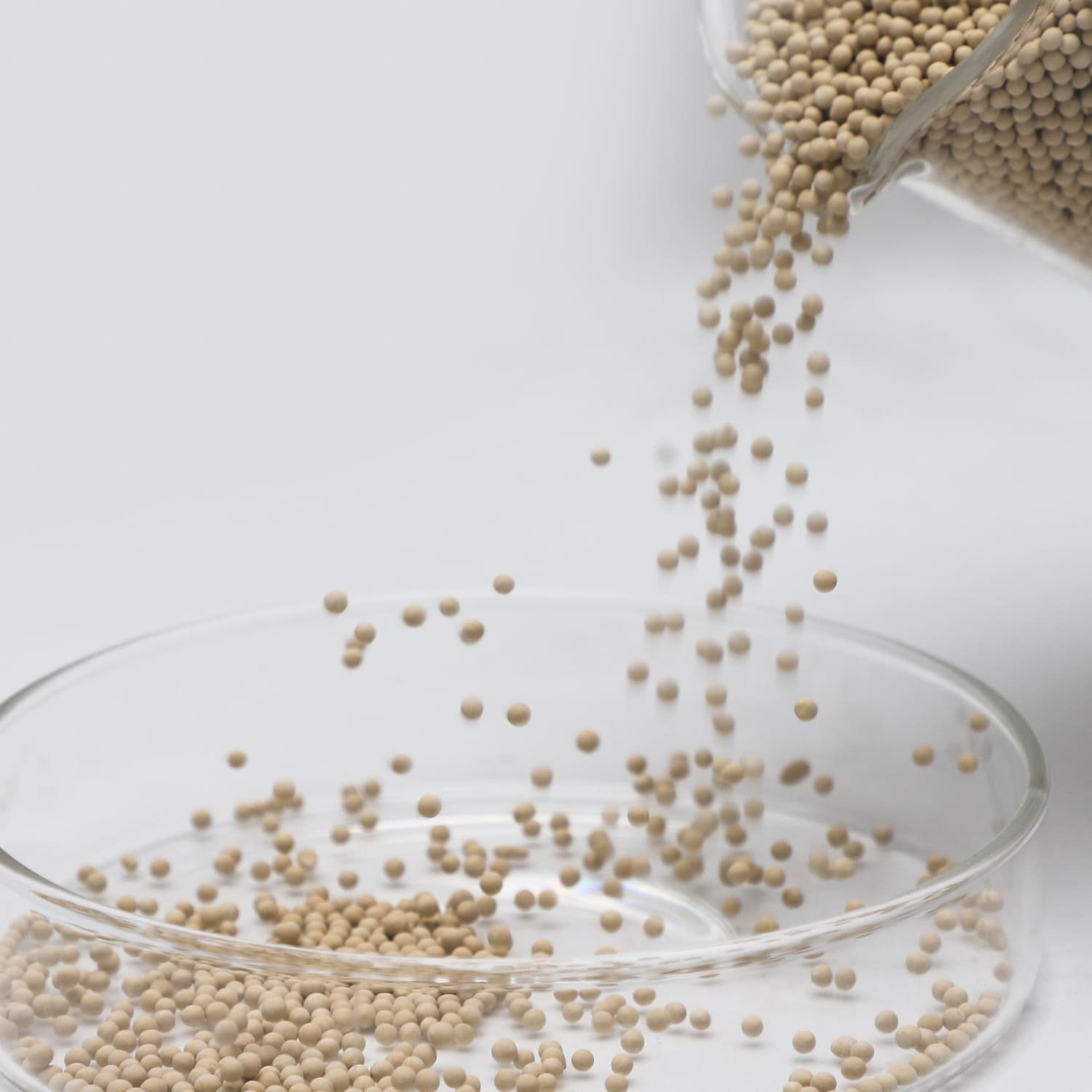
We often discuss the future of energy with our partners. While everyone is excited about renewables, the reality is that the transition takes time. Our responsibility as a manufacturer is to provide the tools that make today's energy sources as clean as possible. This is not just good for the environment; it’s good business.
Bridging the Energy Gap
Natural gas is widely considered a "bridge fuel" because it burns cleaner than coal or oil. To make this bridge as effective as possible, we must purify the gas before it's used. Desulfurization with 13X is a fundamental step in maximizing the environmental benefits of natural gas[^8] during this multi-decade energy transition.
Reducing SOx Emissions
The real environmental danger comes from burning sulfur. When H₂S is combusted, it turns into sulfur dioxide (SO₂)[^10], which is a major pollutant and the main ingredient in acid rain. By removing the H₂S before combustion, 13X molecular sieves[^1] prevent the formation of SO₂ in the first place. It is a proactive solution to a serious environmental problem.
The Regulatory and Economic Angle
Governments worldwide have strict regulations on sulfur emissions. For businesses in the energy and chemical sectors, compliance is not optional. 13X molecular sieves[^1] offer a robust, reliable, and cost-effective method to meet or exceed these standards, avoiding fines and ensuring a license to operate.
Conclusion
13X molecular sieves[^1] are a powerful and versatile solution for desulfurization[^2]. They effectively purify various gas and liquid streams, helping industries improve product quality and meet critical environmental goals.
[^1]: Explore how 13X molecular sieves can enhance your desulfurization process and improve product quality. [^2]: Learn about the desulfurization process and its importance in natural gas purification. [^3]: Understand the risks associated with hydrogen sulfide and how to mitigate them effectively. [^4]: Discover the significance of mercaptans in fuels and the need for their removal. [^5]: Explore the advantages of LPG and its role in reducing emissions. [^6]: Understand the regulations surrounding sulfur emissions and their impact on industries. [^7]: Delve into the science of adsorption and its application in molecular sieves for purification. [^8]: Find out how natural gas serves as a bridge fuel in the shift towards renewable energy. [^9]: Learn about the production and applications of aerosol propellants in various industries. [^10]: Discover the harmful effects of sulfur dioxide and the importance of reducing its emissions.