Worried about the high cost of constantly replacing adsorbents in your process? This ongoing expense can strain your operational budget, making you feel trapped in a cycle of repurchasing.
Molecular sieves are definitely not single-use items[^1]. With proper care, they can last from one to ten years depending on the application. They can be regenerated multiple times[^2] to restore their adsorption capacity, making them a reusable and cost-effective solution for industrial processes.
I often get asked this question by new clients. They see molecular sieves as a consumable, like a filter cartridge that you use and then throw away. This is a common misconception that can lead to unnecessary costs and operational inefficiencies. The reality is that these materials are engineered for a long and productive life. They are more like a rechargeable battery[^3] than a disposable one. But to get that long life, you need to understand what affects them and how to take care of them. Let's explore the factors that determine their lifespan and how you can maximize your investment.
What determines the lifespan of a molecular sieve?
You know molecular sieves have a lifespan, but it often seems unpredictable. This uncertainty makes it difficult to plan for maintenance and accurately forecast your budget.
The lifespan of a molecular sieve, typically 1-10 years, depends heavily on its specific application. Key factors include the type of contaminants, operating conditions like temperature and pressure, the frequency and quality of regeneration, and any mechanical stress on the material.
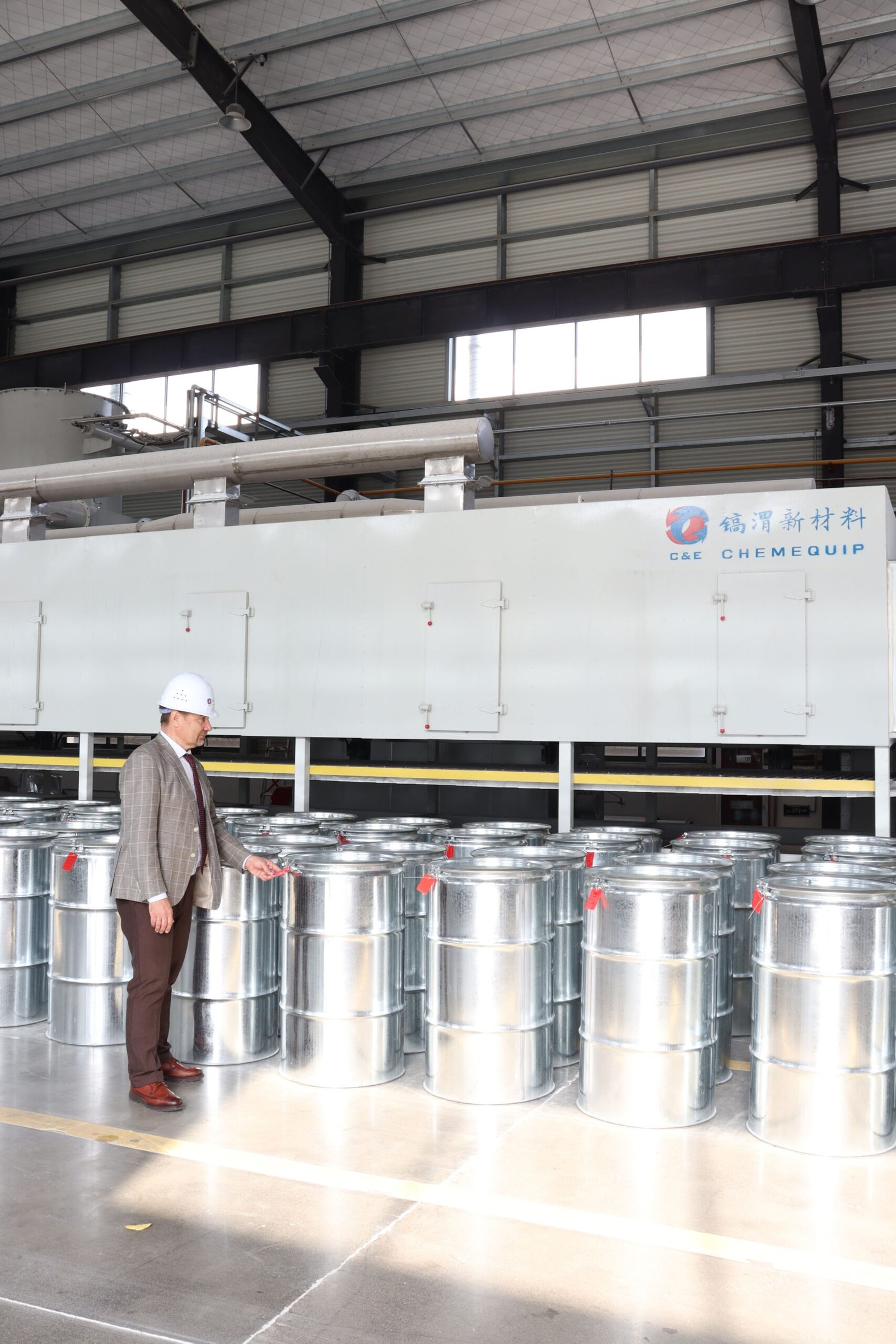
In my 20 years in the chemical industry, I've seen firsthand how different conditions can impact the longevity of a molecular sieve bed. It’s not just about the quality of the sieve itself, though that's a huge part of it. It's about the entire system it operates in. A well-designed process can see a sieve bed last for a decade, while a poorly managed one might destroy a bed in less than a year. Understanding these variables is the first step to getting the most out of your adsorbent.
Key Factors Influencing Lifespan
Let's break down the main elements that decide how long your molecular sieves will last.
- Operating Conditions: High temperatures and pressures put stress on the crystalline structure of the sieve. More importantly, frequent cycling between high and low temperatures or pressures can cause thermal and mechanical fatigue, gradually weakening the beads over time.
- Contamination and Poisoning[^4]: This is a major cause of premature failure. While sieves are designed to adsorb specific molecules like water, they can be damaged by others. Strong acids can chemically attack the alumino-silicate framework, literally dissolving the sieve. Also, substances like heavy oils or olefins can polymerize on the surface and inside the pores when heated during regeneration. This creates a permanent blockage, a process we call "coking," which destroys the sieve's ability to adsorb anything.
- Regeneration Process[^5]: How you regenerate the sieve is just as important as how you use it. Heating the bed too quickly can cause thermal shock. The water trapped inside the pellets turns to steam rapidly, creating immense internal pressure that can fracture the beads from the inside out. This is why a controlled, gradual heating ramp is critical.
- Mechanical Stress[^6]: High gas flow rates can cause the beads to tumble and grind against each other, creating dust. This dust can increase the pressure drop across your system and reduce overall efficiency. This is a key reason we invested in a granulator-based forming process. It produces beads with higher mechanical strength and more uniform size, making them far more resistant to physical breakdown compared to older methods.
| Factor | High Impact on Lifespan | Low Impact on Lifespan |
|---|---|---|
| Contaminants | Strong acids, reactive olefins | Inert gases, low concentration of target molecules |
| Temperature | High fluctuation, >350°C | Stable, moderate temperatures |
| Regeneration | Rapid heating, "wet" purge gas | Slow heating, dry inert purge gas |
| Gas Velocity | High, causing fluidization | Low to moderate, stable flow |
How can you regenerate a molecular sieve?
A saturated molecular sieve seems useless and ready for disposal. Throwing it away feels incredibly wasteful and adds a significant, recurring expense to your operation.
You bring a molecular sieve back to life through regeneration. This process removes the adsorbed molecules, typically by heating the sieve with a dry purge gas (Thermal Swing Adsorption) or by lowering the system pressure (Pressure Swing Adsorption).
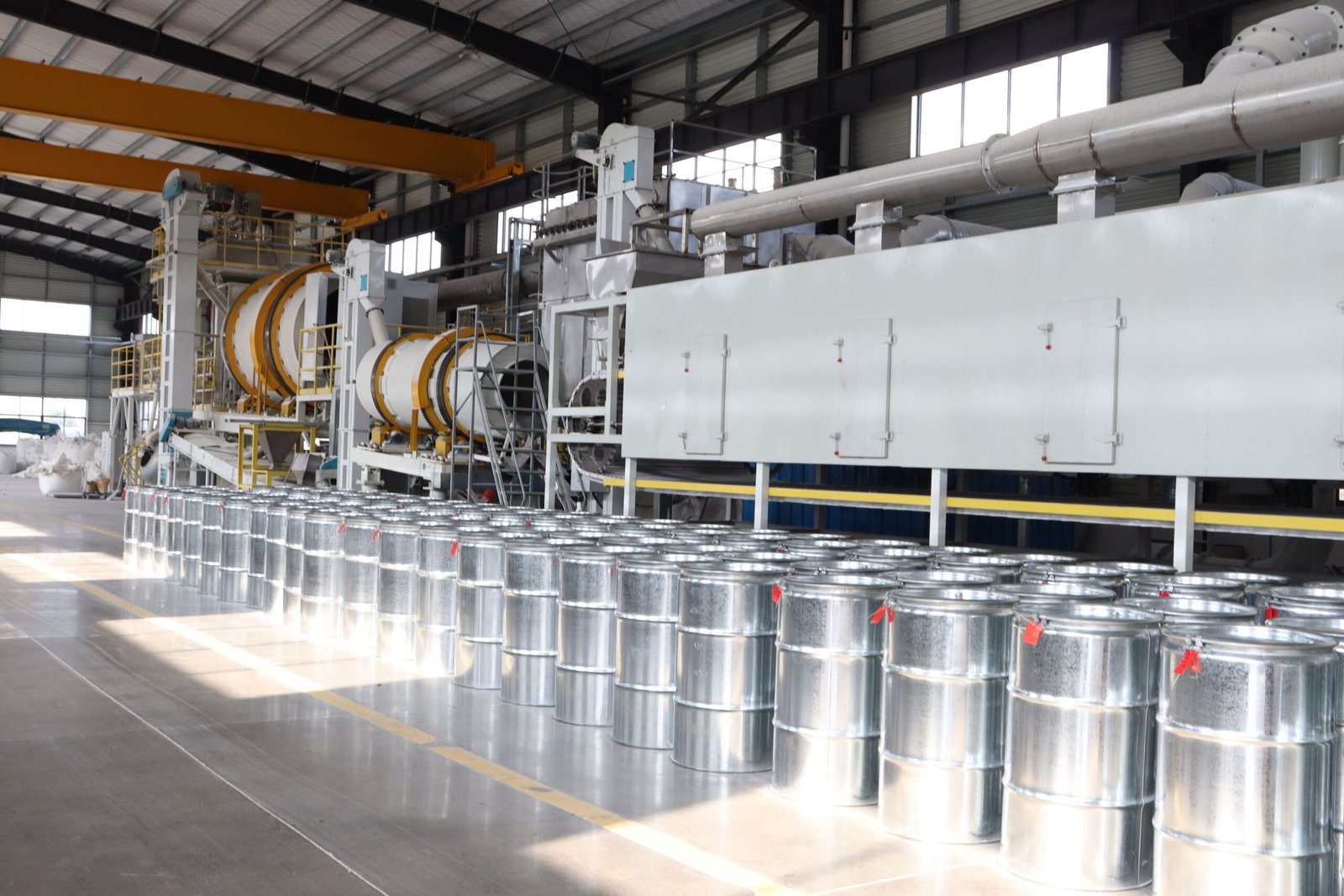
Regeneration is the secret to the long-term value of molecular sieves. It's the process that makes them a reusable asset. The fundamental idea is simple: adsorption is a reversible process. We just need to create conditions that encourage the trapped molecules to leave the pores. The two most common industrial methods achieve this in different ways, each suited for different applications. Choosing and executing the right method correctly is the key to maintaining the sieve's performance over countless cycles.
Regeneration Methods Explained
Let's look at the two main industrial methods for regenerating molecular sieves.
Thermal Swing Adsorption (TSA)[^7]
This is the most common method for applications where the sieve is used to remove strongly adsorbed components, like water. The process involves two main steps:
- Heating: The sieve bed is heated, usually to between 200-300°C. This added thermal energy gives the adsorbed molecules (e.g., water) enough energy to break their bonds with the sieve's surface.
- Purging: While heating, a dry "purge gas," like nitrogen or a portion of the dried product gas, is passed through the bed. This gas has a very low concentration of the molecule we want to remove. It effectively sweeps the desorbed molecules out of the vessel and away from the system. After the purge, the bed is cooled down before being put back into service.
I always tell my clients that the quality of the purge gas is critical. Using a "wet" or contaminated purge gas is like trying to dry dishes with a wet towel—you’ll just re-contaminate the very sieve you're trying to clean.
Pressure Swing Adsorption (PSA)[^8]
This method is ideal for applications where the adsorbed molecules are held less strongly, common in bulk gas separation like producing oxygen from the air. The principle here is that molecular sieves can hold more gas at high pressure than at low pressure. A typical PSA cycle includes:
- Adsorption: The feed gas flows through the bed at high pressure. The target molecule (e.g., nitrogen) is adsorbed, allowing the desired product (e.g., oxygen) to pass through.
- Depressurization: The pressure in the vessel is rapidly reduced. This change causes the adsorbed nitrogen to be released from the sieve.
- Purge: A small stream of the pure product oxygen is often used to flush out the last of the desorbed nitrogen.
- Repressurization: The vessel is brought back up to high pressure, ready for the next adsorption cycle.
PSA systems usually have at least two beds, so one can be adsorbing while the other is regenerating, allowing for a continuous process.
| Method | Principle | Typical Application | Key Consideration |
|---|---|---|---|
| TSA | Increase Temperature | Deep drying of gases and liquids | Controlled heating/cooling rates |
| PSA | Decrease Pressure | Bulk gas separation (O₂/N₂ generation) | Fast cycle times, mechanical valve life |
When should you finally replace a molecular sieve[^9]?
You understand that molecular sieves don't last forever. But replacing them too soon is a waste of money, and waiting too long can lead to product contamination or system failure.
You should replace a molecular sieve[^9] when it can no longer be regenerated to meet your process requirements. This is evident from a decline in performance, such as a shorter operating cycle or failure to achieve the required purity, or physical degradation of the beads.
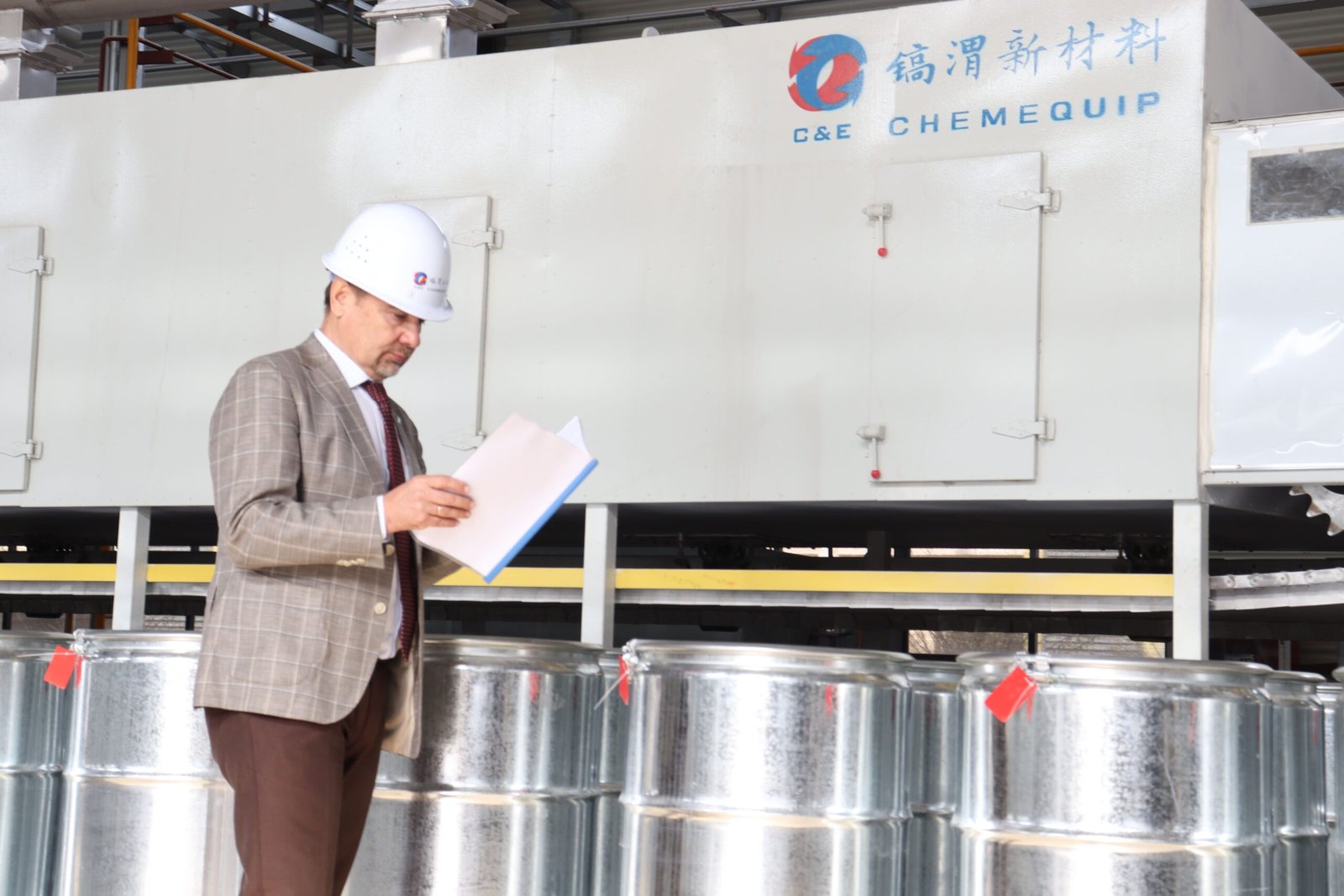
Knowing when to pull the trigger on a replacement is a crucial operational decision. It's a balancing act. From my experience, the best approach is to monitor performance systematically. Don't rely on guesswork. By tracking key performance indicators, you can see the decline happening gradually and plan for a replacement well in advance, avoiding a costly emergency shutdown. A fresh bed of high-quality sieve can feel like a new lease on life for your process, restoring efficiency and product quality.
Telltale Signs of a Spent Sieve
Here are the key indicators that tell you it’s time to plan for a change-out.
1. Performance Decline (Reduced Dynamic Capacity)[^10]
This is the most important sign. A new sieve bed might run for 24 hours before needing regeneration. As it ages, that time might drop to 20 hours, then 16, and so on. This is because its "dynamic capacity"—its ability to adsorb under real-world flow conditions—is decreasing. You can track this by monitoring the "breakthrough" point. For example, in an air dryer, you would use a dew point sensor on the outlet. When the dew point starts to rise before the scheduled cycle time is over, that's breakthrough. When this happens consistently earlier and earlier, the sieve is nearing the end of its life.
2. Physical Degradation[^11]
Over time, due to thermal stress and mechanical abrasion, the sieve beads or pellets can break down into smaller particles and dust.
- Increased Pressure Drop: This dust can clog the screens and support materials in your vessel, leading to a higher pressure drop across the bed. This forces your compressors to work harder, consuming more energy.
- Channeling: If the beads break down unevenly, it can create channels where the gas can pass through the bed without proper contact with the sieve material. This leads to very poor performance and early breakthrough.
3. Irreversible Contamination (Poisoning)[^12]
Sometimes, the sieve is exposed to chemicals that cause permanent damage that regeneration cannot fix.
- Coking[^13]: As mentioned before, heavy hydrocarbons can form a carbon-like layer on the sieve.
- Acid Attack[^14]: Strong acids will destroy the crystalline structure itself.
- Liquid Water[^15]: Exposing a hot sieve bed to liquid water can cause a rapid, uncontrolled temperature spike, leading to severe hydrothermal damage that pulverizes the material.
We always advise our partners to keep a simple log. Track the cycle time to breakthrough. When you see a clear and irreversible downward trend, it's time to contact us and order your replacement batch.
Conclusion
Molecular sieves are not disposable; they are long-lasting, regenerable assets[^16]. Understanding their lifespan, proper regeneration, and signs of failure[^17] ensures you get the most value from your investment.
[^1]: Learn how molecular sieves can be reused multiple times, saving costs and enhancing efficiency. [^2]: Discover the regeneration process that extends the life of molecular sieves, making them cost-effective. [^3]: Understand the analogy between molecular sieves and rechargeable batteries to grasp their reusability. [^4]: Understand the risks of contamination and how to prevent poisoning of molecular sieves. [^5]: Explore the steps involved in regenerating molecular sieves to maintain their efficiency. [^6]: Find out how mechanical stress can lead to the breakdown of molecular sieves and how to prevent it. [^7]: Learn about TSA and its role in regenerating molecular sieves for effective reuse. [^8]: Understand the PSA method and its application in regenerating molecular sieves. [^9]: Know the signs that indicate it's time to replace a molecular sieve to avoid system failures. [^10]: Identify the signs of reduced dynamic capacity to ensure timely replacement of molecular sieves. [^11]: Learn about the factors leading to physical degradation and how to mitigate them. [^12]: Understand the causes of irreversible contamination and how to prevent it. [^13]: Explore the process of coking and its detrimental effects on molecular sieves. [^14]: Learn about the impact of acid attack on molecular sieves and how to protect them. [^15]: Discover the dangers of exposing molecular sieves to liquid water and how to avoid damage. [^16]: Understand the value of molecular sieves as regenerable assets in industrial processes. [^17]: Identify the signs of failure to ensure timely maintenance and replacement of molecular sieves.