Skip to content
Your oxygen plant faces unexpected downtime and rising maintenance costs. This hurts production and profits. The problem might be your molecular sieves, and we have the solution.
Yes, molecular sieve performance is critical. Low-quality sieves break down under the 24/7 pressure of industrial oxygen generation. This leads to blockages, frequent shutdowns, and significantly higher operational costs for your plant.
I've seen firsthand how the wrong molecular sieve can bring a high-capacity oxygen plant to a grinding halt. We understand the immense pressure these systems are under, and we know that the small beads inside your adsorption towers are the heart of your operation. Now that we've established their importance, let's explore why common failures happen and what you can do to prevent them. What exactly makes a molecular sieve "right" for your high-pressure oxygen plant? Let's break it down.
Why Do Standard Molecular Sieves Fail in Industrial Oxygen Generation?
You thought you saved money on standard sieves, but now you face constant problems. The stress of 24/7 operation is causing failures, costing you much more in the long run.
Standard sieves are not built for the intense, continuous mechanical stress of industrial PSA/VPSA systems. They often pulverize, creating dust that clogs equipment, reduces airflow, and forces costly shutdowns for maintenance and replacement.
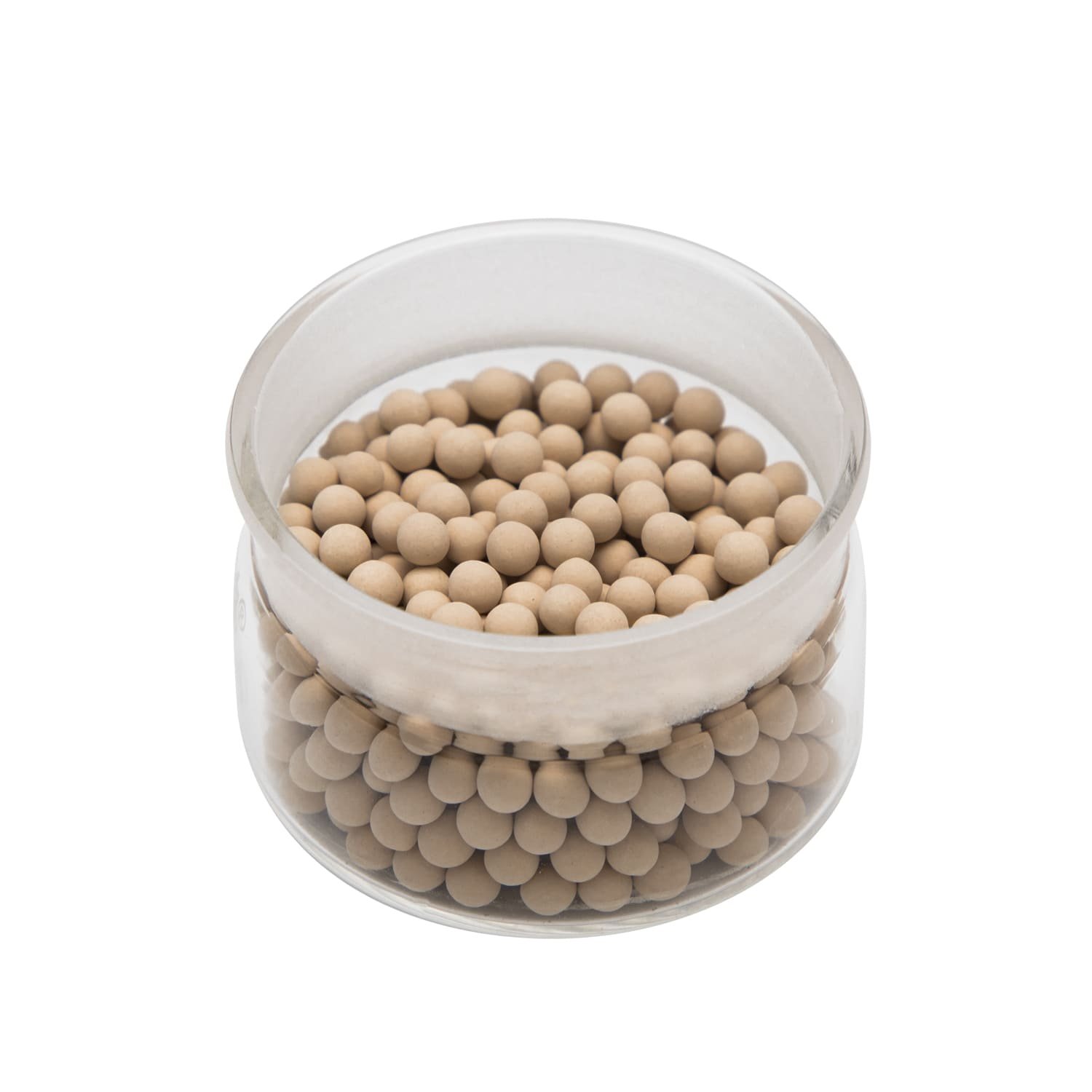
Industrial oxygen generation is not like a small-scale lab setup. Your equipment runs 24/7 under high pressure. This creates a brutal environment for the molecular sieves inside. I remember visiting a plant that was losing thousands of dollars a day because of constant shutdowns. They thought it was a compressor issue, but the real culprit was the disintegrating molecular sieve bed. The main problem is the constant pressure swing. The cycle of adsorption and desorption puts enormous mechanical stress on each sieve bead. Standard sieves, especially those made with older methods, can't withstand this repeated stress. They start to break down into a fine powder. This powder clogs the screens in the vessel, restricts airflow, and can even travel downstream, damaging valves and other components. This is what we call "powdering" or "dusting," and it's a direct path to reduced efficiency and expensive repairs.
| Feature | Standard Molecular Sieve | Industrial-Grade Sieve |
|---|---|---|
| Durability | Prone to crushing under pressure | High crush strength |
| Dust Level | High tendency to powder | Very low dust formation |
| Lifespan | Short, requires frequent replacement | Long, stable performance |
| Overall Cost | Low initial price, high long-term cost | Higher initial price, low total cost of ownership |
What Makes a Molecular Sieve Ideal for High-Efficiency Oxygen Production?
Are you looking for a way to ensure stable, long-term performance from your oxygen plant? Frequent sieve change-outs are a major headache and a drain on your resources.
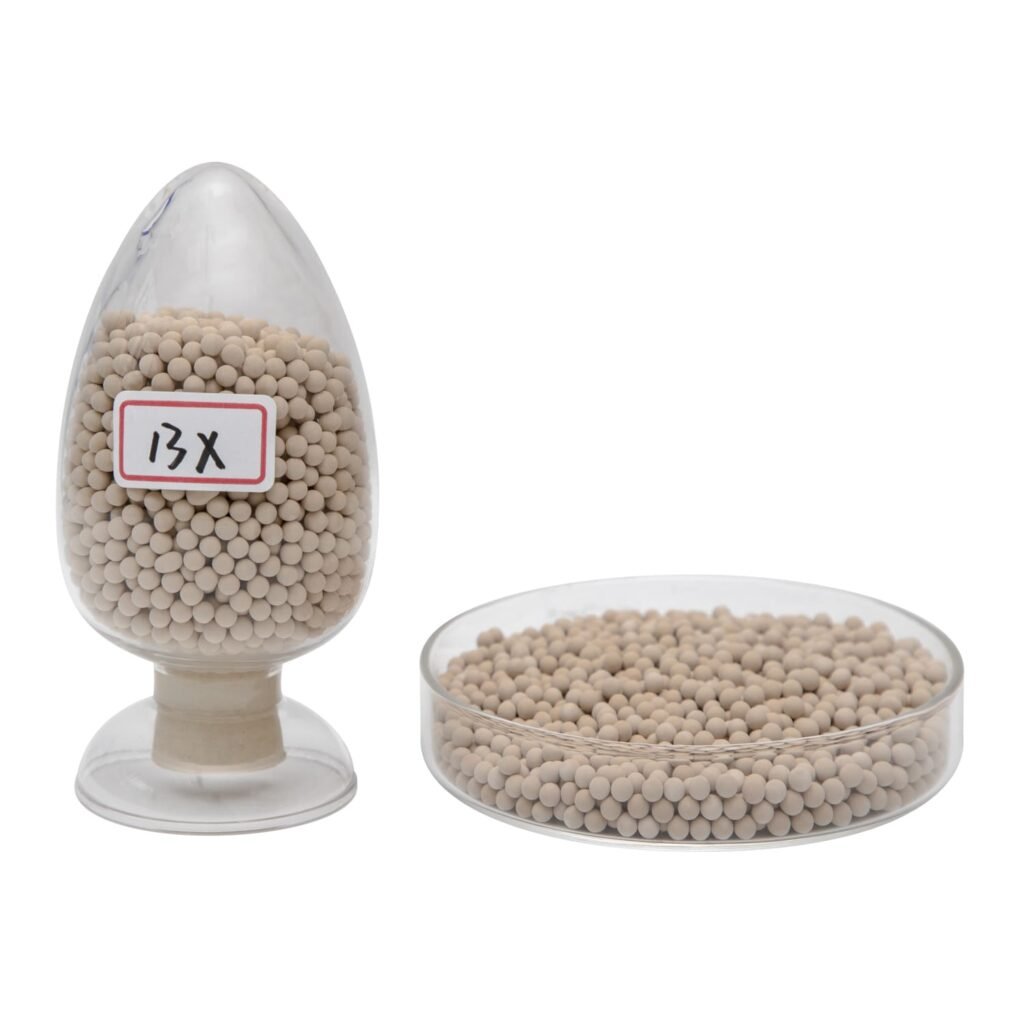
The ideal sieve for oxygen generation, like our 13X, has high crush strength and excellent nitrogen adsorption capacity. This ensures it withstands pressure cycles and efficiently separates nitrogen, maximizing oxygen purity and output.
To guarantee stable and efficient oxygen production, you need a molecular sieve designed specifically for the job. It comes down to a few key characteristics. First is High Compressive Strength. Your sieves must be strong enough to resist being crushed by the bed's own weight and the high pressures of the system. Our sieves are formed using an advanced granulator-based process, not an old-fashioned coating pan. This results in incredibly uniform and strong spherical beads. Second is Structural Stability. The sieve needs to endure thousands of adsorption/desorption cycles without breaking apart. Our specially treated 13X-Ⅲ and 13X-HP sieves are designed for this, maintaining their integrity over a long service life. Finally, you need High Adsorption Capacity and Selectivity. The sieve must efficiently grab nitrogen molecules out of the air while letting oxygen pass through. A higher capacity means you can process more air with less energy, directly boosting your plant's efficiency.
Key Performance Indicators for Oxygen Generation Sieves
- High Crush Strength: >90N for spherical beads
- Low Attrition/Dust: <0.1% weight loss
- High Nitrogen Capacity: Maximizes separation efficiency
- Fast Mass Transfer: Allows for rapid cycle times
How Do You Choose the Right Supplier for Your Oxygen Plant?
Choosing a supplier can feel like a gamble. A bad choice can lead to production delays, quality issues, and broken promises. You need a long-term partner you can truly trust.
Choose a supplier with proven experience, automated production for consistent quality, and a stable supply chain. Look for a true manufacturing partner, not just a reseller, who offers OEM/ODM support for your specific needs.

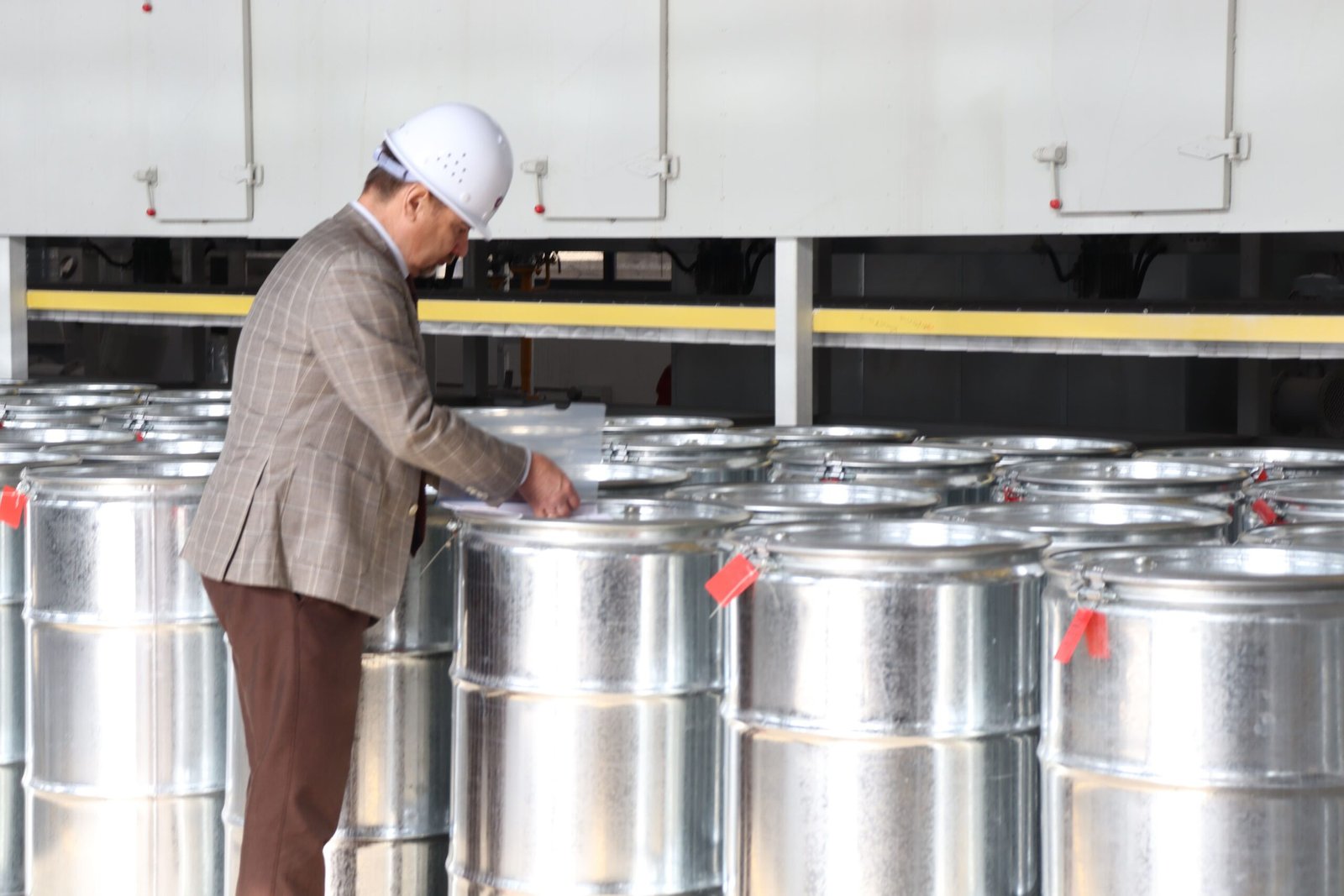
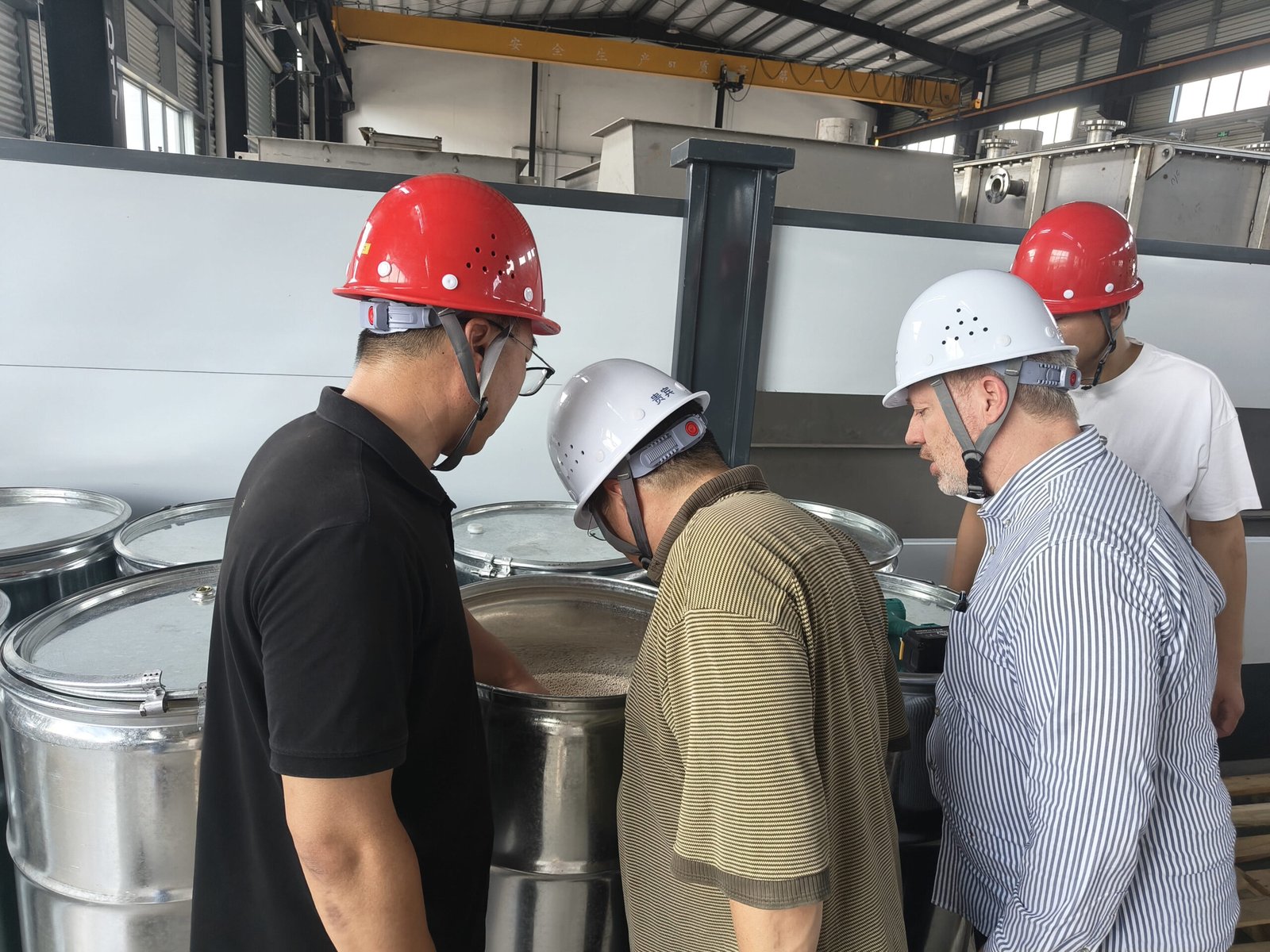
Your choice of supplier is just as important as your choice of molecular sieve. You need a partner who understands the demands of your industry. Based on my 20 years in the chemical industry, I can tell you that consistency is everything. That's why we invested over RMB 8 million in a fully automated production line. It ensures that every batch of molecular sieves we produce has the exact same high quality, stability, and performance. Our peers in the industry have rated it as a top-tier production line in China, because a superior line is the foundation of a premium product. When you partner with us, you are not just buying a product; you are gaining access to our manufacturing expertise. We welcome international brands and distributors to visit our factory. We can provide OEM/ODM services to build your product line or act as your reliable, factory-direct source. We have the capacity, the experience, and the commitment to be your long-term, stable partner.
Conclusion
Choosing high-performance molecular sieves is not a cost, but an investment. It is the key to ensuring your oxygen plant's efficiency, stability, and long-term profitability.