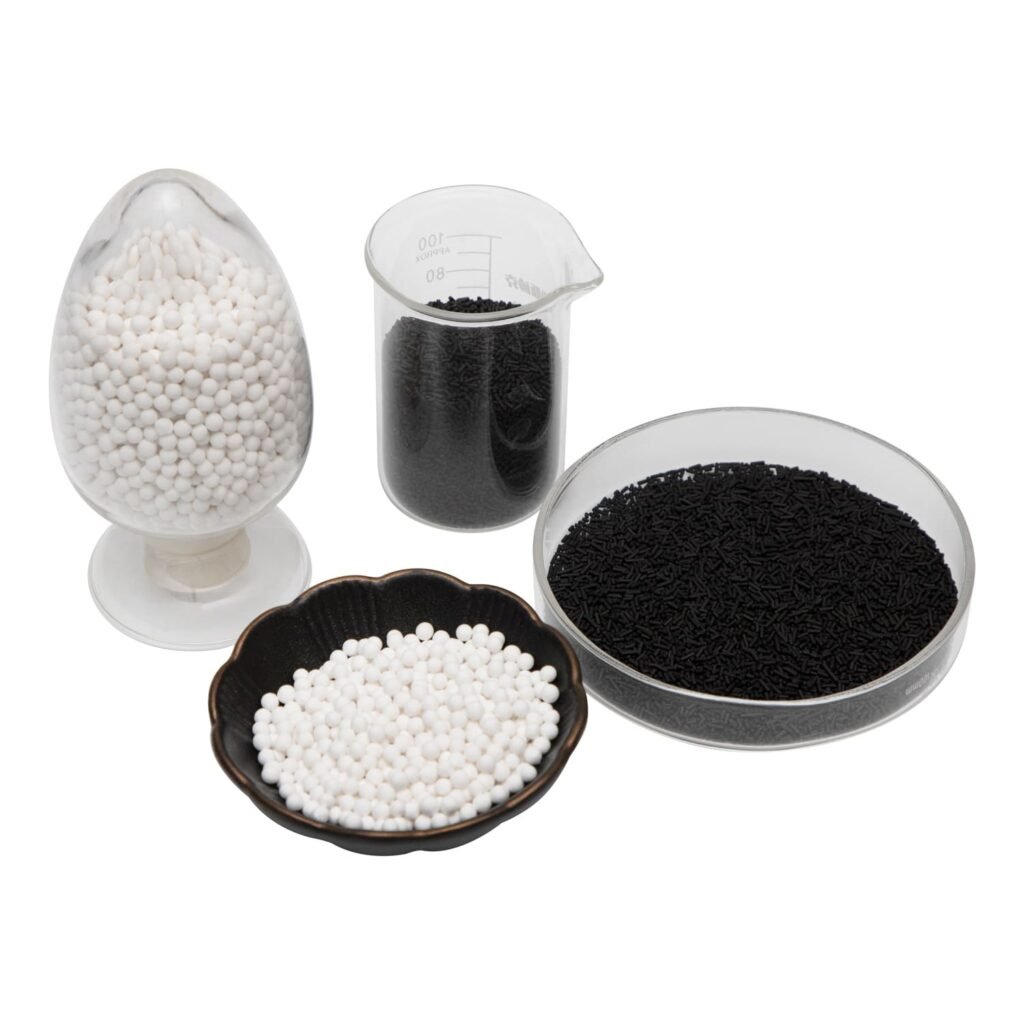
Are you frustrated with inconsistent nitrogen purity[^1] from your PSA generator? You bought the right type of Carbon Molecular Sieve[^2] (CMS), but the performance just isn't there, hurting your operations.
The nitrogen purity from a Carbon Molecular Sieve[^2] depends on three key factors: the quality of the raw materials, the precision of the micropore manufacturing process[^3], and the thoroughness of the final activation treatment[^4]. Differences in these areas create a huge gap in performance between suppliers.
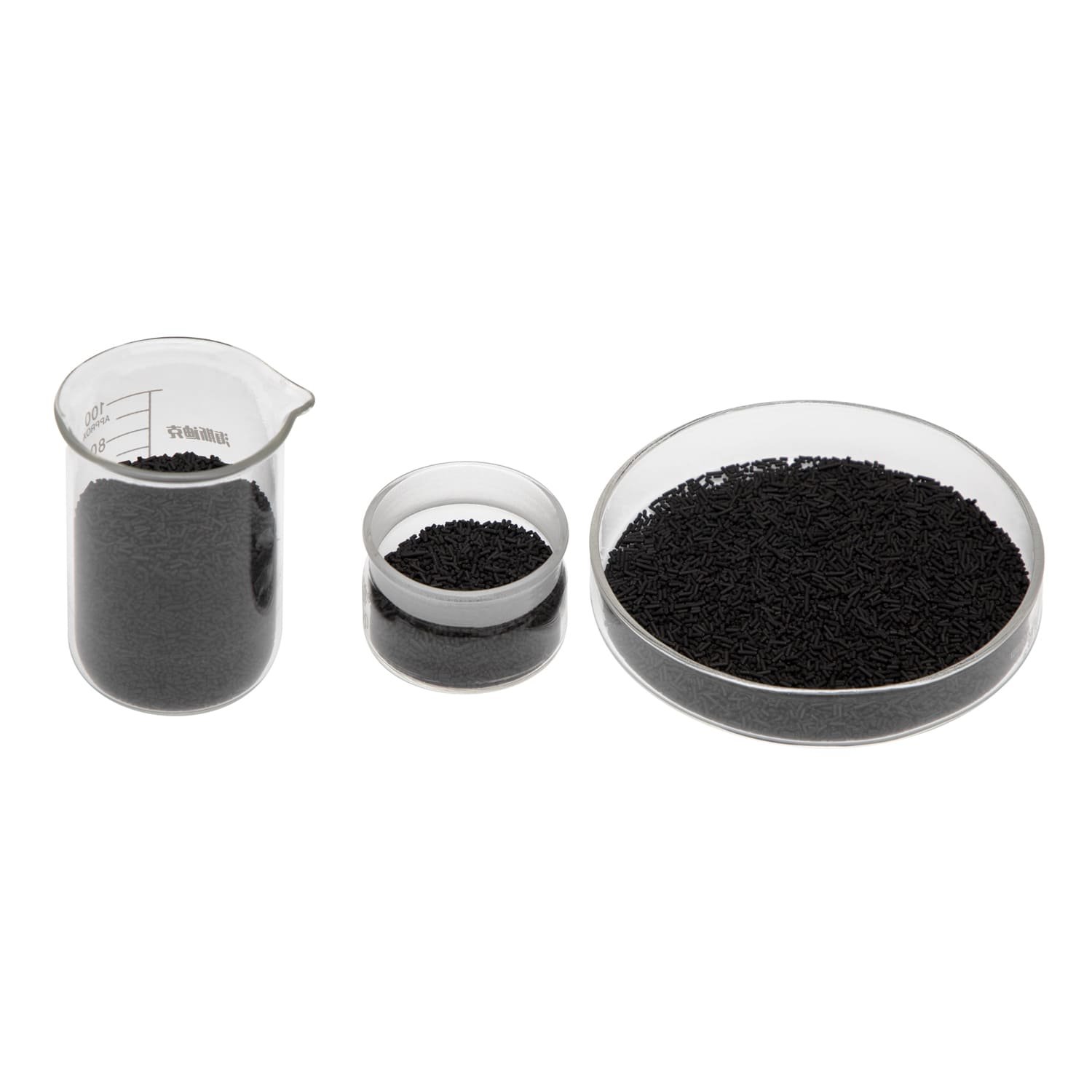
You've probably wondered why one batch of CMS works perfectly while another from a different supplier causes constant headaches. It's a common problem, and it almost always comes down to the quality of manufacturing. The specs on the data sheet might look the same, but the real-world results tell a different story. Let’s break down the three main reasons why this happens, so you can understand what separates a premium CMS from a low-performing one. This knowledge will help you choose a reliable partner and ensure your nitrogen generation system runs smoothly and efficiently.
Are All Raw Materials for Carbon Molecular Sieve[^2]s the Same?
You assume that all CMS starts from the same base material. But using low-grade materials can clog your system with ash, destroying your nitrogen purity and potentially damaging your equipment.
No, they are not. Premium CMS is made from high-quality phenolic resin[^5], which has very low ash content and excellent adsorption properties. In contrast, some manufacturers use cheap resin scraps mixed with waste carbon, resulting in high ash content[^6] that blocks adsorption channels[^7] and lowers purity.
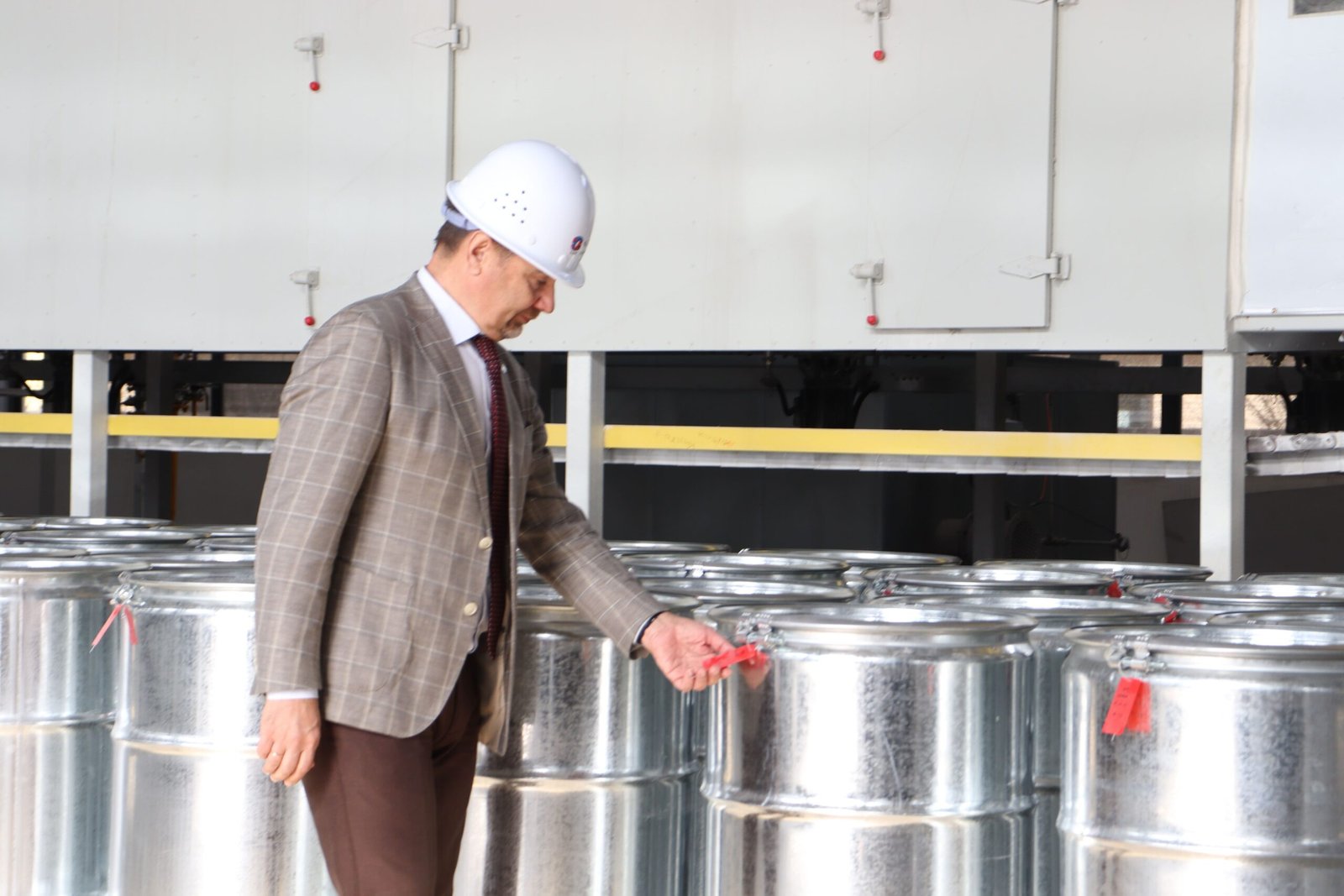
The choice of raw material is the first and most critical step in producing a high-performance Carbon Molecular Sieve[^2]. It sets the foundation for everything that follows. In my 20 years in this industry, I have seen the direct impact of raw material quality on the final product. A top-tier manufacturer will never compromise on this. The best raw material is a pure phenolic resin[^5]. It’s clean, consistent, and creates a CMS with minimal impurities.
The Problem with High Ash Content
When manufacturers cut corners, they often use leftover resin scraps or even mix in waste carbon dust. This material is much cheaper, but it comes with a major downside: high ash content[^6]. Ash is essentially non-carbon impurity that doesn't contribute to adsorption. When this ash content exceeds 10%, it physically blocks the tiny micropores that are supposed to capture oxygen. Think of it like trying to drink through a straw clogged with sand. No matter how hard you try, you won't get much through. This blockage prevents oxygen from being adsorbed effectively, which means more oxygen slips past into your nitrogen stream, drastically lowering the final purity.
| Feature | Premium CMS (Our Standard) | Low-Grade CMS |
|---|---|---|
| Raw Material | Pure Phenolic Resin | Resin Scraps, Waste Carbon |
| Ash Content | Very Low | Can be >10% |
| Adsorption Channels | Clear and Open | Clogged and Inefficient |
| Result | High, Stable Nitrogen Purity | Low, Fluctuating Purity |
How Does Micropore Size Control Affect Nitrogen Separation?
You know that CMS works by separating gases. But if the pores are the wrong size, it might trap nitrogen or let oxygen slip through, completely ruining the efficiency of your process.
Precise micropore control is essential. High-quality CMS has a uniform pore size distribution, typically between 0.3 and 0.5 nanometers. This specific size allows it to quickly adsorb smaller oxygen molecules while letting larger nitrogen molecules pass. Poor process control results in uneven pores, causing unstable purity.
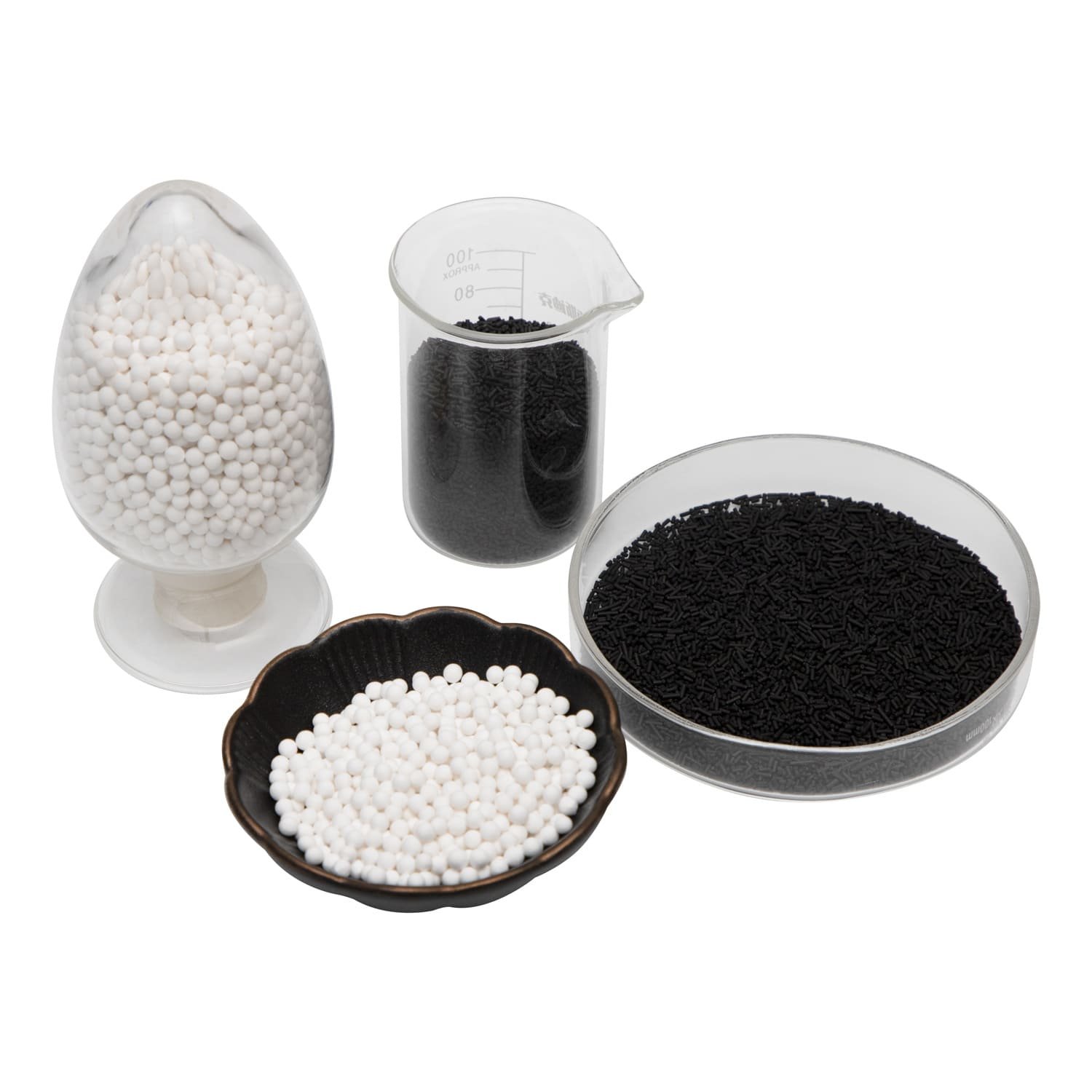
After selecting the right raw material, the next challenge is creating the perfect pore structure. The magic of CMS lies in its ability to separate gases based on the slight difference in their molecular size. Oxygen molecules are just a little smaller than nitrogen molecules. A high-performance CMS is engineered to have pores that are just the right size to trap the smaller oxygen molecules while letting the larger nitrogen molecules go free. We call this the "Goldilocks Zone[^8]" of pore size.
The 'Goldilocks Zone[^8]' of Pore Size
If the pores are too large, both oxygen and nitrogen can enter easily, and no separation occurs. If the pores are too small, neither molecule can enter efficiently, and the adsorption capacity becomes very low. This is why consistent manufacturing is so important. At our facility, we use a granulator-based forming process[^9], not an outdated sugar-coating pan method. Our fully automated production line, an RMB 8 million investment, gives us extremely tight control over the process. This ensures every pellet has a uniform size and a consistent internal pore structure. In contrast, unstable production processes from other factories lead to a wide range of pore sizes. Some pores will be too big and leak oxygen, while others might be too small, reducing overall efficiency. This inconsistency is a primary cause of purity fluctuations in PSA systems.
Why is the Activation Step So Critical for CMS Performance?
You have a CMS with good materials and the right pore size, but it's still underperforming. You're frustrated because you've checked everything else. What could possibly be missing?
The final activation step[^10] is what turns a simple carbon material into a high-performance molecular sieve. A standardized, rigorous activation process ensures a high nitrogen/oxygen separation factor[^11] and good mechanical strength[^12]. Improper activation results in a weak, inefficient sieve that degrades quickly.
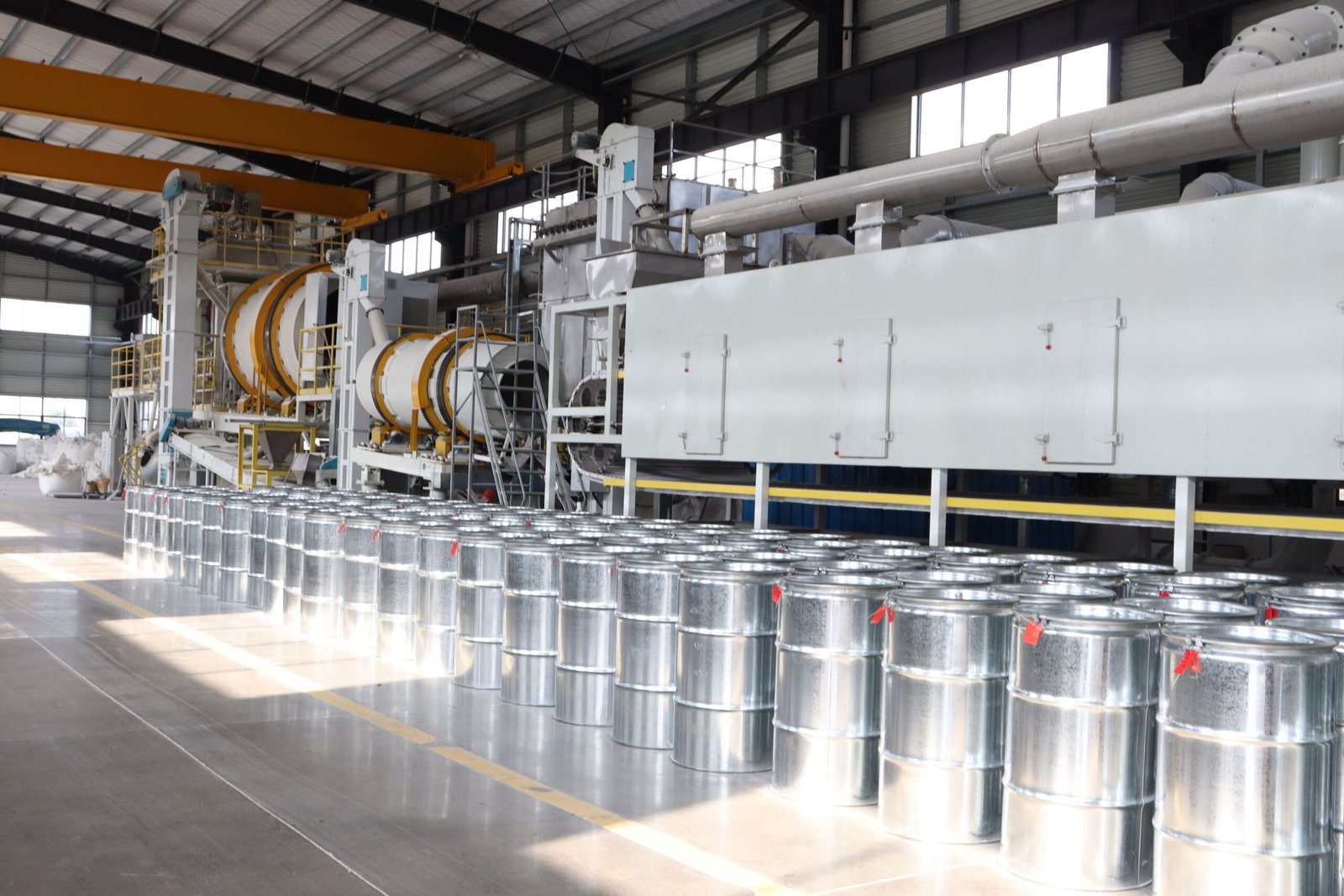
The final piece of the puzzle is activation. This is where the pre-formed carbon material is treated at very high temperatures to create and refine its microporous structure. This is not a simple heating process; it's a highly controlled science. The temperature, duration, and atmosphere inside the furnace must be perfect. I've seen in our own quality control labs how a small deviation in this step can ruin an entire batch of product. This is why a standardized and well-documented activation protocol is a non-negotiable part of our production.
From Raw Carbon to a High-Tech Sieve
A proper activation process creates a CMS with a high nitrogen/oxygen separation factor[^11], meaning it is very efficient at its job. It also gives the pellets high mechanical strength[^12], so they don't crumble into dust inside the PSA tower, which can clog valves and cause equipment failure. When other manufacturers rush this step or use non-standard procedures, the result is an incompletely activated CMS. This material will have poor separation ability, leading directly to lower nitrogen purity. It will also be physically weak, breaking down easily and shortening the lifespan of both the CMS bed and the PSA system itself. Our commitment to international standards in our processes and formulations ensures that every batch we produce is fully and properly activated for maximum performance and stability.
Conclusion
The nitrogen purity from a Carbon Molecular Sieve[^2] depends directly on the raw materials, precise pore control, and a proper activation process. Choosing a quality supplier is essential for consistent results.
---

[^1]: Understanding the causes of inconsistent nitrogen purity can help you troubleshoot and improve the efficiency of your PSA generator.
[^2]: Learning about Carbon Molecular Sieves will help you understand their role in nitrogen generation and how they affect purity.
[^3]: Understanding the micropore manufacturing process can help you identify high-quality CMS that ensures efficient gas separation.
[^4]: Discovering the importance of activation treatment can help you choose CMS that maintains high nitrogen purity and mechanical strength.
[^5]: Learning about phenolic resin's properties can help you understand why it's preferred for high-performance CMS.
[^6]: Understanding the effects of high ash content can help you avoid CMS that lowers nitrogen purity and damages equipment.
[^7]: Exploring adsorption channels can help you understand how CMS separates gases and maintains nitrogen purity.
[^8]: Understanding the 'Goldilocks Zone' can help you select CMS with optimal pore sizes for effective gas separation.
[^9]: Exploring the granulator-based forming process can help you identify CMS with consistent pore sizes and high performance.
[^10]: Understanding the activation step's role can help you choose CMS that maintains high nitrogen purity and mechanical strength.
[^11]: Learning about the separation factor can help you understand CMS efficiency in separating gases and maintaining purity.
[^12]: Exploring mechanical strength can help you choose CMS that withstands pressure and maintains efficiency in PSA systems.