Struggling with inconsistent hydrogen purity[^1] in your PSA system? This instability raises operating costs and hurts reliability. Our specialized molecular sieves[^2] offer a stable, high-performance solution for your process.
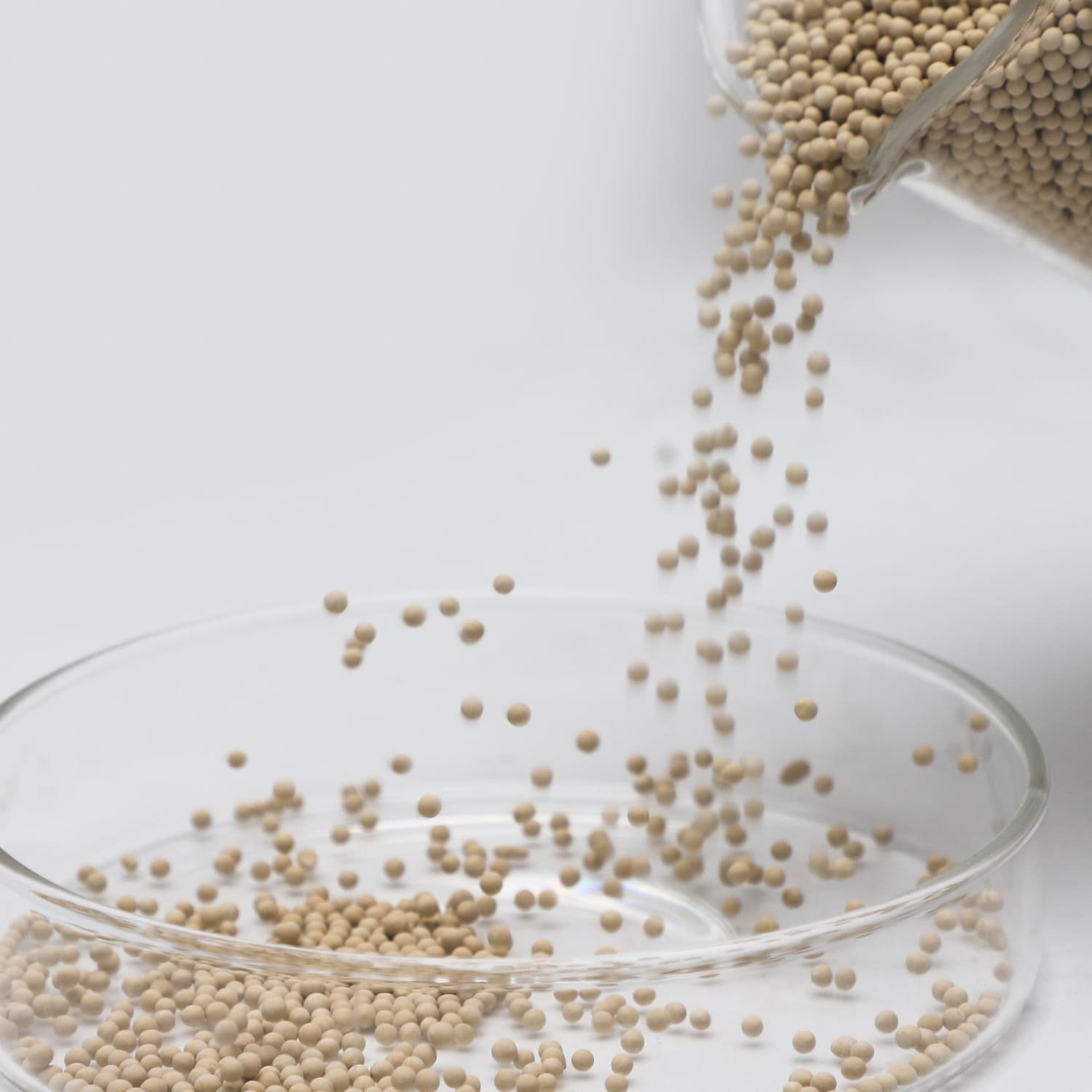
Our molecular sieves are specifically designed for PSA hydrogen purification. They selectively adsorb impurities[^3] like CO₂, CO, and CH₄ from various gas streams, ensuring only high-purity hydrogen passes through. This provides stable, reliable material support for your separation system, boosting efficiency.
Getting high-purity hydrogen is the goal of any PSA system. But achieving it consistently depends entirely on the adsorbent material inside. Generic materials often fall short, leading to operational headaches. This is where a targeted approach becomes crucial. We have spent years perfecting our materials to solve this exact problem, and the results speak for themselves. You need an adsorbent that not only works but works reliably for the long haul.
Why are specialized molecular sieves[^2] essential for PSA hydrogen purification?
Using a generic adsorbent for a specialized job like hydrogen purification? It often leads to poor separation and low-purity product. Our molecular sieves are engineered specifically for this challenge.
Our hydrogen purification molecular sieves are developed for typical PSA feed gases from sources like methanol reforming, natural gas reforming, or ammonia cracking. They have optimized pore structures[^4] to preferentially adsorb impurities like CO₂, CO, CH₄, and N₂, while letting smaller hydrogen molecules pass through freely.
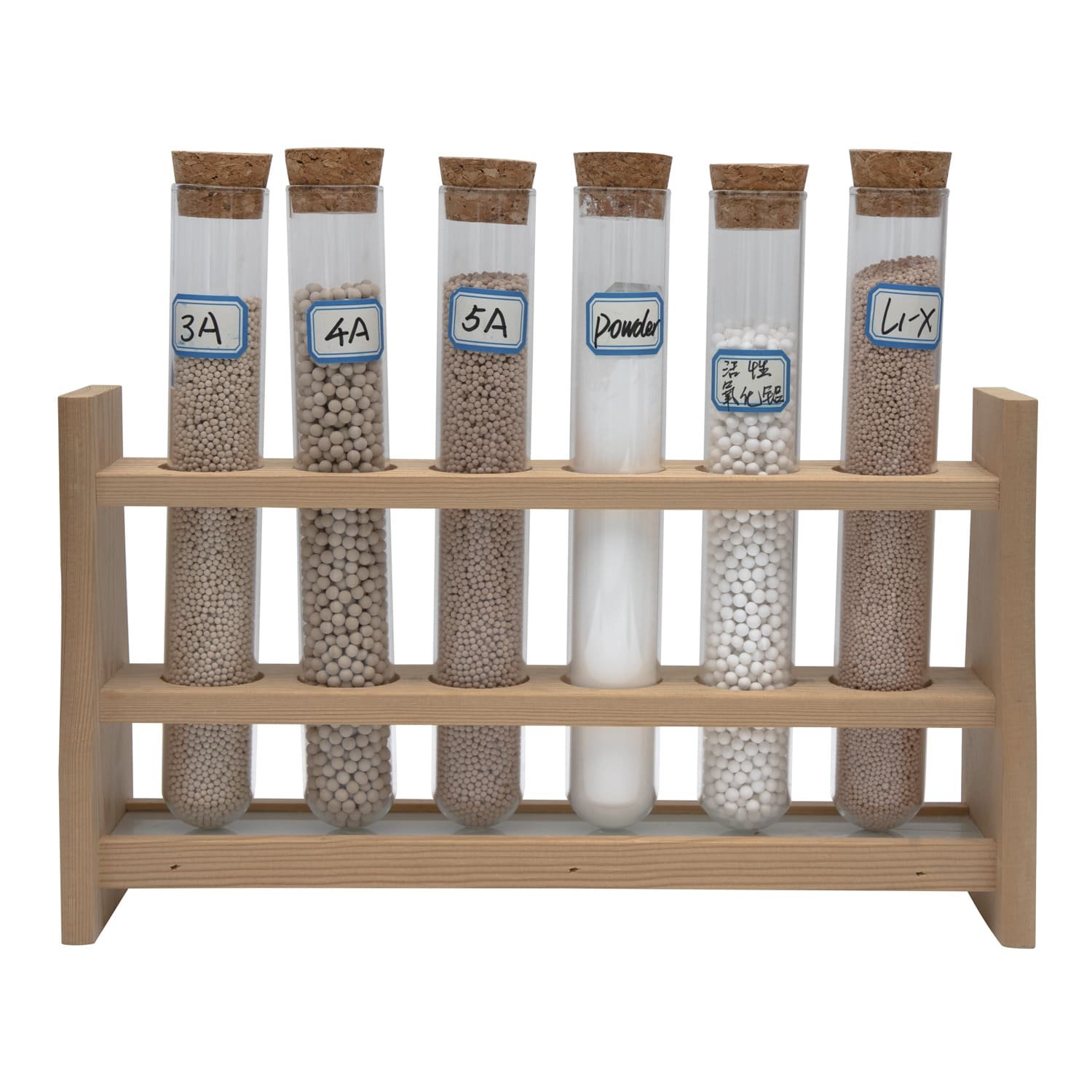
When we started developing these sieves, we looked at the common feed gases used in hydrogen production. Whether it's from steam methane reforming (SMR), methanol reforming, or as a byproduct from other chemical processes, the gas stream is never just hydrogen. It’s a mix containing impurities that must be removed. These impurities—carbon dioxide (CO₂)[^5], carbon monoxide (CO)[^6], methane (CH₄)[^7], and nitrogen (N₂)[^8]—can poison catalysts downstream or fail to meet the purity specs for applications like fuel cells.
Targeting Specific Impurities
Using a standard molecular sieve is like using a fishing net with holes that are too big; you lose what you're trying to catch. Our sieves are different. We control the pore size and surface chemistry very carefully. This allows them to act like a highly selective filter. The pores are just the right size to trap the larger impurity molecules (CO, CO₂, CH₄) but allow the much smaller hydrogen molecules to pass through without being adsorbed. I remember a client who was struggling with CO breakthrough in their system. They were using a general-purpose adsorbent, and it just couldn't handle the load. After switching to our specialized 5A-type sieve, their CO levels dropped significantly, and their system stability improved overnight. It’s this high selectivity that ensures you get a high recovery of pure hydrogen, which directly impacts your operational efficiency and profitability.
What makes our molecular sieves perform so well in real-world applications?
Adsorbent beds that degrade quickly under constant pressure swings? This means frequent shutdowns, lost production, and costly material replacements. Our sieves are built for high mechanical strength[^9] and longevity.
Our hydrogen purification sieves show excellent performance in practice. Their high adsorption capacity[^10] supports continuous PSA operation for stable purity. Plus, their high mechanical strength[^9] and low attrition rate[^11] mean the bed stays intact during pressure cycles, reducing pressure drop issues and maintenance.
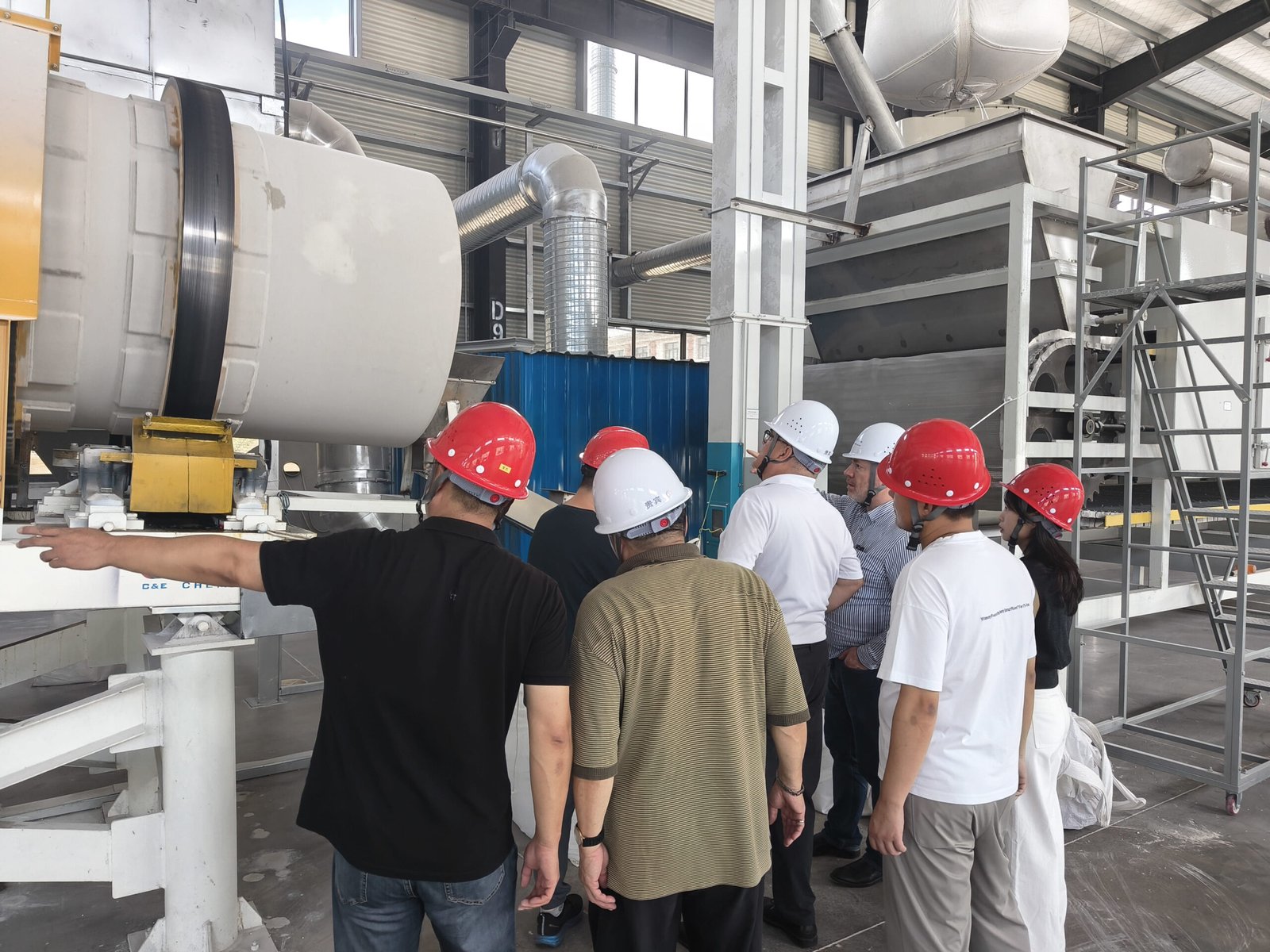
A Pressure Swing Adsorption (PSA)[^12] unit is a dynamic environment. The adsorbent beds are constantly cycled between high pressure for adsorption and low pressure for regeneration. This process is tough on the adsorbent material. We knew from the start that our sieves had to be physically robust to survive. We've seen competitors' products that look good on paper but turn into dust after just a few months of operation. That dust clogs up valves and screens, increases the pressure drop across the bed, and ultimately forces a complete shutdown for a messy and expensive clean-out and replacement.
Built for the PSA Cycle
That’s why we focused so heavily on mechanical strength during our product development. We use a unique granulator-based forming process, not the old-school pan-coating method. This results in spherical beads that are more uniform, much stronger, and generate very little dust. This low attrition rate[^11] is critical. It ensures the structural integrity of the adsorbent bed is maintained through millions of pressure cycles. A stable bed means a stable pressure drop, consistent gas flow, and a much longer operational lifespan. The table below gives a simple comparison.
| Feature | CHEMEQUIP Sieve | Standard Sieve |
|---|---|---|
| Mechanical Strength | High | Moderate |
| Attrition Rate | Low (<0.1%) | Higher |
| Adsorption Capacity | Optimized for CO/N₂ | General Purpose |
| Lifespan | Extended | Standard |
For our customers, this translates directly into lower maintenance costs and higher plant uptime. They can trust that the material they put in their towers will keep performing day in and day out, delivering the high-purity hydrogen their processes depend on.
How do we help you choose the right molecular sieve for your system?
Choosing the wrong sieve specification can completely ruin your system's performance. This wastes time and money on a solution that simply doesn't work. We guide you to the perfect fit.
To meet different production needs and process conditions, we offer molecular sieves in various particle sizes and performance grades. We work closely with you, analyzing your feed gas and process parameters to recommend the right material and bed loading, ensuring optimal performance.
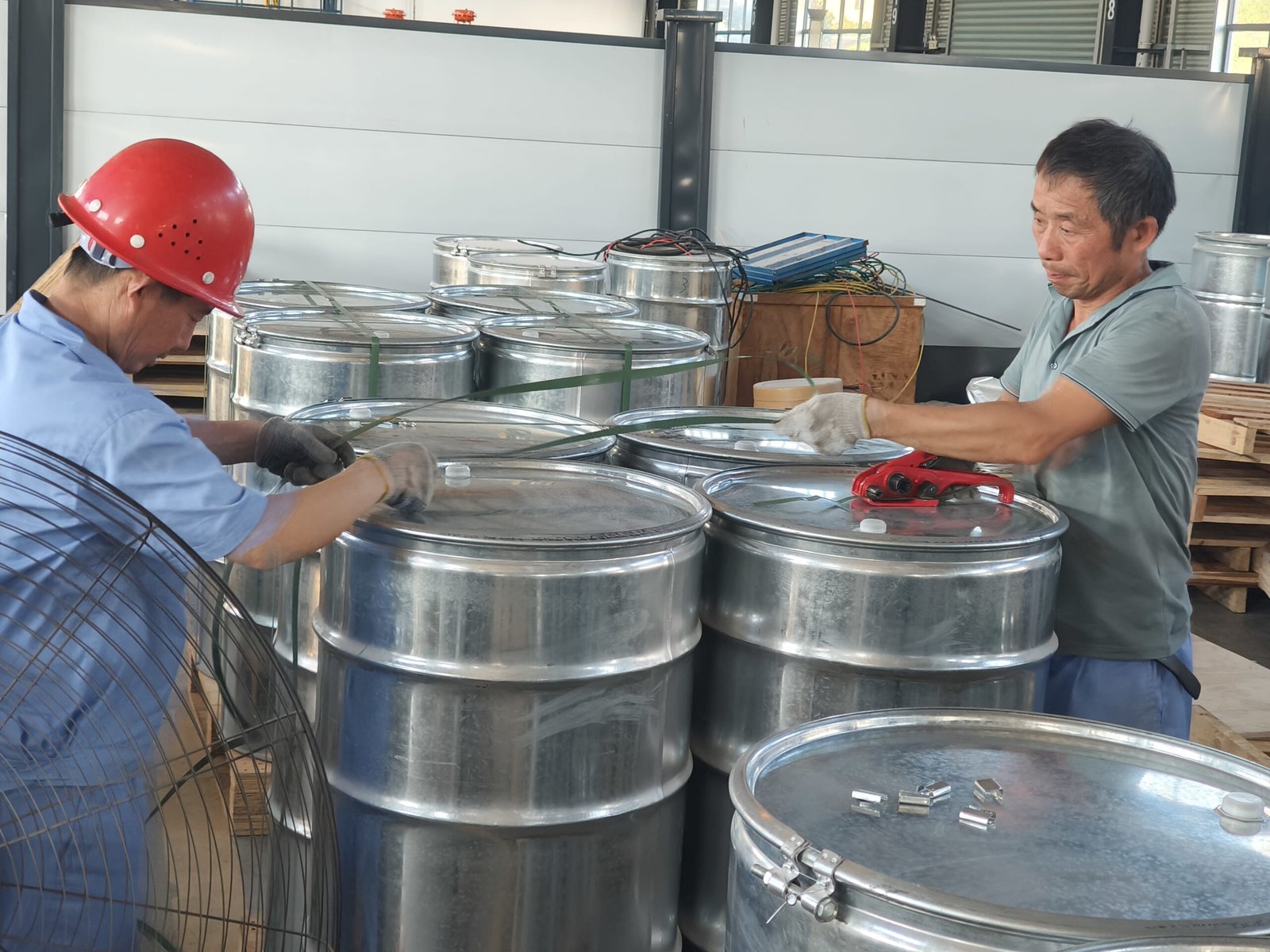
We believe that our job is not just to sell a product, but to provide a complete solution. A one-size-fits-all approach doesn't work for hydrogen purification. The best molecular sieve for a large-scale SMR plant will be different from the one needed for a smaller, modular ammonia cracking unit. That’s why we start every conversation by listening. We want to understand the specifics of your operation.
A Collaborative Selection Process
We’ll ask about your feed gas composition, the operating pressures and temperatures, the desired final hydrogen purity, and your system's flow rate. I recall working with a company developing systems for the fuel cell market. They needed extremely high-purity hydrogen, above 99.99%. We analyzed their raw biogas feed and recommended a multi-layer bed design using our 13X-HP to remove trace H₂S and CO₂, followed by our 5A sieve for deep CO removal. This collaborative approach ensured they met their stringent purity targets from day one.
Based on this data, we recommend a specific product from our portfolio, including the right particle size to balance mass transfer with pressure drop. We also provide guidance on the optimal bed loading quantity. This application-oriented support ensures our molecular sieves are not just suitable for your process but are truly optimized for stable, long-lasting performance. Our hydrogen purification sieves are already proven in numerous industrial hydrogen production and byproduct recovery systems, providing reliable, high-purity hydrogen for downstream applications.
Conclusion
CHEMEQUIP delivers specialized, durable, and customized molecular sieves. We ensure your PSA system produces stable, high-purity hydrogen, directly supporting your long-term operational success and profitability.
[^1]: Understanding the causes of inconsistent hydrogen purity can help optimize your PSA system for better performance and reliability. [^2]: Specialized molecular sieves are crucial for achieving high-purity hydrogen, making them essential for efficient PSA systems. [^3]: Learn how molecular sieves work to remove impurities like CO₂, CO, and CH₄, ensuring high-purity hydrogen production. [^4]: Optimized pore structures enhance the selectivity of molecular sieves, improving the efficiency of hydrogen purification. [^5]: Removing CO₂ is essential for achieving high-purity hydrogen, impacting the efficiency of PSA systems. [^6]: CO can poison catalysts and reduce hydrogen purity, making its removal vital for PSA system performance. [^7]: Methane impurities can lower hydrogen purity, so understanding its removal is key for efficient PSA systems. [^8]: Nitrogen can affect hydrogen purity, so its removal is important for achieving desired purity levels in PSA systems. [^9]: High mechanical strength ensures molecular sieves withstand pressure cycles, reducing maintenance and prolonging lifespan. [^10]: High adsorption capacity ensures efficient impurity removal, maintaining stable hydrogen purity in PSA systems. [^11]: A low attrition rate minimizes dust formation, maintaining the integrity of adsorbent beds and reducing operational costs. [^12]: Understanding PSA technology can help optimize hydrogen purification processes for better efficiency and purity.