
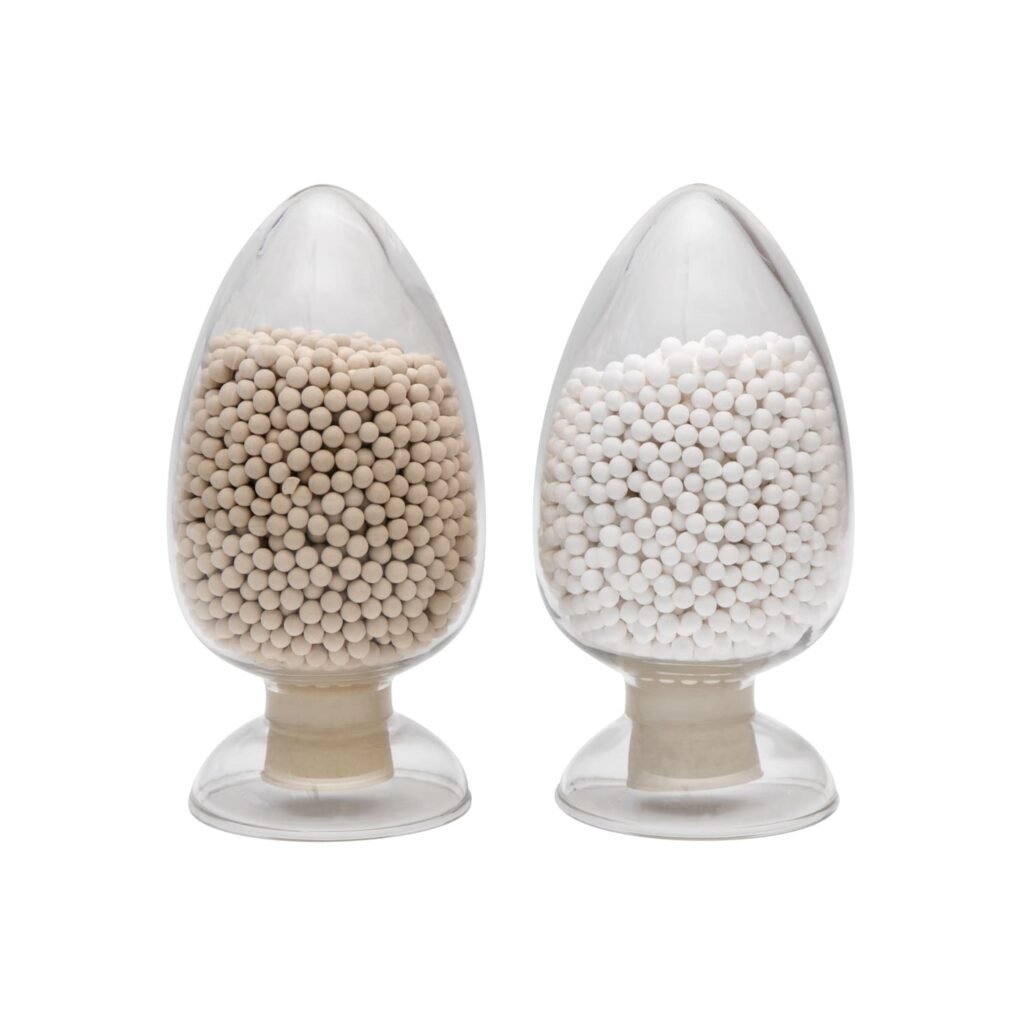
Think molecular sieves are just for factories? You are missing the hidden science in your everyday items. Let me show you where these amazing materials are secretly at work.
Molecular sieves[^1] are in many daily products. They improve phone speaker sound[^2], make classroom lights easier on the eyes, and even reduce odors in adult diapers[^3]. Their non-toxic nature allows them to be used in surprising places, improving technology and comfort in our lives.
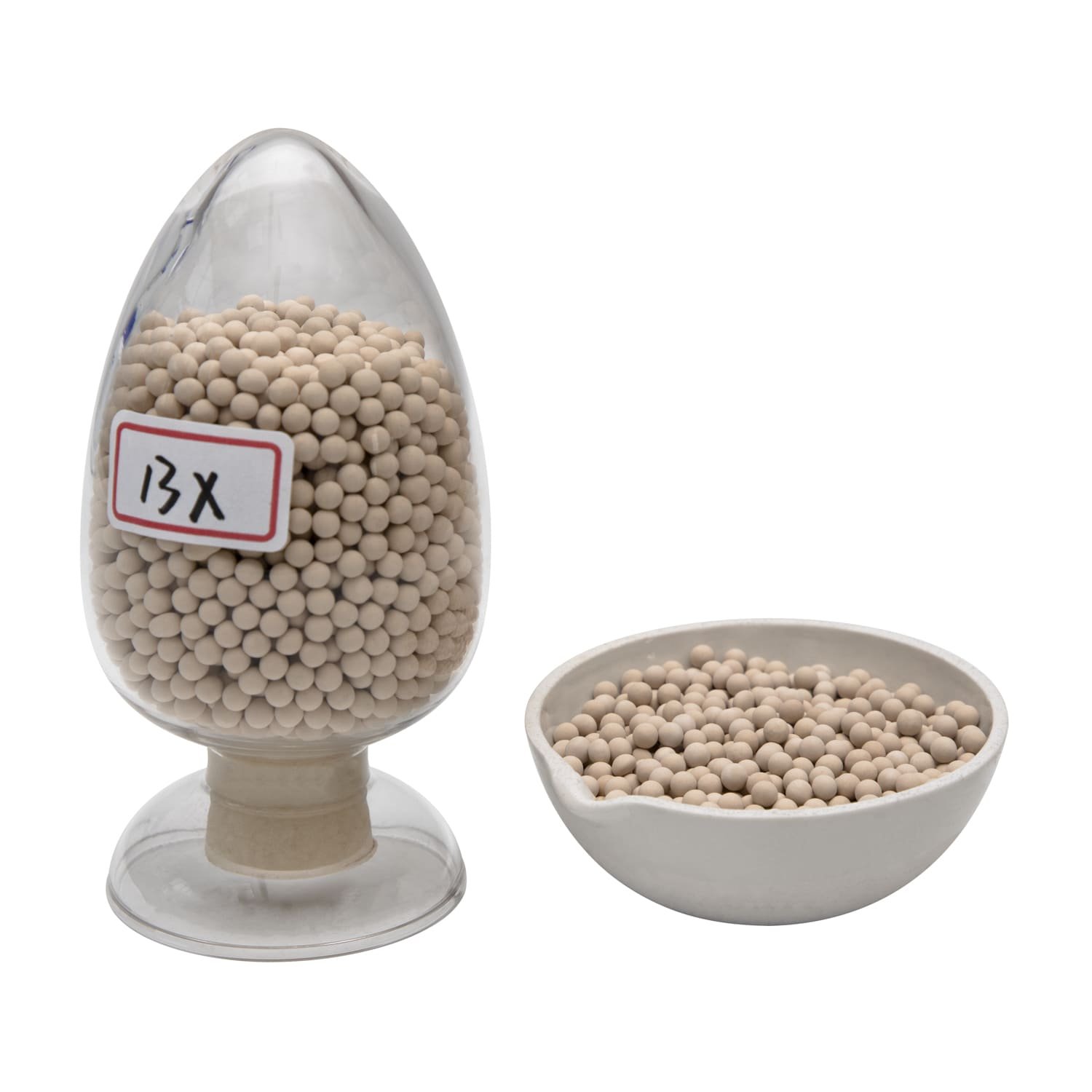
It's easy to think of our products as just industrial powders and beads sitting in a factory. I used to think that way too. But the real magic is how these tiny, porous materials solve problems in places you would never expect. Let's look at some of these incredible applications, and you will see why I find this field so fascinating.
How Do Molecular Sieves Make Your Smartphone Sound Better?
Frustrated with weak phone speaker sound[^2]? You want rich audio from a tiny device, but physics gets in the way. Molecular sieves[^1] offer a clever solution for bigger sound.
Molecular sieves[^1] are placed in the phone's rear sound cavity. They adsorb air molecules, effectively expanding the chamber's volume. This allows the speaker diaphragm to move more freely, producing richer, fuller sound from the same small physical space. It's a smart acoustic trick.
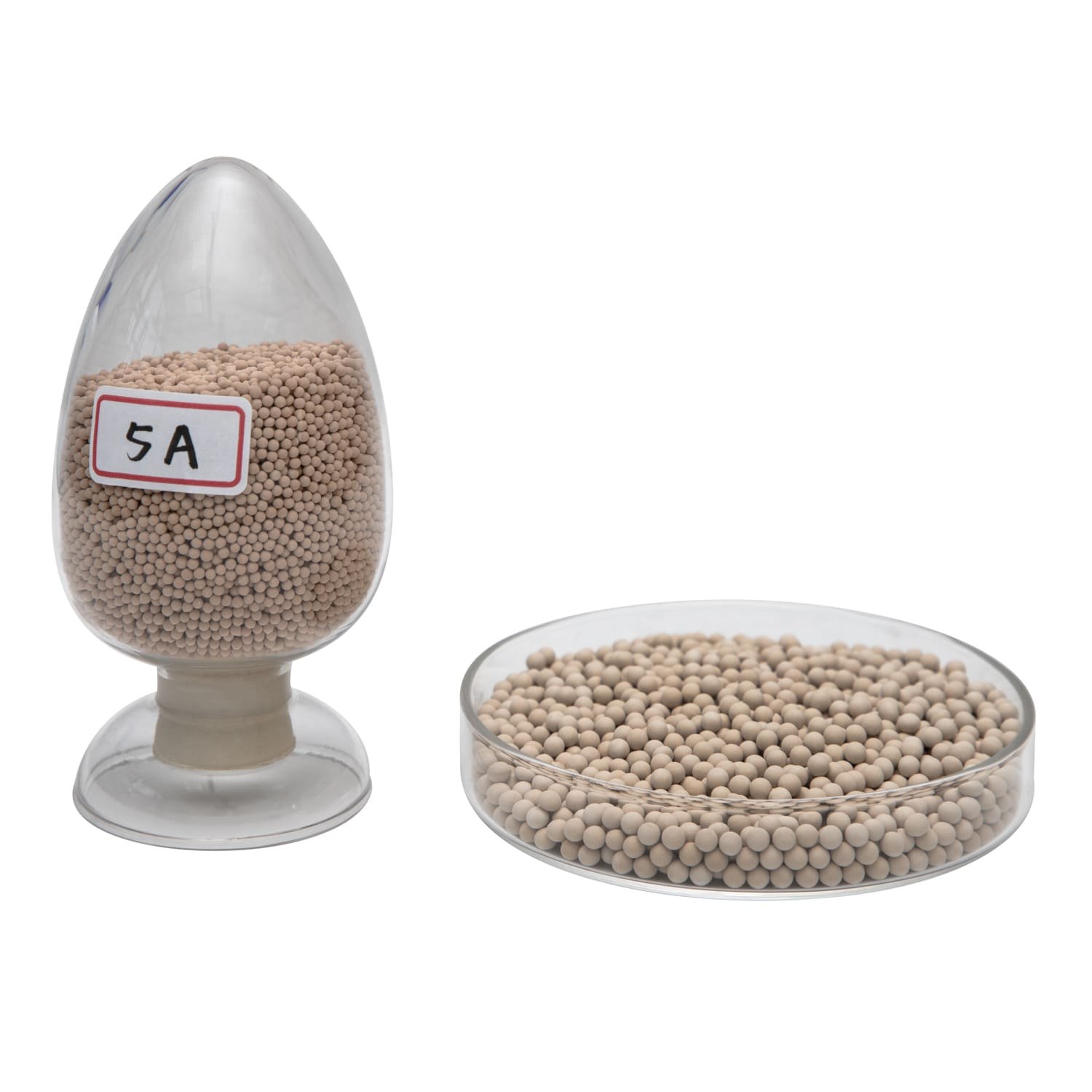
When I first learned about this, I was truly amazed. The biggest challenge for audio engineers is that modern phones are incredibly thin. A thin phone means a very small speaker box, or sound cavity. Good bass and loud volume require the speaker's diaphragm to move a lot of air, which is difficult in a cramped space. This is where our product comes in. By filling the cavity with a specific type of molecular sieve, we create what is called "acoustic volume expansion[^4]." The sieve's massive internal surface area adsorbs and releases air molecules in time with the sound waves. This process makes the air inside the cavity behave as if it's in a much larger space. The speaker diaphragm can move more freely, as if it has more room to breathe. This simple addition dramatically improves sound quality without changing the phone's size.
Before vs. After Molecular Sieves in Acoustics
| Feature | Standard Small Speaker | Speaker with Molecular Sieve |
|---|---|---|
| Perceived Volume | Quiet, thin | Louder, fuller |
| Bass Response | Weak | Deeper, richer |
| Device Size | No change | No change |
Can a Chemical Powder Really Protect Your Child's Eyesight?
Worried about the eye strain from your child's desk lamp? Invisible light flicker can cause fatigue and headaches. We found a surprising material that helps make light gentler.
In some specialized eye-protection lamps[^5], molecular sieves are used within the lighting components. They help stabilize the electronics or manage heat, which in turn reduces the high-frequency flicker[^6] that causes eye strain. This creates a more stable, comfortable light source for reading.
This application is a perfect example of how our materials solve problems indirectly. The issue with many LED lights is not the light itself, but the invisible flicker. This flicker, or stroboscopic effect, happens because the electronics that power the LED are not perfectly stable. Tiny changes in temperature or humidity can affect these sensitive components, causing the light output to fluctuate rapidly. Your eyes don't consciously see it, but your brain works harder to process the information, leading to strain. Some high-end lamp manufacturers place our molecular sieves inside the sealed electronics housing to create a perfectly controlled environment.
Ensuring Component Stability
By adsorbing any trace moisture, the molecular sieve prevents corrosion and ensures the electronic components operate exactly as designed. A stable electronic circuit[^7] delivers a stable current to the LED.
The Result: A Healthier Light
A stable current means the LED produces a steady, unwavering light with no harmful flicker. This makes the light much easier on the eyes, especially for children who spend hours reading and studying under it. It’s a simple solution that contributes to a healthier learning environment[^8].
What's the Secret to Odor Control in Modern Personal Care Products?
Unpleasant odors from personal care products are a sensitive issue. This can affect dignity and comfort. A non-toxic mineral provides a powerful solution by trapping odor molecules.
Molecular sieves[^1] are incorporated into the absorbent core of products like adult diapers[^3]. Their tiny pores are specifically sized to trap and lock away odor-causing molecules, like ammonia. This physically removes the odor from the air, rather than just masking it with fragrance.

This is an application where the safety of our product is just as important as its performance. Many products try to control odor with perfumes, but these can irritate sensitive skin and only cover up the problem. Molecular sieves[^1] work on a completely different principle. They physically capture and hold onto the molecules that cause bad smells. It’s like having millions of microscopic traps[^9] waiting to lock away odors for good. The best part is that this is a physical process, not a chemical one.
Trapping the Right Molecules
We can produce molecular sieves with very precise pore sizes. For odor control[^10], the pores are engineered to be the perfect size to catch small, smelly molecules like ammonia, but they are too small to trap larger water molecules. This selectivity makes them incredibly efficient.
Safety First
Because molecular sieves are inert, non-toxic minerals[^11], they are perfectly safe for applications that involve skin contact. They don't release any chemicals or cause allergic reactions. This is why you also find them in advanced food packaging and medical equipment. Their inherent safety and powerful performance provide comfort and confidence to users.
Conclusion
From your phone to health products, molecular sieves are the hidden heroes of modern life. Choosing the right type for the specific job is key to unlocking their amazing potential.
[^1]: Explore the science behind molecular sieves to understand their diverse applications in everyday products. [^2]: Discover how molecular sieves enhance audio quality in smartphones, making your listening experience richer. [^3]: Learn how molecular sieves enhance comfort and dignity in adult diapers by controlling odors. [^4]: Learn about acoustic volume expansion and its role in improving sound quality in compact devices. [^5]: Find out how eye-protection lamps utilize molecular sieves to create a healthier lighting environment. [^6]: Understand the impact of high-frequency flicker on eye strain and how to mitigate it. [^7]: Learn how stable electronic circuits enhance LED performance and contribute to healthier lighting. [^8]: Discover the connection between lighting quality and a healthier learning environment for children. [^9]: Explore the concept of microscopic traps and their role in odor control using molecular sieves. [^10]: Explore the innovative use of molecular sieves in personal care products for effective odor management. [^11]: Discover the significance of non-toxic minerals in everyday products and their safety for users.