Are you throwing away used molecular sieves[^1] and money? This common mistake hurts your budget and operational efficiency. The secret is that you can regenerate them to restore their full power.
Yes, molecular sieves[^1] are designed to be regenerated and reused many times. The adsorption process[^2] is a physical one, not a chemical reaction. By applying heat or changing the pressure, you can remove the trapped molecules, restoring the sieve's capacity for its next cycle.
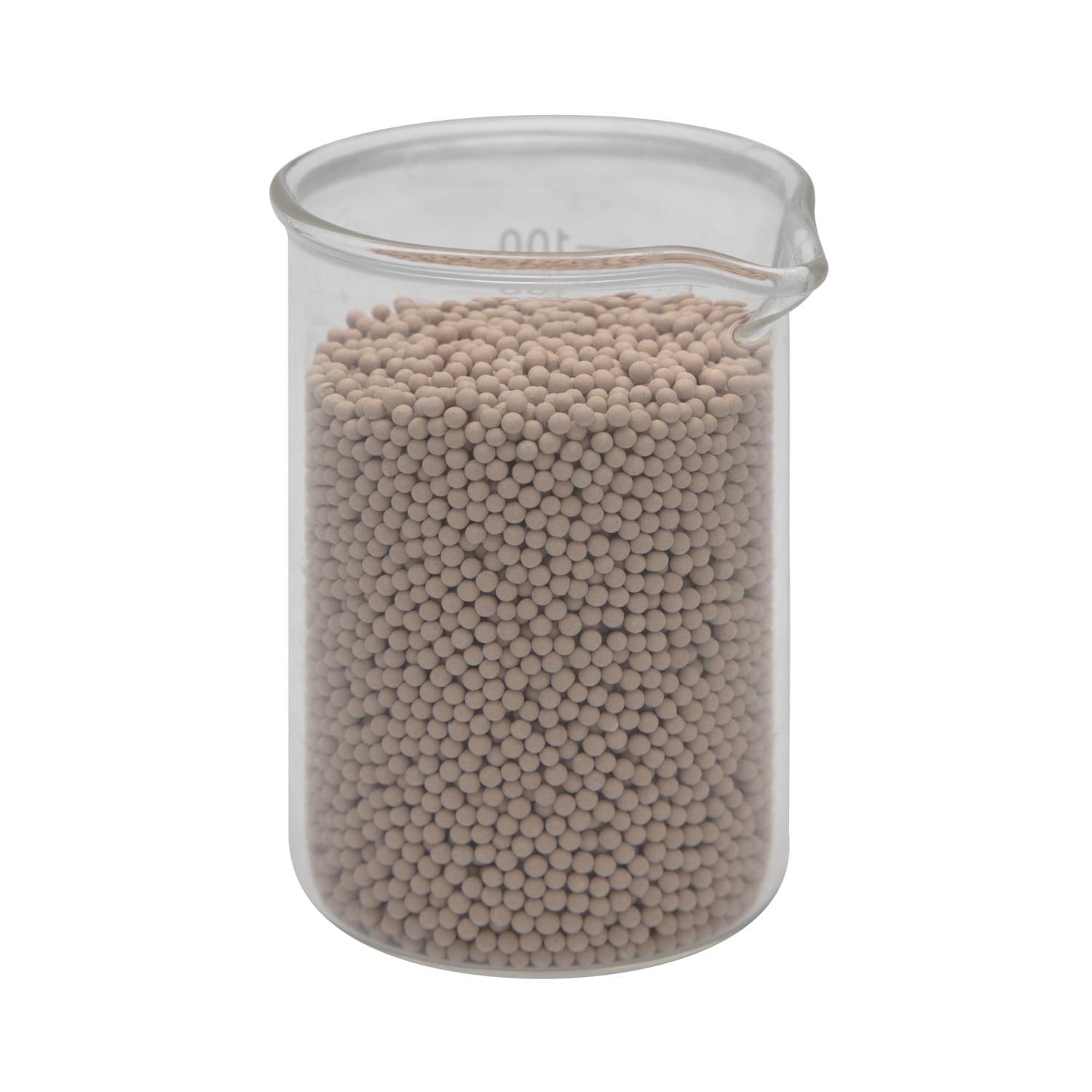
I remember a client who was about to place a huge reorder. He thought the sieves in his system were "full" and needed to be replaced entirely. When I explained that he could regenerate them instead, it was a game-changer for his operational costs. This simple knowledge is powerful, but you need to understand the principles behind it to do it right. So, let's dive into how this process actually works and how you can make your molecular sieves[^1] last.
Can You Really Reuse Molecular Sieves?
Do you think molecular sieves[^1] are a one-time use product? This idea costs businesses a lot of money. In fact, their reusability is a key feature for long-term savings.
Absolutely. The adsorption process[^2] is physical, meaning molecules are trapped inside the sieve's pores, not permanently bonded. By changing conditions like temperature or pressure, you can force these trapped molecules out, making the sieve ready for its next job. This is a core part of their design.
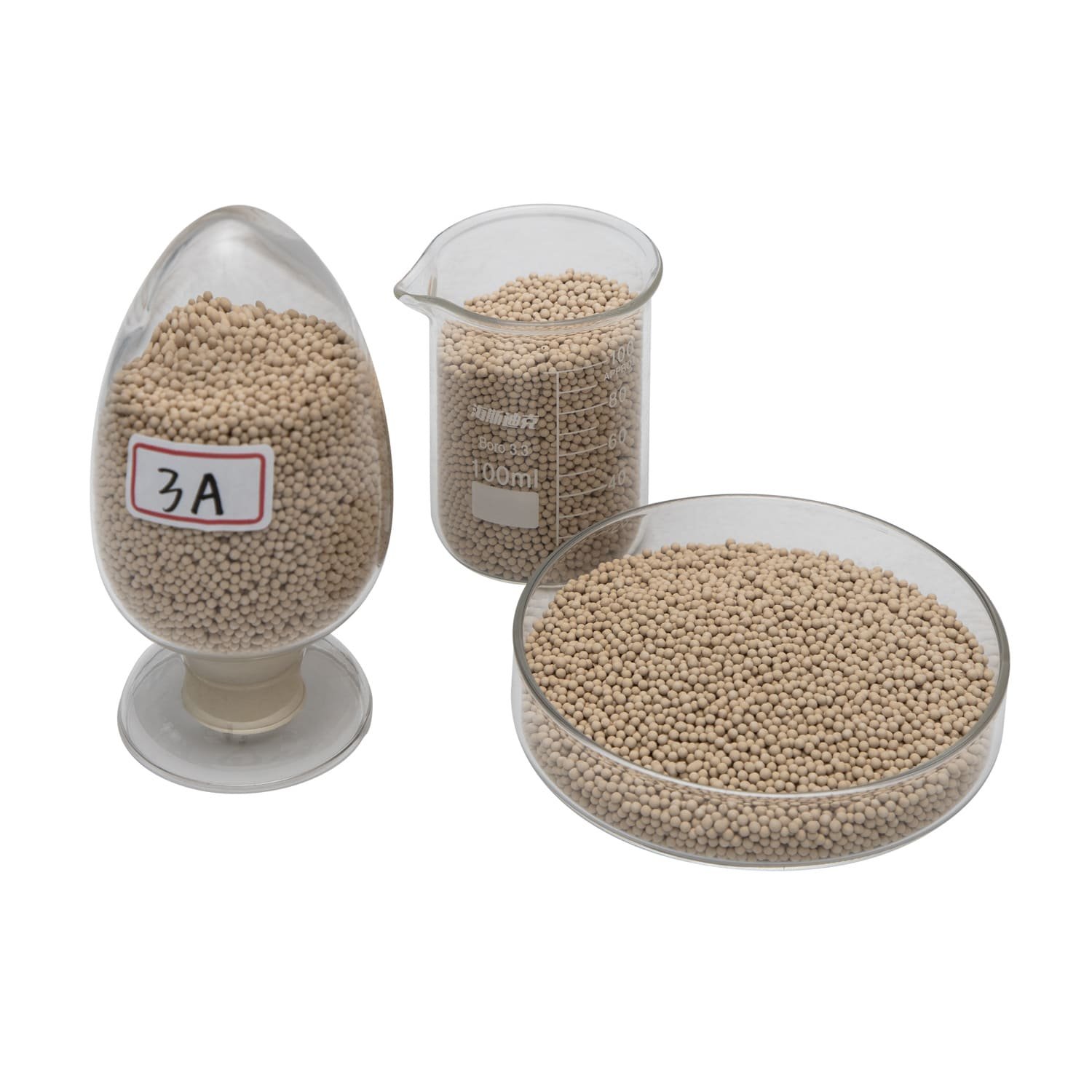
Let's get into the details of why this is possible. A molecular sieve is a crystalline material with a very precise and uniform pore structure, like a microscopic honeycomb. When a gas or liquid passes through it, molecules small enough to fit get trapped inside these pores. This is called physical adsorption. It's like a sponge soaking up water. The sponge itself doesn't change chemically. You can squeeze the water out and use the sponge again. The same logic applies here. The molecular sieve's crystal structure is very strong and stable. The regeneration process[^3] is designed to "squeeze" the trapped molecules out without damaging this structure. A good regeneration cycle will completely clean out the pores, returning the sieve to its original high-performance state[^4]. With the right procedure, a single batch of molecular sieves[^1] can go through hundreds, or even thousands, of adsorption-regeneration cycles[^5]. This makes them a very cost-effective solution for purification and drying in the long run.
What Are The Main Methods For Regeneration?
Do you need to regenerate your sieves but don't know how? Using the wrong method can be ineffective or even damage them. Let's look at the four main techniques I use.
There are four main regeneration methods. These are thermal regeneration[^6] (heating), vacuum regeneration[^7] (lowering pressure), purge regeneration[^8] (using a clean gas), and combined methods[^9]. The best choice depends on your specific application and the substance you need to remove from the sieve.
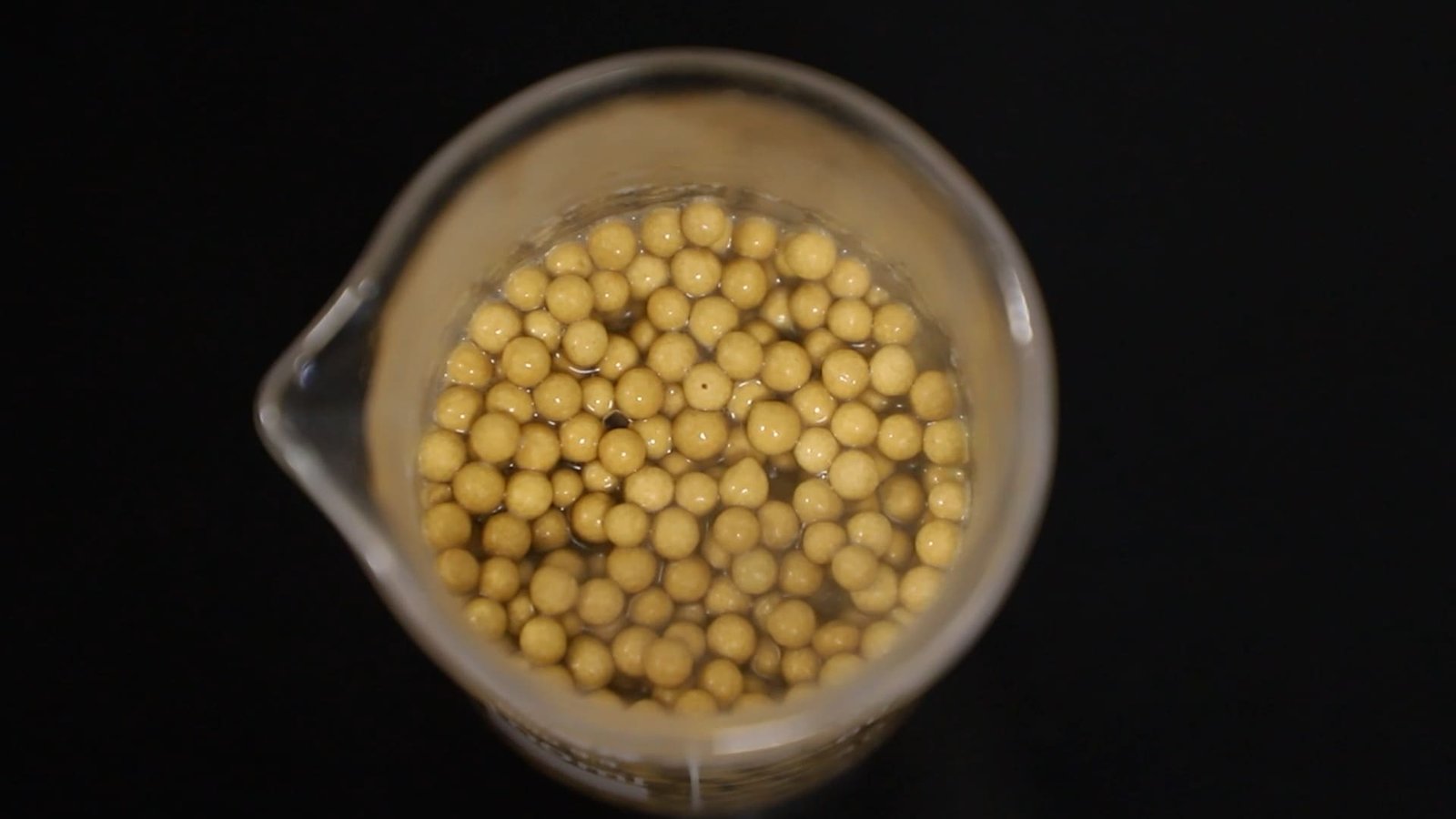
Choosing the right regeneration method is critical for success. Each technique works on a different principle to force the adsorbed molecules out of the sieve's pores. I've worked with clients on all of these, and the best choice always depends on the job. For example, a system designed for deep drying will often rely on heat, while a pressure-based separation system will use changes in pressure. Understanding these options helps you maintain the efficiency and extend the life of your molecular sieves[^1]. Let's break them down in a simple table so you can see the differences clearly.
The Four Regeneration Techniques
| Method | Principle | Best For | Key Consideration |
|---|---|---|---|
| Thermal Swing | Increases temperature to give adsorbed molecules energy to escape the pores. | Removing strongly adsorbed molecules like water. | Must control temperature carefully to avoid damaging the sieve structure. |
| Pressure Swing | Reduces the system pressure, which lowers the force holding molecules in the pores. | Gas separation where product purity is key, like in oxygen generation. | Requires robust vacuum pumps or pressure-reducing equipment. |
| Purge Gas | A clean, dry gas flows through the sieve, displacing the adsorbed molecules. | Continuous processes and when a clean gas stream is readily available. | The purge gas must be free of the contaminant you are trying to remove. |
| Combined Method | Uses a combination, like heated purge gas or vacuum with mild heat. | Difficult applications with multiple contaminants or for achieving very low dew points. | Can be more complex and expensive to set up but offers the best performance. |
How Does Regeneration Work In Air Separation Units?
Are you running an air separation unit and worried about downtime? Continuous operation is critical for making a profit. The secret is in a smart, non-stop regeneration process[^3].
In air separation, a multi-tower system is used. While one tower adsorbs impurities like water and CO2 from the air, a second tower is regenerated at the same time. This continuous cycle ensures a constant supply of purified air[^10] without any interruption.
This process is usually called Pressure Swing Adsorption[^11], or PSA. It's a brilliant piece of engineering that I see in many of my clients' facilities. Imagine you have two identical towers, Tower A and Tower B, both filled with our 13X-APG molecular sieves[^1]. The process starts with compressed air entering Tower A. The sieves grab onto all the water and carbon dioxide, allowing pure nitrogen or oxygen to pass through. After a few minutes, the sieves in Tower A start to get saturated. At this exact moment, the system automatically switches the airflow to Tower B, which is fresh and ready to go. Now, while Tower B is doing the adsorption work, the system starts regenerating Tower A. It does this by rapidly dropping the pressure in Tower A. This sudden pressure drop causes the trapped water and CO2 molecules to release from the sieves. A small stream of the pure product gas is often used to "purge" or flush these unwanted molecules out of the tower. Once Tower A is clean and Tower B is getting full, the system switches back. This cycle repeats over and over, 24/7. It's a continuous, automated loop that guarantees a steady flow of high-purity gas.
Conclusion
Molecular sieves are fully reusable. By using heat, vacuum, or purge gas for regeneration, you can restore their activity, ensuring efficiency and long-term value in your industrial processes.
[^1]: Understanding molecular sieves is crucial for optimizing their use in various applications. [^2]: Explore the adsorption process to understand how molecular sieves capture and release molecules. [^3]: Learn about the regeneration process to maximize the efficiency and lifespan of your molecular sieves. [^4]: Discover techniques to maintain your molecular sieves in a high-performance state. [^5]: Understanding these cycles can help you maximize the utility of your molecular sieves. [^6]: Discover how thermal regeneration can effectively restore the performance of molecular sieves. [^7]: Find out how vacuum regeneration can be a key method for maintaining sieve efficiency. [^8]: Learn about purge regeneration to enhance your understanding of molecular sieve maintenance. [^9]: Explore combined methods to find the best regeneration strategy for complex applications. [^10]: Learn about the process of generating purified air and its applications in various industries. [^11]: Understanding PSA is essential for optimizing air separation processes in industrial settings.