Struggling with harmful sulfur compounds[^1] in your industrial gas streams? These impurities can damage equipment and violate environmental regulations, creating a costly problem that's hard to solve efficiently.
Molecular sieves desulfurize[^2] industrial gas by selectively adsorbing sulfur compounds like hydrogen sulfide (H₂S) and sulfur dioxide (SO₂). Their uniform pores[^3] trap these harmful molecules based on size and polarity, while allowing valuable gases to pass through, achieving deep purification.
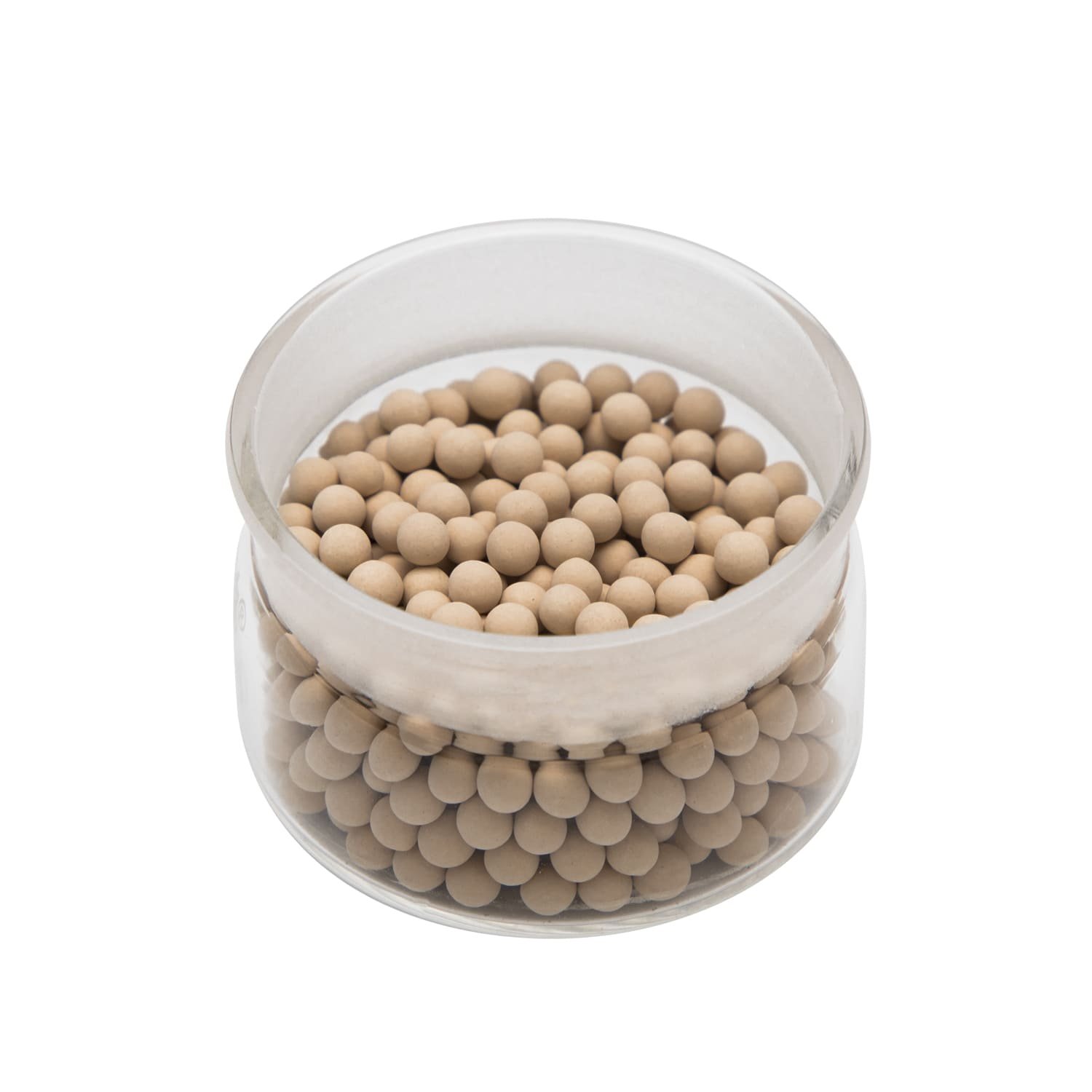
As a manufacturer, I've seen firsthand how critical effective purification is. It's not just about meeting standards; it's about protecting valuable assets and ensuring process efficiency. We've dedicated years to perfecting the technology that makes this possible. Let's explore how these amazing materials work to clean up industrial gases. It's a fascinating process that combines simple principles with advanced material science to solve a major industrial challenge.
How Do Molecular Sieves Remove Hydrogen Sulfide (H₂S)?
Is your natural gas or biogas contaminated with corrosive hydrogen sulfide? This "sour gas" can poison catalysts and degrade pipelines, leading to expensive maintenance and operational downtime.
Molecular sieves designed for desulfurization have a strong affinity for polar H₂S molecules[^4]. Cations on the sieve's surface attract and trap H₂S inside their pores, effectively removing it from gas streams like natural gas and biogas to meet stringent purity requirements.
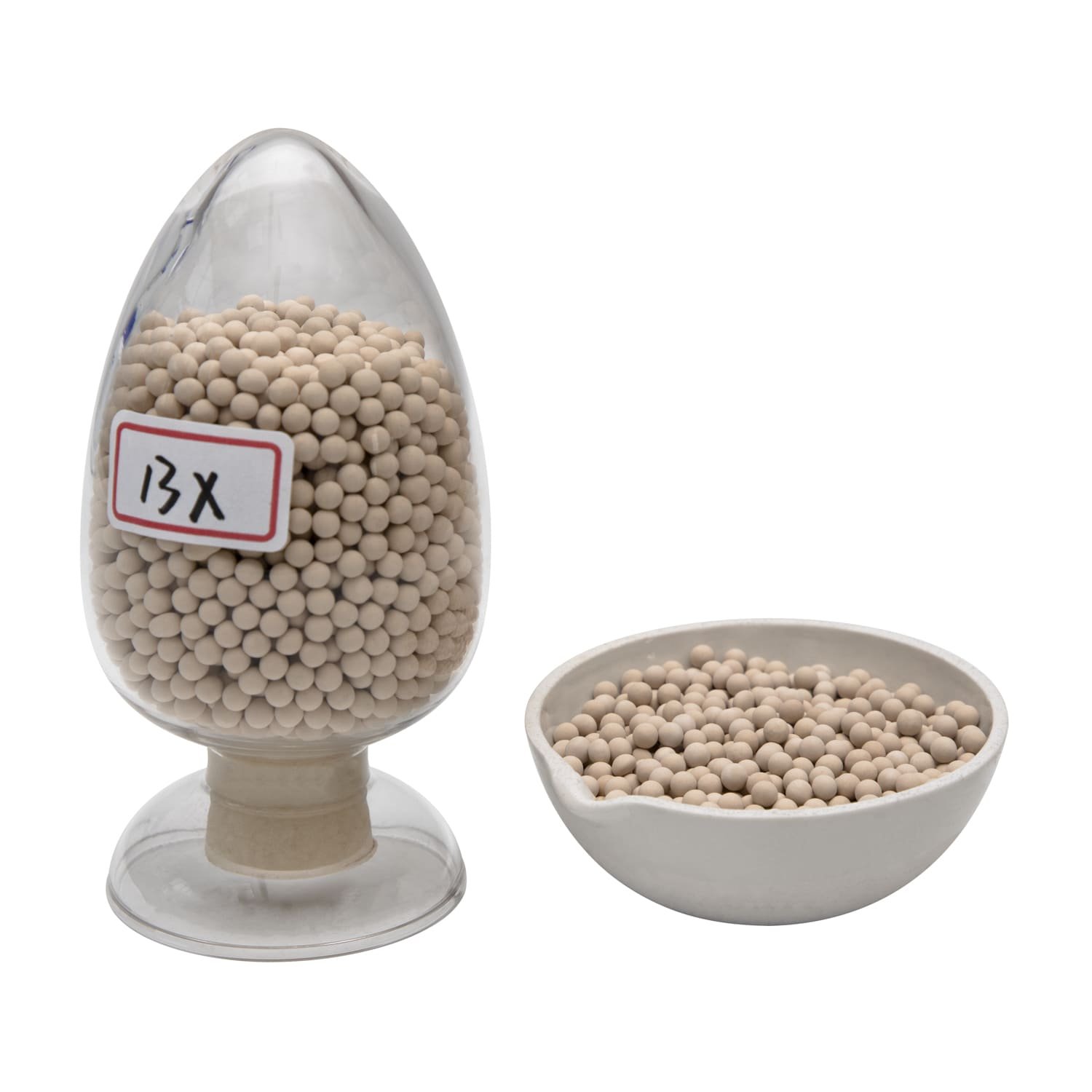
Let's dive deeper into how this works. I often explain it to clients by comparing it to a very specific kind of magnet. Our desulfurization-grade molecular sieves, like our 13X-HP model[^5], have a crystal structure filled with countless tiny pores and channels. The surfaces inside these pores are not neutral. They contain positive ions, specifically cations like Sodium (Na⁺) and Calcium (Ca²⁺). Hydrogen sulfide (H₂S) is a polar molecule, meaning it has a slight electrical charge imbalance. This polarity makes it act like a tiny magnet. When the H₂S molecules flow past the sieve, the cations on the sieve's surface create a strong electrostatic pull[^6]. This force is much stronger for H₂S than for non-polar molecules like methane (CH₄), the main component of natural gas. The sieve selectively pulls the H₂S molecules out of the gas stream and holds them tightly within its pores. This allows us to reduce H₂S levels to extremely low concentrations, often below one part per million (ppm).
| Gas Component | Polarity | Adsorption Strength | Result |
|---|---|---|---|
| Hydrogen Sulfide (H₂S) | High | Very Strong | Strongly adsorbed and removed |
| Methane (CH₄) | None | Very Weak | Passes through freely |
| Carbon Dioxide (CO₂) | Moderate | Moderate | Can be co-adsorbed but less strongly than H₂S |
This selective separation is what makes molecular sieves so powerful for deep desulfurization in natural gas processing, biogas upgrading, and refinery gas treatment. It's a precise, molecular-level filtering process.
Can Molecular Sieves Also Remove Sulfur Dioxide (SO₂)?
Are you dealing with low concentrations of sulfur dioxide in your process tail gas? This pollutant can be tricky to remove completely, posing environmental risks and process challenges.
Yes, molecular sieves effectively adsorb SO₂. The sulfur and oxygen atoms in the SO₂ molecule interact strongly with cation sites on the sieve's surface. Silver-ion (Ag⁺) modified sieves[^7] show an exceptionally high capacity for capturing SO₂ from gas streams.
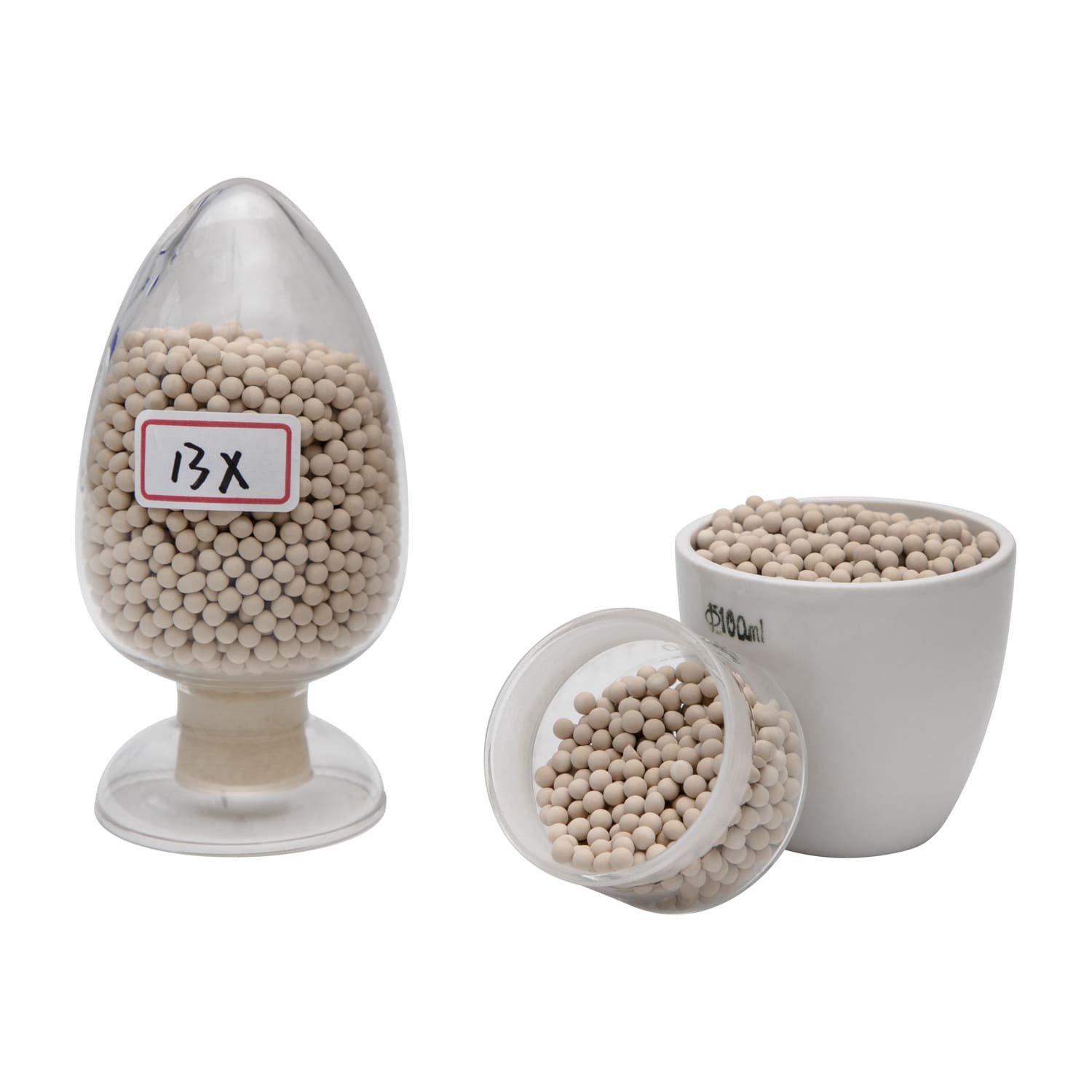
The mechanism for removing sulfur dioxide (SO₂) is quite similar to how we capture H₂S. SO₂ is also a polar molecule. The sulfur and oxygen atoms within it create charge imbalances that are strongly attracted to the cation sites inside the molecular sieve's structure. In my experience, while standard sieves work, performance can be dramatically enhanced through modification. For SO₂ removal, we've seen incredible results with silver-ion (Ag⁺) modified molecular sieves. The silver ions create highly active sites that have a special affinity for SO₂, leading to a much higher adsorption capacity and efficiency. This makes them perfect for polishing applications, like treating tail gas in fine chemical processes where you need to remove trace amounts of SO₂ to protect downstream catalysts or meet very strict emission limits.
However, it's important to choose the right tool for the job. For high-concentration SO₂ streams, like the flue gas from a coal-fired power plant, a different technology is usually more economical. Wet flue-gas desulfurization using a limestone-gypsum process is the industry standard there. But even in those plants, our desulfurization-grade molecular sieves can play a crucial role. They are often used for fine-tuning and polishing the gas downstream, ensuring that the final emissions are as clean as possible.
| Application Scenario | SO₂ Concentration | Recommended Technology | Why? |
|---|---|---|---|
| Power Plant Flue Gas | High | Wet Scrubbing | More economical for bulk removal |
| Fine Chemical Tail Gas | Low to Trace | Modified Molecular Sieves | High efficiency for deep purification |
| Gas Purification | Low | Modified Molecular Sieves | Protects sensitive catalysts and equipment |
Why Are Our Molecular Sieves Ideal for Desulfurization?
Are you looking for a desulfurization solution that is not just effective, but also reliable and consistent? In large-scale industrial operations, product instability can lead to catastrophic failures and costly downtime.
Our desulfurization-grade molecular sieves are made on a top-tier, fully automated production line. This ensures precise pore sizes, high surface area, and exceptional batch-to-batch consistency, delivering powerful and versatile performance for industrial gas control.
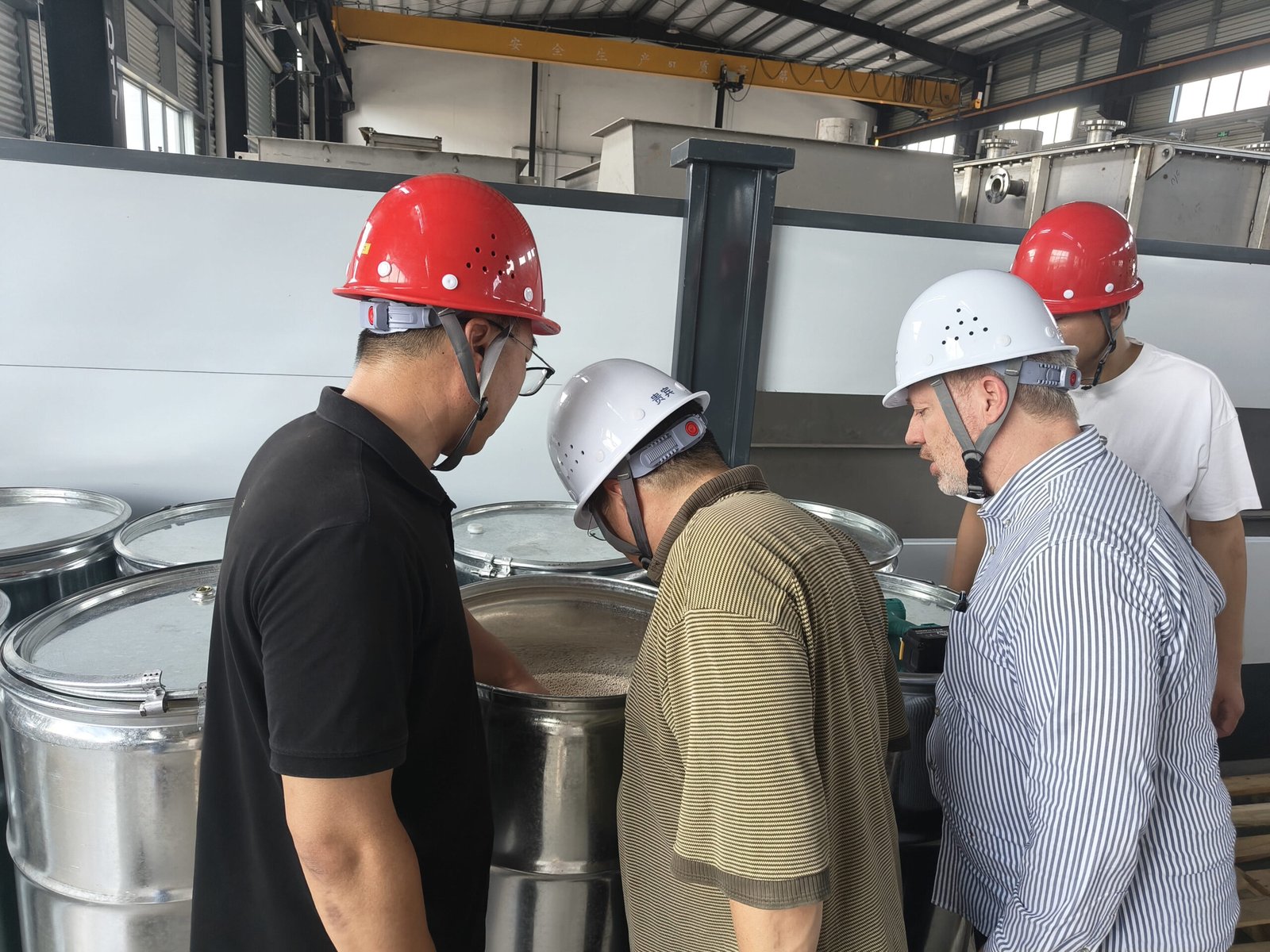
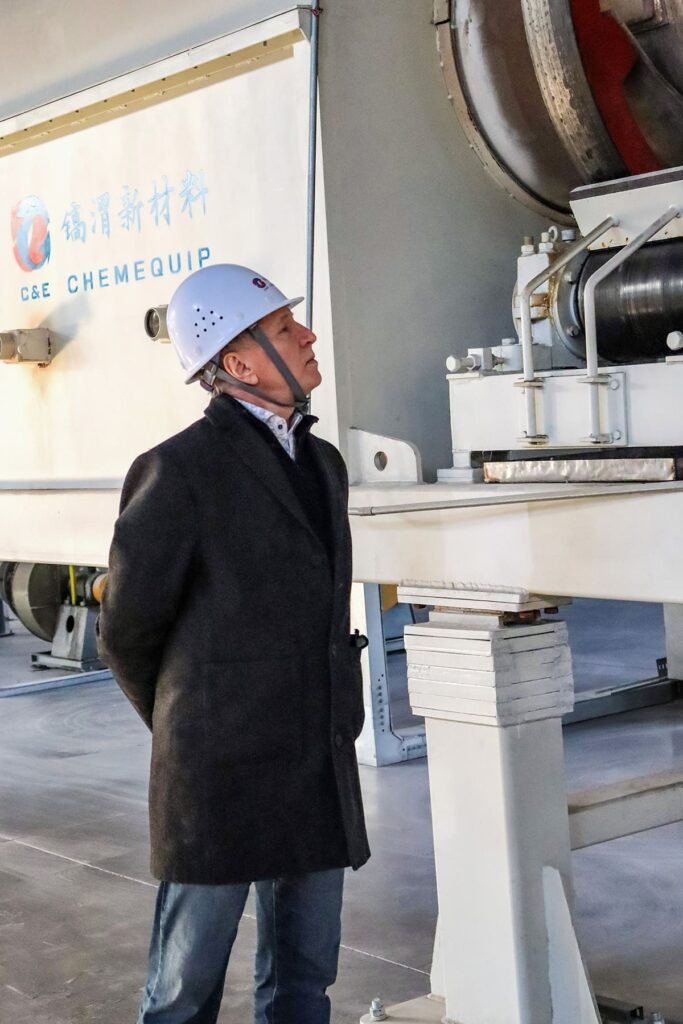
I've been in the chemical industry for over 20 years, and I can tell you that the foundation of a premium product is a superior production line. That’s why we invested over RMB 8 million in our fixed assets. Our production line is fully automated, which minimizes human error and guarantees a level of product stability that our competitors struggle to match. One of our key advantages is our forming process. Many manufacturers use a "sugar-coating pan" method, which can result in non-uniform particles, higher dust, and lower mechanical strength. We use a granulator-based forming process[^8]. This gives our molecular sieve spheres a more uniform particle size, makes them much stronger, and significantly reduces the tendency to powder. For our clients, this means less pressure drop[^9] in their adsorbent beds, longer service life, and more reliable performance.
Industry experts who have toured our facility have rated our production line as top-tier in China. One even said, "A superior production line is the foundation of premium products." This isn't just about having new machines; it's about aligning our entire process, from raw material formulation to final quality control, with international standards. This commitment to quality is why we've become a trusted OEM/ODM partner for global brands. They come to us because they need a reliable, large-scale manufacturer that can deliver a high-performance product consistently. Our massive production capacity[^10] and short lead times mean we can have a container ready in just 10 days, ensuring our partners never face a supply shortage.
Conclusion
In short, molecular sieves offer a precise and powerful solution for industrial desulfurization[^11]. Their unique structure selectively removes harmful sulfur compounds, ensuring process efficiency and environmental compliance.
[^1]: Understanding the impact of sulfur compounds can help you appreciate the importance of removing them from industrial gas streams. [^2]: Learn how molecular sieves work to purify gas streams, ensuring compliance with environmental standards and protecting equipment. [^3]: Discover how uniform pores in molecular sieves contribute to effective adsorption of sulfur compounds, enhancing purification efficiency. [^4]: Understand the interaction between polar H₂S molecules and molecular sieves, crucial for effective desulfurization. [^5]: Explore the specific characteristics of the 13X-HP model that make it effective for desulfurization applications. [^6]: Learn about the electrostatic forces that enable molecular sieves to selectively adsorb sulfur compounds from gas streams. [^7]: Discover how Silver-ion modification enhances the adsorption capacity of molecular sieves for sulfur dioxide removal. [^8]: Understand how the granulator-based forming process improves the quality and performance of molecular sieves. [^9]: Learn about the impact of pressure drop on adsorbent beds and how it influences the efficiency of gas purification systems. [^10]: Explore the advantages of having a large production capacity, ensuring timely supply and meeting global demand. [^11]: Understand the benefits of using molecular sieves for industrial desulfurization, including efficiency and environmental compliance.