Storing coatings with metal pigments is risky. Moisture can cause dangerous gas buildup. Are you facing this challenge?
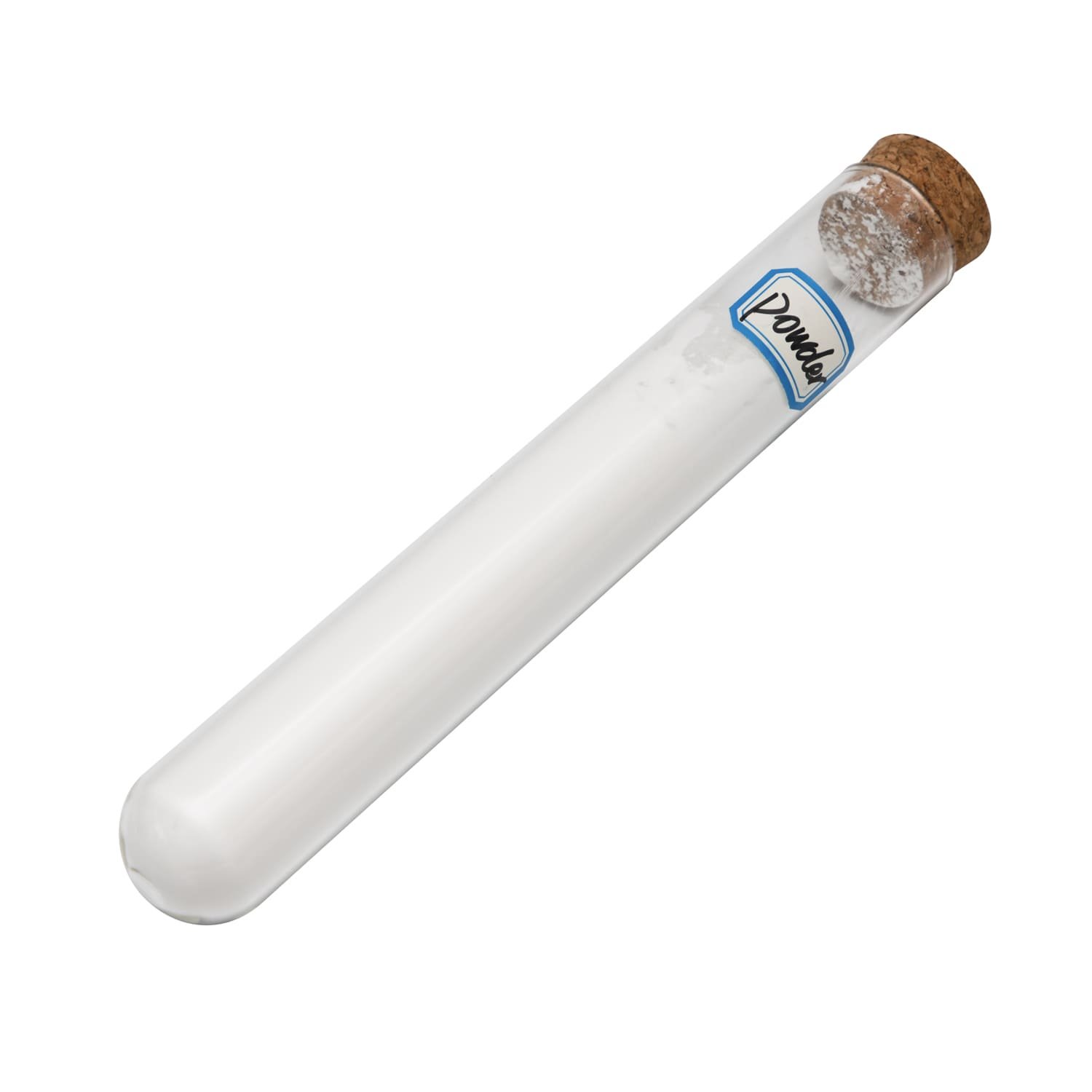
Activated molecular sieve powder is a super-fine adsorbent added to formulations. It traps hidden moisture, preventing reactions that produce gas. This keeps your products stable and safe, extending their shelf life and ensuring quality.
I remember a client who had a major issue with their zinc-rich primers. Their containers were bulging on the shelf, and they were rightly worried about safety and product loss. This problem is more common than you might think, but the solution is surprisingly simple. It all comes down to controlling something you can't even see: tiny amounts of water. Let's explore how a simple powder can be the ultimate fix and why it's so important for your formulations.
What Makes Activated Molecular Sieve Powder a Special Kind of Adsorbent?
Standard desiccants are often not fine enough or compatible with liquid systems. They can clump or fail to disperse, leaving moisture behind. Is this causing inconsistent results in your batches?
Activated molecular sieve powder is made by heating raw sieve powder to remove all internal water. This process "activates" it, giving it a strong attraction to moisture and a fine texture that disperses easily in liquids like paints and sealants.
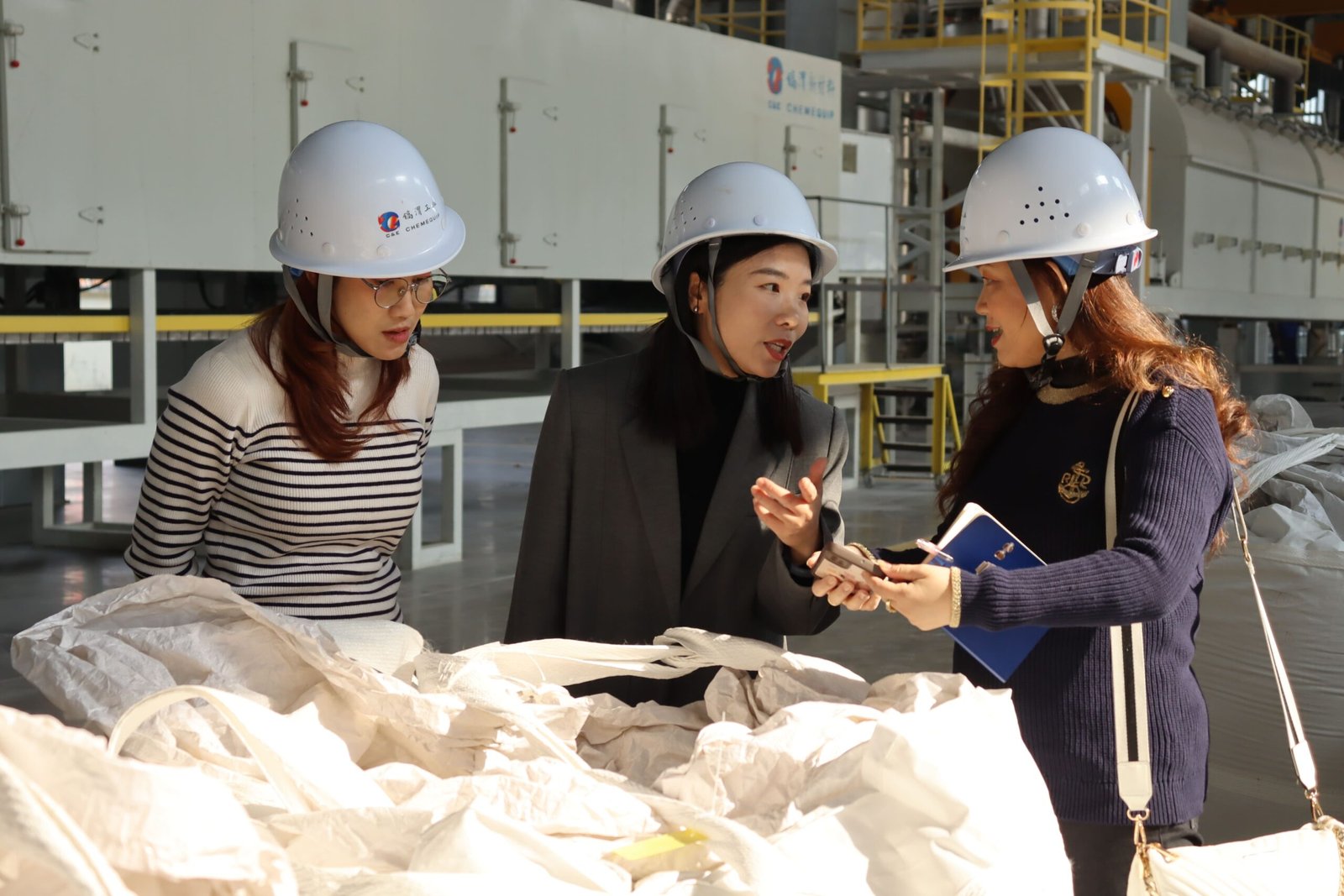
To really understand what makes this powder special, we have to look at how it's made. We start with a raw molecular sieve powder, which already has a unique crystalline structure full of tiny, uniform pores. However, in its natural state, these pores contain water molecules. The activation process is where the magic happens. We heat this raw powder in a process called calcination. This high-temperature process drives out all the water, leaving the pore structure completely empty.
The result is a powder that is incredibly "thirsty." It's now in a high-energy, or "activated," state. Its natural tendency is to pull moisture from its surroundings to fill its empty pores and return to a lower energy state. This gives it a very strong and fast adsorption capability.
Here’s a simple breakdown of its key features:
| Feature | What It Means for You |
|---|---|
| High Adsorption Activity | It quickly and effectively grabs onto stray water molecules within your formulation. |
| Excellent Dispersion | The ultra-fine particle size allows it to mix evenly without clumping, ensuring no "wet spots" are left behind. |
| Thermal Stability | It's created at high temperatures, so it remains stable during your production processes. |
Unlike other desiccants that might be too large or slow, activated powder works on a microscopic level, providing protection throughout the entire volume of your product.
Why is Even a Tiny Amount of Water So Dangerous in Coatings?
You follow your formulation perfectly, but the final product fails during storage. Cans are bulging, and quality is inconsistent. Could hidden moisture be the secret culprit destroying your work?
Trace water in solvents, pigments, or additives reacts with active ingredients, especially metal pigments like zinc or aluminum. This chemical reaction produces hydrogen gas, which builds up pressure inside sealed containers, creating a serious safety hazard.

It’s easy to underestimate the damage a little water can do. In many standard formulations, it might only cause minor issues. But in systems containing reactive components, it’s a major problem. I've seen this firsthand with clients who work with metal-rich paints. They couldn't figure out why their sealed paint cans were swelling up. The cause was a simple chemical reaction between the active metal pigment and water.
The Gas-Producing Reaction
In formulations like zinc-rich primers or aluminum paints, the metal particles are there to provide corrosion protection. But these metals are also highly reactive with water. The basic reaction looks like this:
Metal + Water → Metal Hydroxide + Hydrogen Gas
Even a tiny amount of water, maybe from a solvent that wasn't completely dry or from the pigment itself, can kickstart this process. The hydrogen gas it produces is the real problem. It accumulates in the sealed container, and the pressure starts to build.
The Consequences of Unchecked Moisture
| Problem | Description | Impact on Your Business |
|---|---|---|
| Pressure Buildup | Hydrogen gas accumulates, causing cans to bulge, lids to pop, or even rupture. | Creates a serious safety risk for storage and transport. Can lead to fires or injuries. |
| Reduced Shelf Life | The ongoing reaction degrades the active ingredients in your formulation. | Product becomes unusable before it even reaches the customer, leading to waste and returns. |
| Poor Performance | The chemical changes can affect viscosity, curing, and the final protective properties of the coating. | Leads to customer complaints, damage to your brand's reputation, and application failures. |
This isn't just about losing a can of paint; it's about safety, reputation, and the financial cost of product failure. That’s why removing that water from the very start is not just an option, it's a necessity.
How Can You Use Activated Powder to Protect Your Products?
You need a reliable way to remove moisture without changing your core formula. Adding another liquid isn't an option, and standard filters don't work. How can you solve this simply?
Our activated molecular sieve powder is designed for easy integration. Its fine particles disperse evenly into paints, adhesives, and sealants. It acts as a scavenger, actively removing moisture before it can cause any damage or unwanted reactions.
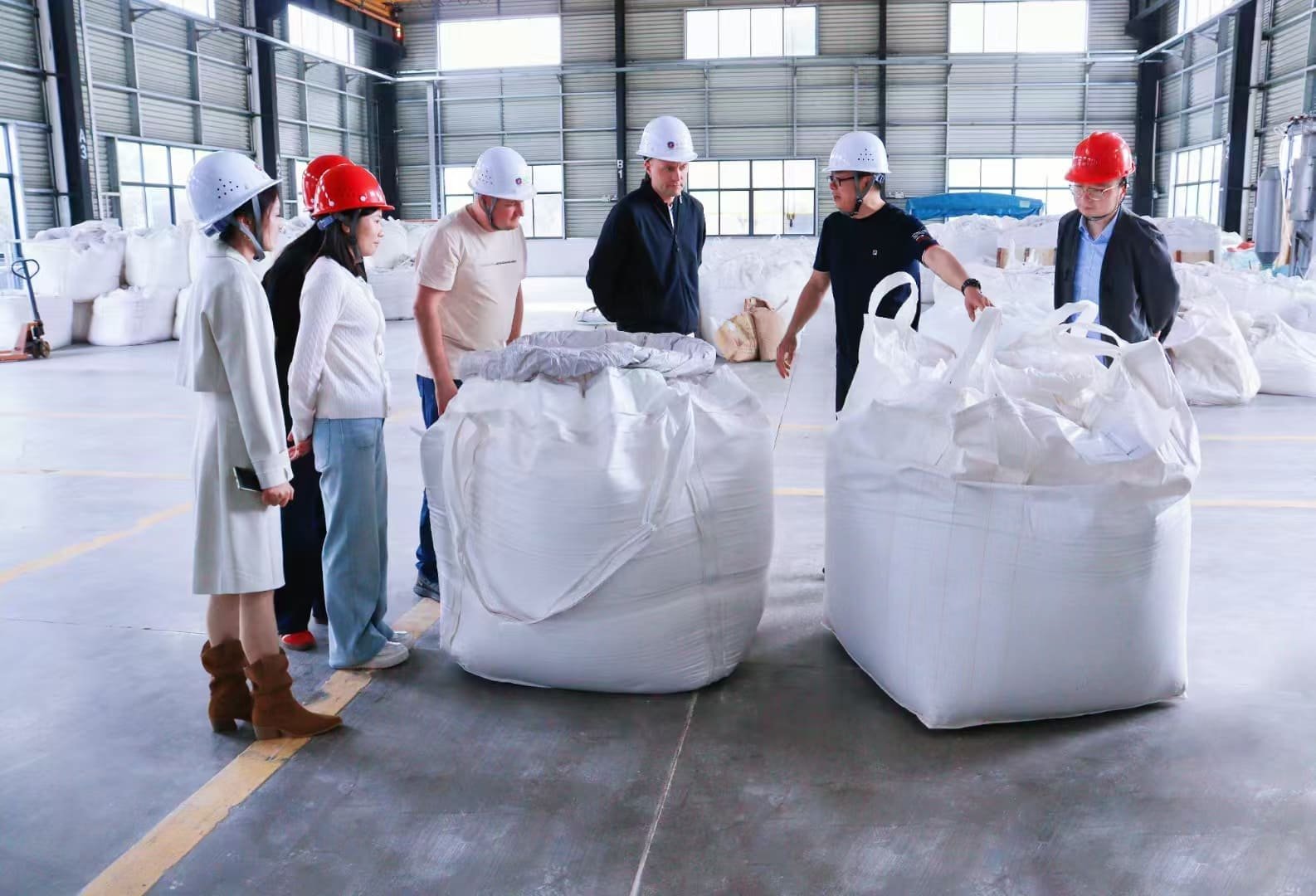
The best part about using activated powder is how seamlessly it fits into existing production processes. Because it’s a very fine, dry powder, it can be added during the milling or mixing stage of your formulation. It disperses throughout the liquid and immediately starts its work as a "moisture scavenger." It circulates with the other ingredients, finds and traps water molecules in its pores, and holds them permanently. This effectively removes the water from the equation, preventing it from reacting with anything else.
Let's look at some key applications where I’ve seen our customers have tremendous success:
1. Paints and Coatings
This is the most common application, especially for protective coatings. In zinc-rich primers and metallic paints, the powder prevents the reaction between the metal pigments and moisture. This stops hydrogen gas formation, so cans no longer bulge. The result is a safer product with a much longer, more stable shelf life.
2. Adhesives and Sealants
Many high-performance systems, like polyurethane (PU) adhesives and sealants, are extremely sensitive to moisture. Water can react with isocyanates, causing unwanted foaming (CO2 bubbles) and preventing a proper cure. This leads to weak bonds and sealant failure. Adding activated powder ensures a bubble-free cure and maximum bond strength.
3. Dehydrating Raw Materials
Sometimes, the problem isn't in the final mix but in the raw materials. Solvents and pigments can absorb moisture from the air before you even use them. Some of our clients use activated powder to pre-dry their solvents or pigments, ensuring they are starting their formulation with perfectly dry ingredients. This gives them an extra layer of quality control.
| Application | Moisture Problem | How Activated Powder Solves It |
|---|---|---|
| Zinc-Rich Primers | Reacts with zinc to produce hydrogen gas. | Traps water before it can react, preventing pressure buildup and bulging cans. |
| PU Sealants | Reacts with isocyanates, causing bubbles and poor curing. | Removes moisture to ensure a smooth, strong, bubble-free cure. |
| Metallic Automotive Paint | Causes pigment degradation and color shifts. | Protects the metallic flake, ensuring long-term stability and consistent color. |
By adding this simple ingredient, you are building safety and quality directly into your product.
What Makes Our Activated Molecular Sieve Powder a Better Choice for Your Business?
Not all powders are created equal. Poor dispersion, low activity, or high dust can mean you're just adding filler, not a solution. Are you sure your current adsorbent is actually working?
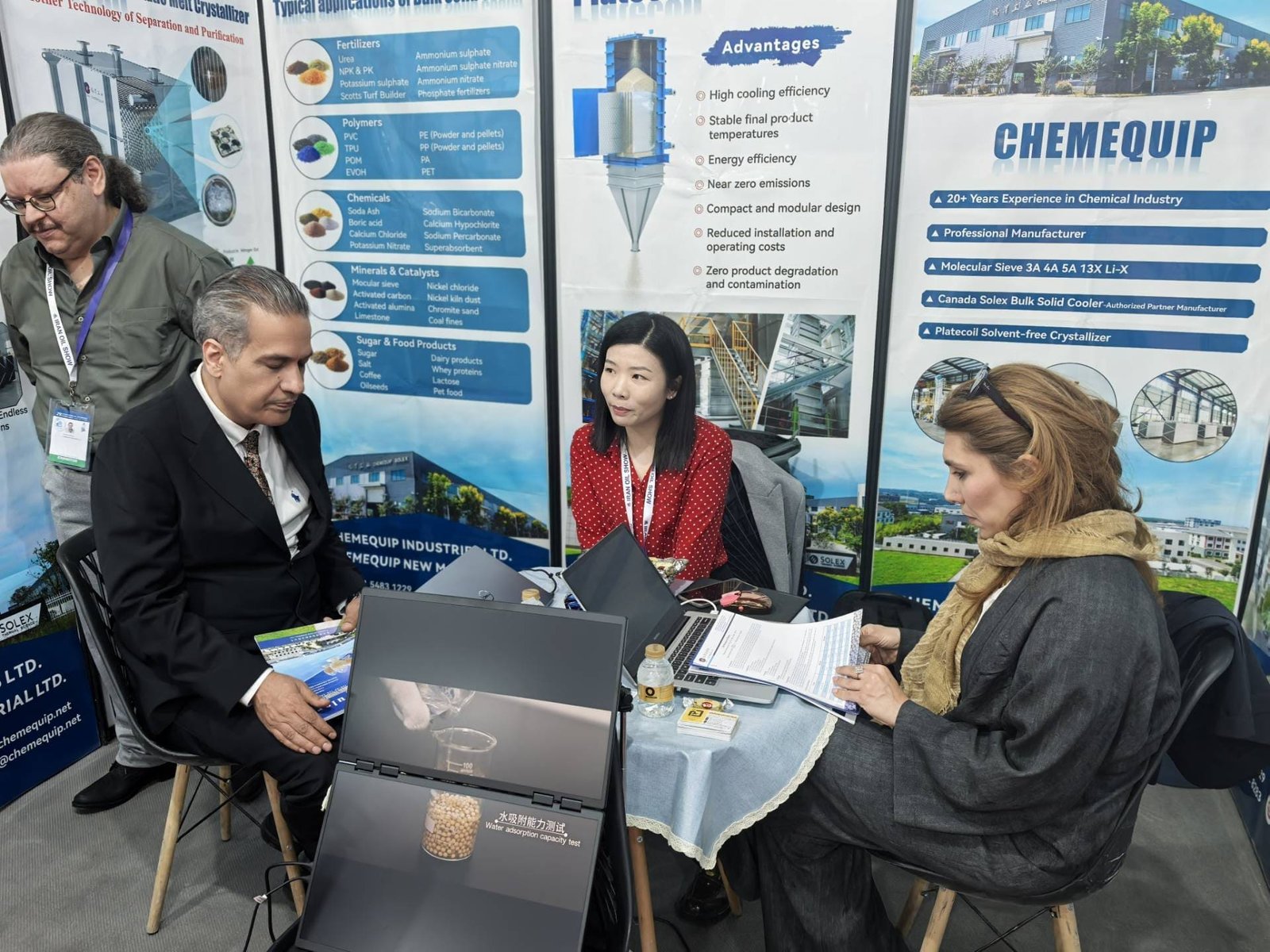
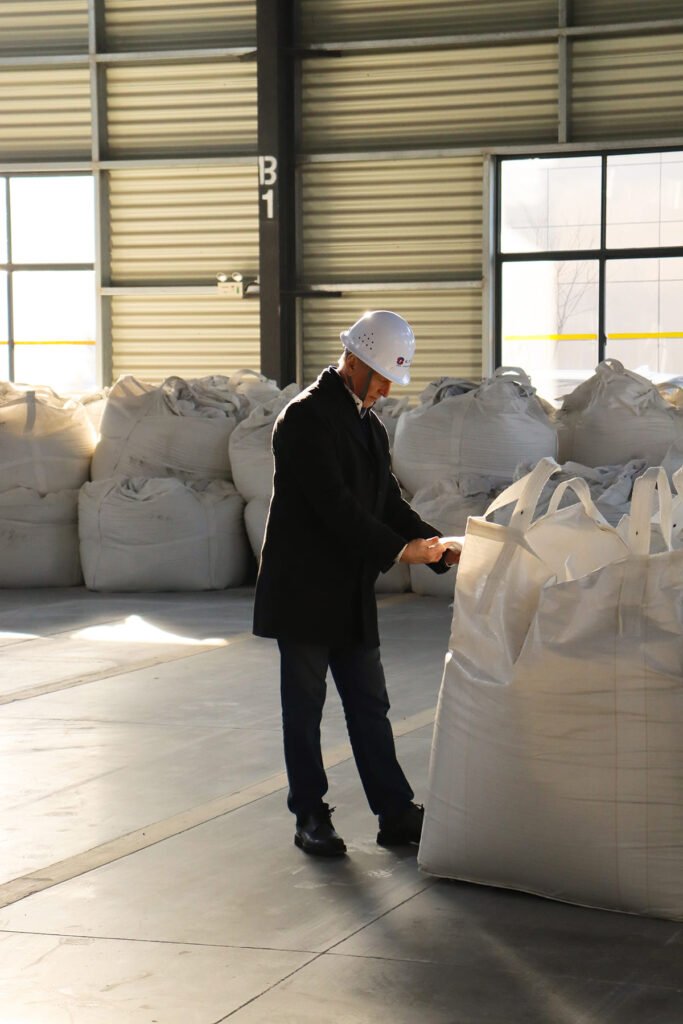
As a manufacturer, I know that the final product is only as good as the process that creates it. That's why we invested heavily in our production facility. We don't use older, less consistent methods. Instead, we focus on technology that delivers tangible benefits to our B2B clients.
The Foundation of a Premium Product
Our fully automated production line is the heart of our operation. It's a top-tier system in China, and it’s the foundation of everything we do. What does this mean for you?
- Consistency: The batch of powder you receive in December will be identical to the one you received in June. Automation removes human error and guarantees a stable, reliable product every single time. Your formulations will be more consistent as a result.
- Purity and Activity: Our controlled process ensures the powder is fully activated for maximum moisture adsorption. You get the highest performance possible, so you might even be able to use less of it to achieve the same result.
We’ve been in the chemical industry for 20 years. We understand the challenges of large-scale manufacturing and what international brands need from a supply partner. We built our process to deliver not just a product, but also peace of mind.
Conclusion
Activated molecular sieve powder is the key to removing moisture, preventing dangerous gas buildup, and ensuring the stability and safety of your coatings and formulations.