Skip to content
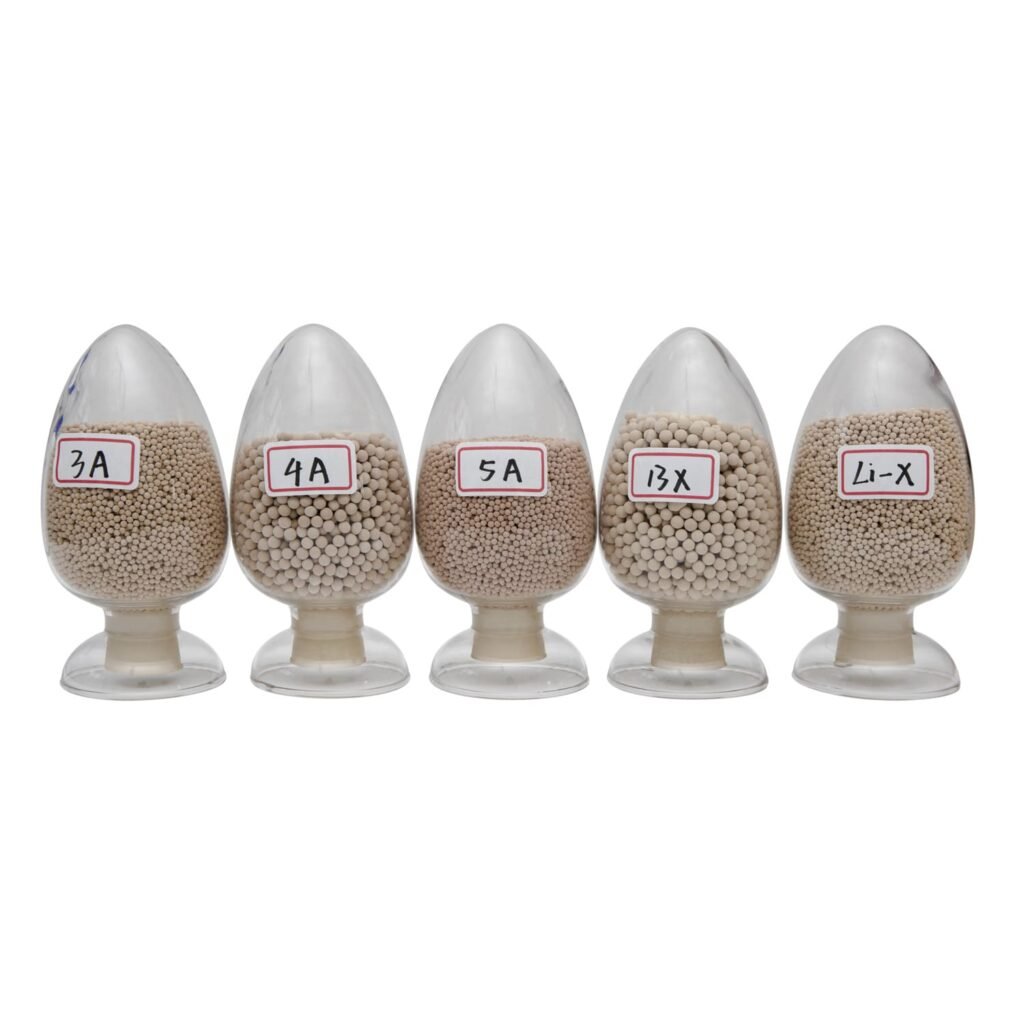
Worried about moisture ruining your expensive electronics? This hidden damage can cause rust and failure. We offer a simple, powerful solution to keep your gear safe and dry.
Molecular sieve desiccant bags[^1] are synthetic adsorbents[^2] with a unique pore structure. They aggressively trap water molecules, even in low humidity. This creates an ultra-dry environment, preventing corrosion and malfunction[^3] in sensitive electronics and precision instruments, ensuring they last longer and perform reliably.
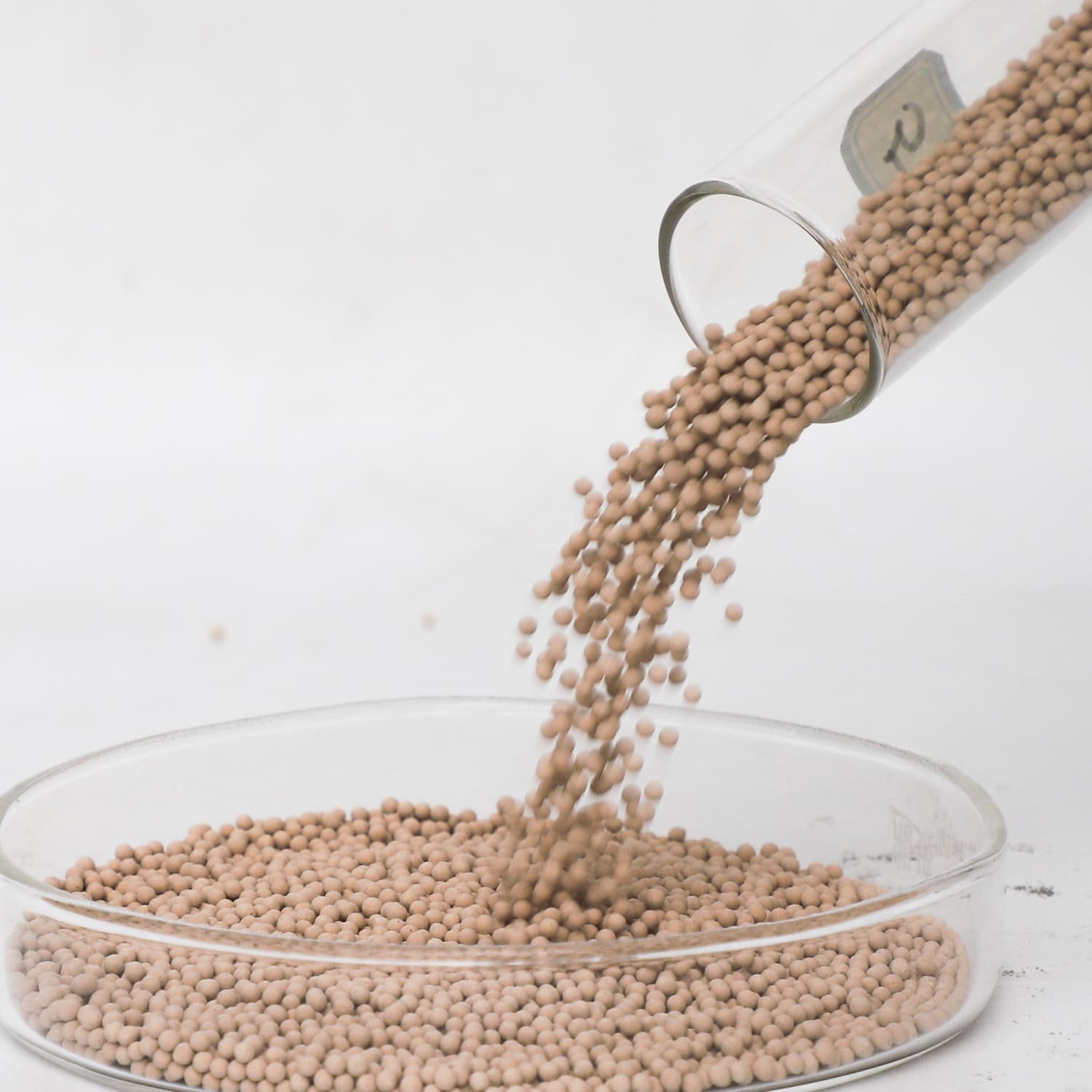
The silent threat of moisture can degrade performance and shorten the lifespan of your valuable equipment. It's a problem I've seen too many times. But how exactly does this protection work, and what makes it so effective? Let's explore the science behind it and why it's the professional's choice for safeguarding sensitive devices.
What Makes Molecular Sieves a Superior Desiccant for Electronics?
Using standard silica gel but still finding issues? It often stops working at low humidity. Our molecular sieves keep pulling moisture, offering total protection for your most sensitive items.
Unlike other desiccants, molecular sieves are crystalline aluminosilicates with uniform, molecular-sized pores. This structure allows them to selectively adsorb water molecules[^4] very strongly and rapidly. They maintain high efficiency even at very low relative humidity, a point where silica gel becomes much less effective.
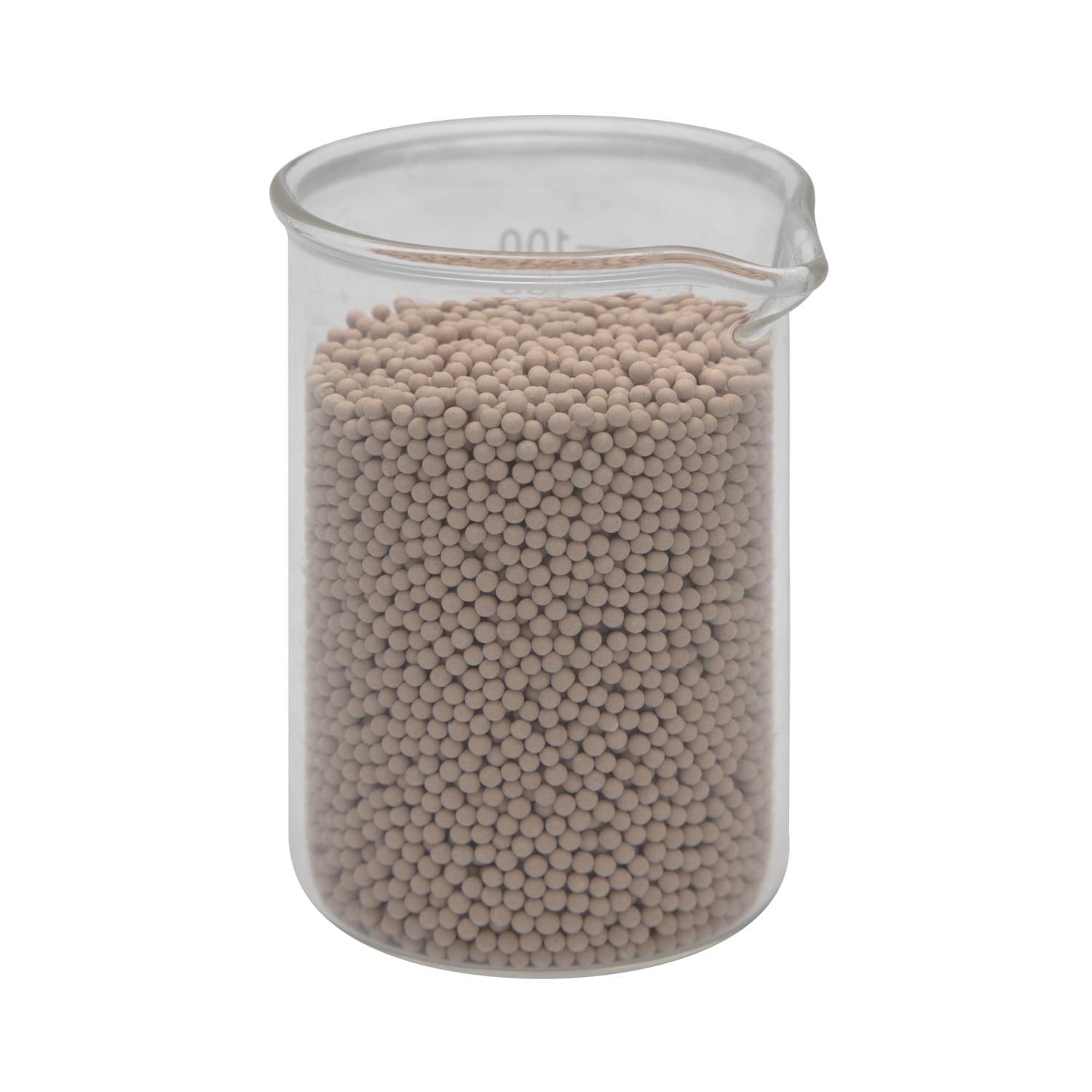
I've been in the chemical industry for over 20 years, and the structure of molecular sieves still fascinates me. Their power comes from their engineered design. They are not just a random absorbent material. They are synthetic crystals with a precise, three-dimensional pore network. This network is what gives them their name; it acts like a "sieve" on a molecular level. Water molecules are very small, so they fit perfectly into these pores and get trapped. Larger molecules, like the gases in the air, cannot enter. This selectivity is key. It means the desiccant focuses all its energy on removing water. This is especially important for electronics, where even a tiny amount of moisture can start a chain reaction of corrosion on a circuit board. Let's compare it to other common desiccants.
Desiccant Performance Comparison
| Feature | Molecular Sieve | Silica Gel | Clay Desiccant |
|---|---|---|---|
| Adsorption at Low RH (<20%) | Excellent | Poor | Poor |
| Adsorption Speed | Very Fast | Moderate | Slow |
| Structure | Crystalline, Uniform Pores | Amorphous, Random Pores | Natural, Variable Pores |
| Best For | High-value electronics, optics | General packaging, clothes | Bulk shipping, containers |
This table shows why we recommend molecular sieves for high-stakes applications. Their ability to create and maintain an ultra-dry environment[^5] is simply unmatched.
Which Devices Need Protection from Moisture Damage?
You store your camera in a case, but is it truly safe? Condensation can form inside, fogging lenses and corroding contacts. A simple desiccant bag prevents this costly damage.
Any device with sensitive electronics, optics, or mechanical parts is vulnerable to moisture. This includes cameras, lenses, scientific instruments, hearing aids, computers, and military equipment. Moisture can cause short circuits, corrosion, fogging, and fungal growth, leading to malfunction and permanent damage.

Over the years, our clients have come to us to protect an incredible range of products. It's not just about the obvious things like cameras. The list is long because modern technology is everywhere, and it's all sensitive to humidity. Think about the components inside. You have microchips, circuit boards, and tiny metal connectors. A little moisture can cause a short circuit or start the process of oxidation, which is just a fancy word for rust. Once that starts, it's hard to stop. We've helped companies protect everything from advanced medical devices to communications equipment used in harsh environments. The key is to be proactive, not reactive. You want to prevent the damage before it ever starts.
Key Applications for Moisture Protection
| Category | Specific Examples | Type of Damage Prevented |
|---|---|---|
| Optics & Photography | Cameras, Lenses, Telescopes, Drones | Lens fungus, internal fogging, sensor damage |
| Precision Instruments | Lab equipment, measuring tools, lasers | Corrosion of sensors, inaccurate readings |
| Consumer Electronics | Hearing aids, smart watches, hard drives | Short circuits, battery failure, data loss |
| Military & Aerospace | Avionics, communication gear, weapons | Component failure, corrosion, unreliability |
| Household Appliances | High-end audio systems, projectors | Internal rust, circuit board degradation |
As you can see, the need is widespread. If a device is valuable and relies on delicate internal parts, it needs protection from moisture. It's a small investment to protect a much larger one.
How Do You Choose the Right Molecular Sieve Desiccant Bag?
Picking a desiccant can be confusing. Too small, and it's useless. Too big, and you're wasting money. Let us help you find the perfect size for your needs.
Choosing the right bag depends on the volume of the sealed container, the initial humidity, and the desired level of dryness. As a general rule, you need to calculate the amount of moisture to be removed and select a bag with sufficient capacity. We offer customized packaging solutions.
I often get asked, "How many grams do I need?" There isn't a single magic number. It's about a few key factors. First, consider the container. Is it a small, airtight camera case or a large equipment cabinet? The bigger the space, the more desiccant you'll need. Second, think about the item itself. Some materials, like wood or paper, hold moisture and will release it into the air inside the container. You need to account for that. Third, how long does the protection need to last? For long-term storage, you might need a larger bag. Our team can help with these calculations, but a good starting point is to understand the basics.
Factors for Selecting Desiccant Bag Size
- Volume of Air: The primary factor. Calculate the internal volume of your sealed container (Length x Width x Height).
- Container Permeability: How well does your container seal? A plastic bag is more permeable than a metal box. A poor seal lets in more moisture over time, requiring more desiccant.
- Storage Time: For long-term storage (over 6 months), you should consider increasing the amount of desiccant.
- Initial Conditions: The initial temperature and humidity when you seal the package will affect how much water needs to be absorbed.
As a manufacturer, we can create custom-sized bags for specific OEM/ODM applications. This ensures you get the exact amount of protection you need without any waste. We can tailor the packaging material and size to fit perfectly within your product's case.
Why Partner with Us for Your Desiccant Needs?
Tired of inconsistent quality and supply chain delays? These issues can halt your production. Our automated factory provides stable, high-quality products with reliable lead times, every single time.
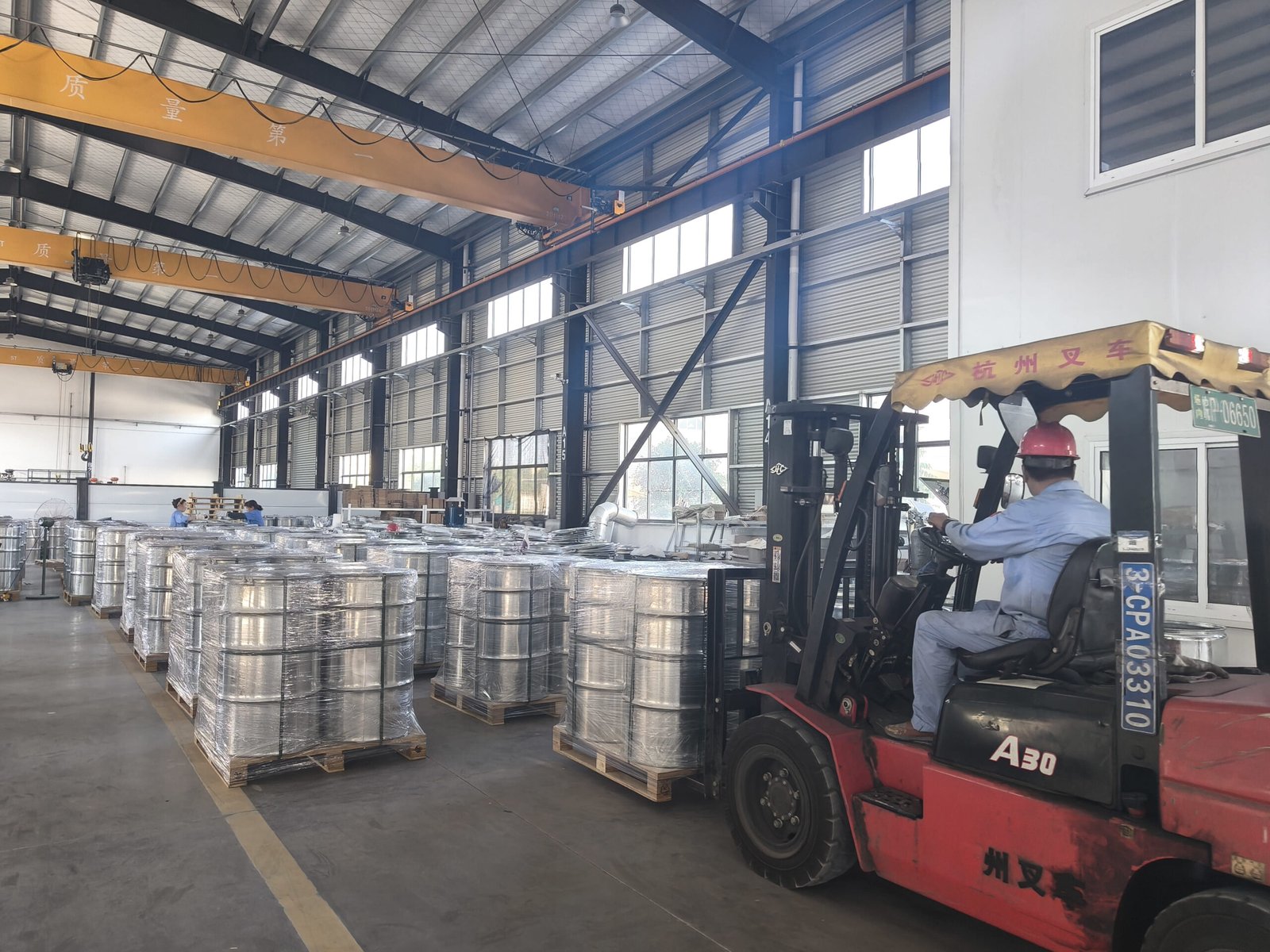
We are a professional B2B manufacturer, not a retailer. We specialize in high-quality molecular sieves produced on fully automated lines. This ensures stable quality, high strength, and low dust. We offer OEM/ODM services, custom packaging, and a reliable supply chain for global brands and distributors.
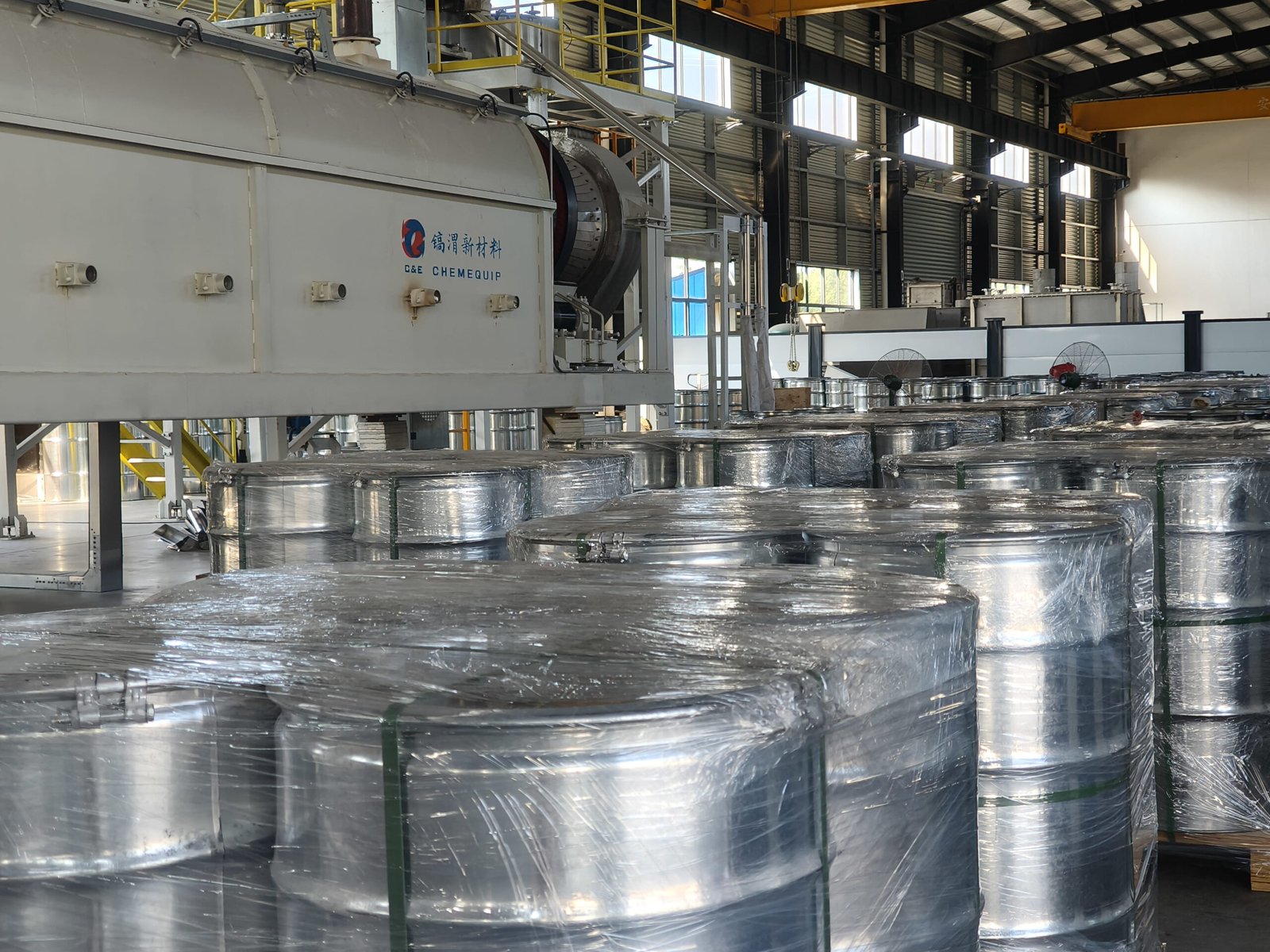
Our commitment is to our B2B partners. We've invested heavily in our production capabilities because we know that quality starts at the source. Our factory features a fully automated production line, a significant upgrade from the older, less consistent methods used by many others. This RMB 8 million investment means our products have more uniform particle size and higher mechanical strength. What does this mean for you? It means less dust, which is critical when protecting sensitive electronics and optics. It also means every batch meets the same high standard. We're not just a supplier; we are a manufacturing partner. We work with international brands to develop custom solutions. We can handle large-scale orders and offer flexible cooperation models for distributors and wholesalers. Our 20 years in the industry have taught us the importance of stability and trust.
Our Advantages as Your Partner
| Advantage | Benefit for Your Business |
|---|---|
| Fully Automated Production | Consistent, stable product quality with less dust. |
| Advanced Granulator Process | Higher strength and more uniform beads. |
| Large Production Capacity | Short lead times, even for large orders (a container in 10 days). |
| OEM/ODM Specialization | We can create custom products and packaging for your brand. |
| 20 Years of Experience | We understand the needs of international brands and distributors. |
We are here to provide a reliable foundation for your products, ensuring they are protected by the best desiccants on the market. We welcome you to visit our factory and see the difference for yourself.
Conclusion
In short, molecular sieve desiccant bags offer superior protection for valuable electronics. Partner with us for reliable, high-quality, and customized solutions to safeguard your products from moisture damage[^6].
[^1]: Explore the science behind molecular sieve desiccant bags and their effectiveness in protecting electronics. [^2]: Learn about synthetic adsorbents and how they are used in various industries for moisture control. [^3]: Understand the factors leading to corrosion and malfunction in electronic devices due to moisture. [^4]: Find out how certain materials can selectively adsorb water molecules and their applications. [^5]: Discover methods to maintain an ultra-dry environment to protect sensitive electronics from moisture. [^6]: Learn about moisture damage in electronics and effective prevention methods.