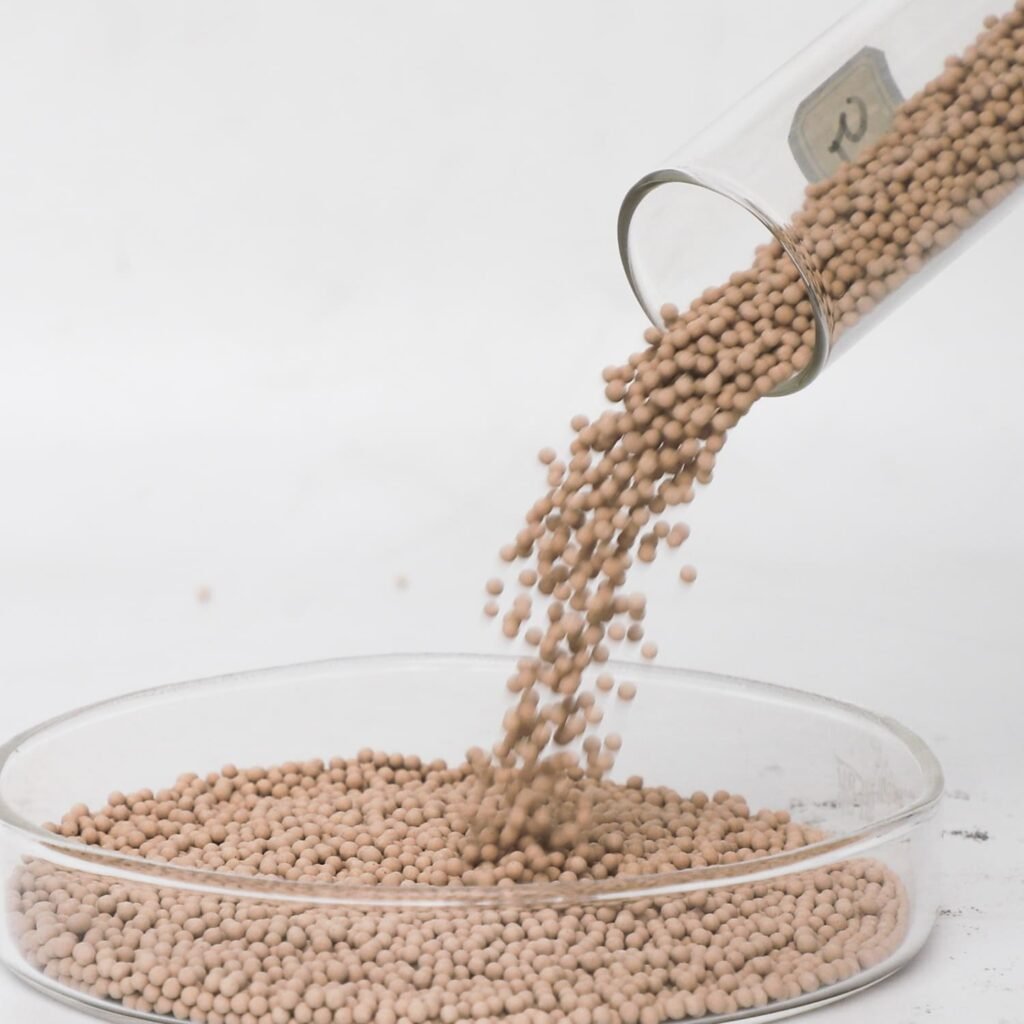
Struggling with natural gas impurities[^1] causing corrosion and inefficiency? These issues risk equipment and safety. Our molecular sieves[^2] offer a precise solution for cleaner, safer natural gas processing.
Molecular sieves make natural gas cleaner and safer by using their precise crystal structures to capture impurities. They selectively adsorb water, carbon dioxide, and hydrogen sulfide. This prevents pipeline corrosion and equipment damage, ensuring the gas meets stringent quality and safety standards for downstream use.
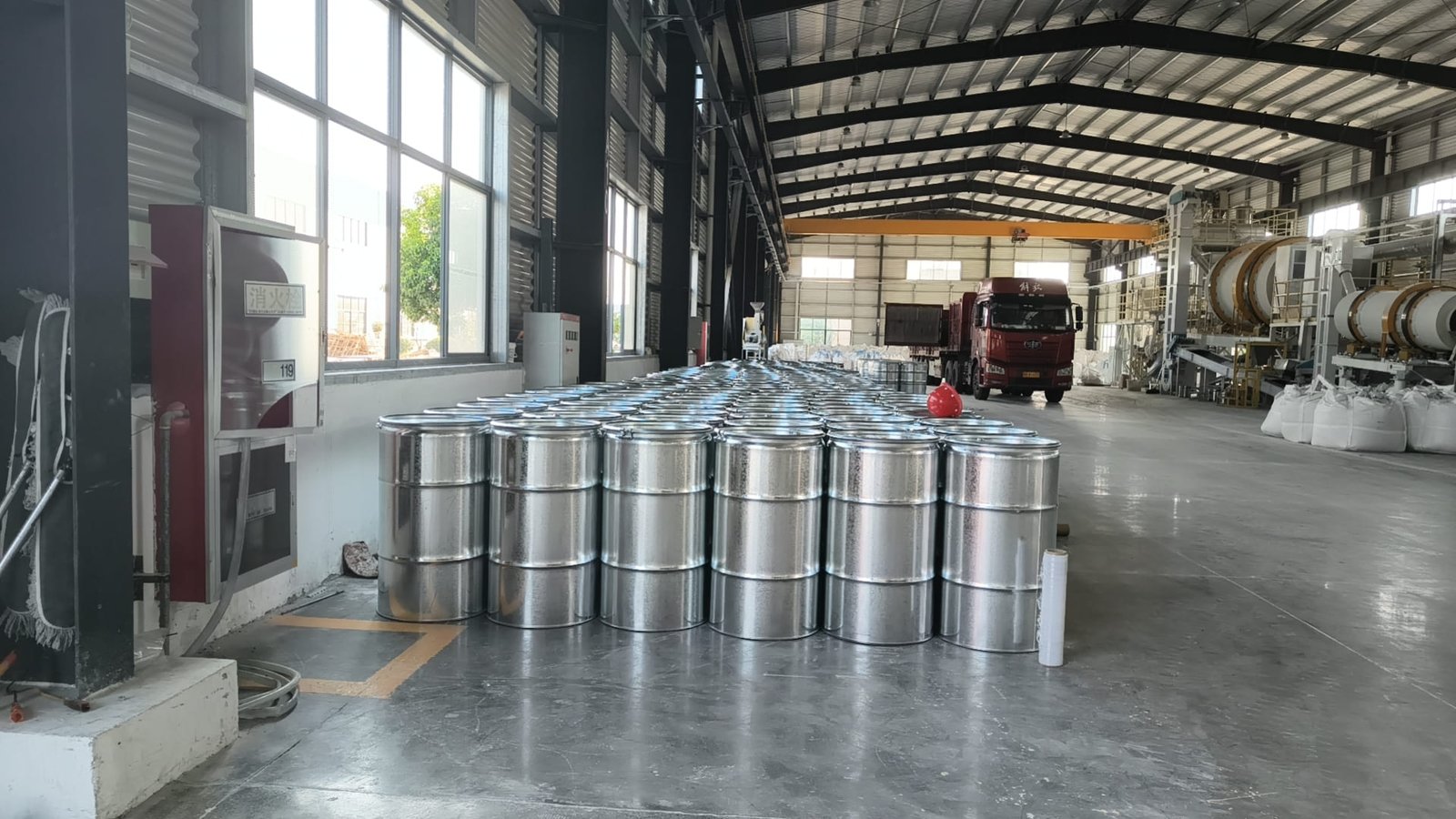
Energy drives our world forward, and purity is the foundation of efficiency and safety. We are dedicated to providing reliable core solutions for clean energy, especially for the natural gas industry. In gas purification[^3], moisture and acid gases[^4] are the main causes of pipeline corrosion[^5] and increased energy consumption[^6]. But not all impurities are the same, and neither are the solutions. Let's explore how different types of molecular sieves[^2] tackle specific challenges in natural gas purification[^3].
How Does 3A Molecular Sieve Prevent Hydrate Formation in Natural Gas?
Worried about hydrate blockages in your gas pipelines? These ice-like plugs can stop production completely. Our 3A molecular sieve[^7] offers extreme dehydration to eliminate this critical risk entirely.
The 3A molecular sieve[^7] has a pore size of 3 angstroms. This allows it to adsorb small water molecules[^8] while excluding larger hydrocarbon molecules. By removing water to extremely low levels, it fundamentally prevents the conditions necessary for hydrate formation, protecting pipelines and equipment.
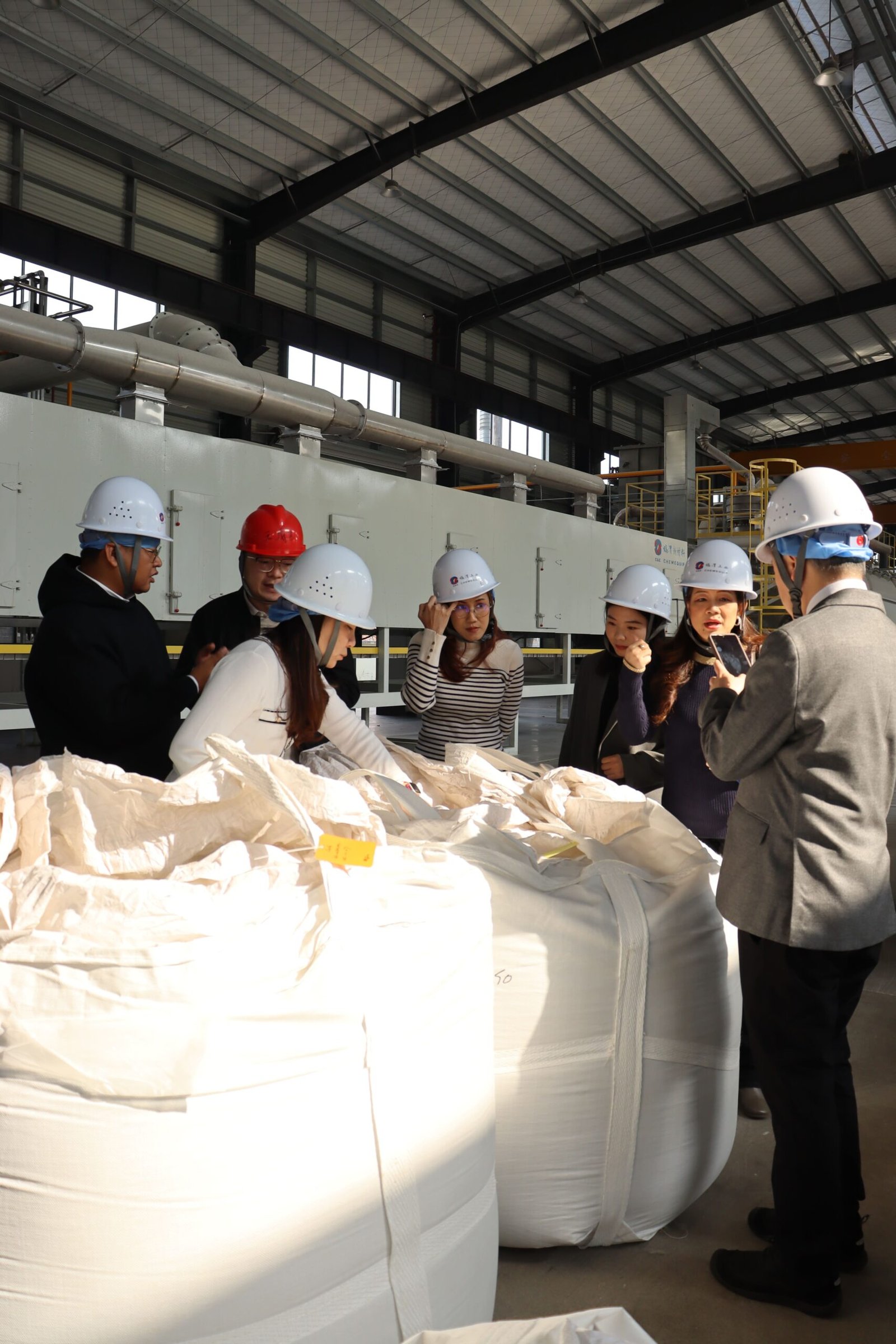
The secret to the 3A molecular sieve[^7]'s power is its precision. Think of it as a highly selective gatekeeper. Its pores are exactly 3 angstroms wide. This specific size is a critical design feature. Water molecules are small enough to pass through this gate and get trapped inside the sieve's crystal structure. However, larger hydrocarbon molecules, like methane, are too big to enter. They simply flow past, completely unaffected. This process is called size exclusion. It allows us to achieve an extremely deep level of drying without losing valuable product. By removing virtually all water, we eliminate the primary ingredient for hydrate formation. Hydrates are ice-like solids that can form under high pressure and low temperature, completely blocking pipelines. By using our 3A sieves, you are not just drying the gas; you are building a fundamental safeguard against catastrophic operational failures and ensuring smooth, continuous flow.
Key Benefits of 3A Molecular Sieve
| Feature | Advantage in Natural Gas Processing |
|---|---|
| 3 Angstrom Pore Size | High selectivity for water; hydrocarbons are not adsorbed. |
| High Adsorption Capacity | Efficiently removes water to very low dew points. |
| High Mechanical Strength | Resists crushing and dusting in demanding process conditions. |
What Makes 4A, 5A, and 13X Sieves a Complete Purification Matrix?
Is removing only water from your natural gas enough? Acid gases like CO2 and H2S still pose a serious threat. Our 4A, 5A, and 13X sieves[^9] create a powerful matrix for complete purification.
This combination forms a purification matrix because each sieve type targets different molecules based on size. The 4A handles general drying, while the 5A and 13X have larger pores. They effectively remove CO2 and sulfur compounds[^10], offering a flexible, multi-layered solution for various gas purification[^3] needs.
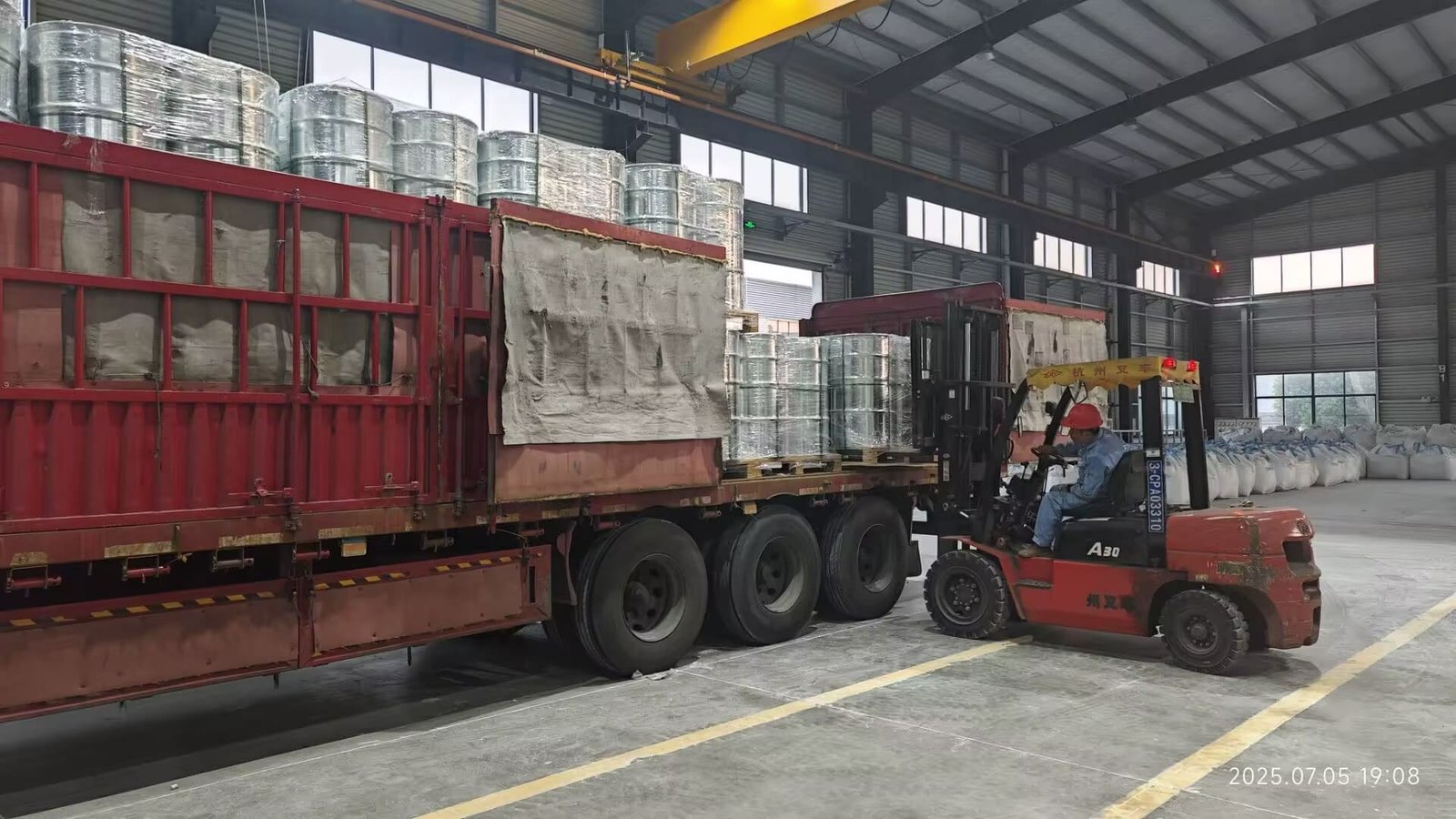
While 3A is the specialist for water, natural gas often contains a mix of other unwanted guests. This is where a multi-layered approach becomes essential. We think of our 4A, 5A, and 13X molecular sieves[^2] as a team, each with a specific job. The 4A sieve, with its 4-angstrom pores, is the cost-effective workhorse for general drying. Next, the 5A sieve steps in. Its larger pores can adsorb linear hydrocarbons and some sulfur compounds[^10]. Finally, the 13X sieve, with its even larger 10-angstrom pores, is the heavy-lifter. It excels at co-adsorbing bulky molecules like carbon dioxide and hydrogen sulfide. By layering these different sieves in a treatment vessel, we can create a customized purification system. This matrix approach allows us to efficiently remove a wide range of impurities in a single process, meeting diverse and stringent gas quality specifications with great flexibility.
The Purification Matrix Roles
| Sieve Type | Pore Size (Angstroms) | Primary Targets in Natural Gas |
|---|---|---|
| 4A | 4 | Bulk Water (H₂O) |
| 5A | 5 | Water, Hydrogen Sulfide (H₂S), Mercaptans |
| 13X | 10 | Water, Carbon Dioxide (CO₂), H₂S, larger sulfur compounds[^10] |
Can Modified Molecular Sieves Really Extend Equipment Lifespan?
Tired of frequent shutdowns due to coking[^11] and carbon buildup? This common issue shortens adsorbent life and requires costly maintenance. Our unique modified molecular sieves[^12] are engineered to resist coking[^11].
Yes, our modified molecular sieves[^12] significantly extend equipment lifespan. They have special surface properties that inhibit the catalytic reactions leading to carbon deposition (coking[^11]). By slowing this process, the adsorbent remains effective for longer, reducing replacement frequency and protecting equipment from fouling.

Coking is a long-term enemy of gas processing plants. It happens when heavy hydrocarbons break down at high temperatures, leaving behind a layer of carbon on surfaces. This carbon deposit acts like a blanket, blocking the pores of the molecular sieve. Once the pores are blocked, the sieve can no longer adsorb impurities[^13], and its performance drops sharply. This leads to more frequent regeneration cycles, higher energy use, and eventually, the need for a costly replacement of the entire adsorbent bed. Our modified molecular sieves^12[^2] tackle this problem at its root. Through our specialized manufacturing process, we alter the surface chemistry of the sieve. This modification makes the surface less reactive, effectively discouraging the reactions that lead to carbon formation. As a result, coking[^11] is significantly delayed. This means the sieve maintains its high adsorption capacity for a much longer time, leading to a more stable, predictable, and economical operation.
Standard vs. Modified Sieve Performance
| Performance Metric | Standard Sieve | Our Modified Sieve |
|---|---|---|
| Service Lifespan | Standard | Significantly Extended |
| Resistance to Coking | Low | High |
| Operational Stability | Decreases over time | Remains High and Stable |
How Do Our Sieves Protect Downstream Catalysts from Poisoning?
Are trace impurities deactivating your expensive downstream catalysts[^14]? This poisoning leads to huge replacement costs and production loss. Our molecular sieves[^2] act as a crucial guard, protecting your investment.
Our sieves protect catalysts by removing poisons before they reach them. Specifically, they prevent the formation of carbonyl sulfide (COS)[^15] and adsorb other sulfur compounds[^10] like H2S. This upstream purification ensures only clean gas contacts the catalyst, maintaining its activity and extending its life.

In many chemical processes, catalysts are the most valuable and sensitive components. They are also highly susceptible to "poisons" – trace impurities that can permanently damage them. Sulfur compounds are notorious catalyst poisons. A particularly tricky one is carbonyl sulfide (COS)[^15], which can form when CO₂ and H₂S react on the surface of standard adsorbents. Our molecular sieves[^2] serve as a vital guard bed. First, they are designed with high selectivity and capacity for sulfur compounds[^10], removing them from the gas stream. More importantly, our specialized formulation and manufacturing process help inhibit the side reaction that creates COS in the first place. By removing these poisons at the source, we ensure that the gas reaching your downstream processes is exceptionally pure. This protects the active sites on your catalysts from being blocked or destroyed. Investing in a high-quality molecular sieve upfront is a small price to pay to safeguard a multi-million dollar catalyst bed and prevent costly, unplanned shutdowns.
Common Catalyst Poisons and Sieve Solutions
| Catalyst Poison | Source in Natural Gas | Recommended Sieve |
|---|---|---|
| Water (H₂O) | Saturated raw gas | 3A, 4A |
| Hydrogen Sulfide (H₂S) | Sour gas fields | 5A, 13X |
| Carbonyl Sulfide (COS) | Side reactions | 13X, Modified Sieves |
Conclusion
Our molecular sieves[^2] are the guardians of natural gas purification. They remove harmful impurities, prevent coking[^11], and protect catalysts, ensuring a more stable, economical, and longer-lasting operation for you.
[^1]: Understanding the impact of impurities can help you mitigate risks and enhance safety in gas processing. [^2]: Explore the science behind molecular sieves to see how they improve gas quality and safety. [^3]: Learn about effective gas purification techniques to enhance safety and efficiency. [^4]: Learn about the risks posed by acid gases and how to effectively remove them. [^5]: Learn about the factors leading to corrosion and how to prevent it for safer operations. [^6]: Understanding this relationship can help you optimize energy use in processing. [^7]: Discover the unique properties of 3A sieves and their role in preventing hydrate formation. [^8]: Gain insights into the adsorption process and its significance in gas purification. [^9]: Explore the unique functions of each sieve type for comprehensive gas purification. [^10]: Explore the impact of sulfur compounds on gas quality and catalyst performance. [^11]: Understanding coking can help you maintain equipment efficiency and reduce costs. [^12]: Discover how modifications enhance sieve performance and reduce maintenance needs. [^13]: Gain a deeper understanding of the adsorption process and its benefits. [^14]: Learn how to protect your catalysts from impurities to ensure optimal performance. [^15]: Understanding COS can help you implement better purification strategies.