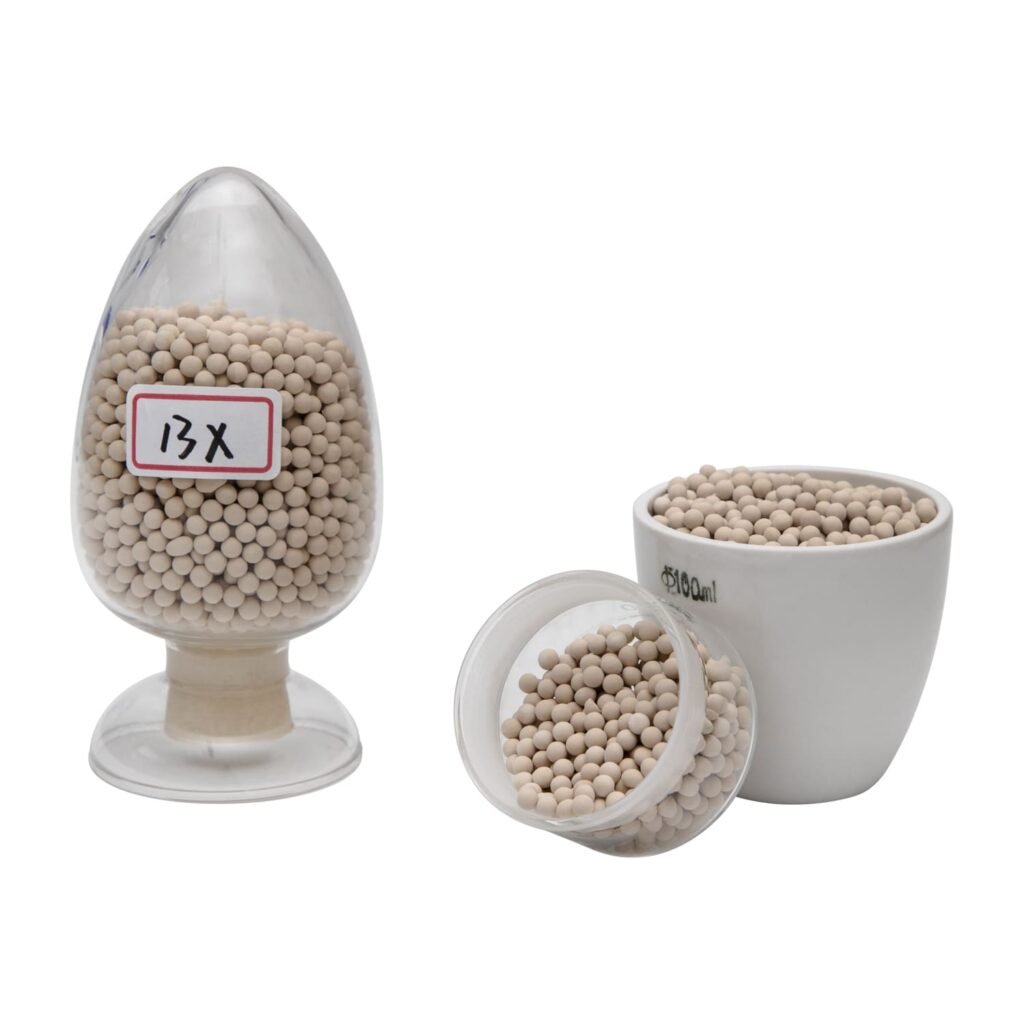
Choosing the wrong molecular sieve[^1] can cause production failures and waste money. You worry about complex specifications and picking an option that doesn't work. Let's make sure that doesn't happen.
To choose the right molecular sieve[^1], first, match it to your specific operating conditions[^2]. Then, ensure proper pre-treatment and plan for regeneration. The most effective way is to consult a professional manufacturer for an accurate evaluation and selection, avoiding common pitfalls from the start.
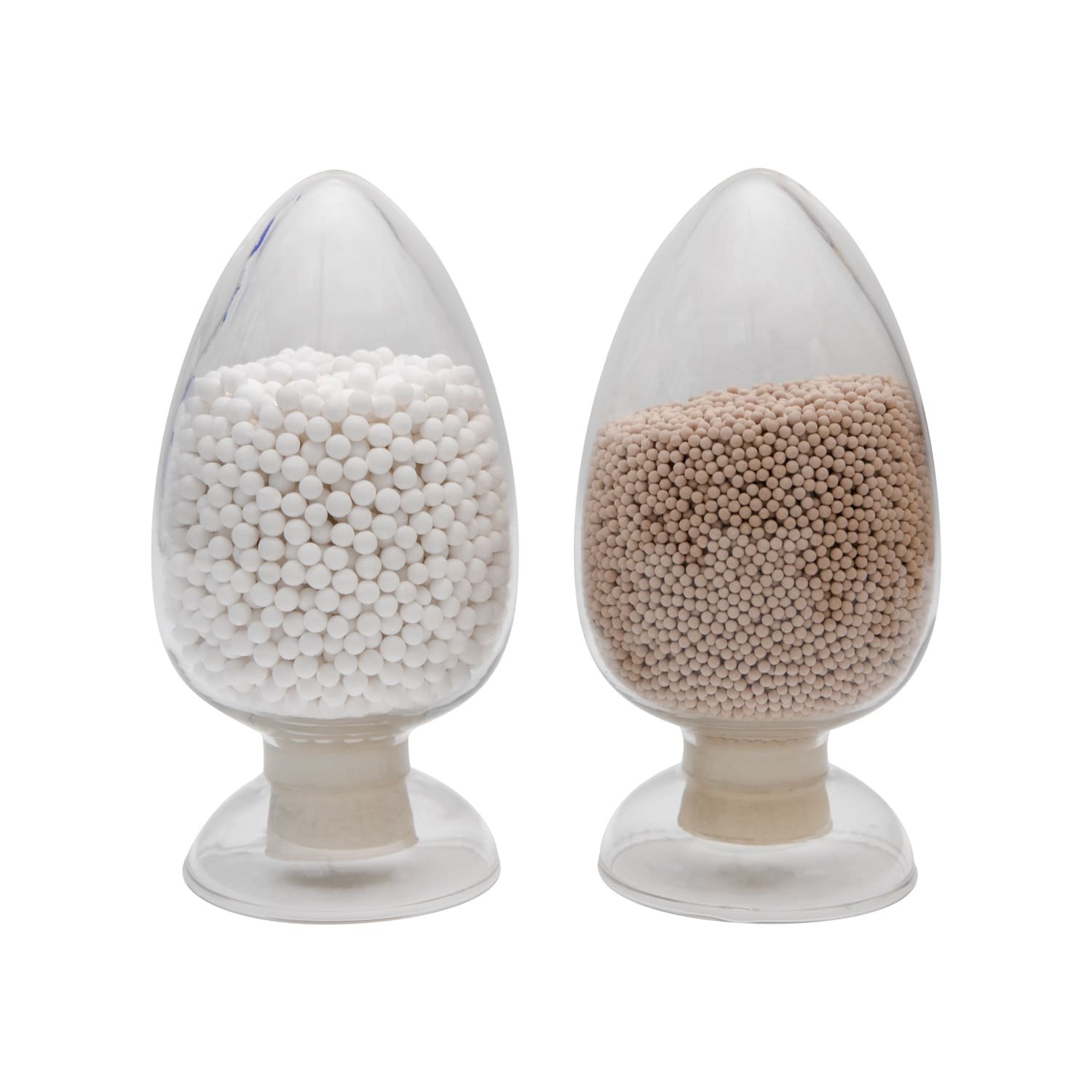
It sounds simple, but getting the details right can make or break your entire process. As a manufacturer with 20 years in the chemical industry, I've seen how small choices can lead to big problems. But I've also seen how a little guidance can unlock incredible efficiency. Let's break down how you can get this right from day one, so you can avoid the common traps and get the performance you need.
How Do You Precisely Match a Molecular Sieve to Your Process Conditions?
A mismatch between your sieve and your process can lead to poor purity or even damage your equipment. You feel uncertain about which technical detail matters most for your application.
To match a sieve, analyze your process fluid, target purity, temperature, and pressure. Consider the molecules you need to remove and those you must keep. These factors directly determine the required sieve type, like 3A, 4A, or 5A, and its specific pore size.
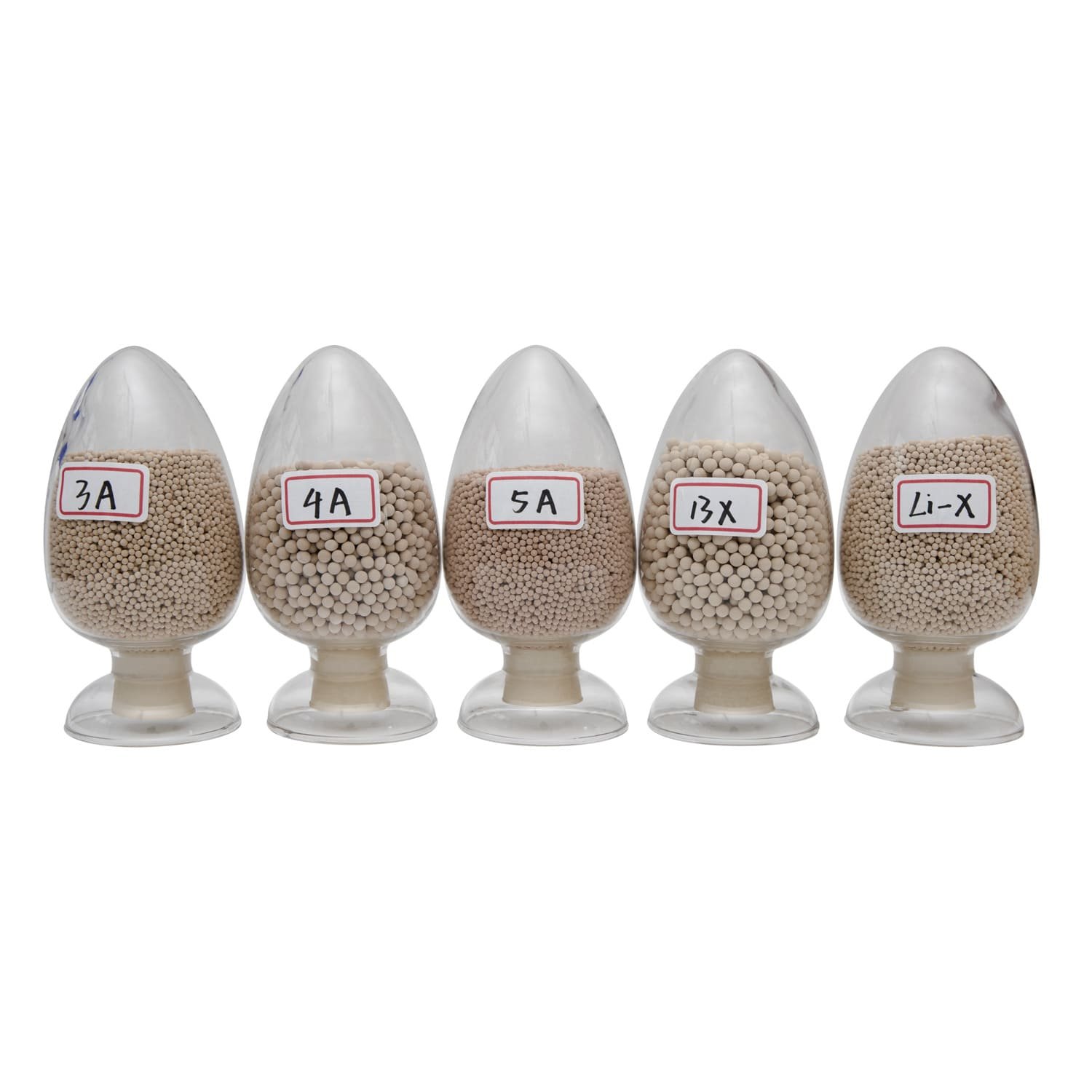
Choosing a molecular sieve[^1] is not about finding the "best" one; it's about finding the right one for your specific job. The first step is always a deep dive into your process conditions. You need to get this part right, or nothing else matters. I remember a client in the pharmaceutical industry who almost chose a 4A sieve for drying ethanol. This would have been a disaster, as 4A adsorbs both water and ethanol. We guided them to a 3A sieve, which has a pore opening small enough to adsorb only the smaller water molecules, letting the larger ethanol molecules pass through. It’s these critical details that prevent costly errors.
Key Factors for Evaluation
To avoid mistakes, you need a clear picture of your operational environment. Think of it as a checklist. You need to know the properties of the gas or liquid you're treating, what you want to remove, and what you want to keep. You also need to consider the temperature and pressure of your system, as these directly impact how well the sieve works. Finally, how pure does your final product need to be? This target will define the success of the entire operation.
A Practical Checklist for Selection
To make this easier, I've put together a simple table. Before you even look at a product data sheet, you should have answers to these questions. This is the exact information we ask our B2B partners for when helping them select a product for a new application.
| Parameter | Question to Answer | Why It Matters |
|---|---|---|
| Fluid Composition | What is the main gas or liquid? What are all the impurities? | Determines which sieve type (e.g., 3A, 5A, 13X) won't adsorb your product. |
| Target Adsorbate | Which specific molecule(s) do you need to remove (e.g., H₂O, CO₂)? | This is the primary factor for choosing the correct pore size. |
| Operating Pressure | What is the pressure of the system during the adsorption cycle[^3]? | Higher pressure generally increases adsorption capacity. |
| Operating Temperature | What is the temperature of the fluid entering the sieve bed? | Adsorption is exothermic; lower temperatures are usually better. |
| Target Purity | What is the required outlet specification (e.g., dew point, ppm level)? | Dictates the amount of sieve needed and the required contact time. |
Having this data ready makes the conversation with a manufacturer like us incredibly efficient. It helps us move directly to providing a solution instead of just a product.
Why Is Proper Pre-Treatment of New Molecular Sieves So Critical?
You've invested in a high-quality molecular sieve[^1], but it's not performing as expected from day one. You might suspect the new sieve is faulty, causing frustrating and costly production delays.
Proper pre-treatment[^4], or activation, is essential because it removes any moisture the sieve has adsorbed from the air during storage and transport. This step ensures the sieve has maximum adsorption capacity and is ready for your process, preventing immediate underperformance.
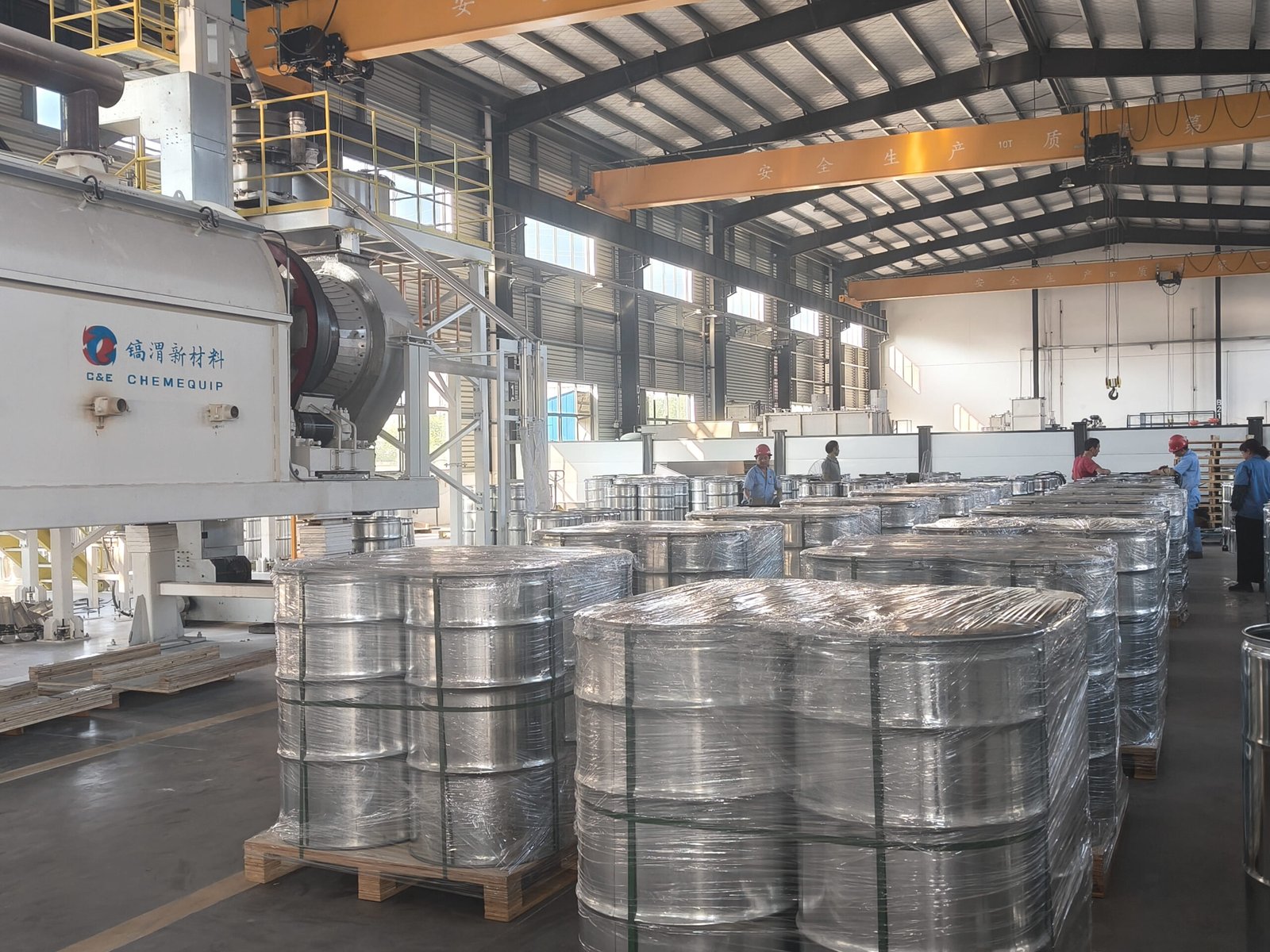
Many users don't realize that a molecular sieve[^1] is like a sponge. From the moment it leaves our advanced, automated production line, it starts trying to adsorb water from the ambient air. By the time it arrives at your facility and is loaded into your vessel, its pores are already partially filled with water. If you introduce it directly to your process stream, its capacity will be significantly reduced. It won't work as advertised, not because it's a bad product, but because it wasn't prepared correctly. This is one of the most common and easily avoidable "Day 1" problems I see.
The Purpose of Activation
The goal of pre-treatment[^4], also known as activation, is simple: to heat the molecular sieve[^1] bed to drive off this pre-adsorbed water. This frees up the internal pore volume and makes the active sites available for your process molecules. Skipping this step is like trying to dry a wet floor with an already-wet towel. Our granulator-based forming process creates very strong, uniform pellets with low dust, but even the best product needs to be activated to deliver its full potential.
General Activation Steps
Activating a sieve bed properly requires a careful, controlled process. Rushing it can damage the sieve beads or lead to incomplete activation.
- Careful Loading: First, load the molecular sieve[^1] beads into your adsorber vessel[^5]. Do this gently to minimize breakage and dust formation, which can increase pressure drop in your system.
- Heating and Purging: Next, pass a hot, dry, inert gas (like nitrogen) through the bed. The gas should flow in the opposite direction of your normal process flow. You will gradually raise the temperature to the manufacturer's recommended level, typically between 200°C and 300°C. Hold it at this temperature for several hours to ensure all water is driven off.
- Cooling Down: Once the bed is fully activated, you must cool it down before introducing your process stream. Continue to flow the cool, dry purge gas through the bed until the temperature drops to near your process operating temperature. This prevents a temperature spike when your process fluid is introduced.
Following these steps ensures your molecular sieve[^1] starts with 100% of its capacity, ready to perform exactly as you expect.
How Can You Plan a Smart Regeneration Strategy to Maximize Sieve Lifespan?
Constantly replacing molecular sieve[^1]s is expensive and causes significant production downtime. You worry that your sieves are wearing out too quickly, eating into your profit margins and operational stability.
A smart regeneration strategy[^6] involves using the correct method—either Thermal Swing Adsorption[^7] (TSA) or Pressure Swing Adsorption[^8] (PSA)—at the right time. This removes adsorbed molecules, fully restoring the sieve's capacity and extending its useful life for many years.
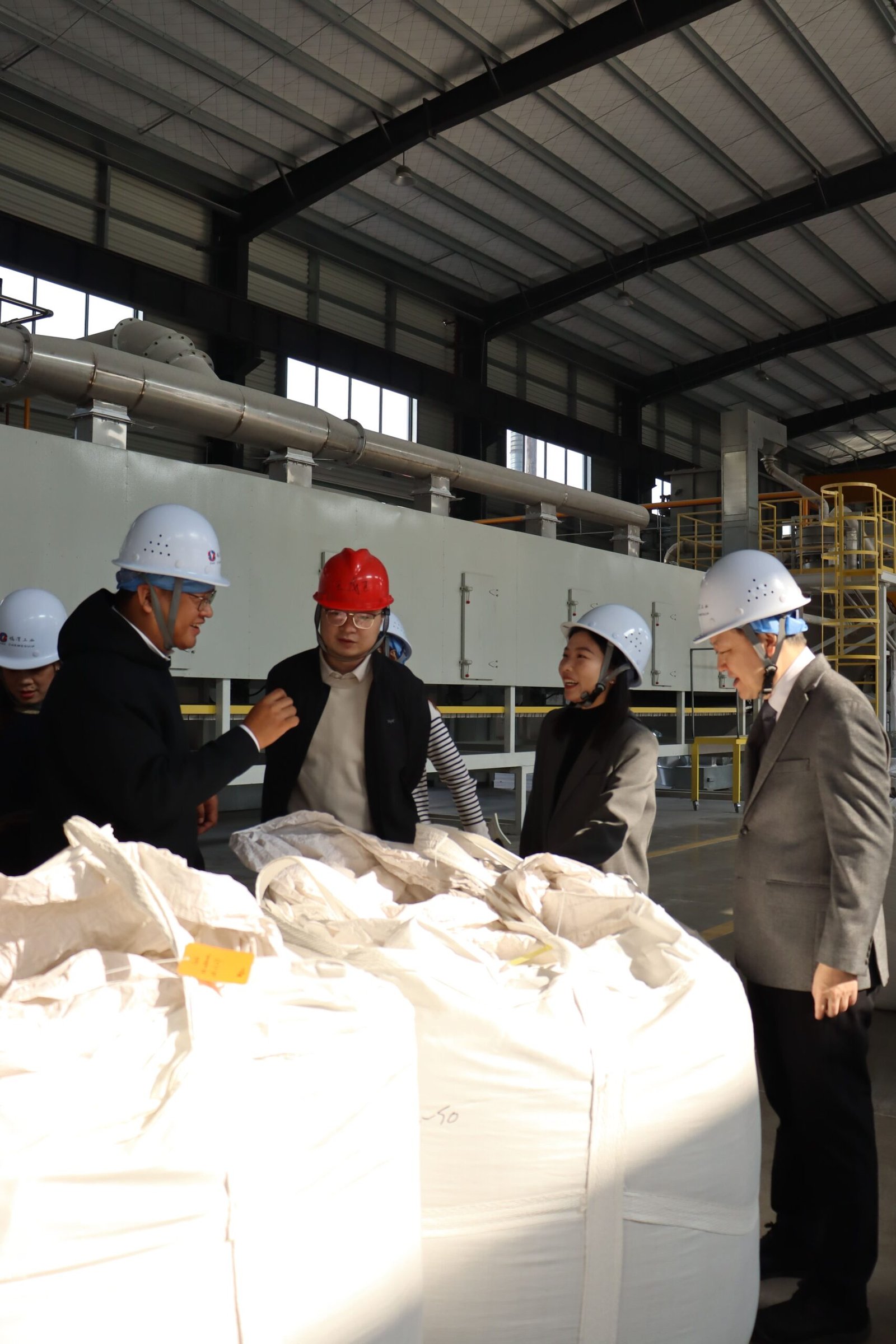
A molecular sieve[^1] isn't a single-use product. It's a reusable asset that, with proper care, can last for years. The key to longevity is regeneration. This is the process of cleaning the "saturated" sieve to make it ready for another adsorption cycle[^3]. Planning this from the start is just as important as selecting the right sieve type. For our OEM and distributor partners, we always emphasize that teaching their customers about proper regeneration is crucial for building long-term trust. A product that lasts is a product that customers will buy again.
Understanding Regeneration Methods
There are two main ways to regenerate a molecular sieve[^1], and the right one depends on your application.
- Thermal Swing Adsorption[^7] (TSA): This method uses heat. A hot purge gas is passed through the saturated bed, providing the energy needed for the adsorbed molecules (like water) to desorb. It's highly effective for strongly adsorbed impurities.
- Pressure Swing Adsorption[^8] (PSA/VPSA): This method uses pressure. By rapidly reducing the pressure in the vessel, the adsorbed molecules (like nitrogen from air) are released. This is common in applications like oxygen generation where cycle times are very short.
Choosing the wrong method can lead to incomplete regeneration and a gradual loss of capacity over time.
TSA vs. PSA: A Quick Comparison
| Feature | Thermal Swing Adsorption[^7] (TSA) | Pressure Swing Adsorption[^8] (PSA/VPSA) |
|---|---|---|
| Mechanism | Uses heat to desorb molecules | Uses a pressure drop to desorb molecules |
| Best For | Strongly adsorbed molecules (e.g., H₂O in natural gas) | Weakly adsorbed molecules (e.g., N₂ in air separation) |
| Cycle Time | Long (typically 4-12 hours) | Short (typically seconds to minutes) |
| Energy Use | Higher (heating energy) | Lower (mechanical energy for compressors/pumps) |
| Common Apps | Dehydration, Gas Sweetening, Ethanol Drying | Air Separation (O₂/N₂), PSA Hydrogen Production |
A well-designed system often includes monitoring for "breakthrough," which is when the impurity starts to appear at the outlet of the sieve bed. This signals that it's time to switch to the fresh, regenerated bed and begin the regeneration cycle on the saturated one. Planning this cycle correctly prevents production interruptions and maximizes the useful life of your adsorbent.
When Should You Stop Guessing and Let a Manufacturer Guide Your Selection?
You're spending hours reading technical data sheets, still feeling unsure if you're making the right choice. The fear of a wrong decision paralyzes you, delaying your project and costing you opportunities.
You should let a manufacturer guide you when you're unsure about process complexities, need a customized solution[^9], or want to guarantee performance from the start. Their expertise ensures precise selection, proper operation, and helps you avoid common, costly beginner mistakes.

Ultimately, the most efficient and safest path is to leverage the expertise of a specialist. While understanding the basics is important, you don't have to become a world expert in adsorption science to use molecular sieve[^1]s effectively. As a manufacturer, we have seen thousands of different applications. We can often spot potential issues or opportunities for optimization that someone less familiar with the technology might miss. This is especially true for our B2B clients, who are often developing new product lines or serving diverse markets.
The Value of a Manufacturer's Assessment
When you partner with a manufacturer like us, you get more than just a product. You get access to decades of collective experience. We can help you:
- Avoid Over-Engineering: Don't pay for a high-performance specialty sieve like our 13X-HP when a standard 4A will do the job perfectly.
- Prevent Under-Performance: Ensure you don't choose a general-purpose sieve when your application demands the high selectivity of a modified type.
- Optimize Your Process: We can offer advice on regeneration cycles, vessel loading, and other operational factors that extend the life of your investment.
With our top-tier, automated production line, we are confident that we produce some of the most stable and high-quality molecular sieve[^1]s in China. But we know that the best product is useless if it’s the wrong one for the job. That’s why we see ourselves as long-term partners, not just suppliers.
What to Provide Your Supplier for a Fast, Accurate Recommendation
To get the best possible guidance, come prepared. The more information you can provide about your process, the faster we can pinpoint the ideal solution. Here is a checklist of what to bring to the conversation:
- Full Process Stream Composition: Include the main components and any trace impurities (e.g., 99% Methane, 0.5% CO₂, 500 ppm H₂S, 200 ppm H₂O).
- Operating Conditions: Flow rate, pressure, and temperature of the stream.
- Required Outlet Purity: Your target specification (e.g., <1 ppm H₂O).
- Regeneration Method: Is your system designed for TSA or PSA?
- Vessel Details: The dimensions of your adsorber towers, if available.
Bringing this information allows us to provide a fast, accurate, and reliable recommendation, helping you move forward with confidence.
Conclusion
Choosing the right molecular sieve[^1] is simple. Match it to your process, prepare it correctly, and plan for its regeneration. Partnering with an expert manufacturer makes it even easier.
[^1]: Understanding molecular sieves is crucial for selecting the right type for your application. [^2]: Explore how different operating conditions can impact the efficiency of your molecular sieve. [^3]: Understanding the adsorption cycle is key to optimizing the performance of your molecular sieve. [^4]: Learn how proper pre-treatment can enhance the performance of your molecular sieve. [^5]: Understanding the role of the adsorber vessel can enhance your sieve's performance. [^6]: A smart regeneration strategy can significantly extend the lifespan of your molecular sieves. [^7]: Understanding TSA can help you choose the right regeneration method for your application. [^8]: Learn about PSA to determine if it's suitable for your molecular sieve regeneration. [^9]: A customized solution can optimize your process and improve overall efficiency.