
Your compressed air system[^1] is creating moisture right now. This water corrodes pipes, damages equipment, and wastes energy. You need a way to stop this damage before it gets worse.
An air dryer[^2] is the best way to protect your system. It removes harmful water vapor[^3] from the compressed air. This prevents rust[^4], stops product contamination[^5], and improves energy efficiency[^6], ensuring your equipment lasts longer.
Moisture in a compressed air system[^1] is a fact of physics. When you compress air, the water vapor[^3] in it gets concentrated. If you don't remove it, this water will cause major problems down the line. The good news is that you can control it. Understanding how dryers protect your investment is the first step toward building a more reliable and efficient operation. Let's look at why removing this moisture is so critical.
Why Is Removing Moisture So Crucial for My Air System?
You might see rust[^4] in your air lines or notice moisture coming from your pneumatic tools. This isn't just a small issue. It's a sign that your system is being damaged.
Removing moisture is vital because it causes corrosion that shortens equipment life. It can also ruin product quality and increase your energy bills. In cold weather, this water can freeze and block lines, causing a complete system shutdown.
When I visit factories, I see the damage firsthand. Water vapor that isn't removed turns into liquid water inside your pipes and tanks. This is where the real trouble begins. It's not just about a little water; it's about a chain reaction of problems that can cost a business thousands in repairs and lost production. Let's break down these threats so you can see why a dry system is a healthy system.
The Silent Killer: Corrosion
Liquid water is the main ingredient for rust[^4]. Inside your steel pipes and air receiver tanks, this water creates electrochemical corrosion[^7]. This process eats away at the metal. Even worse, it creates tiny rust[^4] particles that get carried through your entire system. These particles act like sandpaper inside your expensive pneumatic components. They wear down the seals in cylinders and scratch the inside of valves. This leads to air leaks, equipment failure, and more frequent maintenance. I've seen brand-new components fail in months simply because of wet, dirty air.
Protecting Your Final Product
For some industries, clean, dry air is not a luxury; it's a requirement. Think about food and beverage, pharmaceuticals, or high-tech electronics manufacturing. If compressed air comes into direct contact with the product, any moisture can cause contamination. In a spray-painting application, water droplets can ruin the finish. In a pharmaceutical plant, moisture can compromise the sterility of a product, leading to entire batches being thrown away. This directly impacts your bottom line and your reputation.
The Hidden Costs: Wasted Energy and Downtime
Water doesn't just damage things; it also makes your system work harder. Pools of water in your piping increase the resistance, or pressure drop. This forces your air compressor to run at a higher pressure to deliver the required pressure at the point of use. This extra work uses more electricity, increasing your operating costs every single day. And in colder climates, the danger is even greater. Water can freeze inside control lines or valves, blocking airflow completely and causing an unexpected and costly system shutdown.
| Threat | Impact on Your System | Consequence for Your Business |
|---|---|---|
| Corrosion | Rusts pipes, tanks, and damages pneumatic components. | Increased maintenance, shorter equipment life. |
| Contamination | Moisture ruins products in sensitive applications. | Product spoilage, quality issues, scrap. |
| Blockages | Water can freeze in pipes or create flow restrictions. | System downtime, higher energy consumption. |
What Are the Main Types of Air Dryers and Which One Do I Need?
You know you need a dryer, but the options can seem confusing. Refrigerated, desiccant, -40°C dew point... what does it all mean? Choosing the wrong one is a big mistake.
The two main types are refrigerated and desiccant dryers[^8]. Refrigerated dryers are great for general industrial use. Desiccant dryers use adsorbent materials to get extremely dry air for high-purity applications.
The right dryer depends entirely on your application. You need to know what level of dryness your system requires. This is measured by the "pressure dew point[^9]" (PDP), which is the temperature at which water vapor[^3] will start to condense back into a liquid at a given pressure. A lower PDP means drier air. Let's look at the two main technologies that get you there.
Refrigerated Dryers: The General-Purpose Solution
A refrigerated air dryer[^2] works like your home refrigerator. It cools the compressed air down to a temperature between +3°C and +10°C (37°F to 50°F). As the air cools, the water vapor[^3] in it condenses into liquid water, which is then collected and drained away. This is a very common and cost-effective method for most general industrial applications. If you are running pneumatic tools, assembly lines, or general manufacturing equipment, a refrigerated dryer is usually enough. It effectively prevents liquid water from forming in your pipes and protects your general-purpose equipment from corrosion and water damage.
Desiccant Dryers: For When Purity Is Everything
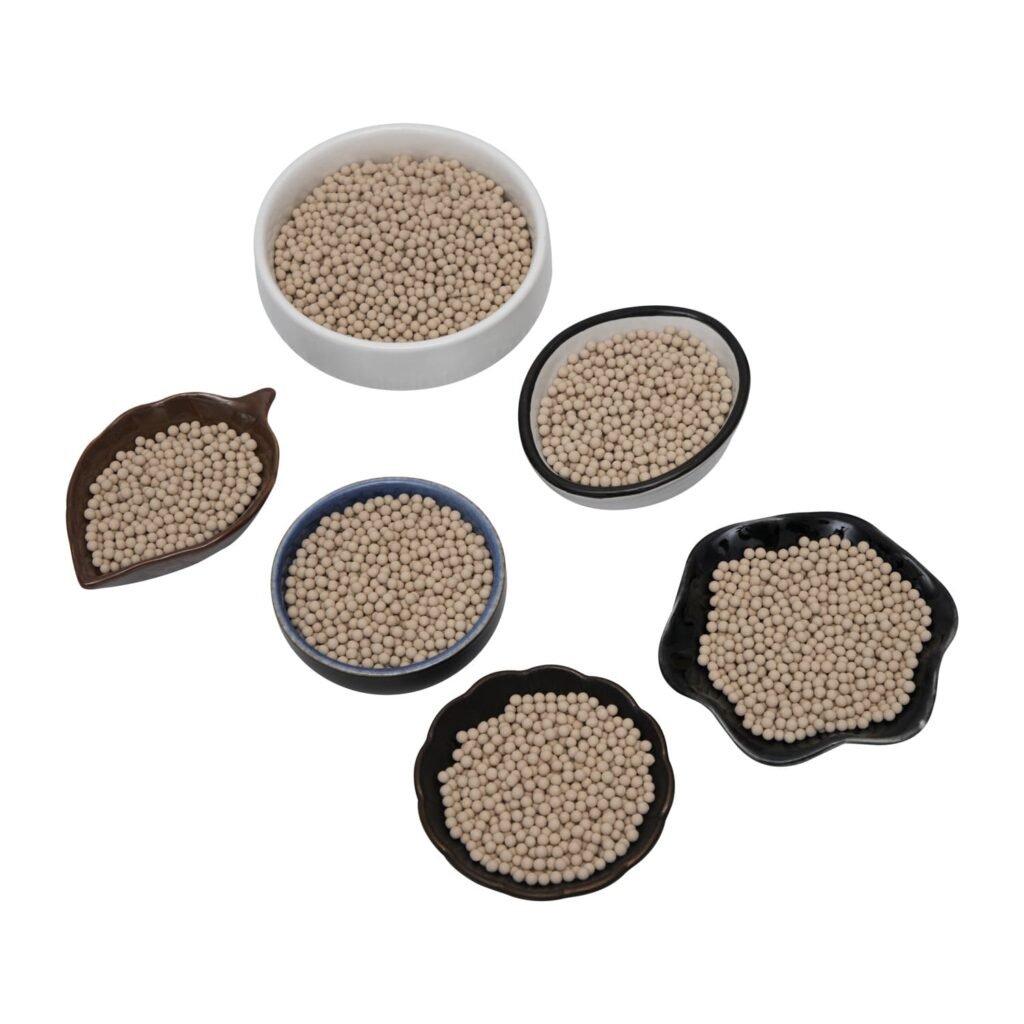
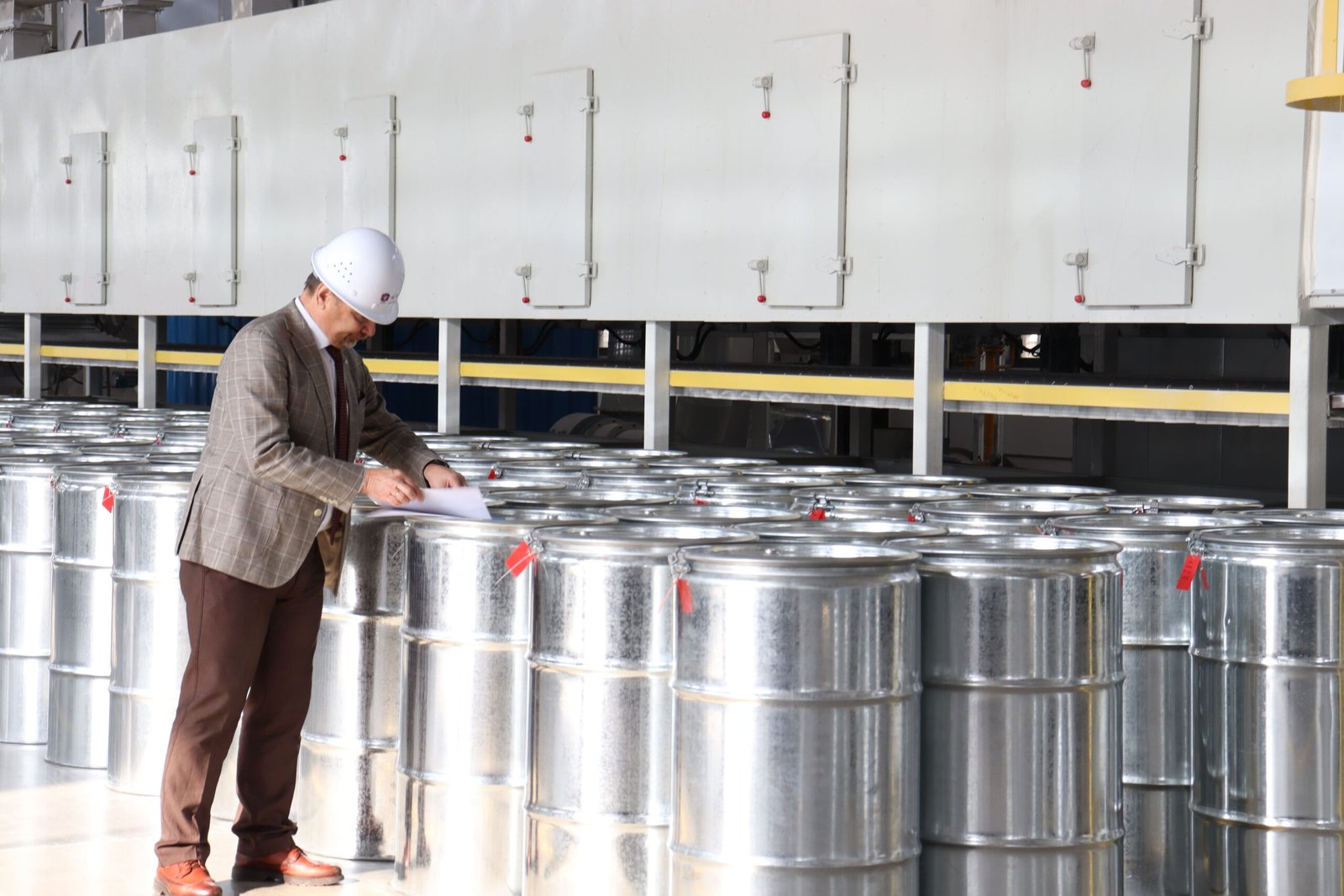
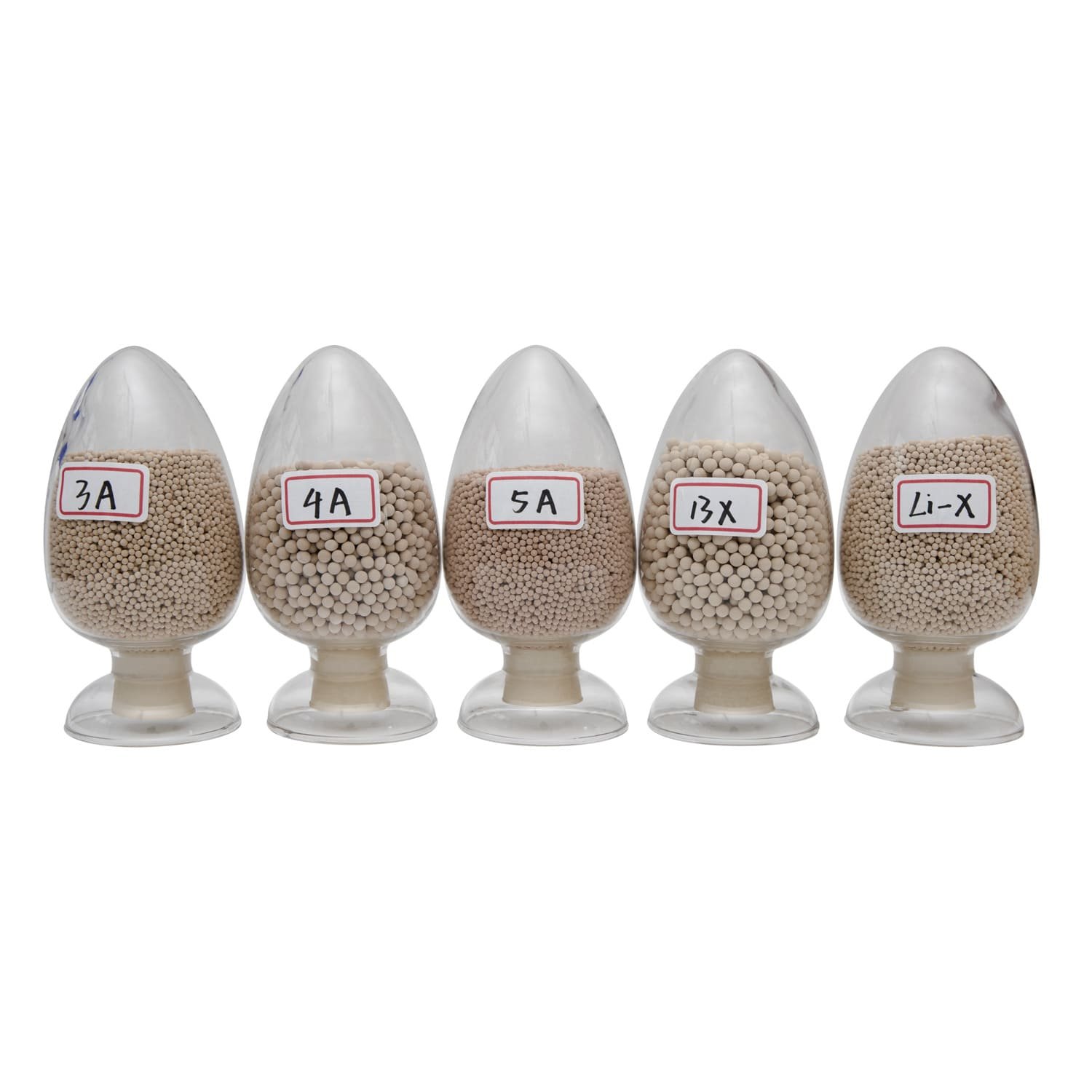
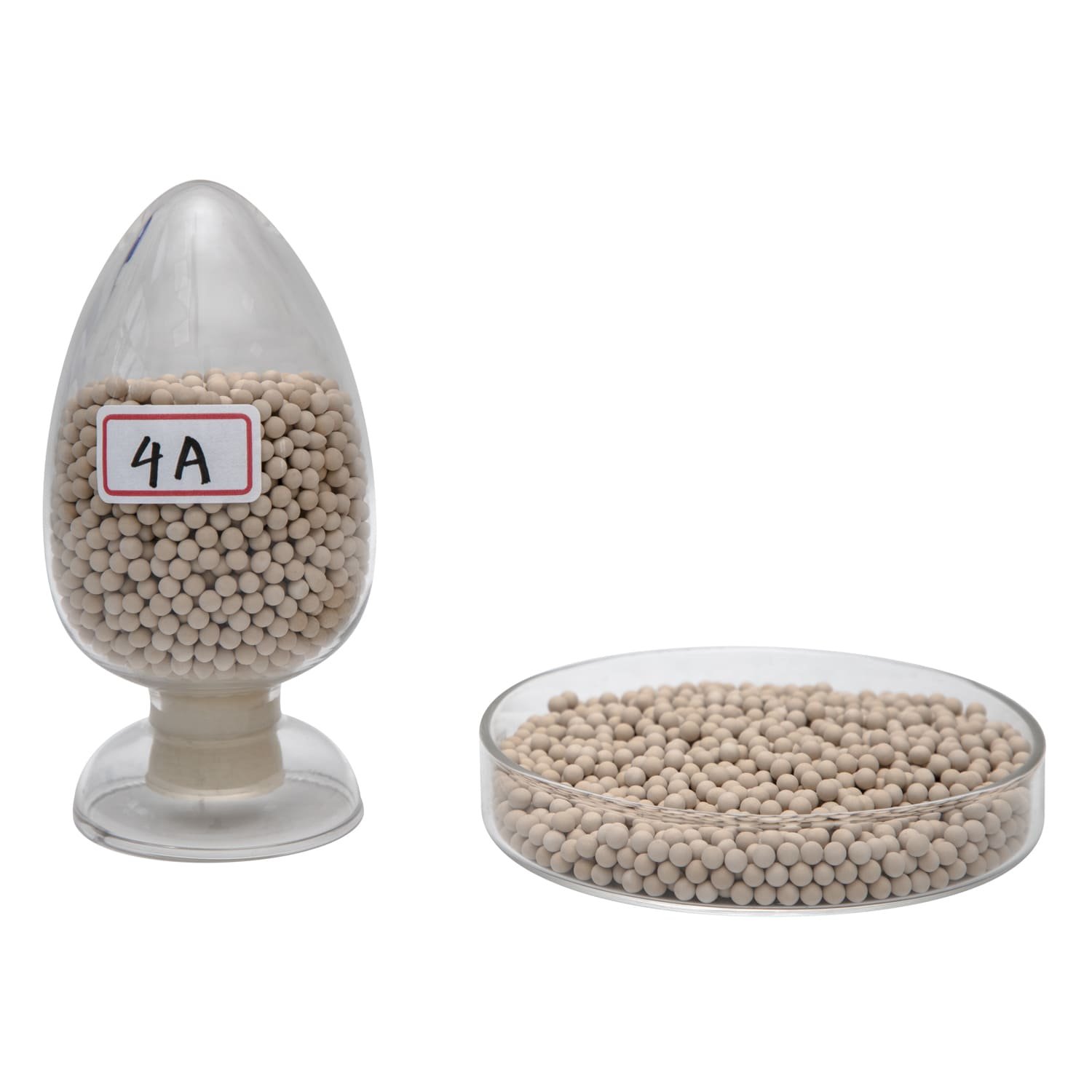
Sometimes, a +3°C dew point isn't low enough. For critical applications like food processing, pharmaceutical manufacturing, or electronics, you need extremely dry air. This is where desiccant dryers[^8] come in. These dryers use a special material, called a desiccant, to adsorb water vapor[^3] directly from the air stream. In my work, we manufacture the core of these machines: high-performance molecular sieves[^10] and activated alumina[^11]. These materials have millions of microscopic pores that trap water molecules, allowing dry air to pass through. This process can lower the pressure dew point[^9] to -40°C or even -70°C. This level of dryness is essential to guarantee product purity and protect highly sensitive processes from any moisture at all.
| Dryer Type | Pressure Dew Point (PDP) | Typical Applications | Key Benefit |
|---|---|---|---|
| Refrigerated | +3°C to +10°C | General manufacturing, pneumatic tools, assembly | Cost-effective, prevents liquid water |
| Desiccant | -40°C to -70°C | Food, pharma, electronics, critical instrumentation | Delivers ultra-dry air for purity and safety |
Conclusion
A compressed air dryer[^2] is not an optional add-on. It is essential for protecting equipment, ensuring product quality, and running an efficient system. Choosing the right one is key.
[^1]: Understanding the basics of a compressed air system helps you grasp why moisture control is crucial for efficiency and equipment longevity. [^2]: Exploring how air dryers function will show you how they protect your system from moisture-related damage and improve efficiency. [^3]: Learn about the negative effects of water vapor in compressed air systems to understand the importance of removing it. [^4]: Understanding the causes of rust in compressed air systems can help you prevent damage and maintain equipment integrity. [^5]: Find out how moisture in compressed air can contaminate products, affecting quality and leading to financial losses. [^6]: Explore how moisture can reduce energy efficiency, increasing operational costs and affecting system performance. [^7]: Discover how corrosion can damage your compressed air system, leading to costly repairs and reduced equipment lifespan. [^8]: Learn about desiccant air dryers and their role in providing ultra-dry air for critical applications like food and pharmaceuticals. [^9]: Understanding pressure dew point helps you choose the right air dryer for your system's dryness requirements. [^10]: Explore how molecular sieves in desiccant dryers trap water molecules, ensuring ultra-dry air for sensitive applications. [^11]: Learn about activated alumina's role in desiccant dryers, providing effective moisture adsorption for ultra-dry air.