Struggling to achieve ultra-pure hydrogen? Impurities like CO₂ and CH₄ are hurting your process efficiency and final product quality. We have the key to selective separation.
Molecular sieves are crucial for the hydrogen industry. Their unique porous structure selectively adsorbs impurities. This allows processes like Pressure Swing Adsorption (PSA)[^1] to upgrade industrial hydrogen to the ultra-high purity (99.999%) needed for fuel cells and other advanced applications.
I've seen firsthand how a simple material can solve complex industrial problems. For years, my team and I have helped clients in the gas separation industry. Now, the hydrogen economy is booming, and molecular sieves[^2] are at the center of it all. Let's explore exactly how they work and why they are so important for this growing industry. This technology is not just an option; it is a necessity for making clean hydrogen a reality.
How Do Molecular Sieves Actually Purify Hydrogen Gas?
Your hydrogen gas is full of contaminants. These impurities can poison catalysts and damage sensitive equipment. You need a reliable and efficient way to clean your gas stream to a high-purity standard.
Molecular sieves purify hydrogen through a process called Pressure Swing Adsorption (PSA)[^1]. The sieves' tiny pores trap larger impurity molecules like CO₂, CO, and CH₄. The smaller hydrogen molecules pass through freely, resulting in a highly purified hydrogen stream ready for use.
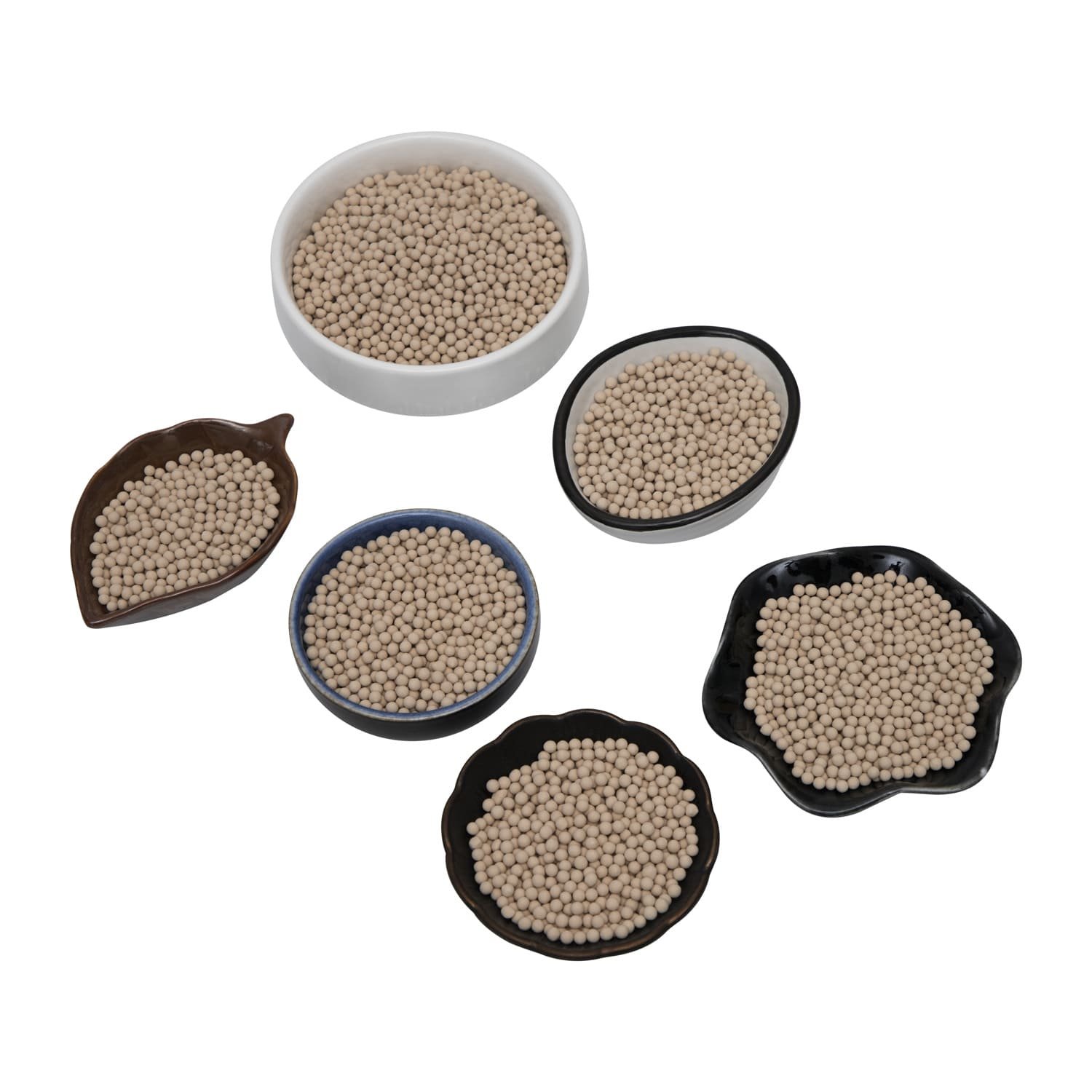
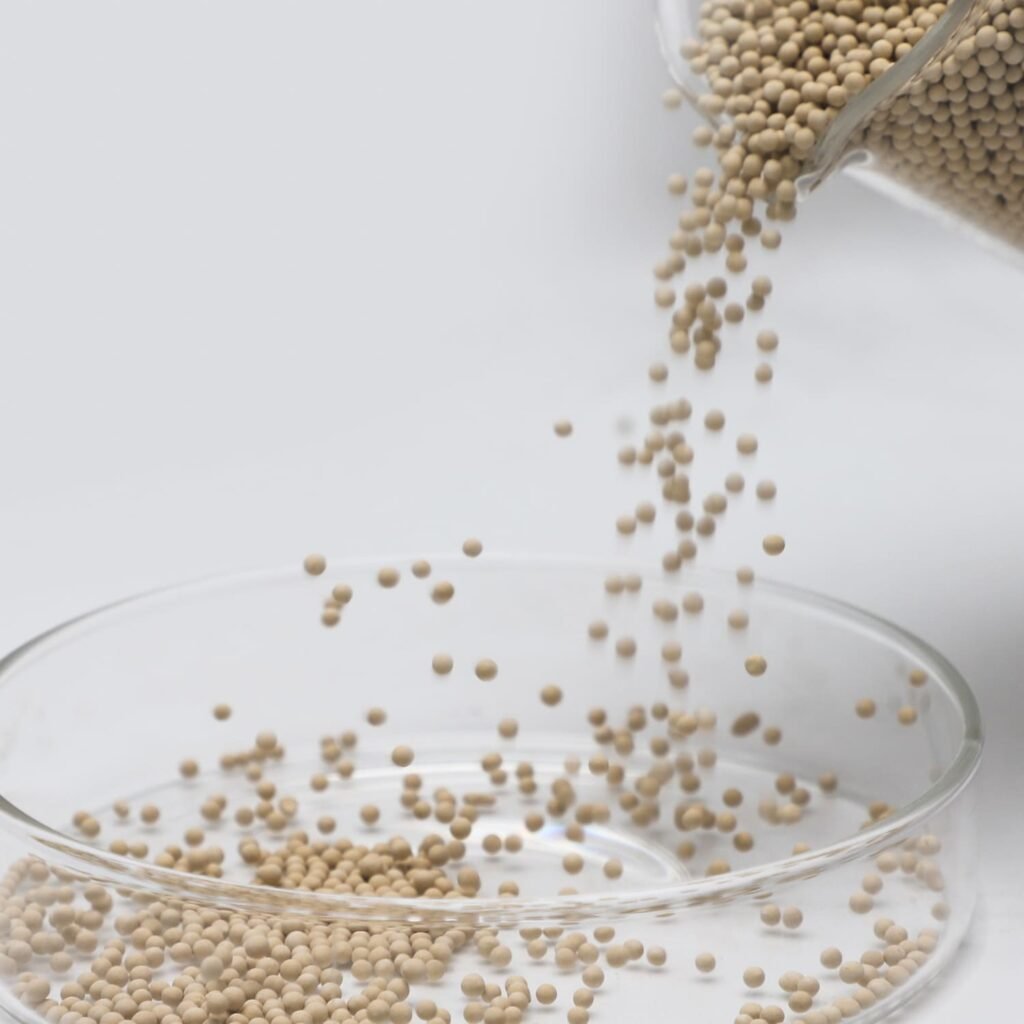
The magic of molecular sieves[^2] in hydrogen purification happens inside a PSA system. Imagine two towers filled with our molecular sieve beads. The raw hydrogen gas enters the first tower under high pressure. At this pressure, the molecular sieves[^2] act like a very specific filter. They grab onto the larger impurity molecules but let the tiny hydrogen molecules pass right through. Clean, high-purity hydrogen exits the top of the tower. After some time, the sieve bed becomes full of impurities. The system then switches the gas flow to the second tower. While the second tower is working, the first tower depressurizes. This drop in pressure makes the molecular sieves[^2] release all the trapped impurities, which are then vented away. This cycle repeats over and over, providing a continuous flow of pure hydrogen.
The Role of Pore Size
The key to this process is choosing a molecular sieve with the right pore size[^3]. Different impurities require different sieves.
| Impurity | Common Molecular Sieve | Why It Works |
|---|---|---|
| Water (H₂O) | 3A, 4A | Pores are small enough to trap water but let H₂ pass. |
| Carbon Dioxide (CO₂) | 5A, 13X-HP | Larger pores are needed to effectively capture CO₂. |
| Methane (CH₄) | 5A | Separates based on molecular size and shape. |
| Carbon Monoxide (CO) | 5A | Adsorbs CO to prevent catalyst poisoning. |
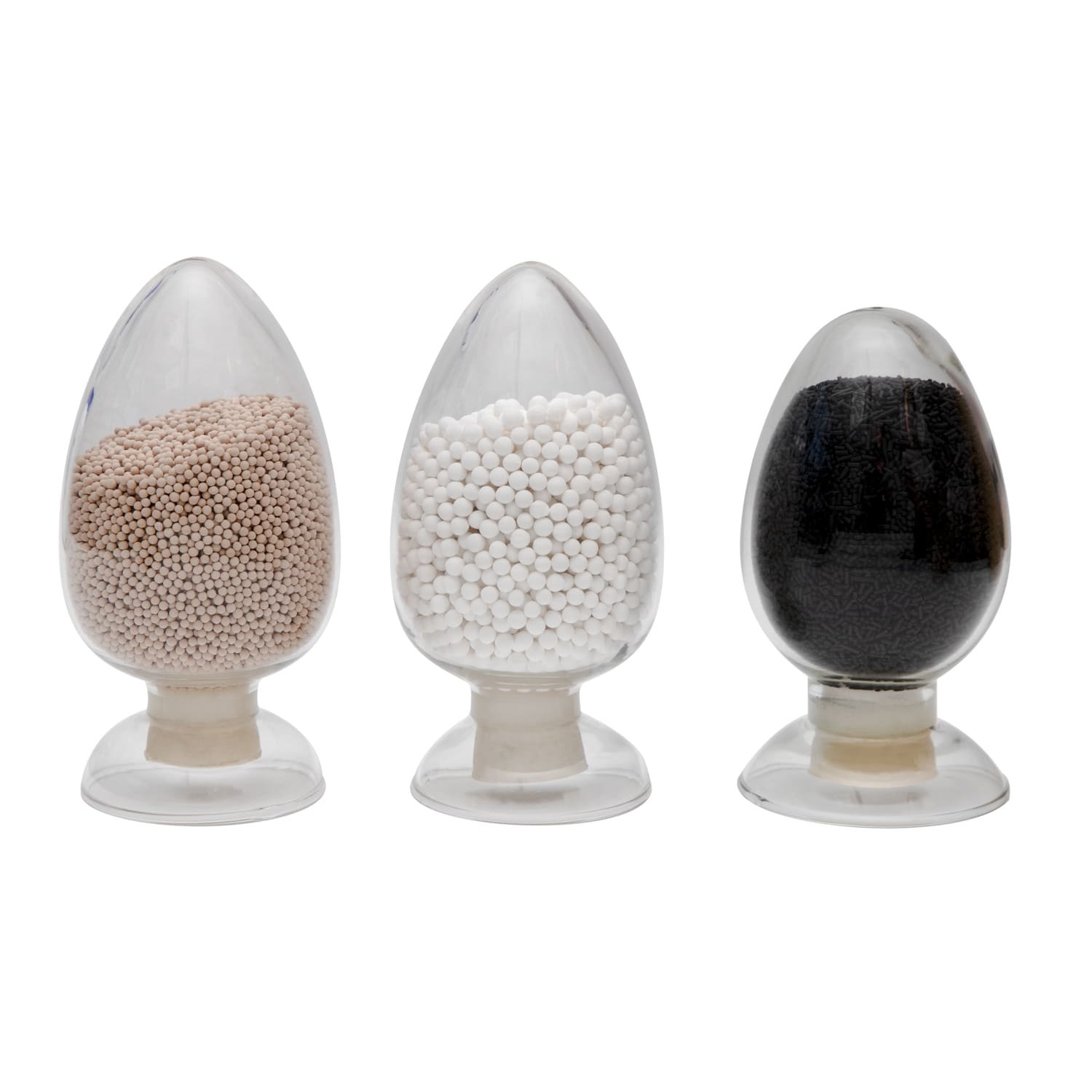
Our 5A and 13X-HP molecular sieves^4[^2] are workhorses in hydrogen PSA systems. They are specifically designed for the deep removal of CO, CO₂, and other hydrocarbons. Because our products are made with a granulator-based process, they have high crush strength and low dust. This is critical for the long-term, reliable operation of any PSA unit.
Can Molecular Sieves Really Solve the Hydrogen Storage Challenge?
Storing hydrogen safely and efficiently is a huge bottleneck for the industry. High-pressure tanks are heavy and expensive. You need a new, material-based solution for practical and safe hydrogen storage.
Yes, molecular sieves[^2] offer a promising solution for hydrogen storage. They store hydrogen through physical adsorption, a reversible process that avoids harsh conditions. When combined with advanced materials like Metal-Organic Frameworks (MOFs)[^5], they can significantly increase storage density at lower pressures.
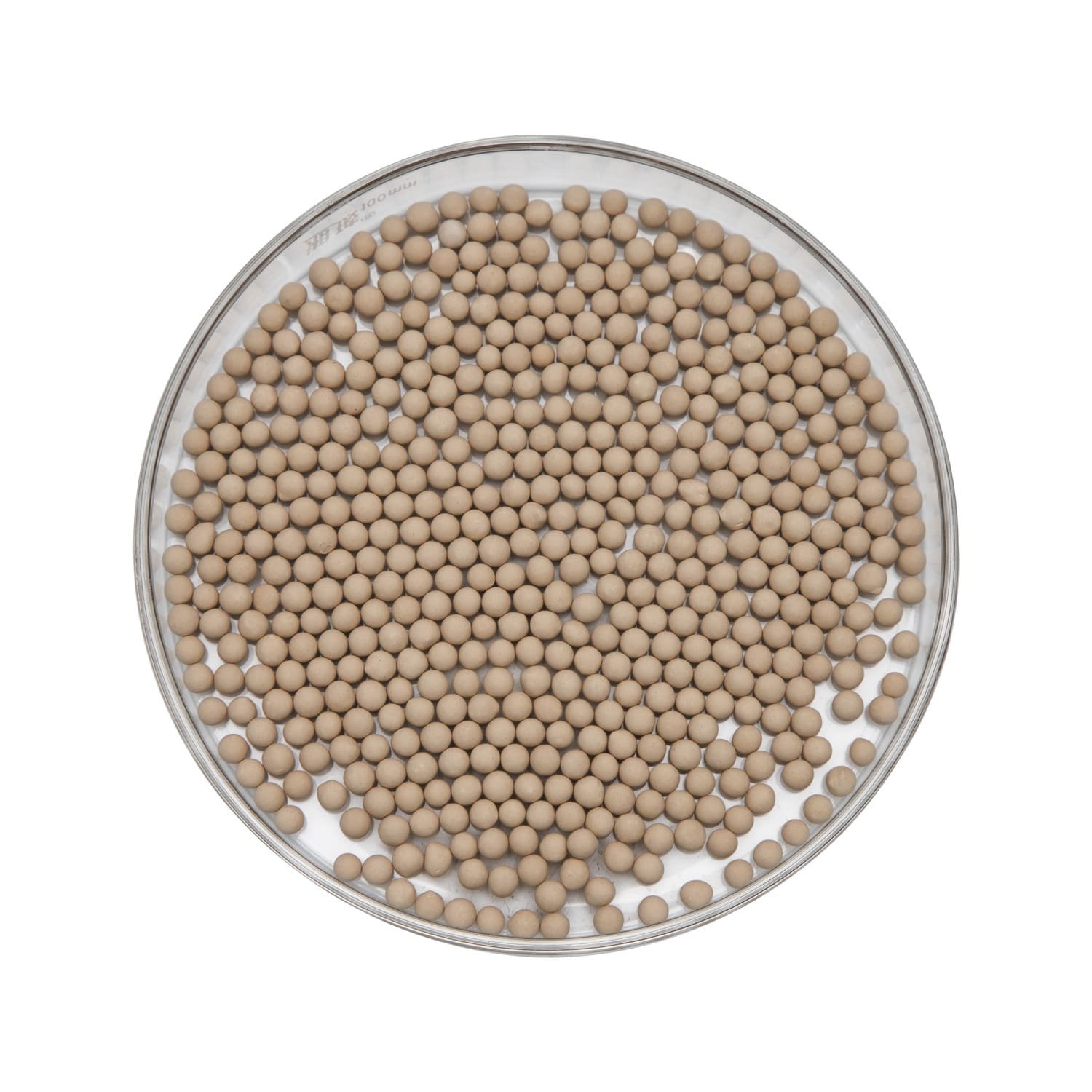
The potential for molecular sieves[^2] in hydrogen storage is very exciting. Instead of forcing hydrogen into a tank at extremely high pressures (up to 700 bar) or cooling it to a liquid at -253°C, we can use a material-based approach. This method is called physical adsorption[^6], or physisorption. Think of our molecular sieve beads as tiny sponges with a massive internal surface area. When hydrogen gas flows over them at moderate pressures and temperatures, the hydrogen molecules stick to these surfaces through weak physical forces. To release the hydrogen, you simply reduce the pressure or add a small amount of heat. This process is fully reversible, safe, and much less energy-intensive than traditional storage methods.
Beyond Traditional Storage
This technology moves us away from the limitations of compression and liquefaction. While high-pressure tanks are the current standard for vehicles, they are bulky and require a lot of energy to fill. Liquefaction is even more energy-intensive, consuming up to 30% of the hydrogen's energy content. Physisorption offers a path to lower-pressure, lighter-weight storage systems. The real breakthrough will come from new materials. Researchers are developing advanced porous materials like Metal-Organic Frameworks (MOFs)[^5] that have even higher surface areas than traditional zeolites. As a manufacturer, we are watching this space very closely. We have the expertise to produce and customize these advanced materials when they are ready for commercial scale-up. The fundamentals of creating high-quality, consistent porous materials are the same, and we are prepared to support this next wave of innovation in hydrogen storage.
Why Is Green Hydrogen Driving the Demand for Molecular Sieves?
The world is shifting to green hydrogen[^7]. But raw hydrogen from electrolysis or industrial processes is not pure enough for modern applications. You need an efficient and reliable purification step to make it usable.
Green hydrogen production requires robust purification, and molecular sieves[^2] are the ideal solution. They are essential for removing water from electrolyzer outputs and for cleaning up by-product hydrogen[^8] from other industries. This ensures the hydrogen meets the strict purity standards for fueling stations.
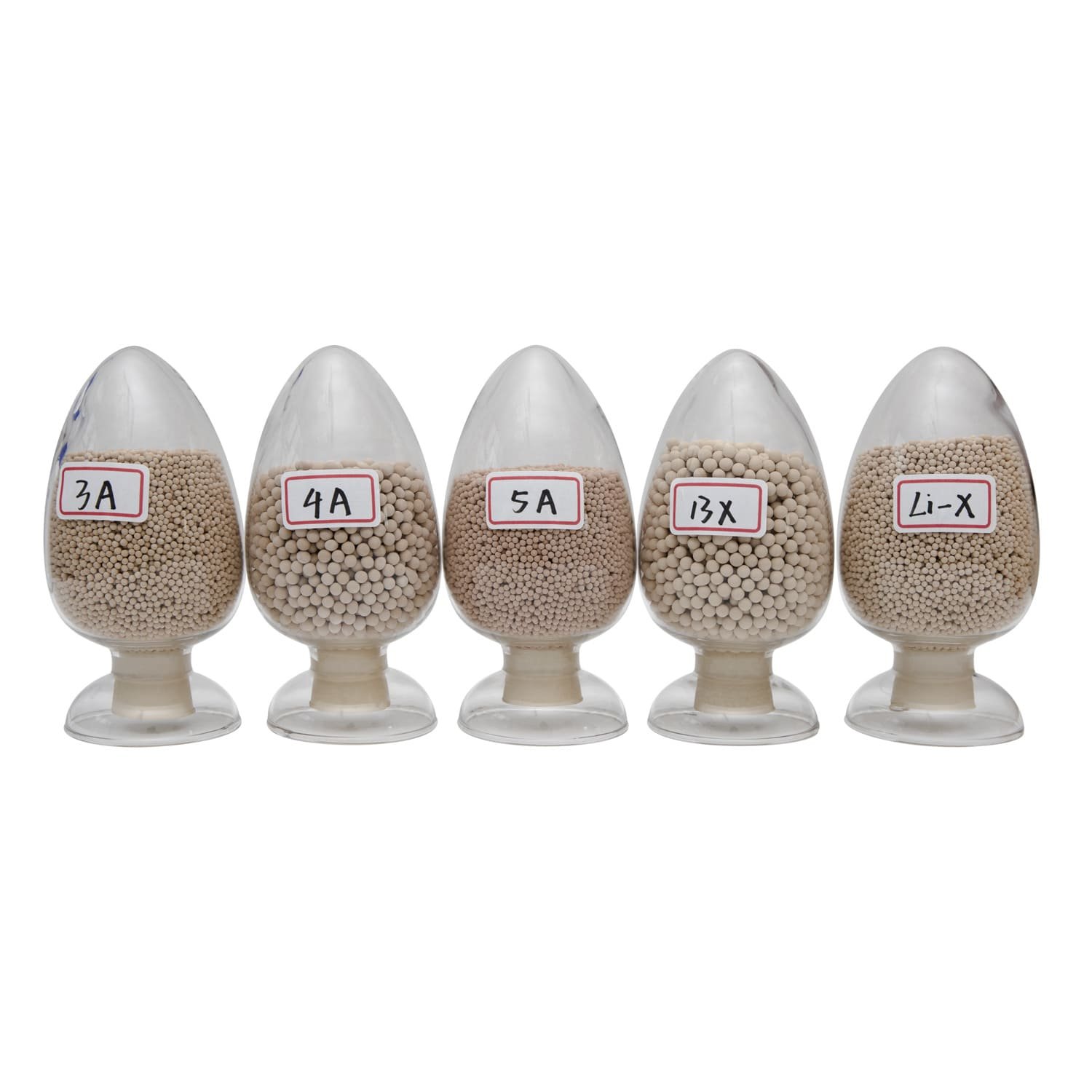
The growth of the green hydrogen[^7] market is directly linked to the need for better purification technology. As we move away from hydrogen made from fossil fuels, new production methods introduce new purification challenges. Molecular sieves are perfectly suited to solve these problems. We are seeing a huge increase in demand from three main areas within the green hydrogen[^7] sector. Each application has unique requirements, but the underlying need for a reliable, high-performance adsorbent remains the same. Our ability to provide stable, high-quality molecular sieves[^2] makes us a key partner in this energy transition. From the point of production to the final point of use, our products ensure that green hydrogen[^7] is also clean hydrogen.
Purification After Electrolysis
Water electrolysis produces hydrogen that is saturated with water vapor. This moisture must be removed before the hydrogen can be used or stored. Our 3A molecular sieve is perfect for this job. Its pores are exactly the right size to trap water molecules while letting the smaller hydrogen molecules pass through untouched. It is a simple, effective, and critical drying step in every electrolysis plant.
Upgrading By-Product Hydrogen
Many industrial processes, like the chlor-alkali process or steel manufacturing with coke ovens, produce hydrogen as a by-product. This hydrogen is often considered a waste stream because it's mixed with CO₂, CO, and other contaminants. With our 5A and 13X-HP molecular sieves[^2], companies can install PSA units to clean this gas. This turns a waste product into a valuable, high-purity hydrogen stream, creating a new revenue source and contributing to a circular economy.
Ensuring Quality at Fueling Stations
Hydrogen used in fuel cell vehicles[^9] must be incredibly pure—at least 99.999%. Even tiny amounts of impurities like sulfur or carbon monoxide can permanently damage the sensitive fuel cell stack. For this reason, many hydrogen fueling stations have a final polishing unit on-site. These units use molecular sieves[^2] to guarantee that every fill meets the strict international purity standards, protecting vehicles and ensuring the safety and reliability of the infrastructure.
What Makes Our Molecular Sieves the Right Choice for Your Hydrogen System?
Choosing the wrong molecular sieve leads to poor performance, frequent shutdowns, and high operating costs. Inconsistent quality from a supplier can put your entire operation at risk. You need a reliable, factory-direct partner you can trust.
We provide factory-level quality[^10] with fully automated production lines. Our granulator-based forming process[^11] creates stronger, more uniform beads with less dust. This means higher efficiency and a longer service life for your hydrogen purification system. We are the ideal long-term partner for your B2B needs.
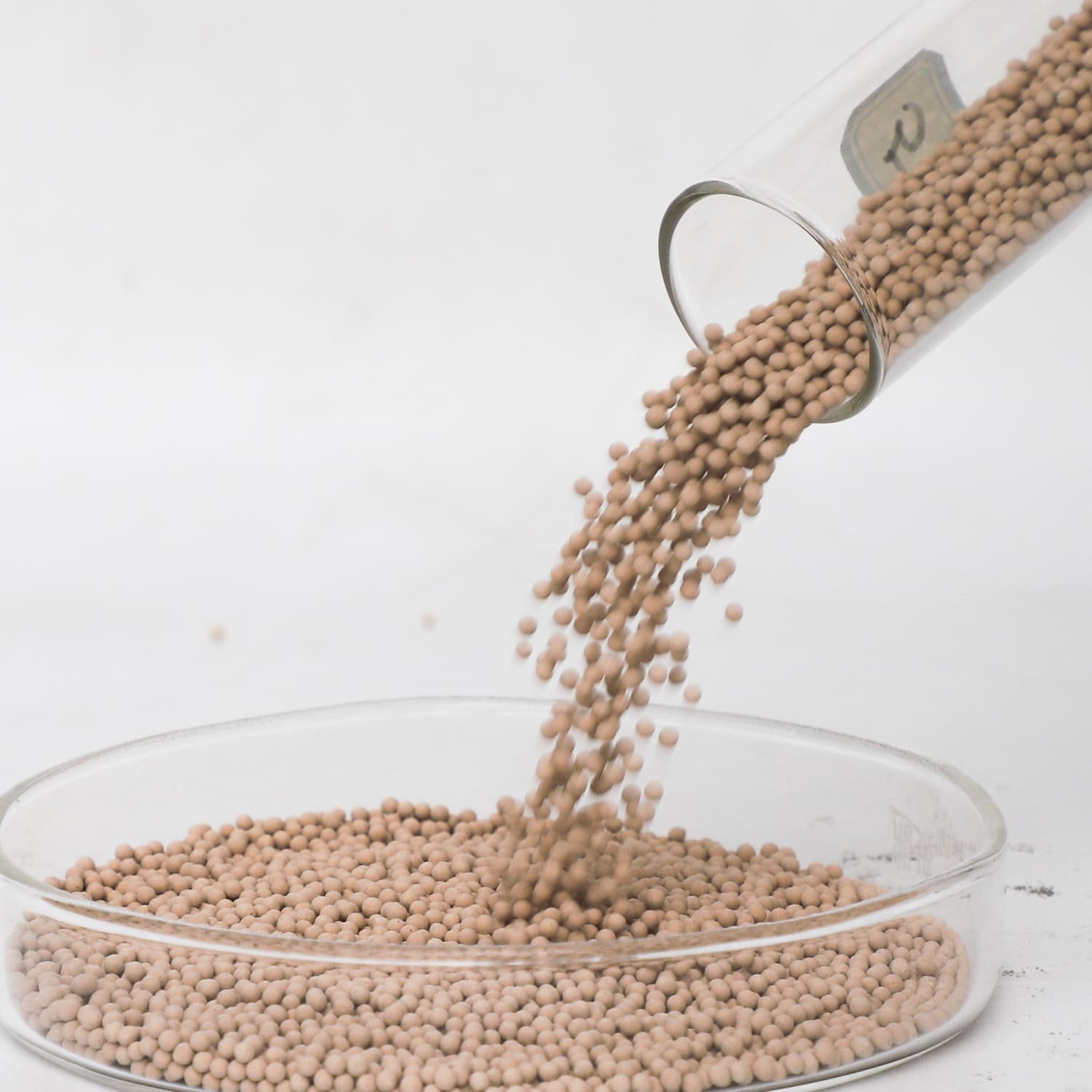
Over my 20 years in the chemical industry, I have learned that the foundation of a premium product is a superior production line. That is why we invested RMB 8 million in a fully automated production facility. For our clients in the hydrogen industry, this investment translates directly into better performance and peace of mind. In a PSA system, consistency is everything. Any variation in bead size, shape, or strength can lead to channeling of gas, pressure drops, and ultimately, a failure to meet purity specifications. Our automated process eliminates these variables, ensuring that every batch we ship meets the same high standards. This is not just a promise; it is a result of our investment in world-class technology.
The Strength of Granulation
One of our biggest advantages is our granulator-based forming process[^11]. Many competitors use an older, sugar-coating pan method. This process builds up the molecular sieve in layers, which can result in weaker beads that easily break down into dust. This dust can clog valves and equipment, leading to costly maintenance and downtime. Our granulation process forms each bead at once, resulting in a more uniform particle with much higher mechanical strength. For our customers, this means a longer-lasting product, less dust in their system, and more reliable, efficient operation over the long term.
A Partner for the Long Haul
We are not just a supplier; we are a manufacturing partner. We specialize in B2B relationships and have extensive experience with OEM/ODM projects for international brands. We welcome distributors, wholesalers, and importers who need a stable, high-quality supply chain. With our large production capacity, we can prepare a container for shipment in just 10 days. We understand the demands of the global market and are built to be a reliable, long-term partner for your growth in the hydrogen sector.
Conclusion
Molecular sieves are not just a component; they are the enabling technology for the hydrogen economy. From production to storage, they ensure the purity and viability of this clean fuel.
[^1]: Exploring PSA technology will help you understand its role in achieving high-purity hydrogen for advanced applications. [^2]: Learning about molecular sieves will reveal their importance in selectively adsorbing impurities to produce clean hydrogen. [^3]: Discovering the significance of pore size will help you choose the right molecular sieve for specific impurities in hydrogen purification. [^4]: Understanding the advantages of these specific sieves will enhance your knowledge of effective impurity removal in hydrogen processes. [^5]: Understanding MOFs will show their potential in increasing hydrogen storage density at lower pressures. [^6]: Learning about physical adsorption will reveal how molecular sieves can store hydrogen safely and efficiently. [^7]: Exploring the link between green hydrogen and molecular sieves will highlight the need for efficient purification technologies. [^8]: Learning about upgrading by-product hydrogen will show how waste streams can become valuable resources. [^9]: Exploring the purity requirements for fuel cell vehicles will highlight the importance of molecular sieves in ensuring quality. [^10]: Understanding factory-level quality will emphasize the need for consistent and reliable products in hydrogen systems. [^11]: Learning about this process will reveal how it enhances bead strength and reduces dust, improving system efficiency.