Skip to content
Struggling with system failures? Moisture in your HVAC or refrigeration lines can cause ice blockages[^1] and corrosion[^2], leading to costly repairs. We have the solution for you.
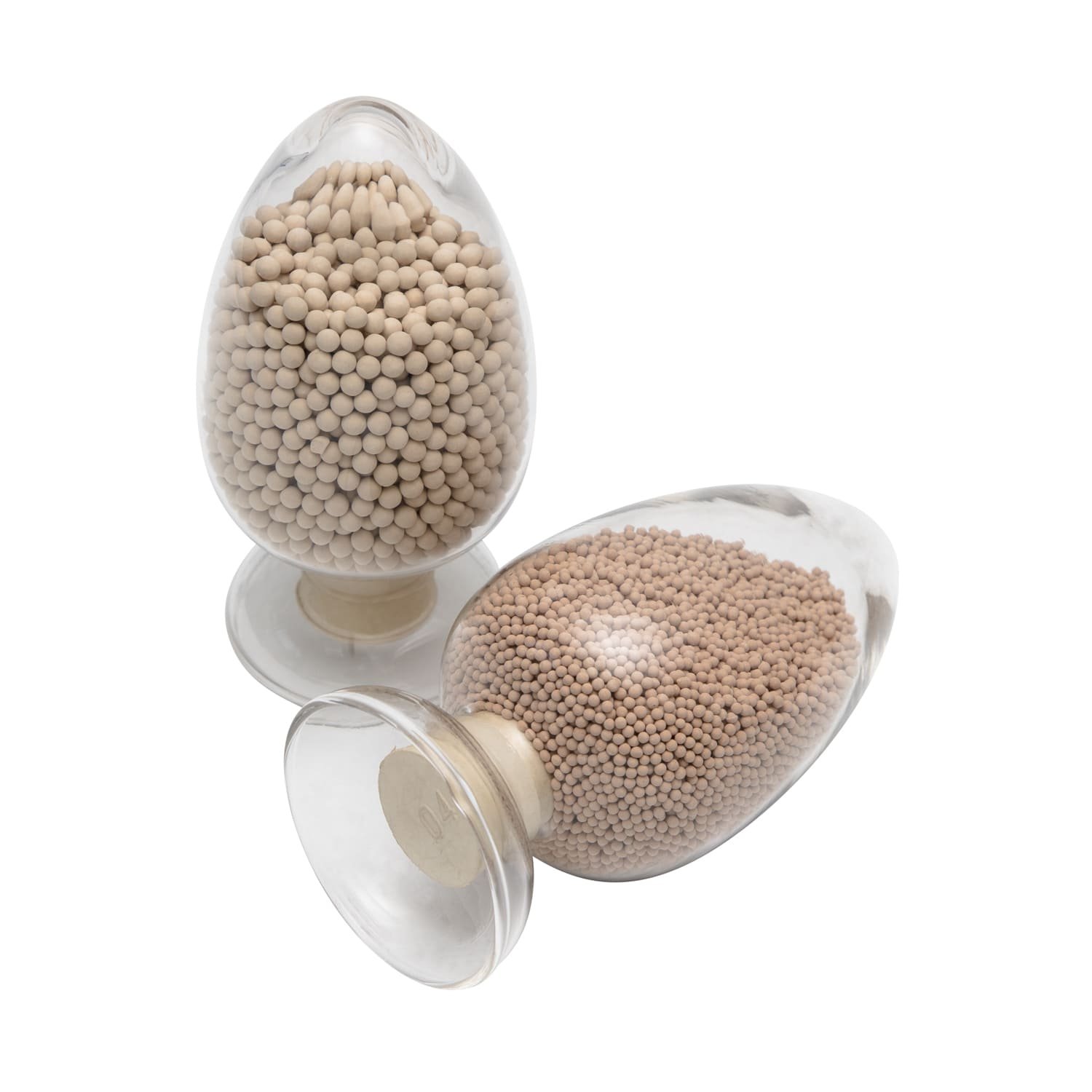
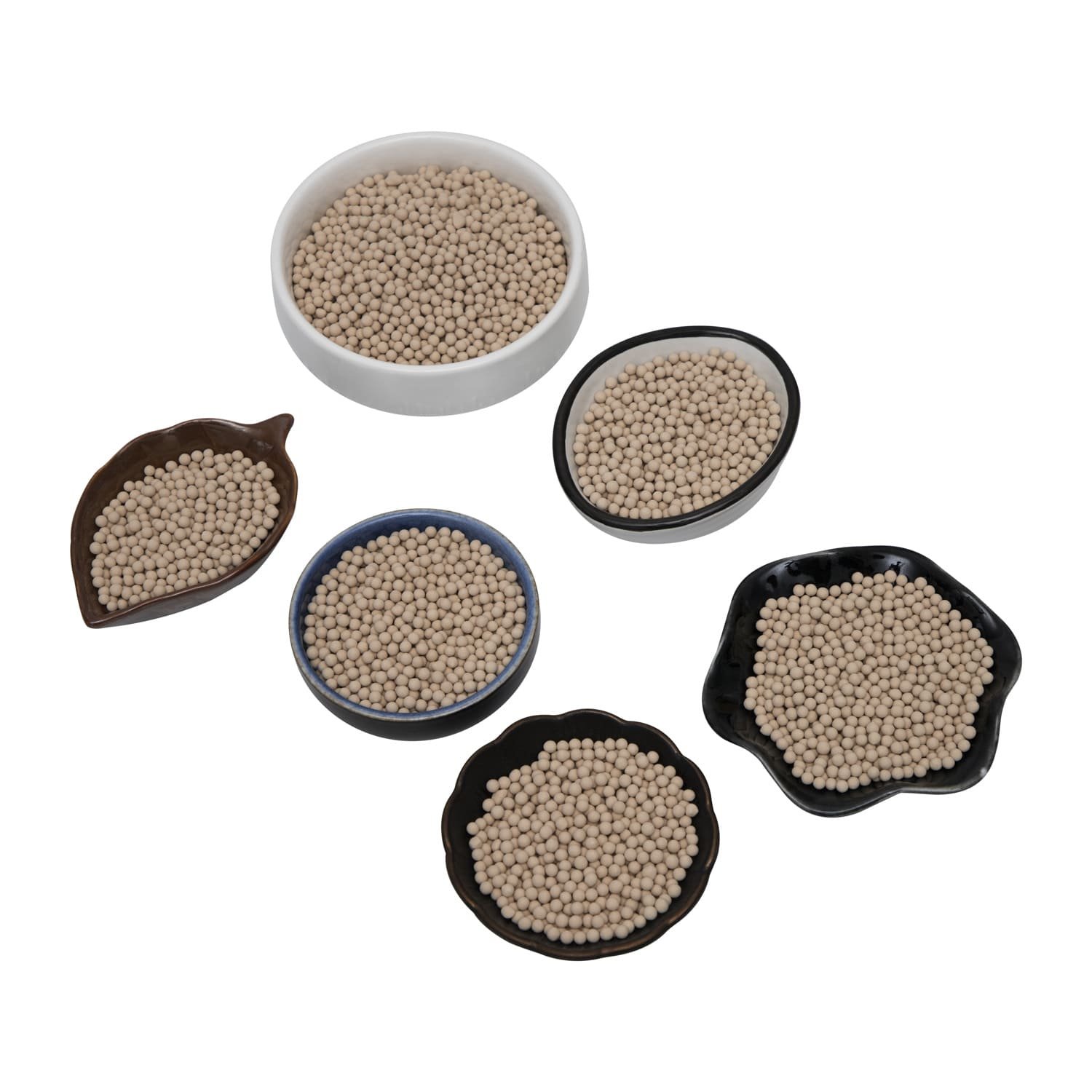
Molecular sieves[^3] protect refrigeration and HVAC systems by acting as powerful desiccants. They are placed in filter driers[^4] to continuously remove moisture, acids, and impurities from the refrigerant. This prevents ice blockages[^1] and corrosion[^2], ensuring the system runs efficiently and reliably for longer.
It's easy to overlook the small components in a large system. But a tiny amount of moisture can bring an entire industrial cooling system to a halt. I've seen it happen. A client once faced repeated compressor failure[^5]s, and the culprit was hidden moisture degrading their lubricant oil. This is where the right molecular sieve becomes not just a component, but the guardian of your entire system. Let's explore exactly how this works and why it's so critical for your operations.
Why is moisture a critical problem in refrigeration systems[^6]?
Is your system's efficiency dropping unexpectedly? Unseen moisture could be forming ice at the expansion valve, choking refrigerant flow and causing major performance issues and damage over time.
Moisture is a critical problem because it freezes at the system's coldest point, typically the expansion valve, causing blockages. It also reacts with refrigerants and lubricants to form corrosive acids, which damage metal components and lead to catastrophic compressor failure[^5].
Moisture is the number one enemy inside a closed-loop refrigeration circuit. Its presence leads to a cascade of failures that can be difficult and expensive to fix. We see two main types of damage that it causes.
The Threat of Ice Blockages
The first and most immediate problem is physical. As the refrigerant passes through the expansion valve or capillary tube, it undergoes a rapid drop in pressure and temperature. If water is present, it will freeze at this point, forming ice crystals. These crystals build up and can completely block the flow of refrigerant. The result is a loss of cooling performance and, eventually, a complete system shutdown. This is why maintaining a very low dew point[^7], sometimes as low as -70°C, is not just a goal, but a necessity for reliable operation.
The Corrosive Nature of Acid Formation
The second problem is chemical and happens over a longer period. Water reacts with certain types of refrigerants and lubricants in a process called hydrolysis[^8]. This chemical reaction creates highly corrosive acids, such as hydrochloric acid (HCl) and hydrofluoric acid (HF). These acids attack the metal components of the system, including copper pipes and the sensitive windings of the compressor motor. This corrosion[^2] weakens the system and creates sludge, which further reduces efficiency. Ultimately, it leads to the breakdown of the compressor, which is the most expensive component to replace.
| Problem Caused by Moisture | Consequence for the System |
|---|---|
| Ice Crystal Formation | Blocks expansion valve, reduces cooling capacity. |
| Acid Formation (Hydrolysis) | Corrodes pipes, damages compressor windings. |
| Lubricant Degradation | Reduces lubrication, causes premature compressor wear. |
| Sludge Formation | Clogs system components, reduces heat transfer. |
How do molecular sieves perform deep drying and acid removal[^9]?
Worried about hidden contaminants wrecking your equipment? Acids and moisture are silent killers in refrigeration circuits. A specialized molecular sieve actively traps them, protecting your long-term investment.
Molecular sieves[^3] use a network of uniform, microscopic pores to physically trap water molecules, achieving dew point[^7]s as low as -70°C. Their specific pore size, like our 3A type, adsorbs water but excludes larger refrigerant molecules, while also adsorbing harmful acids.
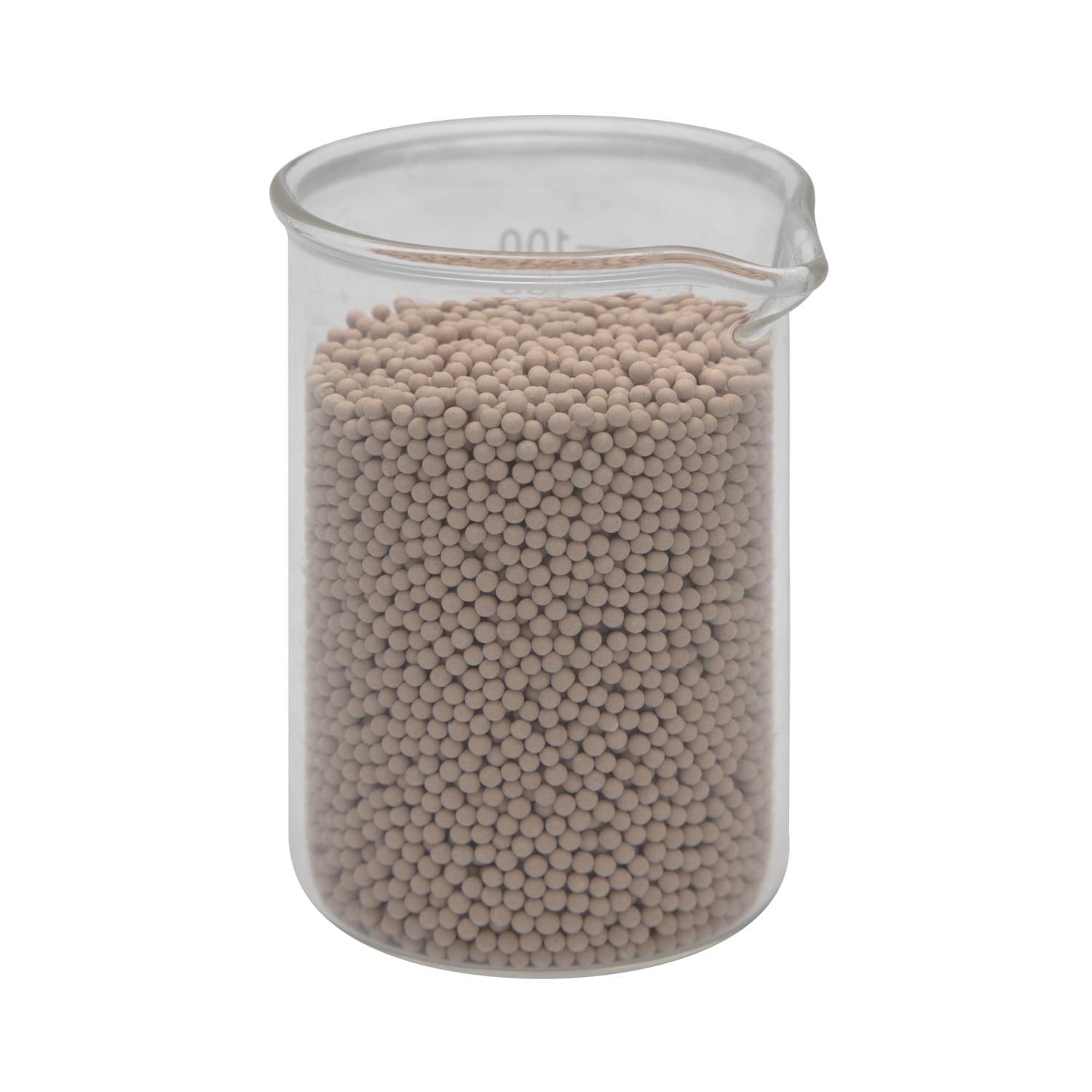
A molecular sieve works on a simple but powerful principle: selective adsorption[^10]. It's not just a sponge; it's a highly engineered material designed to capture specific molecules while letting others pass through freely.
Selective Adsorption: The Key to Purity
The magic is in the pore size. For refrigerant drying[^11], we primarily use a 3A molecular sieve[^12]. The '3A' means the pores have a diameter of 3 angstroms. Water molecules are small, around 2.8 angstroms, so they fit perfectly inside these pores and get trapped. Most common refrigerant molecules, like R-134a (around 4.2 angstroms), are too large to enter. This selectivity is crucial. It allows the sieve to remove damaging moisture without interfering with the refrigerant that does the cooling work. This process is purely physical, locking water away inside the crystalline structure of the sieve.
The Dual Role: Drying and Deacidification
Beyond just water, molecular sieves are also effective at removing the acids we talked about earlier. Molecules like HCl and HF are polar, just like water. The surface inside the molecular sieve's pores has a strong polarity, which attracts and holds onto these acid molecules, effectively neutralizing them. This dual-action capability makes the molecular sieve an essential protector. I remember a client in the pharmaceutical logistics space. Their cold chain trucks were failing mid-route. We found their existing desiccant was breaking down. After we supplied them with our high-strength 3A molecular sieve[^12]s, their maintenance calls dropped by over 60%. It showed how the right material is not just a part, but a complete solution for system purity.
What makes a molecular sieve ideal for refrigerant applications?
Are all desiccants the same? Using the wrong one can lead to dust generation that clogs your system. You need a material designed for the high-pressure, high-vibration environment of HVAC.
An ideal molecular sieve for refrigerants must have high water adsorption capacity[^13], chemical compatibility[^14] with refrigerants and oils, and high mechanical strength[^15] to prevent crushing. Low dust generation is critical to avoid clogging capillaries and valves, ensuring long-term system integrity.
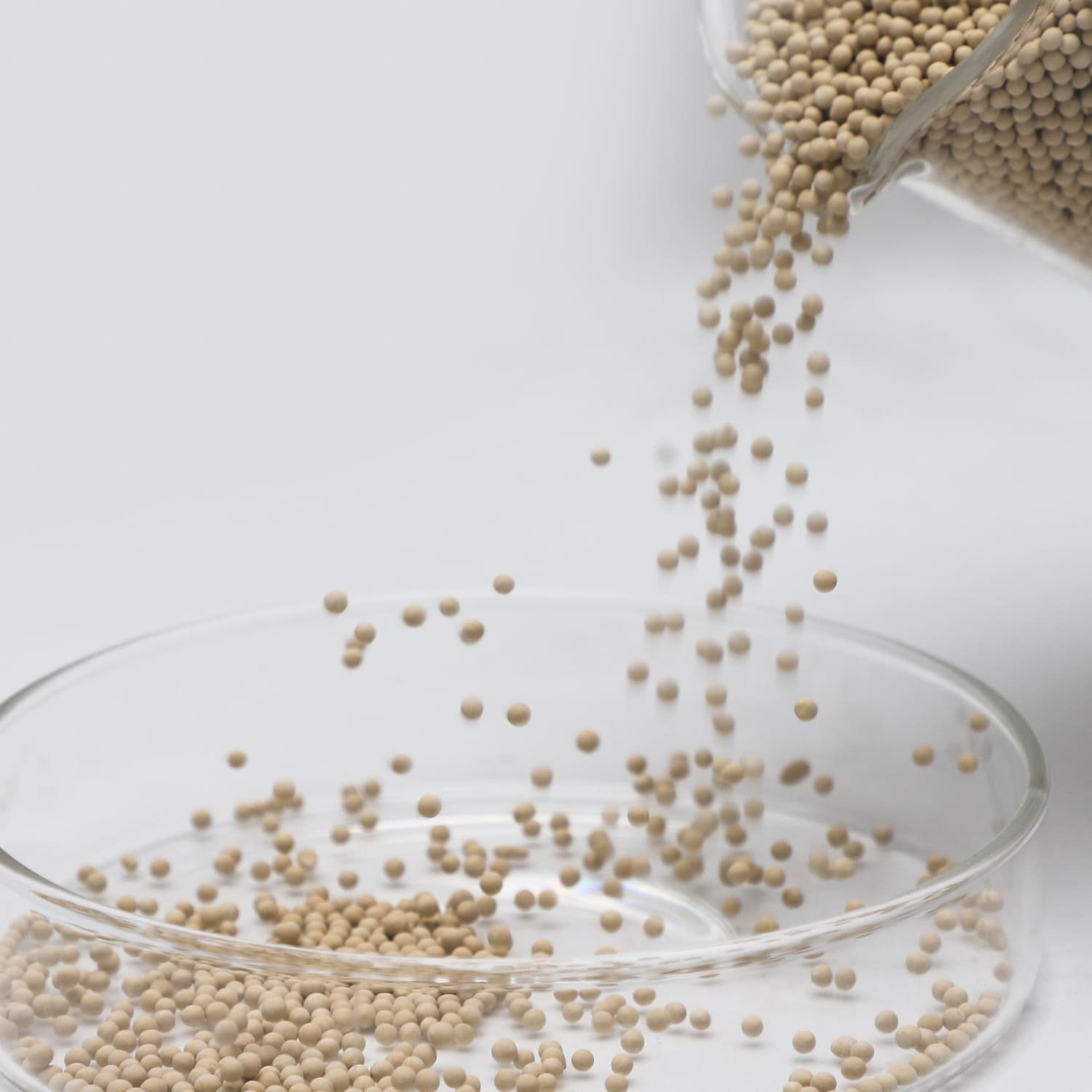
Not all molecular sieves are created equal, especially when they are used in demanding environments like refrigeration systems[^6]. Several key properties determine whether a sieve will protect your system or potentially become part of the problem. As a manufacturer, we focus on optimizing these properties to deliver reliable performance for our OEM and distributor partners.
Beyond Drying: Strength and Durability
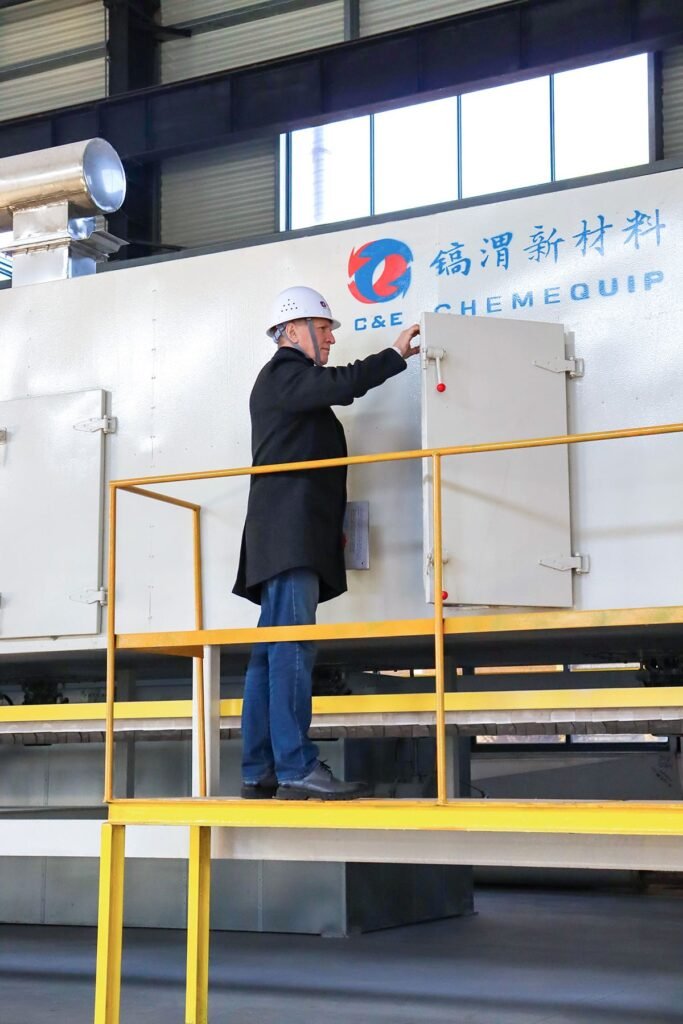
A refrigeration system is a dynamic environment with constant vibration and pressure fluctuations. A molecular sieve needs high mechanical strength[^15] to withstand these forces without being crushed. If the beads break down, they create fine dust. This dust can travel through the system and clog the very fine openings in capillary tubes and expansion valves, causing a failure. Our factory uses a modern granulator-based forming process, which produces beads with more uniform size and much higher crush strength compared to older methods. This is a key reason why international brands partner with us for their production.
The Importance of Low Dust and Compatibility
Low attrition, or low dust generation[^16], is a direct result of high mechanical strength[^15]. It's a critical quality metric. Furthermore, the molecular sieve must be chemically inert. It cannot react with the refrigerant or the various lubricants (like POE or PAG oils) used in the system. Our formulations are rigorously tested to ensure complete compatibility, preventing any unwanted chemical reactions that could create new contaminants. The right sieve provides peace of mind.
| Key Characteristic | Why It's Critical for Refrigerants | Our Advantage |
|---|---|---|
| High Water Capacity | Ensures long service life of the filter drier. | Our optimized formulation provides maximum moisture removal. |
| High Mechanical Strength | Prevents crushing from pressure surges and vibration. | Our granulator-based forming process ensures superior strength. |
| Low Attrition (Dust) | Avoids clogging fine capillaries and expansion valves. | Our advanced process results in less dust than traditional methods. |
| Chemical Inertness | Ensures no reaction with refrigerants or lubricants. | We test and prove compatibility with all common systems. |
When should you replace the molecular sieve in a filter drier?
Unsure if your filter drier is still working? A saturated filter can't protect your system, leaving it vulnerable to moisture and acid damage. Knowing when to replace it is key.
The molecular sieve in a filter drier should be replaced whenever the refrigeration system is opened for service, such as during a compressor change-out or leak repair. It must also be replaced if a sight glass indicates moisture or after a compressor burnout.
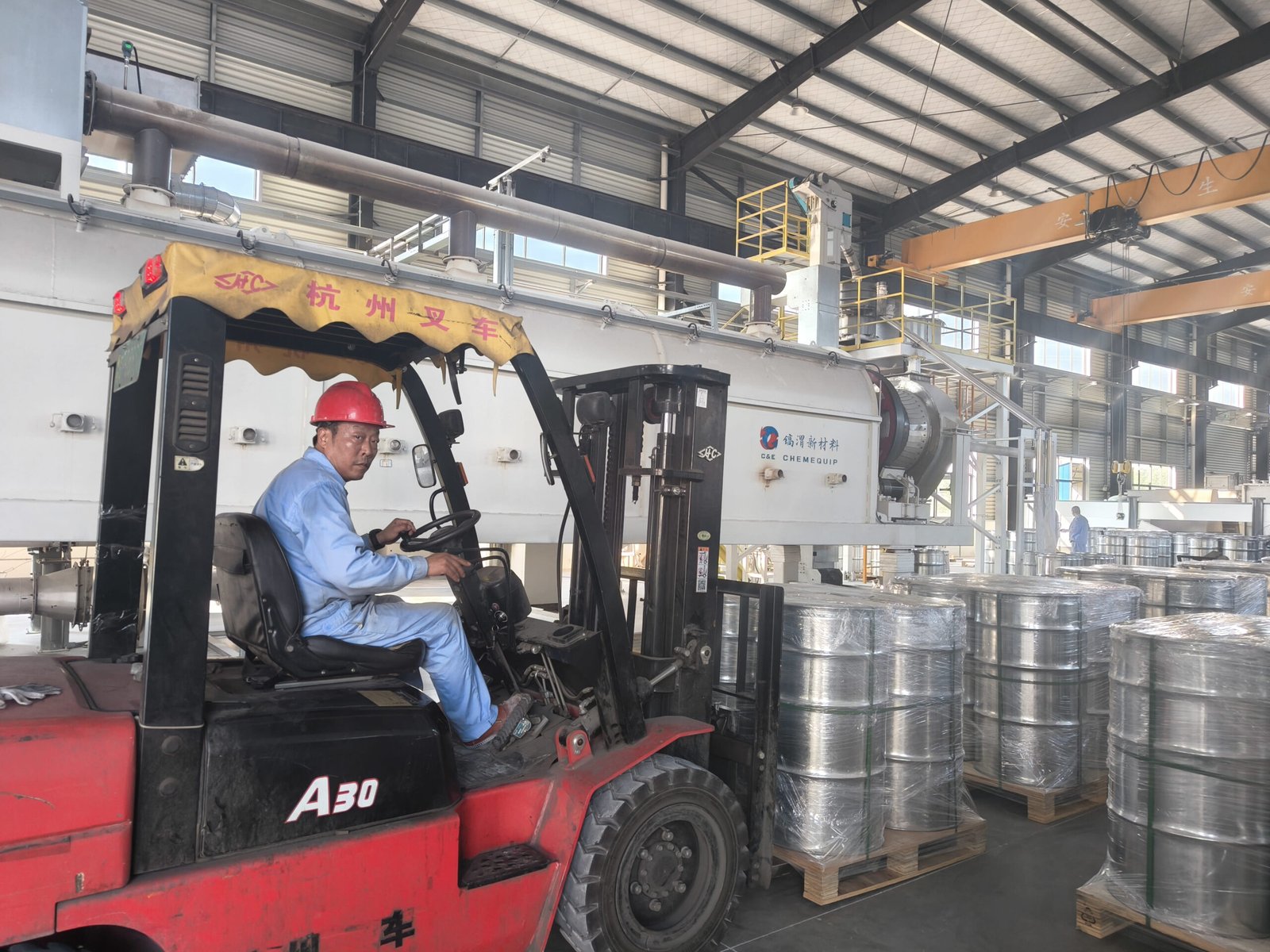
The molecular sieve inside a filter drier works tirelessly, but it has a finite capacity. Once its pores are full of water and acid molecules, it is saturated and can no longer protect the system. Knowing when to replace it is a fundamental part of professional refrigeration service.
Proactive vs. Reactive Replacement
The best practice is to be proactive. The number one rule is to replace the filter drier anytime the sealed system is opened to the atmosphere. When you open the lines for a repair, humid air will enter and introduce a large amount of moisture. The existing filter drier is likely already partially used, and it will not have enough capacity to handle this new moisture load. Trying to save a few dollars by reusing an old filter drier is a costly mistake. As a manufacturer, I've seen the consequences. A customer once reused an old drier after a major repair. Within weeks, the brand new compressor failed. The cost of that mistake was a hundred times the cost of a new drier.
Telltale Signs of a Saturated Filter Drier
There are also clear signs that a filter drier is saturated and needs immediate replacement. Many systems have a sight glass with a moisture indicator that changes color when water is present. If that indicator shows moisture, the drier is full. Another sign is a significant temperature drop across the filter drier, which can indicate a partial blockage. Finally, and most critically, after a compressor motor burnout, the system is filled with acid and carbon. You must install a new, high-capacity burnout filter drier to clean the system before installing the new compressor.
Conclusion
In summary, using high-quality molecular sieves is essential for drying refrigerants, removing acids, and ensuring the long-term reliability and efficiency of any refrigeration or HVAC system.
[^1]: Understand the impact of ice blockages on system efficiency and how to prevent them. [^2]: Discover the causes of corrosion in HVAC systems and effective prevention strategies. [^3]: Explore how molecular sieves function as desiccants to protect HVAC systems from moisture and corrosion. [^4]: Find out how filter driers contribute to the efficiency and longevity of refrigeration systems. [^5]: Identify the leading causes of compressor failure and how to avoid them. [^6]: Learn about the challenges refrigeration systems face and how to mitigate them for better performance. [^7]: Learn about the significance of dew point in maintaining HVAC system performance. [^8]: Explore the chemical process of hydrolysis and its implications for refrigerant systems. [^9]: Understand the mechanism of acid removal by molecular sieves and its importance. [^10]: Discover the principle of selective adsorption and its importance in molecular sieves. [^11]: Learn about the process of refrigerant drying and its significance in HVAC efficiency. [^12]: Explore the specific applications and benefits of using 3A molecular sieves in HVAC. [^13]: Discover the importance of high water adsorption capacity for effective moisture control. [^14]: Explore the importance of chemical compatibility in ensuring effective performance of molecular sieves. [^15]: Learn why high mechanical strength is crucial for the durability of molecular sieves in HVAC systems. [^16]: Understand the advantages of low dust generation in maintaining system integrity.