Struggling with inconsistent molecular sieve[^1] performance? The problem might be your high-temperature sintering process. Getting this step wrong leads to poor quality and wasted materials, costing you time and money.
The key to stable high-temperature sintering is the calcination furnace. A furnace with precise atmospheric control is essential. It provides a stable, high-temperature environment that protects the material's structure, ensuring the final molecular sieve[^1] has the exact properties you need for optimal performance.
I've spent years in the chemical industry, and I've seen firsthand how a single process step can make or break a product. Sintering is one of those critical steps. It’s not just about heating things up; it's about transforming a raw powder into a robust, high-performance material. The magic happens inside the furnace, where we control every variable to build the final product. Let's explore how we make this happen and why it matters so much for your business.
Why is a controllable atmosphere the secret to perfect sintering?
Your materials are sensitive at high temperatures. An uncontrolled atmosphere can cause unwanted chemical reactions, ruining your batch. You need a way to protect your investment during this critical phase.
A controllable atmosphere is the secret because it provides a protective shield. By precisely managing the gases inside the furnace, you prevent oxidation and other side-reactions. This ensures the molecular sieve[^1]'s crystal structure forms correctly, leading to a stable and effective final product.
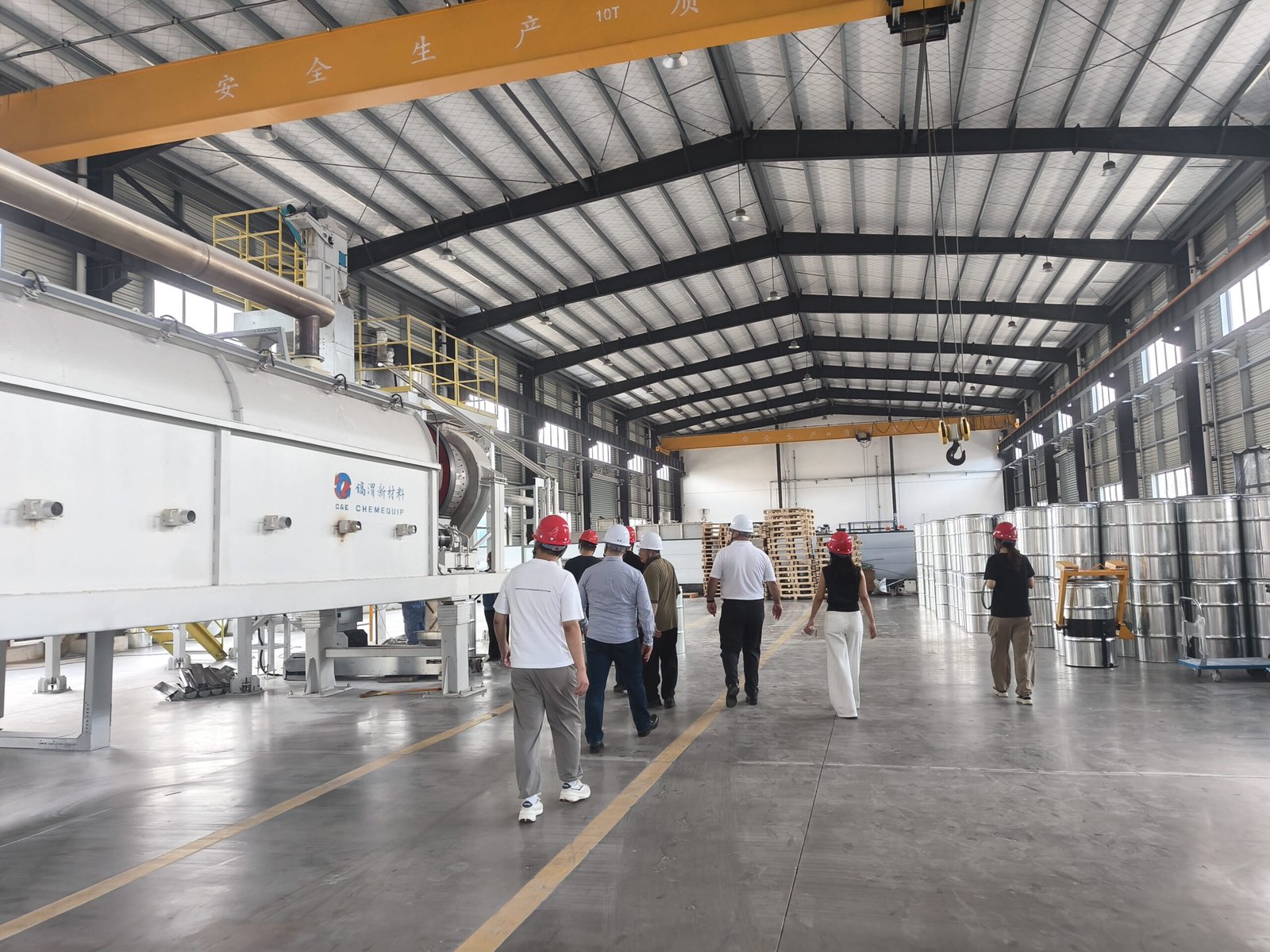
When we talk about sintering, we are basically using heat to make fine powders stick together and form a strong, solid structure. But at these high temperatures, the material is very reactive. If the wrong gases are present, things can go wrong fast. I remember a project early in my career where we were developing a new catalyst. We used a standard furnace without proper atmospheric controls. The result? The entire batch was oxidized and useless. That was a costly lesson. A controlled atmosphere is not a luxury; it's a fundamental requirement for quality.
The Role of Atmosphere in Sintering
The atmosphere's job is to create the perfect environment for the molecular sieve[^1]'s structure to finalize. It dictates the chemical reactions that can or cannot happen.
- Prevents Unwanted Reactions: Many molecular sieve[^1] materials contain components that can easily react with oxygen at high temperatures. A controlled atmosphere, often using inert gases, stops this from happening.
- Ensures Structural Integrity: The final pore structure of the sieve is formed during this stage. A stable atmosphere helps create uniform, consistent pores, which is critical for adsorption performance.
- Removes Impurities: In some cases, the controlled gas flow is used to carry away volatile impurities or byproducts from the binder burnout process, leaving a pure final product.
| Atmosphere Type | Common Gases | Primary Purpose |
|---|---|---|
| Inert | Nitrogen (N₂), Argon (Ar) | To protect oxygen-sensitive materials from oxidation. |
| Oxidizing | Air, Oxygen (O₂) | To burn off organic templates or binders used in forming. |
| Reducing | Hydrogen (H₂), Forming Gas | Used for specific catalyst activation, less common for sieves. |
In our facility, our fully automated production lines have furnaces with extremely precise gas control systems. This allows us to switch between atmospheres and control flow rates with high accuracy. This is a key reason why our products have such stable quality from batch to batch.
How do you choose between an oxidizing and an inert atmosphere?
Choosing the wrong furnace atmosphere can be a disaster. An oxidizing environment can destroy a sensitive material, while an inert one might fail to burn off necessary binders. This decision directly impacts product quality.
Choose an oxidizing atmosphere (air) when you need to burn off organic templates or binders from the material. Use an inert atmosphere (like nitrogen) to protect the molecular sieve[^1]'s structure from reacting with oxygen at high temperatures, which is crucial for sensitive formulations.
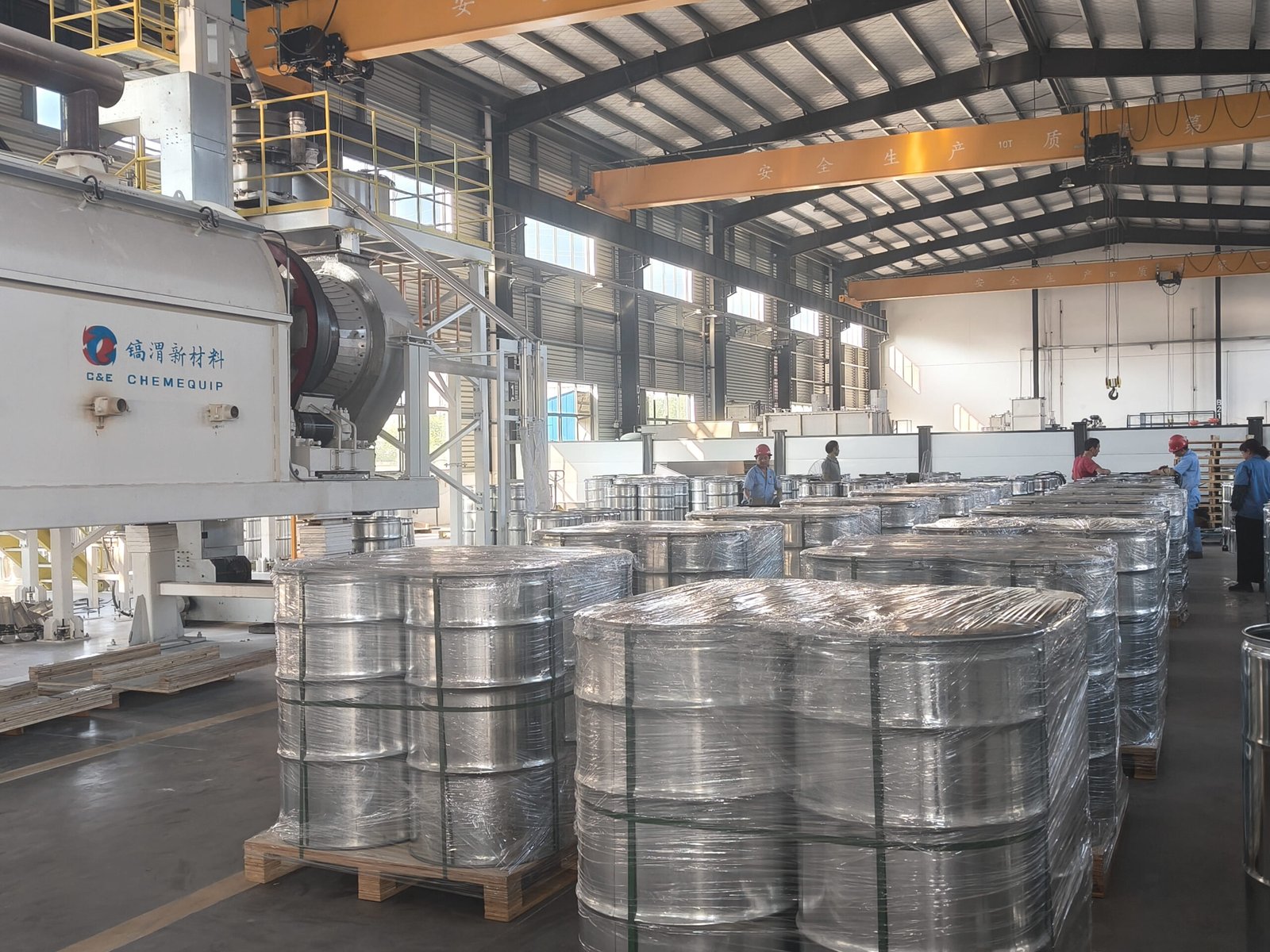
The choice between an oxidizing or inert atmosphere comes down to the specific chemistry of the molecular sieve[^1] you are producing. It’s a fundamental decision we make during the product development phase. Each type of molecular sieve[^1] has its own unique recipe, and the calcination step is where that recipe is "baked" into its final form. A mistake here cannot be corrected later. You have to get the environment right from the start to achieve the desired performance characteristics of the final product.
Making the Right Choice
Let's break down the decision-making process. It’s all about what you need to accomplish during the heating cycle.
- Purpose of Heating: Are you simply trying to strengthen the material (sintering), or do you also need to remove something from it (binder burnout)?
- Material Sensitivity: How stable is the zeolite crystal structure in the presence of oxygen at high temperatures? Some structures can be damaged or altered by oxidation.
Here’s a simple table to guide the choice:
| Scenario | Recommended Atmosphere | Why? | Example Application |
|---|---|---|---|
| Forming with an organic binder or template | Oxidizing (Air) | The oxygen is needed to combust the organic materials completely, leaving behind a pure, porous inorganic structure. | Standard 3A, 4A, 5A molecular sieve[^1] beads. |
| Sintering a sensitive, pre-formed material | Inert (Nitrogen) | The inert gas creates a protective blanket, preventing the material from reacting with any residual oxygen. | Specialty catalysts or oxygen-sensitive zeolites. |
| Two-stage process | Both (Sequential) | A common process involves a low-temperature hold in air to burn off binders, followed by a high-temperature ramp in nitrogen. | High-performance molecular sieve[^1]s like 13X-HP. |
In our production, we often use a two-stage process. We use our advanced furnace controls to start with an air atmosphere to cleanly remove all organic binders. Then, the system automatically purges the chamber with nitrogen before ramping up to the final sintering temperature. This precision is how we guarantee both purity and structural strength.
What furnace features guarantee precise sintering control?
You know you need control, but what does that look like? A basic furnace with a simple on/off switch won't work. Inconsistent heating leads to weak spots, cracks, and poor performance.
To guarantee precise control, a furnace must have multi-zone temperature regulation, programmable heating ramps, and accurate gas flow management. These features ensure every part of the batch heats uniformly and experiences the exact same atmospheric conditions, resulting in a consistent, high-quality product.
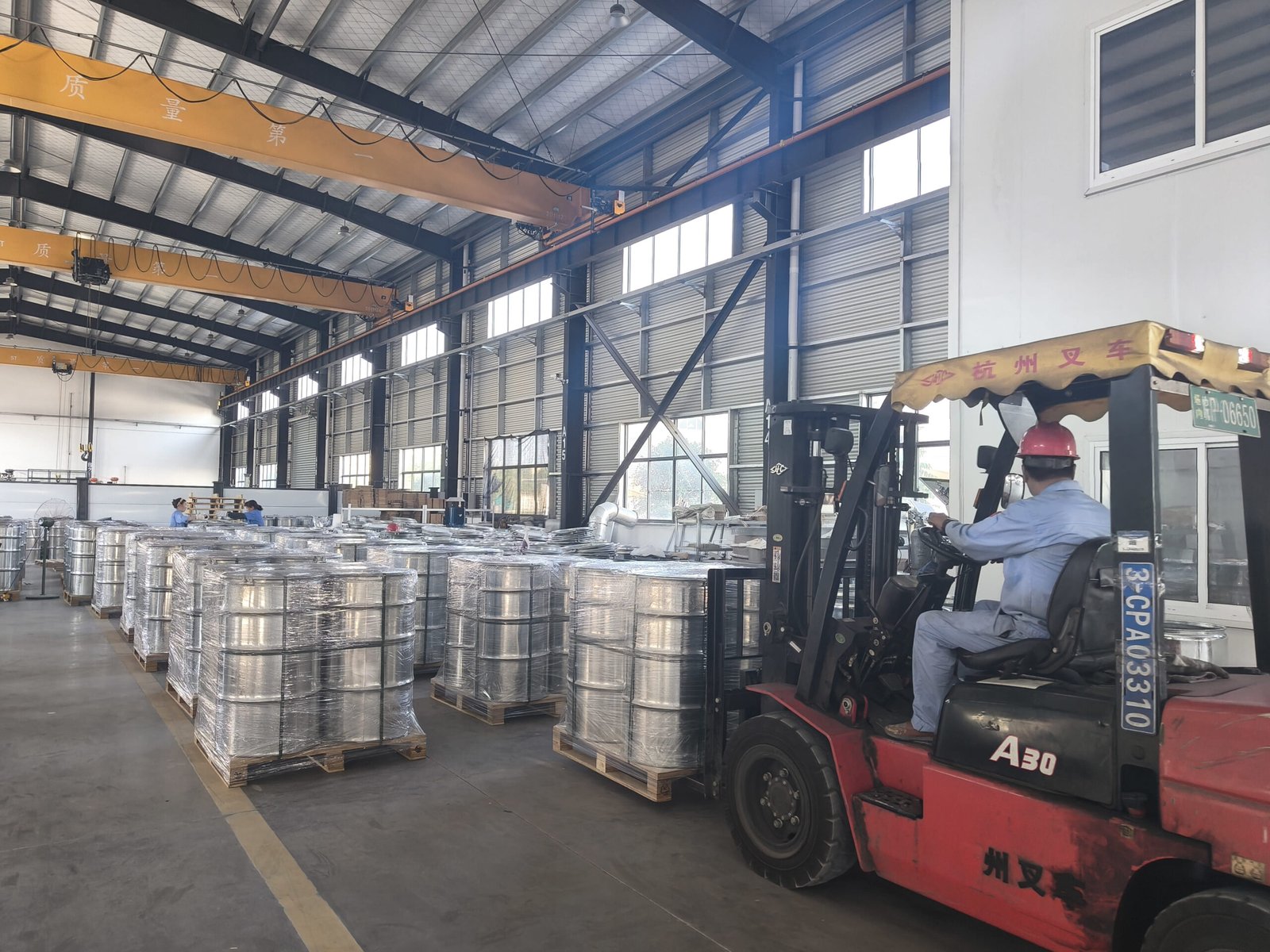
I've seen many factories try to cut costs on their equipment, especially furnaces. But a top-tier production line is the foundation of a premium product. Our investment of RMB 8 million in our automated production line was centered on getting this right. The furnace is the heart of the operation. It's not just a hot box; it's a precision instrument that allows us to build quality into our molecular sieve[^1]s at a molecular level. Without this level of control, producing at a large scale with stable quality is simply impossible.
Key Features of a High-Performance Furnace
Let's look at the specific technologies that make a difference. These are the features that separate a world-class production line[^2] from an average one.
- PID Controllers: Proportional-Integral-Derivative controllers are the brains of the temperature system. They don't just turn the heat on and off. They constantly adjust power to hold temperatures with incredible stability, often within +/- 1°C.
- Multi-Zone Heating: A large furnace can have cold spots. Multi-zone heating uses several independent heating elements and sensors. This ensures the temperature is perfectly uniform from the front to the back and top to bottom.
- Programmable Ramp and Soak: Sintering isn't about just getting to a high temperature. It's about the journey. We program specific heating rates (ramps) and holding times (soaks) to control crystal growth and binder burnout perfectly.
- Mass Flow Controllers (MFCs): For atmospheric control, you can't just open a valve. MFCs precisely measure and regulate the flow of gases like nitrogen and air into the furnace, ensuring the atmosphere is exactly what it needs to be at every stage.
| Feature | What It Does | Impact on Quality |
|---|---|---|
| PID Temperature Control | Maintains a very stable target temperature. | Prevents over-sintering or under-sintering, leading to consistent mechanical strength and pore size. |
| Multi-Zone Heating | Ensures uniform temperature throughout the entire batch of material. | Eliminates weak or poorly formed product. Every bead or pellet is identical. |
| Programmable Cycles | Allows for complex heating profiles with controlled ramps and holds. | Optimizes the removal of binders and the final sintering process for maximum performance. |
| Mass Flow Gas Control | Delivers a precise and repeatable gas atmosphere inside the furnace. | Guarantees protection from oxidation and ensures consistent chemical properties in the final sieve. |
These features work together to create a highly controlled and repeatable process. This is the core of our manufacturing advantage. It allows us to be a reliable, long-term partner for international brands that demand the best.
Conclusion
In short, achieving stable high-temperature sintering depends entirely on the calcination furnace. Precise control over temperature and atmosphere is the key to producing high-quality, high-performance molecular sieves^3[^1]s consistently.
[^1]: Discover the various applications of molecular sieves and how they can benefit your industry. [^2]: Explore the elements of an effective production line to enhance your manufacturing processes. [^3]: Discover the applications of high-performance molecular sieves in various industries.