Skip to content
Struggling with high energy costs for your compressed air system? The wrong adsorbent in your heated dryer leads to inefficiency and moisture problems. We have the solution for you.
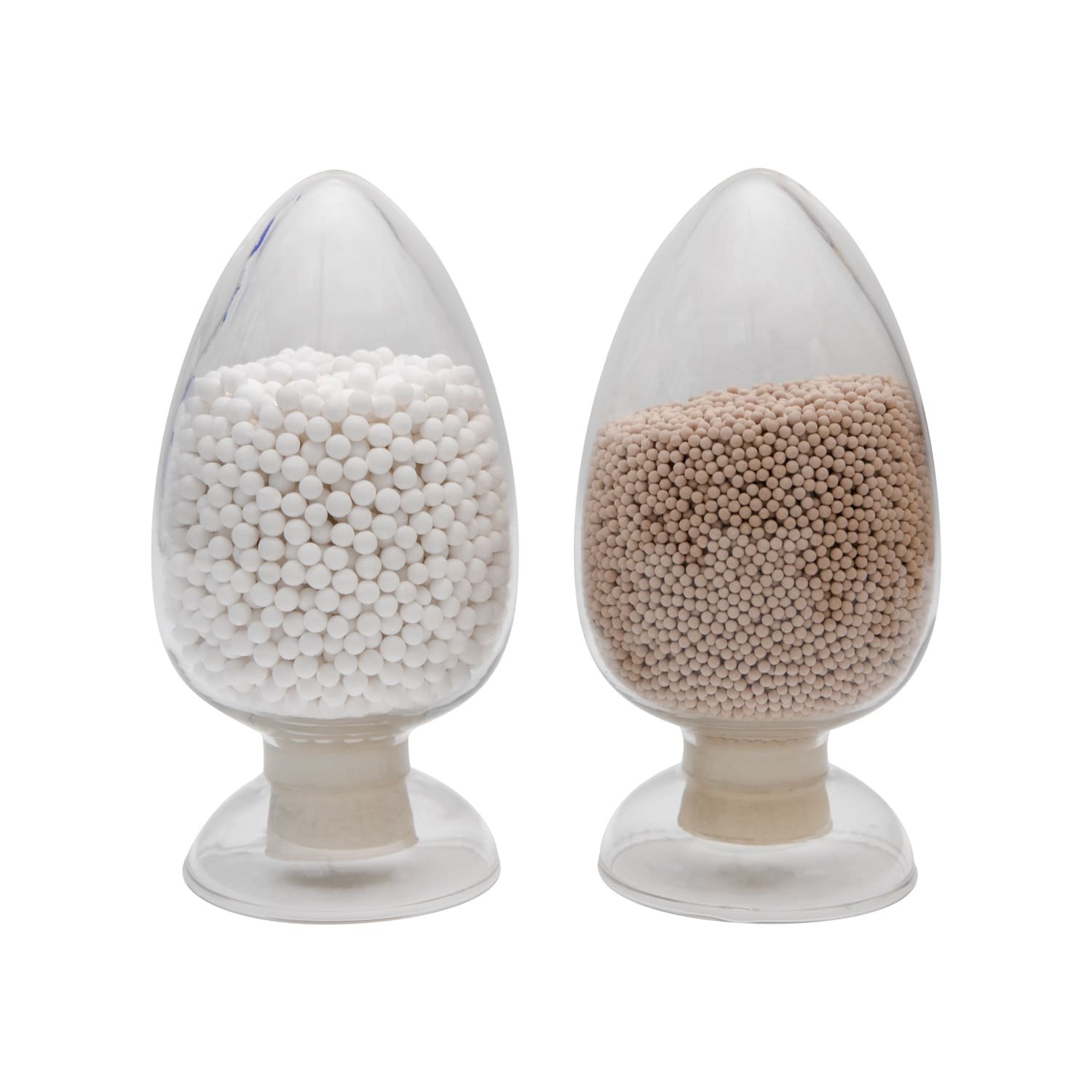
To select the right adsorbent for heated regeneration dryers, you must match the material to your required dew point. Use standard activated alumina for -40°C, high-performance alumina for lower dew points, and a molecular sieve combination for ultra-dry air below -70°C.
Now that you have the quick answer, let's explore why this selection is so critical. For years, I've seen businesses struggle with compressed air quality, and it almost always comes back to the adsorbent. Getting this right saves you money and ensures your system runs without a hitch. Let's dive into the details so you can make the best choice for your operation.
What makes heated regeneration dryers so efficient?
Are your energy bills for air drying too high? Heatless dryers consume a lot of purge air, which is a huge waste of energy. Heated regeneration offers a much more efficient alternative.
Heated regeneration dryers are efficient because they use a small amount of heated purge air to regenerate the adsorbent. This method combines pressure and temperature swing adsorption (PSA/TSA), cleaning the material thoroughly while using significantly less energy than other methods.
When I visit a client's facility, one of the first things I look at is their drying system. Heated regeneration dryers are a smart investment. They work by combining two principles: Pressure Swing Adsorption (PSA) and Temperature Swing Adsorption (TSA). In simple terms, one tower dries the compressed air at high pressure. At the same time, the other tower regenerates its saturated adsorbent.
The magic happens during regeneration. Instead of just using a large volume of dry compressed air (like in heatless dryers), this system takes a small slipstream of that dry air, heats it, and then passes it through the saturated bed. The heat dramatically improves the adsorbent's ability to release the trapped water. This means you need far less purge air to get the job done, which translates directly to lower energy consumption. I remember a client who cut their dryer's operating costs by nearly 40% just by optimizing their heated regeneration cycle. It's a powerful and cost-effective technology.
| Feature | Heated Regeneration Dryer | Heatless Regeneration Dryer |
|---|---|---|
| Energy Source | Internal or external heater | None (uses compressed air only) |
| Purge Air Usage | Low (typically 2-5%) | High (typically 15-20%) |
| Operating Cost | Lower | Higher |
| Initial Cost | Higher | Lower |
When is standard activated alumina the best choice?
Do you need reliable air drying without overspending on adsorbents? Choosing an overly complex or expensive material for standard needs is a common and costly mistake. There is a simpler, more economical way.
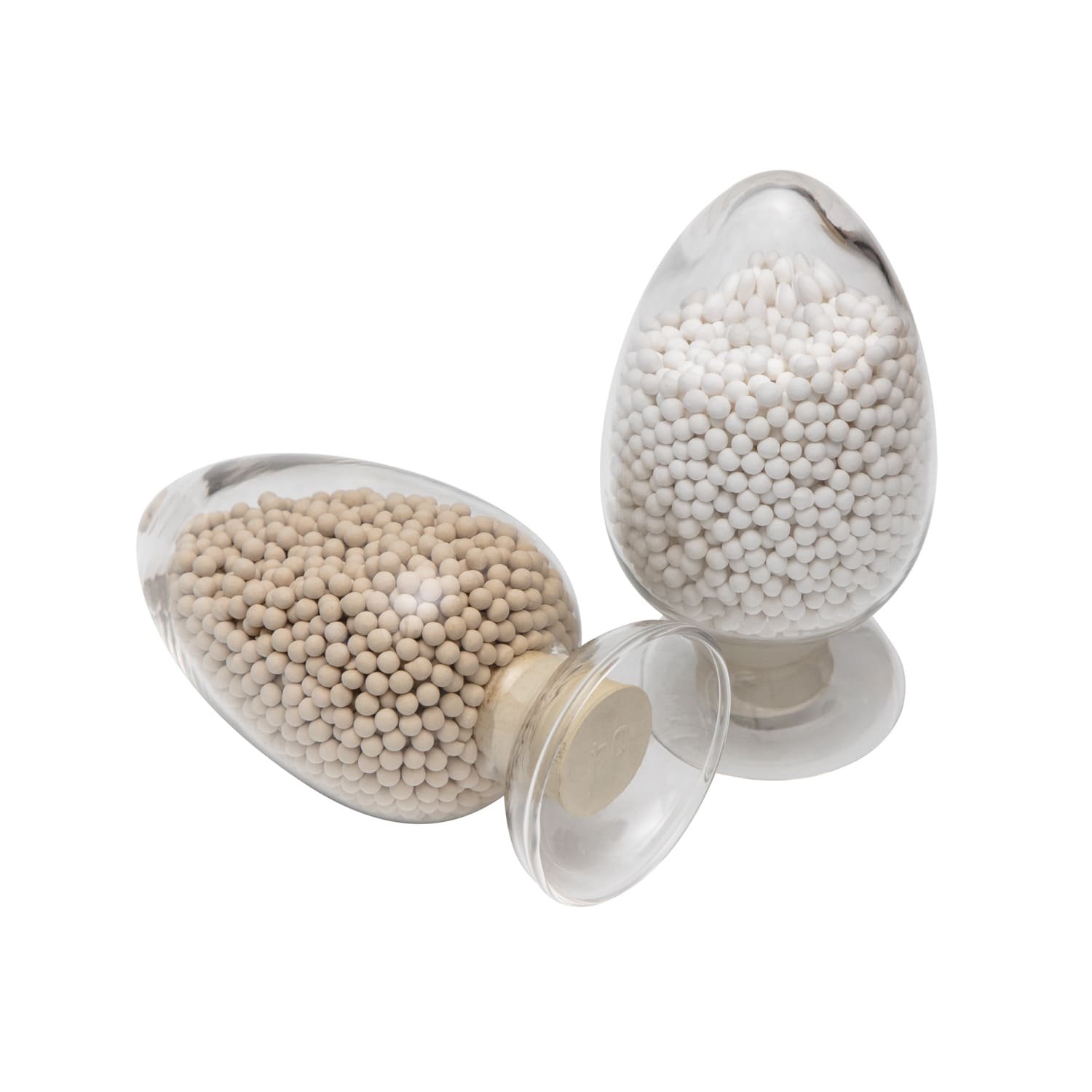
Standard activated alumina is the best choice for general industrial drying that requires a pressure dew point of -40°C. It offers high mechanical strength, excellent crush resistance, and is very cost-effective. This makes it the ideal solution for many traditional applications.
For many of our customers, the goal is straightforward: get reliable, dry air to a -40°C pressure dew point. This is the standard for most industrial applications to prevent corrosion and equipment freeze-ups. In these cases, I almost always recommend our standard activated alumina. It's the workhorse of the industry for a reason. It does the job effectively and is very budget-friendly.
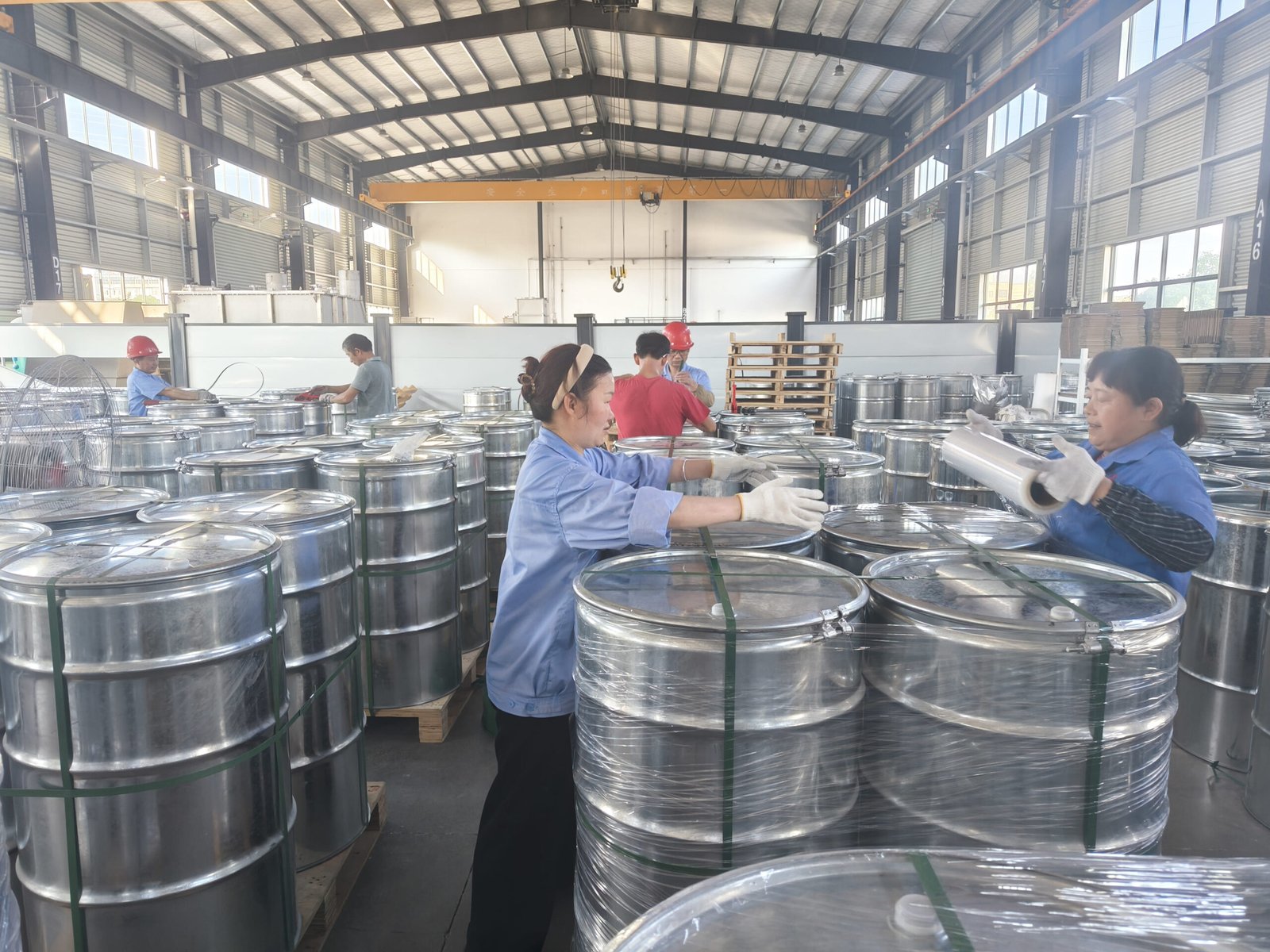
What makes our product stand out is its physical quality. We don't use the old sugar-coating pan process. Our production line uses a modern granulator-based forming process. This results in beads that are more uniform in size and have much higher mechanical strength. For you, this means less dust in your system, which can clog filters and valves. It also means the adsorbent lasts longer because it doesn't break down as easily from the pressure swings in the dryer. We invested RMB 8 million in this production line because we believe a superior product starts with a superior process. It’s the foundation that allows us to be a stable, long-term partner for our B2B clients.
| Parameter | Specification | Benefit for You |
|---|---|---|
| Target Dew Point | -40°C / -40°F | Industry standard for general drying |
| Mechanical Strength | High | Resists crushing, less dust, longer life |
| Cost | Economical | Lowers total cost of ownership |
| Common Use Cases | Compressed air systems, industrial gas drying | Versatile and reliable performance |
How can you achieve lower dew points without breaking the bank?
Do you need drier air than standard alumina can provide? But are you worried about the high cost of filling your entire dryer with premium adsorbents? There is a smart strategy to get better performance affordably.
To achieve lower dew points cost-effectively, use a dual-layer filling strategy. Combine standard activated alumina at the bottom with a layer of our high-performance activated alumina on top. This hybrid approach significantly boosts drying efficiency without the full cost of a premium-only bed.
Sometimes, -40°C isn't quite dry enough. Certain processes, like in the food and beverage or electronics industries, might require a dew point closer to -60°C. The immediate thought is often to switch entirely to a high-cost, premium adsorbent. However, a much more cost-effective solution is a dual-layer approach. We've helped many clients implement this.
Here’s how it works: You fill the bottom 70-80% of the adsorbent bed with our standard activated alumina. This layer does the heavy lifting, removing the bulk of the moisture from the wet incoming air. Then, you fill the top 20-30% of the bed with our high-performance activated alumina. This premium material has a greater surface area and a more uniform pore structure, allowing it to "polish" the air by capturing the remaining trace amounts of moisture. This gets you to that lower dew point without the expense of a full bed of premium material. It’s a perfect example of how we provide customized OEM solutions that balance performance and cost for our partners.
What is the secret to achieving ultra-low dew points below -70°C?
Do your precision instruments or pharmaceutical processes demand extremely dry air? Even tiny amounts of moisture can ruin sensitive products and equipment. You need a surefire way to reach ultra-low dew points.
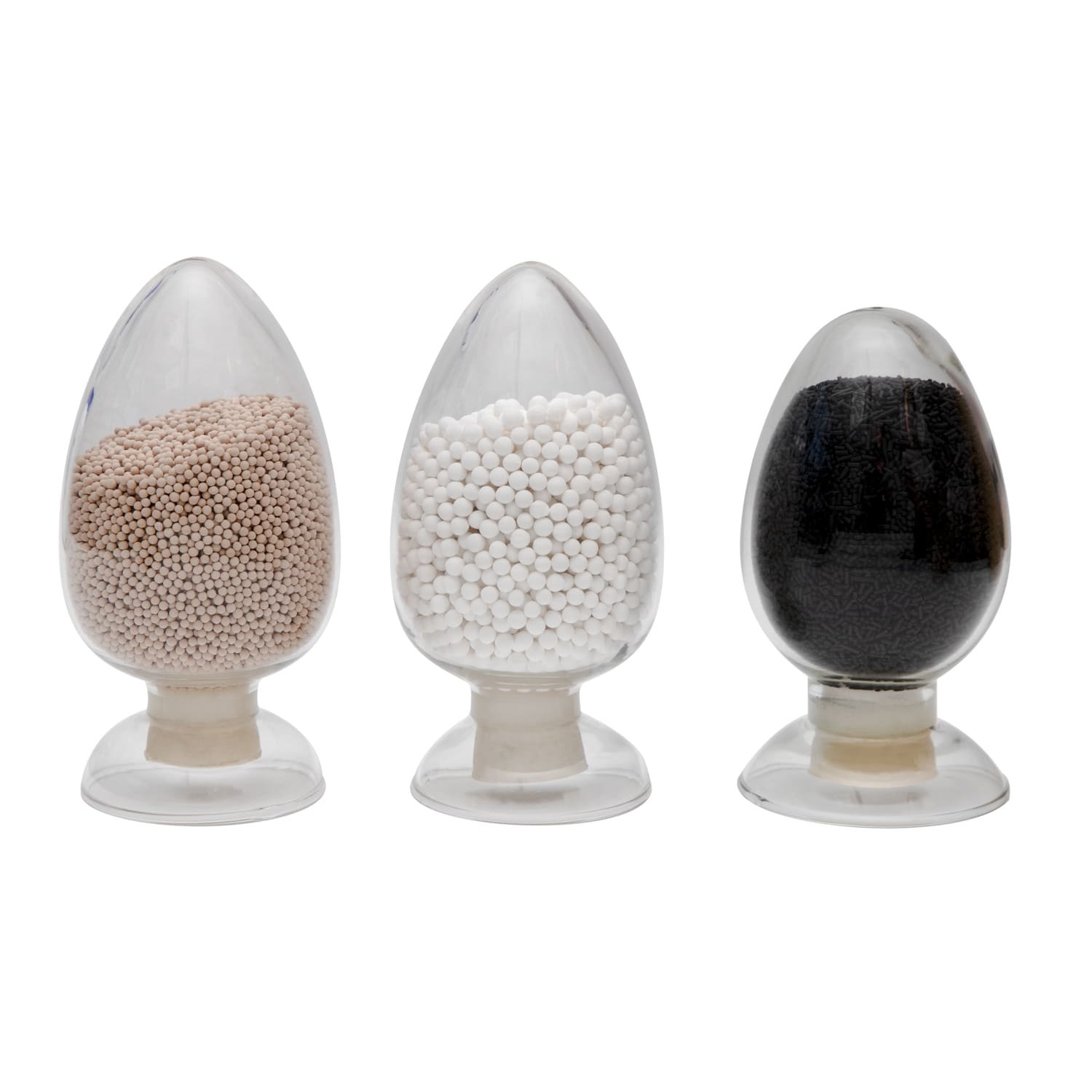
The secret to achieving ultra-low dew points below -70°C is to combine high-performance activated alumina with a molecular sieve. The molecular sieve's uniform crystal structure and precise pore size give it an exceptional ability to capture the last traces of water molecules.
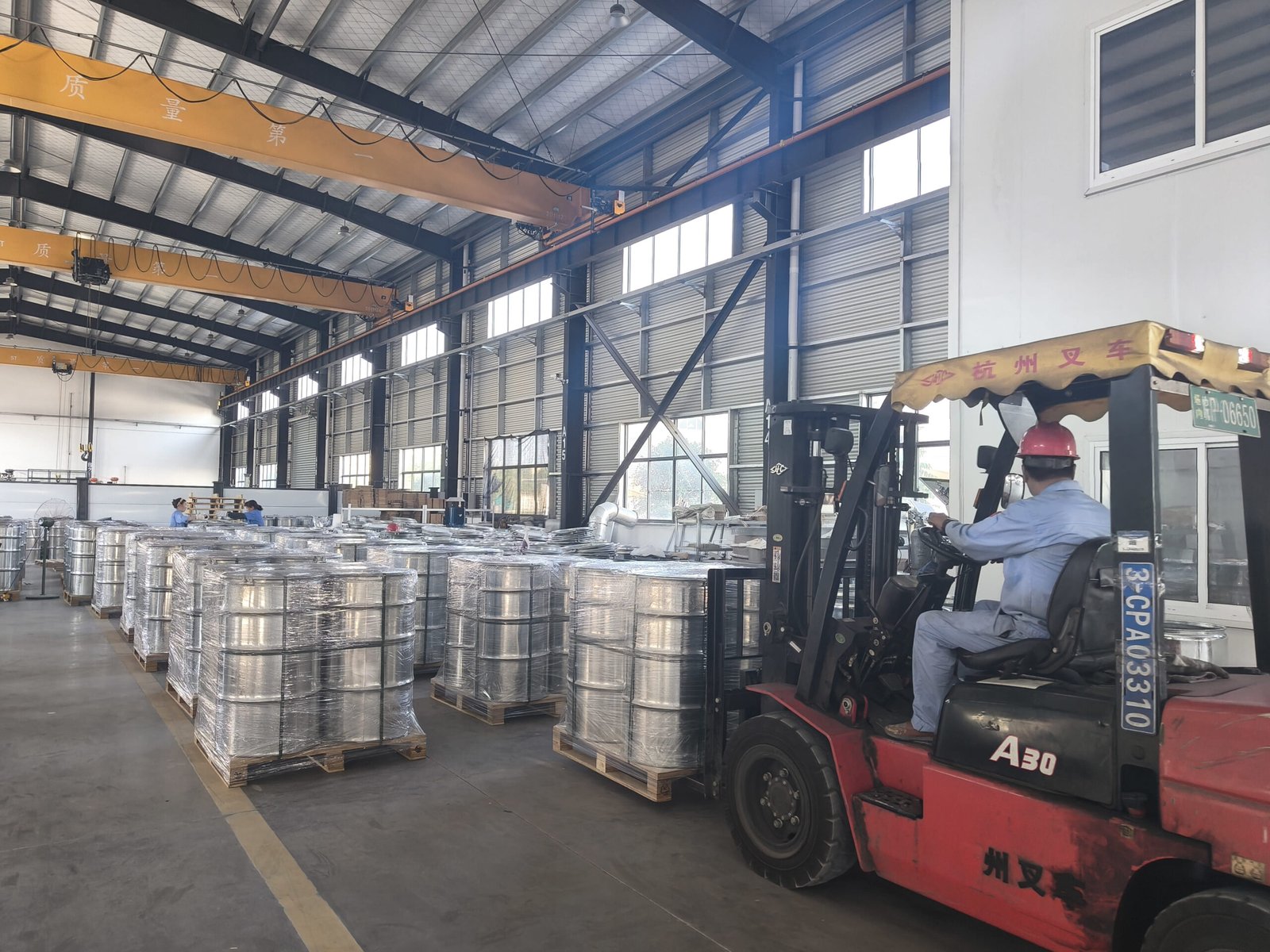
For the most critical applications, like in pharmaceutical production or specialty chemical manufacturing, you need to go beyond what activated alumina alone can do. When a client tells me they need a dew point of -70°C or even lower, my recommendation is always a combination of activated alumina and molecular sieve. This is the ultimate solution for ultra-dry air.
We use a layered bed here as well. The bottom layer is activated alumina, which acts as a protective buffer. It removes the bulk moisture, which prevents the molecular sieve from becoming overwhelmed. The top layer is a molecular sieve, such as our 3A type. A 3A molecular sieve has a pore opening of exactly 3 angstroms. This is just large enough to trap tiny water molecules but too small for larger molecules like nitrogen or oxygen to enter. This incredible selectivity is what allows it to pull out the final parts-per-million of water vapor, achieving those ultra-low dew points. It’s not just about drying; it's about molecular-level separation. This is the kind of high-performance solution we specialize in providing for brands that need to guarantee the absolute highest purity in their processes.
| Adsorbent Type | Role in Hybrid Bed | Key Feature |
|---|---|---|
| Activated Alumina | Pre-drying (Bottom Layer) | High water capacity, protects molecular sieve |
| Molecular Sieve (3A) | Deep-drying (Top Layer) | Precise pore size, exceptional water selectivity |
Conclusion
Carefully selecting and layering adsorbents based on your dew point needs ensures optimal performance, extends equipment life, and lowers your operating costs.