Struggling with bubbles and defects in your polyurethane products? This common issue, caused by trace moisture, ruins quality and shortens pot life. A specialized additive is the key to solving it.
CHEMEQUIP's molecular sieve activated powder^1[^2] is the definitive solution. This high-performance additive is specifically designed to be mixed into your PU system, where it actively removes trace moisture, preventing the chemical reactions[^3] that cause bubbles, foam, and other costly defects.
You might be wondering how such a tiny amount of water can cause such big headaches in production. The chemistry behind it is simple but destructive, turning what should be a smooth process into a constant battle for quality. But once you understand the root cause, the path to a perfect finish becomes clear. Let's break down exactly why moisture is the enemy of high-quality polyurethane and how our activated powder works to defeat it.
Why Does Trace Moisture Wreak Havoc on Polyurethane Quality?
You carefully formulate your PU system, but still get bubbles and a short pot life. This wastes materials and time, leading to inconsistent product quality and unhappy customers.
Trace moisture in raw materials like polyols reacts with isocyanates. This unwanted side reaction produces carbon dioxide (CO2) gas[^4], which forms bubbles and foam, ruining the final product's integrity and appearance and shortening its pot life.
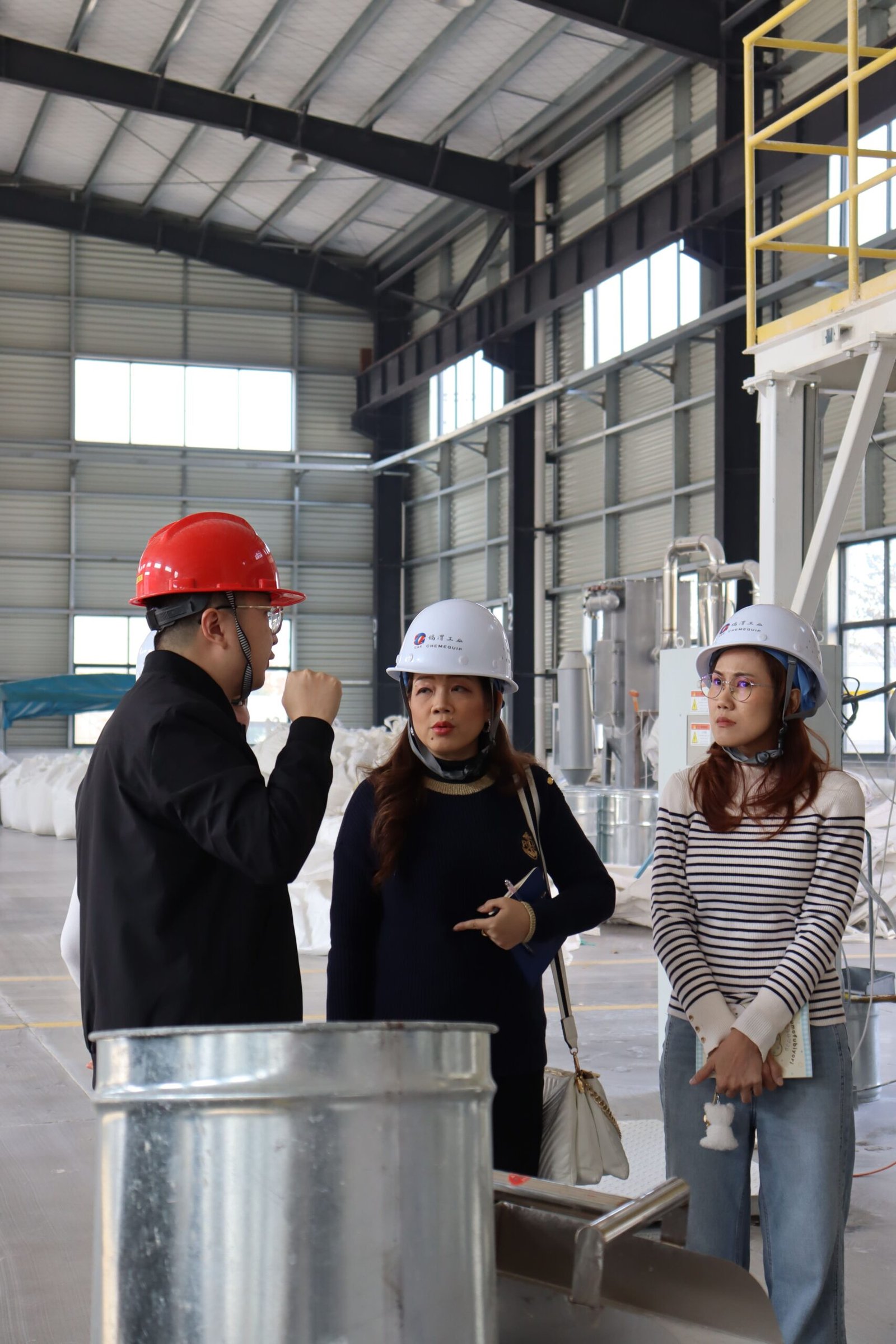
The core of the problem lies in a simple, yet destructive, chemical reaction. Isocyanate components are extremely reactive, and one of the things they react most readily with is water. Even moisture present in parts-per-million levels in your polyols or other additives is enough to trigger this reaction: Isocyanate + Water → Amine + Carbon Dioxide (CO2).
This creates two major problems that I've seen derail countless production runs.
1. Physical Defects from Gas Generation
The CO2 produced is a gas. As the polyurethane system begins to cure and thicken, this gas gets trapped. It manifests as unwanted bubbles, pinholes, and even large voids in the final product. This not only ruins the surface appearance but also compromises the material's structural integrity and mechanical properties, such as tensile strength and abrasion resistance.
2. Unstable Pot Life from Exothermic Reaction
The reaction between water and isocyanate is also exothermic, meaning it releases heat. This extra heat accelerates the main polyurethane curing reaction, drastically shortening the system's pot life. What should have been a 30-minute working time might suddenly become 15 minutes, giving operators insufficient time to mix, pour, and apply the material correctly. This leads to rushed work, application errors, and wasted batches.
| Issue | Contaminated System (With Moisture) | Clean System (Without Moisture) |
|---|---|---|
| Reaction | Isocyanate reacts with water and polyol | Isocyanate reacts only with polyol |
| Byproduct | Carbon Dioxide (CO2) gas | None |
| Appearance | Bubbles, pinholes, foam | Smooth, clear, defect-free |
| Pot Life | Short, unpredictable | Stable, as specified |
How Can Molecular Sieve Activated Powder Solve This Moisture Problem?
You're tired of fighting moisture with heating or vacuum methods that don't work consistently. This uncertainty in your production process is costly. A purpose-built additive can eliminate moisture at the molecular level.
Our activated powder acts as a powerful desiccant[^5]. When added to the polyurethane system, its microporous structure[^6] selectively traps and holds water molecules, effectively removing them from the raw materials before they can react with the isocyanates.
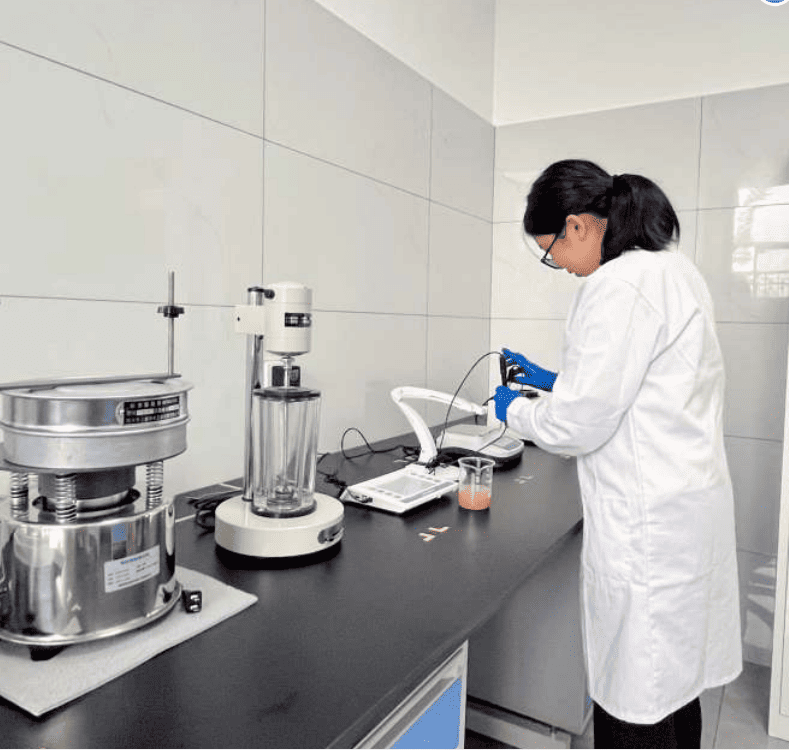
Our solution is an advanced material we call molecular sieve activated powder[^2]. Think of it as a highly specialized moisture scavenger. We produce it by taking high-grade raw molecular sieve powder and putting it through a rigorous high-temperature activation process. This process completely removes any water from the powder's crystalline structure, making it extremely "thirsty" for moisture.
The real magic is in its selectivity. The powder is based on our 3A molecular sieve technology[^7], meaning the pores in its structure are precisely 3 Angstroms in diameter. This detail is critical. Water molecules are small enough (about 2.8 Angstroms) to easily enter these pores and become trapped. However, the larger molecules of your polyols, isocyanates, and other essential formula components are too big to enter.
This means our activated powder only removes the single component causing all the trouble—water. It doesn't interfere with your primary curing reaction. Because it’s a fine powder with excellent dispersibility, it mixes smoothly into the liquid components, working silently in the background to protect your entire batch from moisture contamination from the moment it's added.
What Are the Real-World Benefits of Using CHEMEQUIP's Activated Powder?
Solving the moisture problem is one thing, but what does it mean for your bottom line? You need improvements that you can see in your product and on your production floor.
You'll see a dramatic improvement in product quality with no bubbles or foam. It also stabilizes the reaction process and significantly extends the pot life, giving your team more operational flexibility[^8] and ensuring consistent, high-performance results.

Incorporating our molecular sieve activated powder[^2] isn't just about fixing a problem; it's about upgrading your entire operation. Based on years of working with global brands, I've seen our partners achieve tangible benefits that directly impact product quality and production efficiency.
First, the most obvious benefit is a superior final product[^9]. By eliminating CO2 generation, you get a finish free of bubbles, pinholes, and foam. This leads to better aesthetics and, more importantly, improved physical properties. The polymer matrix forms as intended, resulting in better durability, adhesion, and overall performance.
Second, you gain enhanced process stability[^10]. By preventing the unwanted exothermic reaction[^11], the curing process becomes predictable and repeatable. The pot life remains consistent with your formulation's specification, batch after batch. This reliability is the foundation of any high-quality manufacturing process.
Finally, this stability translates into greater operational flexibility[^8]. A longer, more predictable pot life gives your team more time to handle the material. This is especially critical for large pours, complex molds, or intricate coating applications. It reduces worker stress and minimizes the risk of costly errors from rushing.
| Metric | Before (With Moisture Issues) | After (Using CHEMEQUIP Powder) |
|---|---|---|
| Product Appearance | Bubbles, foam, surface defects | Smooth, defect-free finish |
| Physical Properties | Compromised, inconsistent | Optimal strength and durability |
| Pot Life | Short, unpredictable, varies by batch | Stable, extended, and reliable |
| Process Control | Difficult, stressful, high waste | Easy, repeatable, low waste |
Conclusion
CHEMEQUIP's molecular sieve activated powder^1[^2] is the ideal additive for PU systems. It eliminates moisture-related defects, extends pot life, and ensures high-quality, consistent production for our B2B partners.
[^1]: Learn about the advantages of CHEMEQUIP's additive in eliminating moisture-related defects in polyurethane. [^2]: Learn how this specialized additive can enhance your polyurethane products by eliminating moisture-related issues. [^3]: Discover the chemistry behind bubbles in polyurethane to prevent defects and improve product quality. [^4]: Find out how CO2 gas formation can lead to defects in polyurethane products and how to prevent it. [^5]: Understand the role of desiccants in removing moisture from polyurethane systems to improve quality. [^6]: Explore how microporous structures in molecular sieves trap moisture and enhance polyurethane quality. [^7]: Learn about 3A molecular sieve technology and how it selectively removes moisture from polyurethane systems. [^8]: Learn how extended pot life and process stability can improve operational flexibility and reduce errors. [^9]: Discover how using molecular sieve activated powder can result in a defect-free and high-quality polyurethane finish. [^10]: Find out how stabilizing the curing process can lead to consistent and reliable polyurethane production. [^11]: Learn how exothermic reactions can shorten pot life and affect the application of polyurethane.