Skip to content
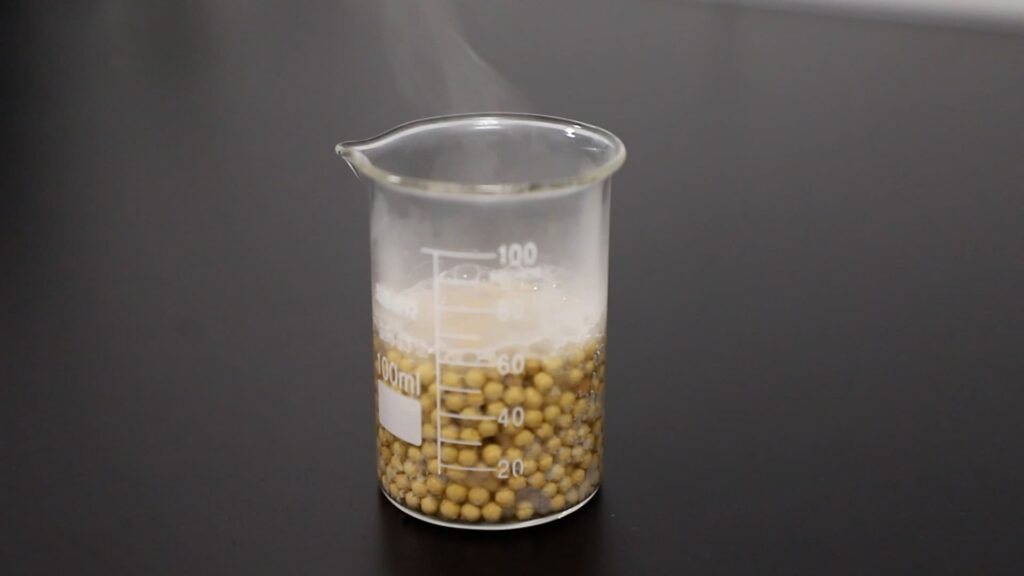
Struggling to make sense of technical data sheets? Pore volume sounds important, but its real meaning can be confusing, leading to poor material choices for your specific industrial needs.
Pore volume is the total volume of all pores within a unit mass of an adsorbent. A higher pore volume generally indicates a greater potential adsorption capacity, much like a larger warehouse can hold more goods. However, this single number doesn't tell the whole story for performance.
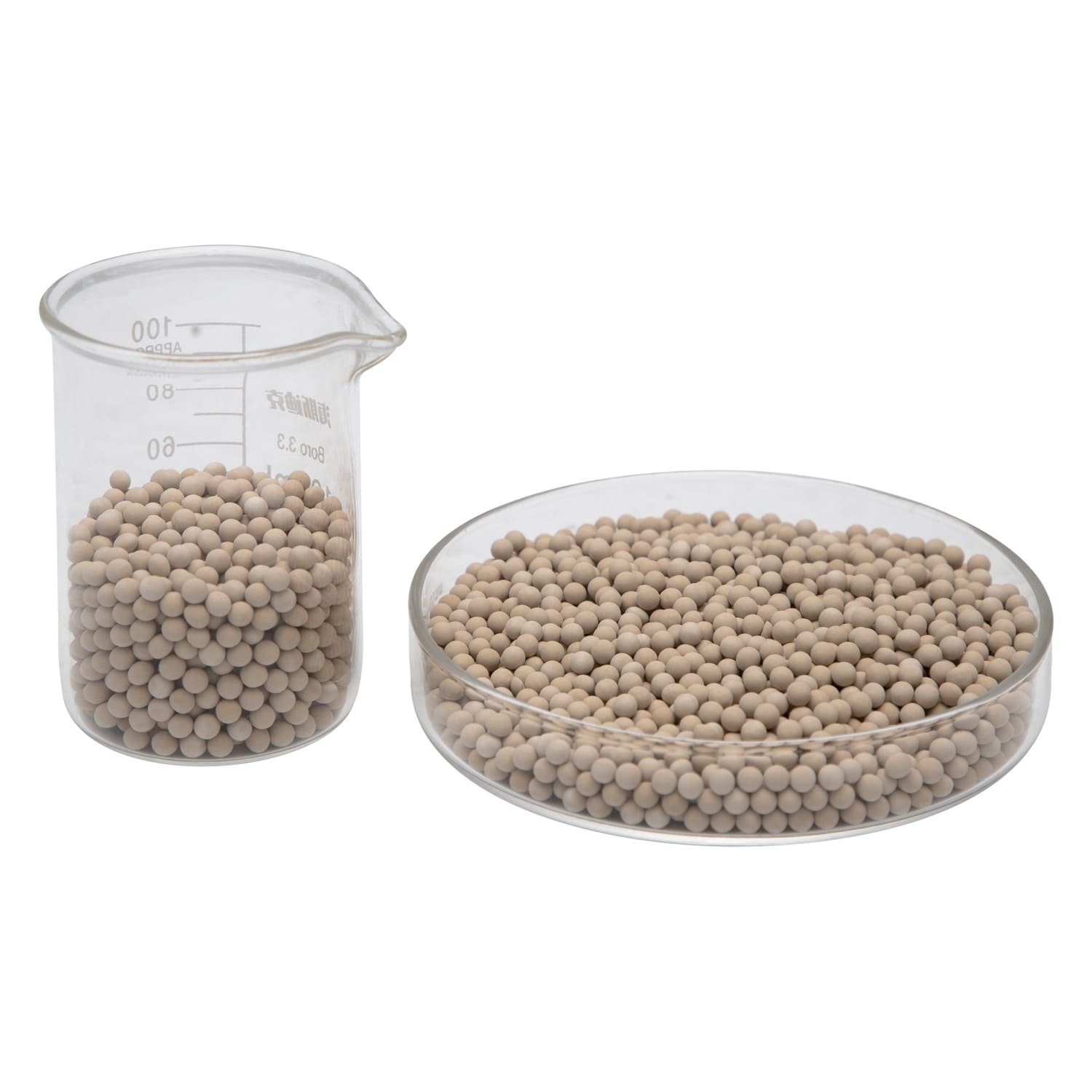
When I first started in this industry, I looked at spec sheets and saw numbers like "pore volume" and "specific surface area." I assumed bigger was always better. This led to a few costly mistakes early on, where we selected a material with a huge pore volume that simply didn't perform as expected. It was a tough lesson, but it taught me that these numbers are part of a bigger picture. You have to understand how they work together to truly predict how an adsorbent will behave in a real-world application. Let's break down what I've learned so you can avoid those same mistakes.
What is Pore Volume and Why Does it Really Matter?
Confused by the term "pore volume" on a data sheet? You see the number, but you're not sure how it translates to actual performance, making it hard to compare products.
Pore volume represents the total empty space inside an adsorbent, measured in units like cm³/g. Think of it as the material's total "storage capacity." It's a fundamental indicator of how much substance the adsorbent can potentially hold once all its internal spaces are filled.
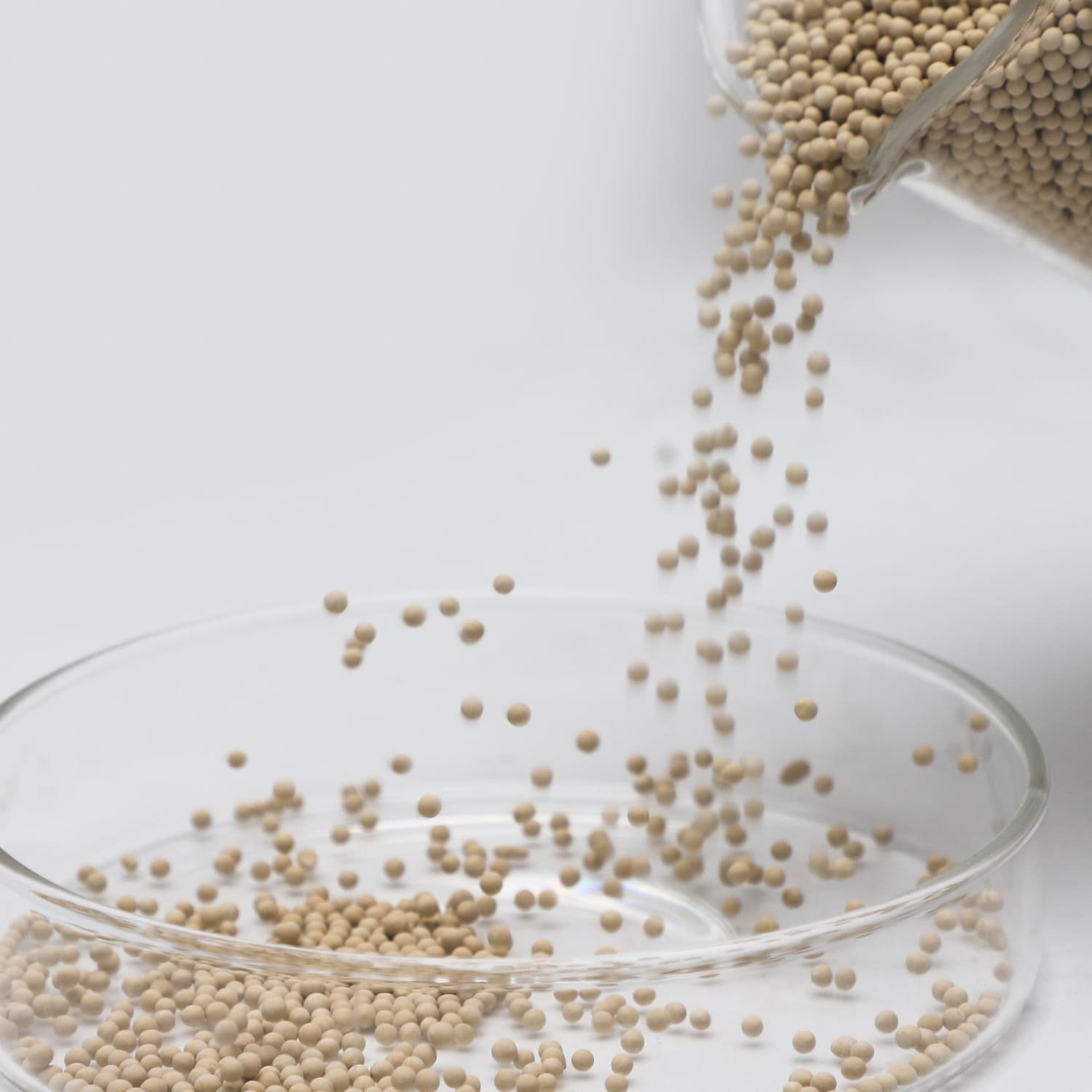
To really get it, let's use a simple analogy. Imagine an adsorbent particle is a large warehouse. The pore volume is the total open space inside that warehouse where you can store goods. A bigger warehouse (higher pore volume) means you can store more stuff in total. In the world of adsorbents, this "stuff" is the molecules you want to remove from a gas or liquid. This single value gives us a baseline for a material's maximum loading capacity. It's the first number I often look at to get a quick idea of a material's potential. But the story doesn't end there. The type of storage space matters just as much as the total amount.
The total pore volume is made up of different kinds of pores, which we can classify by their size:
| Pore Type | Diameter Size | Primary Function |
|---|---|---|
| Micropores | < 2 nanometers | Adsorbing very small molecules, high surface area. |
| Mesopores | 2 to 50 nanometers | Acting as channels for molecules to reach micropores. |
| Macropores | > 50 nanometers | Serving as main transport arteries into the particle. |
So, while the total pore volume gives you the total warehouse size, understanding the breakdown of these pore types is crucial for knowing if it's the right kind of warehouse for your specific needs.
Why Isn't a Larger Pore Volume Always Better?
You've found an adsorbent with a massive pore volume. It seems like the obvious choice for high capacity, but you worry there's a catch you're missing before placing a large order.
A large pore volume is misleading if it comes from big, inefficient macropores. These large pores contribute to volume but offer very little surface area, making the material ineffective at capturing small molecules. The distribution of pore sizes is often more critical than the total volume.
Let me share a story. A few years ago, a client was focused solely on finding the material with the highest possible pore volume for a gas drying application. We sourced a sample that, on paper, looked incredible—its pore volume was nearly double that of the competitor's. But when they tested it, the performance was terrible. Why? We dug into the detailed analysis and found the issue. The material's high pore volume was almost entirely from large macropores. Think of it like trying to catch sand with a fishing net. The holes are just too big. For adsorbing small water molecules, you need a structure with a massive number of tiny micropores. These micropores create a huge internal surface area where the adsorption actually happens. A material with a slightly lower total pore volume but a high concentration of micropores will always outperform a macroporous material in applications like gas separation or deep drying.
Let's compare two hypothetical materials to make this clear:
| Metric | Adsorbent A | Adsorbent B |
|---|---|---|
| Total Pore Volume | 0.8 cm³/g (High) | 0.5 cm³/g (Moderate) |
| Pore Distribution | 90% Macropores, 10% Micropores | 10% Macropores, 90% Micropores |
| Specific Surface Area | 50 m²/g (Low) | 800 m²/g (High) |
| Best Application | Bulk liquid filtration | Small molecule gas drying |
As you can see, Adsorbent B, despite its lower total pore volume, would be far superior for capturing small molecules because of its massive surface area provided by micropores. This is why looking at pore volume in isolation is a mistake.
How Do You Balance Pore Volume with Other Key Metrics?
You understand that pore volume alone isn't enough. Now you're facing multiple data points—pore volume, surface area, pore size—and you need a clear strategy to choose the right adsorbent.
To select the right adsorbent, you must evaluate three core metrics together: pore volume, specific surface area, and pore size distribution. The ideal balance depends on the size of the molecules you need to adsorb and your specific process requirements. There is no single "best" material.
The key is to think of these three metrics as a team that must work together. You can't just pick the player with the best single stat. You need the right combination for the game you're playing. I guide my B2B clients through this by starting with one question: "What, exactly, are you trying to capture?" The size of that target molecule dictates everything. For example, in our 3A molecular sieve, the pores are specifically engineered to be 3 angstroms. This allows tiny water molecules to enter and be trapped, but it physically blocks larger ethanol molecules, which is perfect for ethanol dehydration. The high micropore volume provides the capacity, and the high surface area provides the active sites for adsorption. All three metrics work in harmony.
Here’s a simple framework I use to help clients match their application to the right adsorbent profile:
| Application Goal | Ideal Pore Volume | Ideal Surface Area | Ideal Pore Size Distribution | Example Product |
|---|---|---|---|---|
| Deep Drying of Gases (Small Molecules) | High micropore volume for high capacity. | Very High (>700 m²/g) | Narrow distribution, just larger than the target molecule. | 3A or 4A Molecular Sieve |
| Separation of n-paraffins/isoparaffins | Optimized micropore volume for selectivity. | High, with specific pore geometry. | Precise pore openings for molecular sieving. | 5A Molecular Sieve |
| Air Separation Pre-treatment (CO₂/H₂O) | Very high total volume for bulk removal. | High, to ensure fast kinetics. | Balanced micro/mesopores for high flow rates. | 13X-APG Molecular Sieve |
| Bulk Liquid Decolorization | High mesopore/macropore volume. | Moderate | Wide distribution to allow large molecule access. | Activated Carbon |
By analyzing your needs through this lens, you can move beyond a single number and make an informed decision based on how these critical properties work together.
Conclusion
To interpret adsorbent data correctly, never look at pore volume alone. Always analyze it with specific surface area and pore size distribution to match the material to your application's unique needs.