Skip to content
Your compressed air system fails. Wet air ruins your expensive equipment. I have a simple fix. High specific surface area activated alumina[^1] solves this moisture problem[^2] fast.
Specific surface area measures the total surface area per gram of material. A higher specific surface area[^3] provides more micro-pores. These pores act as capture points for water molecules. This physical trait directly determines how much water the activated alumina[^1] can absorb from your compressed air.
I see many factory owners struggle with bad drying results. They buy cheap desiccants. They ignore the most important technical number. You must understand this number. Read on to see how this hidden feature changes your entire production line.
What Exactly Is Specific Surface Area in Activated Alumina?
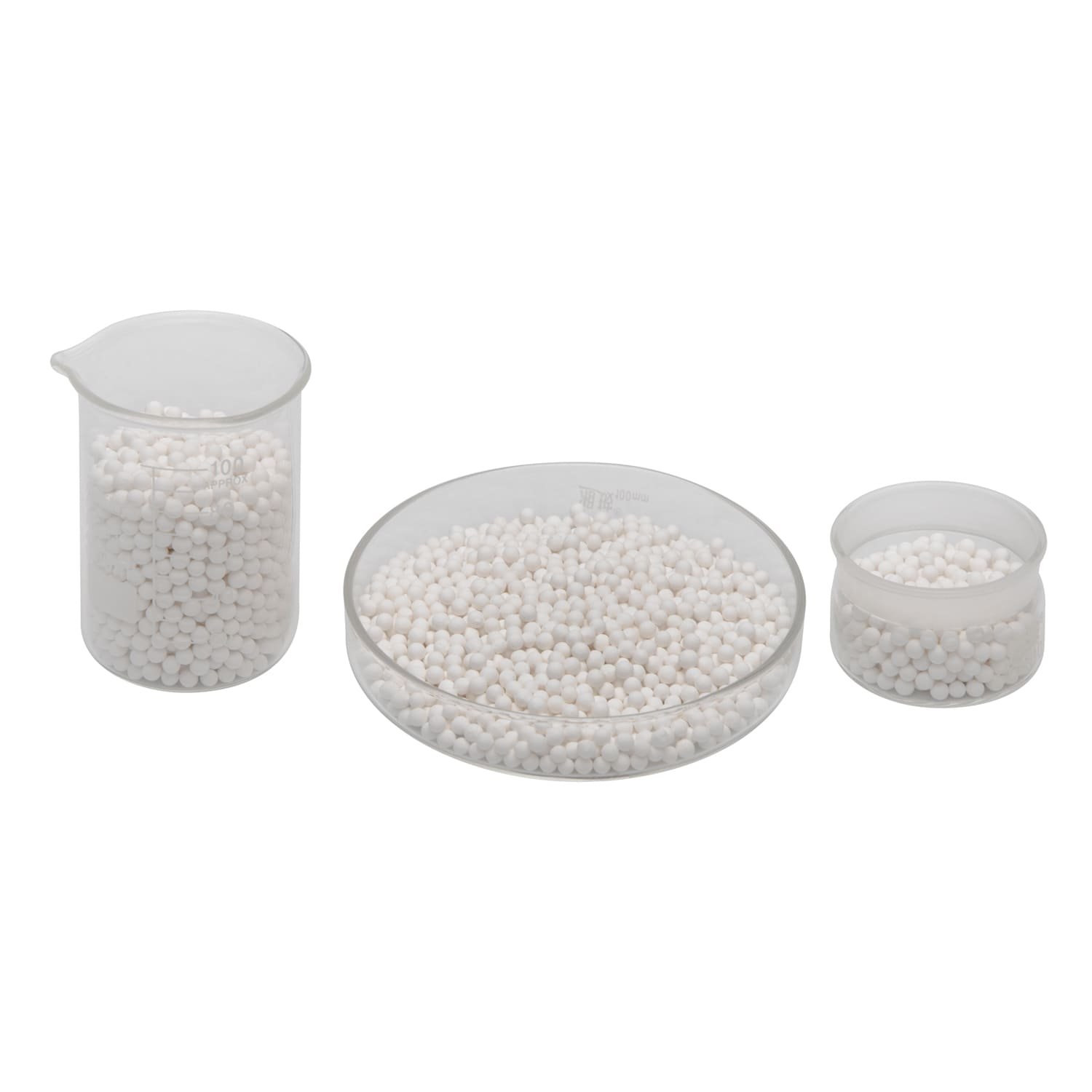
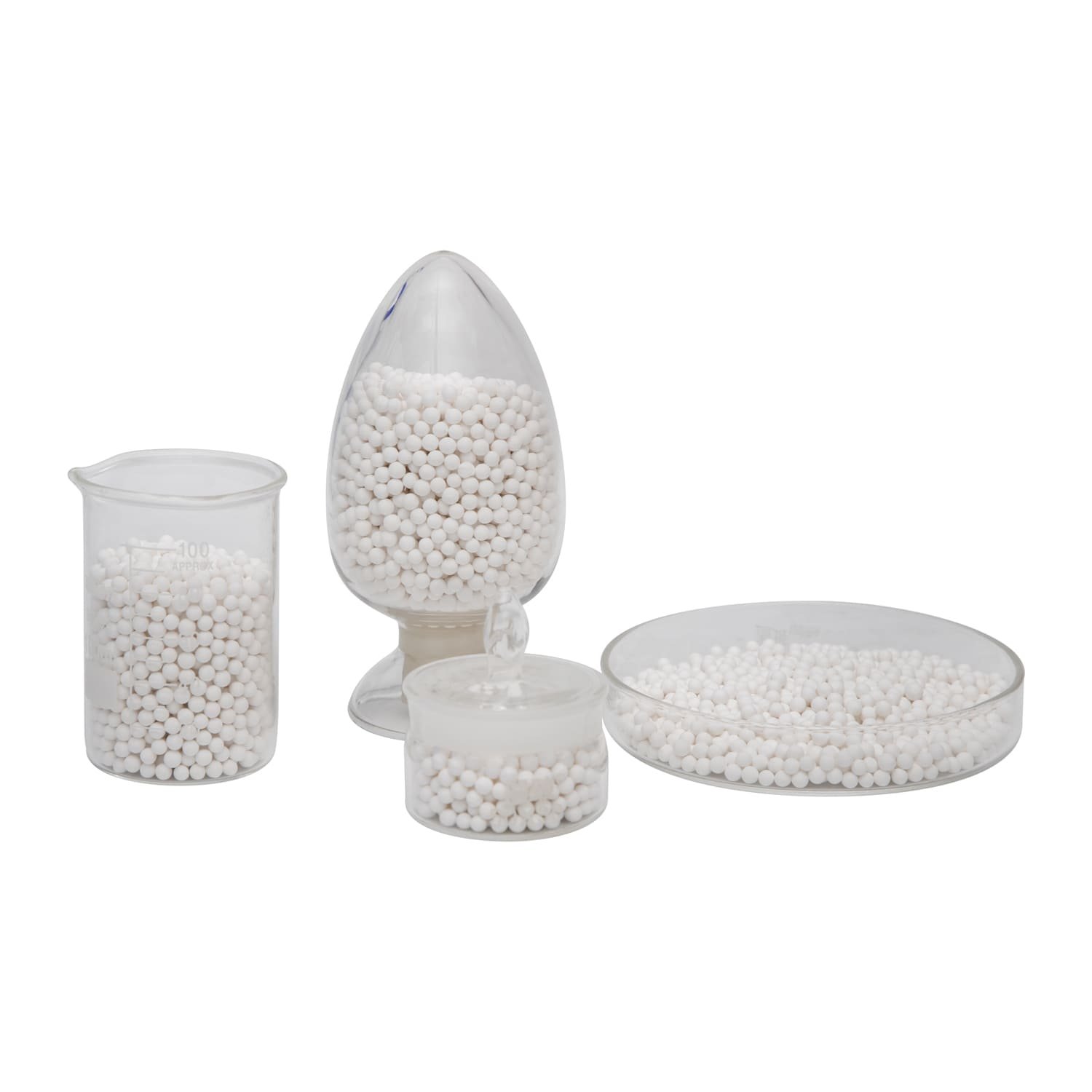
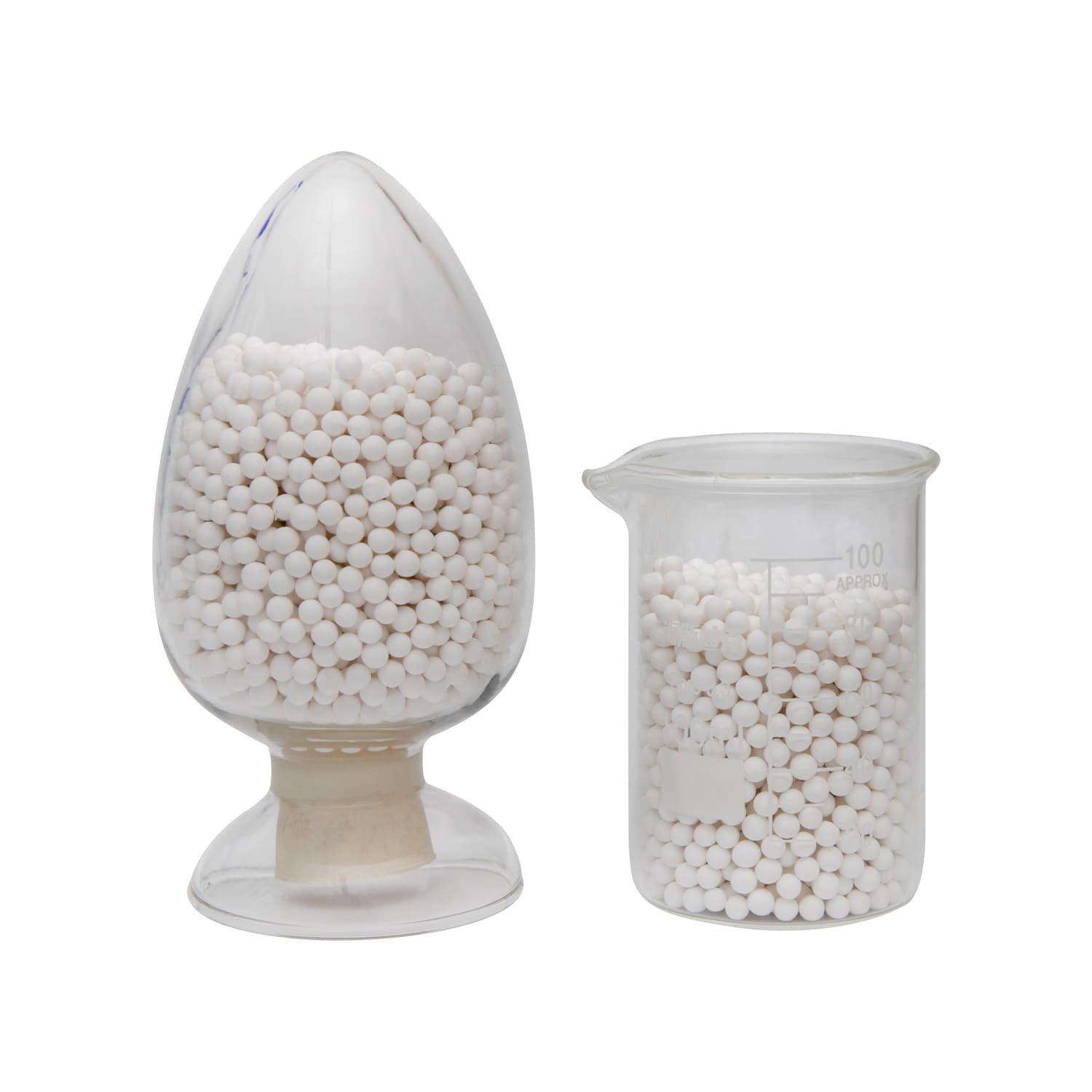
You look at white alumina beads. They look solid and smooth. This look fools you. I will show you their true internal structure to explain their real power.
Specific surface area means the total internal and external surface area in one gram of material. We measure it in square meters per gram. You can imagine millions of tiny holes inside one small bead. These invisible holes trap water molecules from the air.

I remember my early days in the chemical industry. I held a handful of activated alumina[^1]. I thought it was just plain ceramic. My mentor put one bead under a powerful microscope. I saw a huge network of tunnels. This changed my mind forever. We call this network the specific surface area[^3]. It is the real engine of the desiccant.
The Hidden World Inside the Bead
You cannot see these pores with your eyes. The bead looks completely solid. But the inside is mostly empty space. Water molecules enter these spaces. They stick to the walls. We call this process adsorption[^4].
Why We Measure in Square Meters
We measure this area in square meters per gram (㎡/g). A bigger number means more internal walls. More walls mean more space for water. Let me show you a simple comparison.
| Material Feature | Low Specific Surface Area | High Specific Surface Area |
|---|---|---|
| Internal Structure | Few small pores | Millions of deep pores |
| Water Capture Points | Very limited | Extremely abundant |
| Adsorption Capacity | Weak | Very strong |
| Typical Value | 250 ㎡/g | Over 380 ㎡/g |
I always tell my OEM clients to check this number first. A larger area means a stronger material. It gives the material a higher inner strength. You cannot get good results without a high specific surface area[^5].
Why Does a Larger Contact Area Matter for Gas Mass Transfer?
Your air dryer works hard. The air moves too fast. The desiccant cannot catch the water in time. A larger contact area fixes this exact speed problem.
A larger contact area gives water molecules a bigger platform to meet the desiccant. Wet air flows through the desiccant bed[^6]. A high specific surface area[^5] increases the collision chance between air and alumina. This speeds up the mass transfer process significantly.
I visit many factories to check their heatless air dryers. I often see air moving too fast through the tanks. The factory manager complains about wet air. I explain the concept of mass transfer to them. Mass transfer is just water moving from the air into the solid bead.
The Collision Game
Gas moves at high speed. The water molecules must hit the alumina surface to stick. Think of it as a game of catch. A larger specific surface area[^3] is like a bigger baseball glove. It catches the ball easily. A smaller area misses the ball.
How Air Flows Through the Bed
In a real compressed air system, the air travels through a deep layer of beads. We call this the desiccant bed[^6].
| Flow Condition | Small Contact Area | Large Contact Area |
|---|---|---|
| Air Speed | High risk of bypass | Good contact time |
| Collision Chance | Very low | Very high |
| Mass Transfer | Slow and incomplete | Fast and complete |
| Final Result | Wet compressed air | Dry compressed air |
I always test this in our lab. Our CHEMEQUIP products have a huge contact area. The air hits the pores instantly. The mass transfer happens in seconds. You get dry air even with fast gas flow.
How Does Specific Surface Area Lead to a Lower Pressure Dew Point?
Your instruments show water in the lines. Your dew point is too high. Ice blocks your pipes in winter. High specific surface area[^3] pushes the dew point down.
A larger specific surface area[^3] ensures thorough adsorption[^4]. The desiccant removes more moisture from the compressed air under the same working conditions. This deep drying action[^7] lowers the pressure dew point. Your system maintains a stable and low dew point safely.
Last winter, a client called me in a panic. Their outdoor air pipes froze. The pneumatic valves stopped working. Their factory lost money every hour. I checked their dryer. They used a cheap desiccant with a low specific surface area. The pressure dew point[^8] was terrible. I replaced it with our high surface area material. The problem stopped immediately.
Understanding Pressure Dew Point
Pressure dew point is the temperature where water turns into liquid under pressure. You want this number to be very low. A low number means the air is very dry.
Deep Drying Action
You cannot achieve a low dew point without deep drying. Deep drying requires millions of active pores.
| Dew Point Factor | Standard Alumina | High Surface Area Alumina |
|---|---|---|
| Moisture Removal | Surface level only | Deep pore capture |
| Dew Point Stability | Fluctuates often | Very stable |
| Winter Performance | Pipes freeze easily | Pipes stay clear |
| Equipment Safety | High risk of rust | Zero rust risk |
Our factory focuses on creating these deep pores. We use an advanced granulator process. This process builds a strong structure with maximum surface area. The water has nowhere to hide. You get a reliable low pressure dew point[^8] every single time.
Can High Specific Surface Area Speed Up the Adsorption Rate?
Your dryer uses too much energy. The regeneration cycle[^9] takes forever. Your electricity bill grows. High specific surface area[^3] speeds up adsorption[^4] and saves your money.
Yes, it speeds up the rate significantly. Lab data shows a 5% to 10% faster adsorption[^4] rate for every 100 ㎡/g increase in specific surface area[^3] at 60% relative humidity. The equipment reaches its working state faster. This shortens the regeneration cycle[^9] and lowers energy use.

I love looking at lab data. Numbers never lie. Many people think all white alumina beads act the same. I ran a test last month at 60% relative humidity. I compared standard beads with our CHEMEQUIP beads. The speed difference amazed my team.
The Speed Advantage
Normal activated alumina[^1] has a specific surface area of about 280 ㎡/g. Our high-performance CHEMEQUIP activated alumina[^1] reaches over 380 ㎡/g. This extra 100 ㎡/g makes a huge difference. The overall adsorption[^4] performance improves by more than 20%.
Saving Energy in Your Factory
A faster adsorption[^4] rate means the dryer finishes its job quickly. It does not need to stay online as long.
| Performance Metric | Standard (280 ㎡/g) | CHEMEQUIP (>380 ㎡/g) |
|---|---|---|
| Adsorption Speed | Normal | 5% to 10% faster |
| Working State Delay | Slow start | Instant start |
| Regeneration Cycle | Long | Short |
| Energy Consumption | High | Very low |
I tell my B2B partners[^10] to look at the long-term costs. You save money on electricity. You save money on maintenance. A fast adsorption[^4] rate protects your entire compressed air system. You must choose a high specific surface area[^5] desiccant for efficient work.
Conclusion
Specific surface area is the most important factor for activated alumina[^1]. High surface area provides efficient drying, lower dew points, and faster rates for your compressed air systems.
[^1]: Explore how activated alumina effectively absorbs moisture and enhances the performance of air dryers. [^2]: Learn about various solutions to combat moisture issues that can damage equipment. [^3]: Understanding specific surface area is crucial for optimizing moisture absorption in compressed air systems. [^4]: Discover the science behind adsorption and how it helps in moisture removal. [^5]: Explore the advantages of using high specific surface area materials for better moisture absorption. [^6]: Learn about the role of desiccant beds in moisture control within compressed air systems. [^7]: Learn about the mechanisms of drying action and its importance in air quality. [^8]: Understanding pressure dew point is essential for maintaining dry air in compressed systems. [^9]: Understand the regeneration cycle and its impact on the efficiency of desiccants. [^10]: Explore the benefits of B2B partnerships in enhancing operational efficiency.