Skip to content
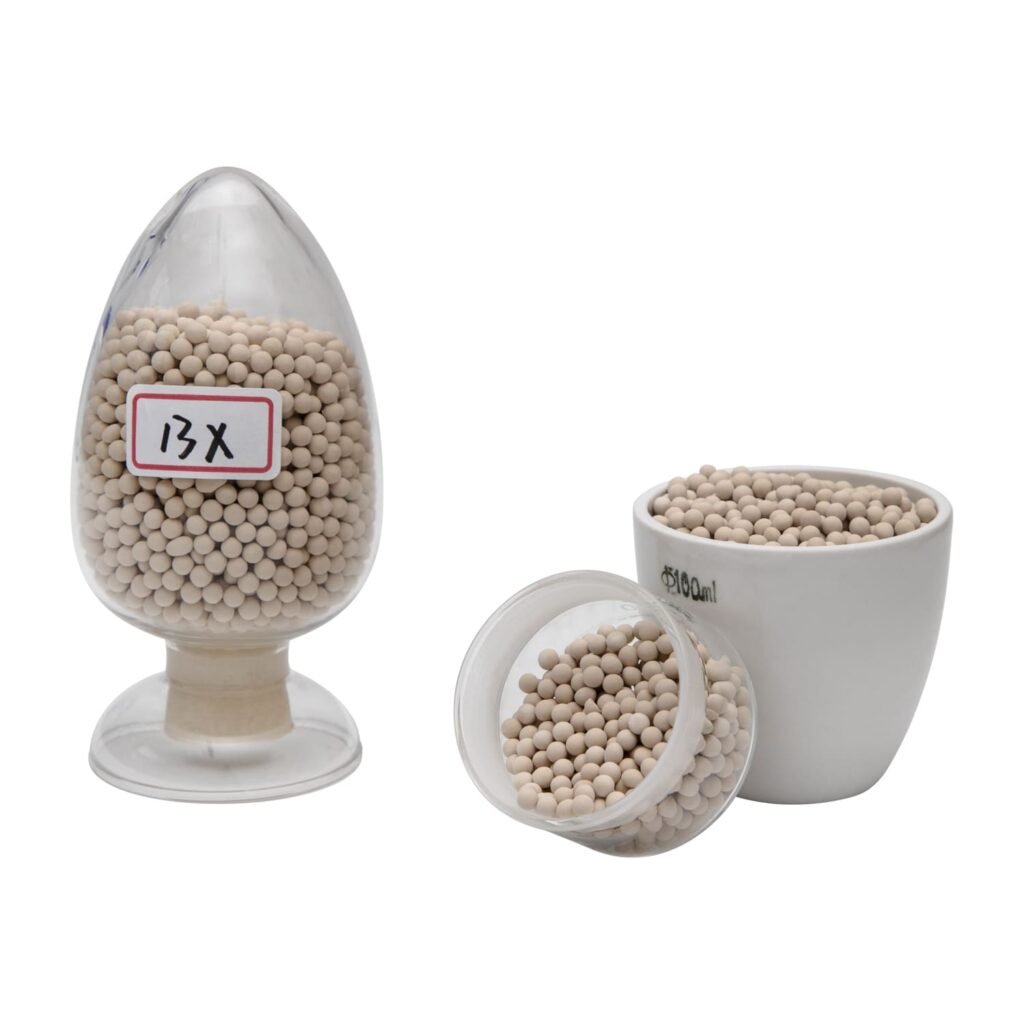
Tired of sudden production shutdowns? Downtime from clogged equipment is costly and frustrating. The crush strength[^1] of your molecular sieve could be the hidden cause of these expensive problems.
High crush strength[^1] is critical. It prevents molecular sieves from breaking down into powder under pressure. This ensures smooth operation, avoids pipeline clogs, and drastically reduces costly equipment downtime and maintenance.

I've seen it happen too many times in factories. A critical air compressor grinds to a halt, and the entire production line stops. Everyone scrambles to find the cause, only to discover a dusty mess where solid beads should be. This isn't just a minor inconvenience; it's a major operational failure. Let's look closer at why this happens and what the real costs are.
Why Do Low-Strength Molecular Sieves Cause Shutdowns?
Choosing a general desiccant seems cost-effective at first. But soon, your system clogs with fine powder, leading to pressure drops and failures. This is the direct result of low crush strength[^1].
Low-strength molecular sieves[^2] can't handle the high pressure and temperature inside equipment like air compressors. They physically break apart, creating dust. This powder clogs pipes, valves, and filters, causing system failure and production shutdowns.
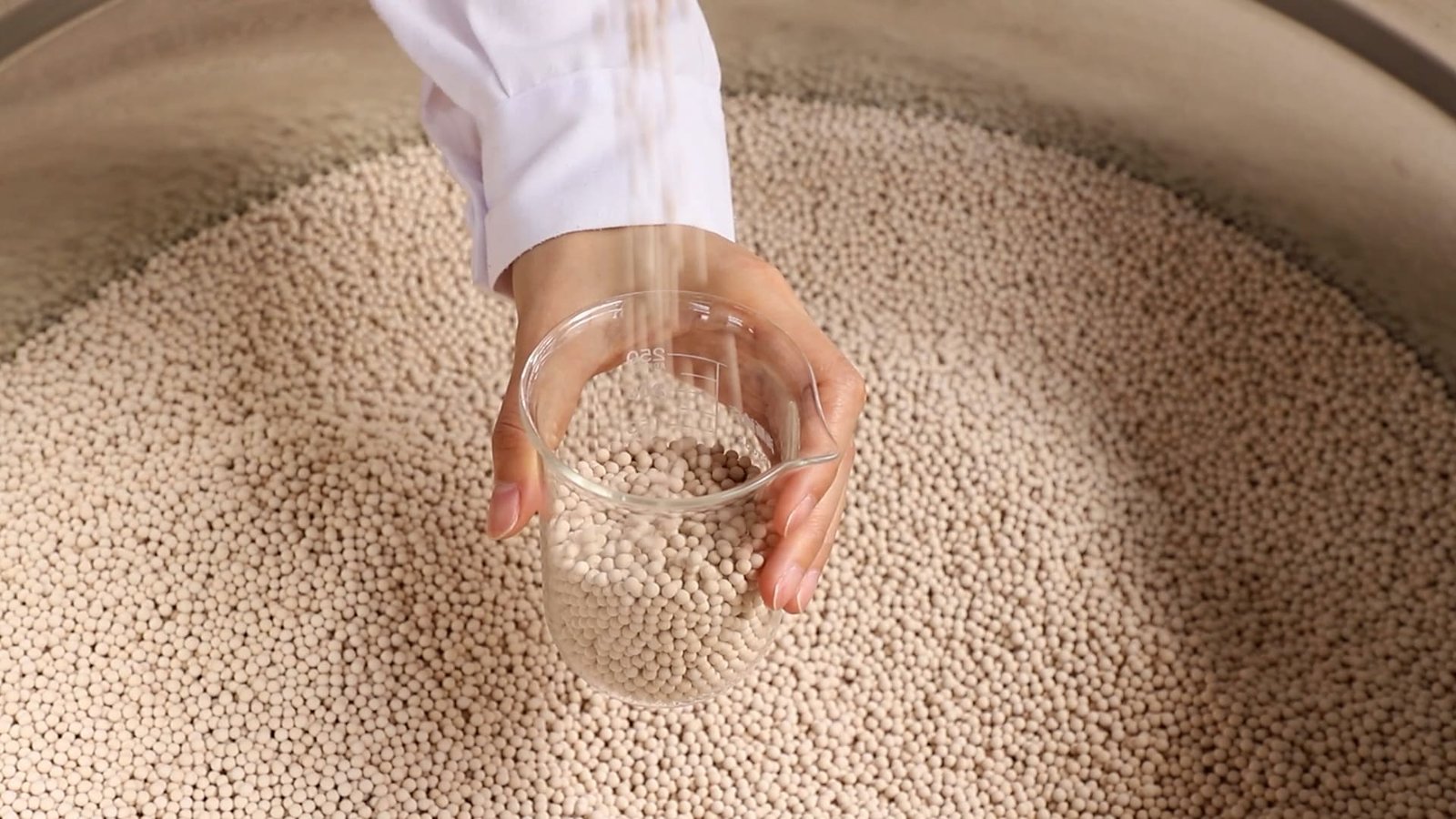
Let's break down the chain reaction of failure. It all starts inside your equipment, where conditions are tough.
The Vicious Cycle of Sieve Failure
When you use a molecular sieve with poor mechanical integrity, it's like building a house on a weak foundation. The constant pressure and thermal cycling act like a hammer, slowly breaking the beads down. First, they chip, creating fine dust. This dust then gets carried by the gas flow throughout your entire system. It accumulates in the worst possible places, like narrow pipelines, heat exchangers, and valve seats. The result is a gradual but certain decline in performance, which eventually leads to a complete stop. I've seen a line go down for half a day just for a cleanout. The production loss alone is a huge blow.
Common Failure Points
This table shows exactly where things go wrong.
| Failure Point | Consequence |
|---|---|
| Filter Blockage | Increased pressure drop, reduced flow rate |
| Valve Contamination | Leaks, improper seating, control failure |
| Pipeline Clogging | System-wide flow restriction, potential shutdown |
| Downstream Contamination | Product quality issues, damage to other equipment |
How Do We Test for Crush Strength and Why Does It Matter?
You see "high strength" on every product sheet. But how can you be sure it's true? Choosing the wrong product based on empty claims can lead to the failures we just discussed.
We test crush strength[^1] by applying a measured force to a single bead until it fractures. This value, measured in Newtons (N), shows its mechanical durability. It matters because it directly predicts the sieve's ability to survive in high-pressure industrial environments without turning to dust.

At our facility, quality isn't just a buzzword; it's a measurable metric. The crush strength[^1] test is a core part of our quality control.
The Testing Protocol[^3]
We use a specialized machine to compress individual molecular sieve beads. The machine records the exact force required to break the bead. We repeat this test across a batch to get a reliable average. A higher average force means a more robust and reliable product. This isn't just for show; it's the foundation of a premium product. As industry experts say, "A superior production line is the foundation of premium products." This simple test gives our B2B clients, like distributors and importers, the confidence that they are receiving a product that won't fail them.
Manufacturing Makes the Difference
Our advantage comes from our granulator-based forming process. Many manufacturers use a simpler "sugar-coating pan" method, which results in weaker beads. Our investment in an advanced, RMB 8 million production line ensures a superior result.
| Process | Bead Characteristics |
|---|---|
| Our Granulator Process[^4] | Uniform size, high mechanical strength, low dust |
| Pan-Coating Process | Non-uniform size, lower strength, prone to powdering |
How Can High Crush Strength Boost Your Bottom Line?
Are frequent maintenance cycles and unplanned downtime hurting your profitability? It feels like a constant battle to keep production running. A simple switch in your adsorbent can change everything.
A high crush strength[^1] molecular sieve directly boosts your bottom line by increasing operational uptime. It leads to longer service life, fewer maintenance shutdowns for cleanouts, and protects downstream equipment from damage, saving you significant money on repairs and lost production.

The connection between a tiny bead's strength and your company's financial health is surprisingly direct. Think of it as an investment, not just a purchase.
The Real Return on Investment (ROI)[^5]
When a production line stops for half a day to clean out powdered desiccant, the losses are huge. You lose production output, pay for labor during downtime, and face potential repair bills. A high-strength molecular sieve might have a slightly higher initial cost, but its reliability pays for itself many times over. Because our sieves maintain their physical form, the need for maintenance drops dramatically. This means more production hours and less money spent on service. For the global brands we do OEM work for, this reliability is non-negotiable. It's the core of a stable, profitable operation.
Long-Term Stability[^6]
As a partner for international brands for over 20 years, we know that stability is key. A reliable component like a high-strength sieve makes your entire system more predictable and stable. This is why we focus on it.
| Benefit | Financial Impact |
|---|---|
| Reduced Downtime | Increased production output, higher revenue |
| Lower Maintenance | Reduced labor and parts costs |
| Longer Sieve Lifespan | Lower replacement frequency and material costs |
Conclusion
Choosing a molecular sieve with high crush strength[^1] is not just a technical detail. It's a critical business decision[^7] that protects your equipment, prevents downtime, and improves profitability.
[^1]: Learn why crush strength is crucial for molecular sieves to ensure they don't break down and cause equipment failures. [^2]: Discover the risks associated with low-strength molecular sieves and how they can lead to system failures. [^3]: Understand the testing protocol for crush strength to ensure the reliability and durability of molecular sieves. [^4]: Explore how the granulator process enhances the quality and strength of molecular sieves compared to other methods. [^5]: Learn about the financial benefits and ROI of investing in high-strength molecular sieves for your operations. [^6]: Find out how high-strength molecular sieves can ensure long-term stability and reliability in industrial systems. [^7]: Understand why selecting high crush strength molecular sieves is essential for protecting equipment and improving profitability.