Budgeting for molecular sieve replacement[^1] is tough. Unexpected failures cause costly downtime and disrupt your entire operation. Understanding their real lifespan helps you plan better and save money.
A molecular sieve's lifespan isn't fixed. It heavily depends on operating conditions[^2], regeneration quality[^3], and maintenance[^4]. Generally, you can expect them to last anywhere from 1 to 8 years, varying by application like compressed air drying[^5] (2-5 years) or natural gas dehydration[^6] (3-8 years).
This range is quite wide, isn't it? It's because the "why" is more important than the "how long." The real value comes from understanding what affects this lifespan. I've seen customers replace sieves every year, while others get nearly a decade of service from the same batch. The difference is almost always in how they are used and maintained. Let's look at the factors that can either extend or cut short the service life of your molecular sieves.
What is the expected lifespan in common industrial uses?
Choosing the right sieve is only half the battle. If you don't know its expected life, you can't budget for replacements. This can lead to surprise costs and operational interruptions.
The lifespan varies significantly by job. For compressed air drying[^5], expect 2-5 years. In natural gas dehydration[^6], it's longer, around 3-8 years. For more demanding tasks like refrigerant drying[^7], the replacement cycle is shorter, typically 1-3 years due to the harsher environment.
The specific application is the single biggest factor in determining a molecular sieve's service life. Different processes expose the sieves to different levels of stress, contaminants, and regeneration cycles. I once had a client in the pharmaceutical industry who was baffled that their 3A sieves in a solvent drying unit lasted only two years, while their 4A sieves in a compressed air system were still going strong after four. It all came down to the specific conditions. To give you a clearer picture, let's break down the typical lifespans for some major applications.
Common Application Lifespan Comparison
| Application | Typical Lifespan | Key Factors Affecting Longevity |
|---|---|---|
| Compressed Air Drying | 2 - 5 Years | Oil mist from compressor, dust, regeneration frequency. |
| Natural Gas Dehydration | 3 - 8 Years | Presence of heavy hydrocarbons, sulfur compounds, glycol. |
| Air Separation (Pre-Purification) | 4 - 8+ Years | Inlet air quality, efficiency of pre-filters[^8], CO₂ levels. |
| Ethanol Dehydration | 2 - 4 Years | Feedstock purity, regeneration effectiveness, process temperature. |
| Refrigerant Drying | 1 - 3 Years | Acid formation, oil compatibility, system contaminants. |
As you can see, the cleaner the stream and the more stable the operation, the longer the molecular sieves will last. Air separation units, with their extensive pre-filtration, often see the longest life. In contrast, refrigerant systems are closed loops where acids and oil breakdown products can accumulate, leading to a much shorter, but critical, service period for the sieves.
What are the main reasons molecular sieves fail prematurely?
You've invested in quality molecular sieves. But they're failing much faster than you expected, causing production halts. The cause is often a preventable issue like contamination or mechanical stress.
Premature failure usually comes from three things: poisoning, pulverization[^9], or poor regeneration[^10]. Contaminants like oil and heavy hydrocarbons block the sieve's pores. High-velocity gas flow can break the beads into dust, and incomplete regeneration cycles leave moisture and impurities behind, reducing capacity.
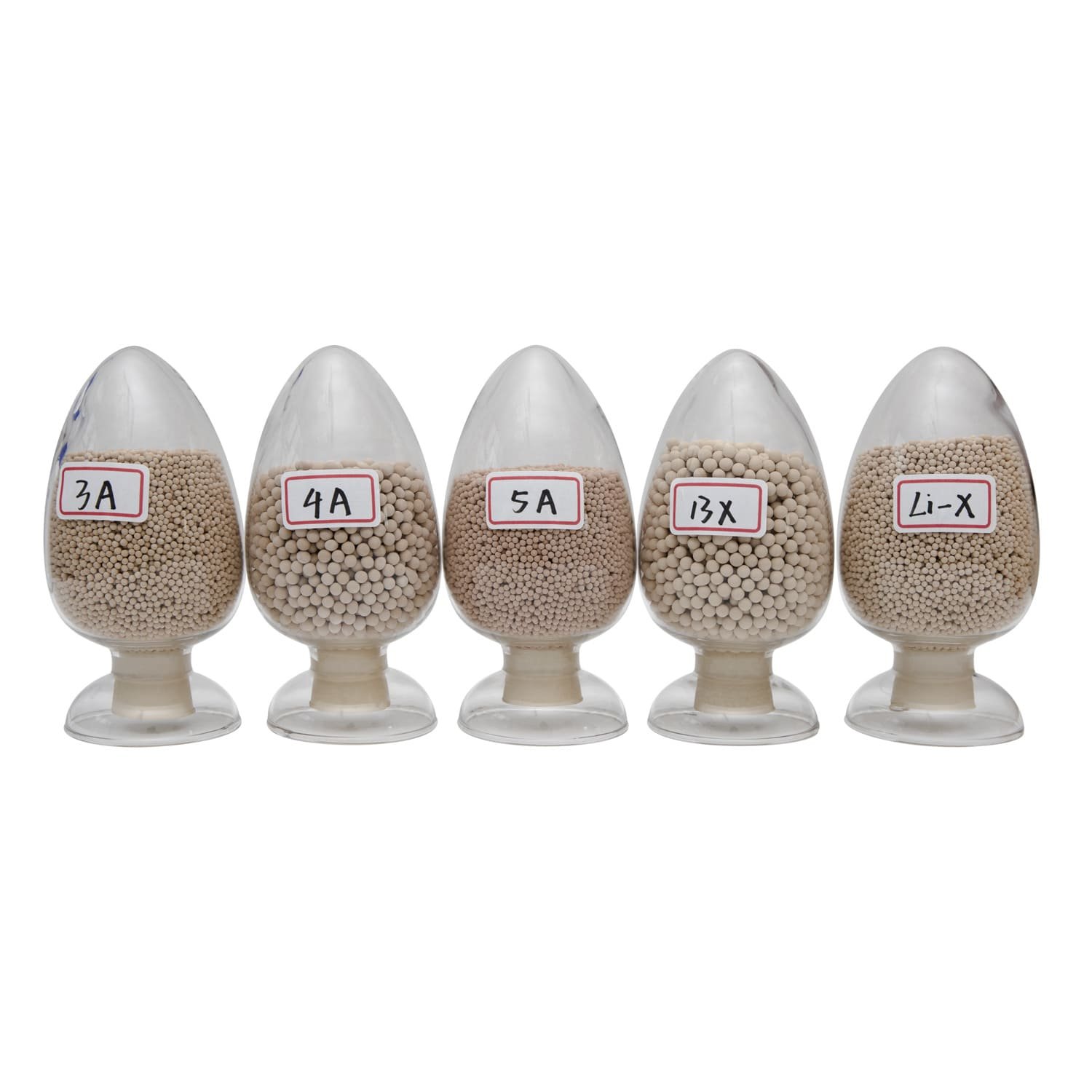
Theoretically, a molecular sieve crystal can be regenerated almost indefinitely. But in the real world, they operate in harsh conditions. I've seen perfectly good adsorbent material rendered useless in a matter of months. Understanding what causes this degradation is the first step to preventing it. It almost always boils down to one of three culprits that attack the sieve in different ways.
Chemical Poisoning: The Silent Killer
Poisoning happens when a substance chemically bonds to the sieve or physically blocks its pores and cannot be removed during regeneration. Common culprits include oil mist from compressors, liquid water slugs, and heavy hydrocarbons in natural gas streams. These larger molecules get trapped in the sieve's microporous structure. During regeneration, they don't evaporate; instead, they can "coke" or carbonize on the surface, permanently blocking the entryway for water molecules. I remember a case where a client's compressor was leaking a tiny amount of oil. It was barely detectable, but it destroyed a new batch of 4A molecular sieves in less than a year.
Physical Damage: Pulverization and Dusting
Molecular sieves are tough, but they aren't indestructible. Pulverization occurs when beads physically break down into smaller particles and dust. This is often caused by high gas velocities that make the beads rattle against each other and the vessel walls. Sudden pressure changes[^11], like a rapid depressurization, can also cause thermal shock and fracture the beads. This dust is a huge problem. It increases the pressure drop across the bed, which hurts efficiency and can even carry downstream, contaminating your final product. This is a key reason we invested in a granulator-based forming process. It produces beads with higher crush strength and more uniform size, making them far more resistant to pulverization[^9] than products made with older methods.
Ineffective Regeneration: A Slow Decline
This is the most common and subtle mode of failure. If the regeneration cycle doesn't get hot enough, doesn't last long enough, or uses a contaminated purge gas, it won't remove all the adsorbed water. Each cycle leaves a little bit of moisture behind. Over time, this residual water builds up in the pores, reducing the sieve's active capacity. Your system might seem to be working, but its ability to handle moisture spikes is gone. Eventually, the dew point[^12] of your outlet gas starts to climb, and you've lost performance. It’s a slow death for the sieve bed, but just as final.
How can you maximize the lifespan of your molecular sieves?
Replacing molecular sieves is costly and time-consuming. You want to get the most out of your investment. The good news is that a few simple maintenance[^4] practices can dramatically extend their life.
To maximize lifespan, focus on three areas. First, protect the sieves with pre-filters[^8] to remove contaminants like dust and oil. Second, ensure your regeneration process is complete by monitoring temperature[^13] and flow. Finally, avoid sudden pressure or flow changes to prevent physical damage.
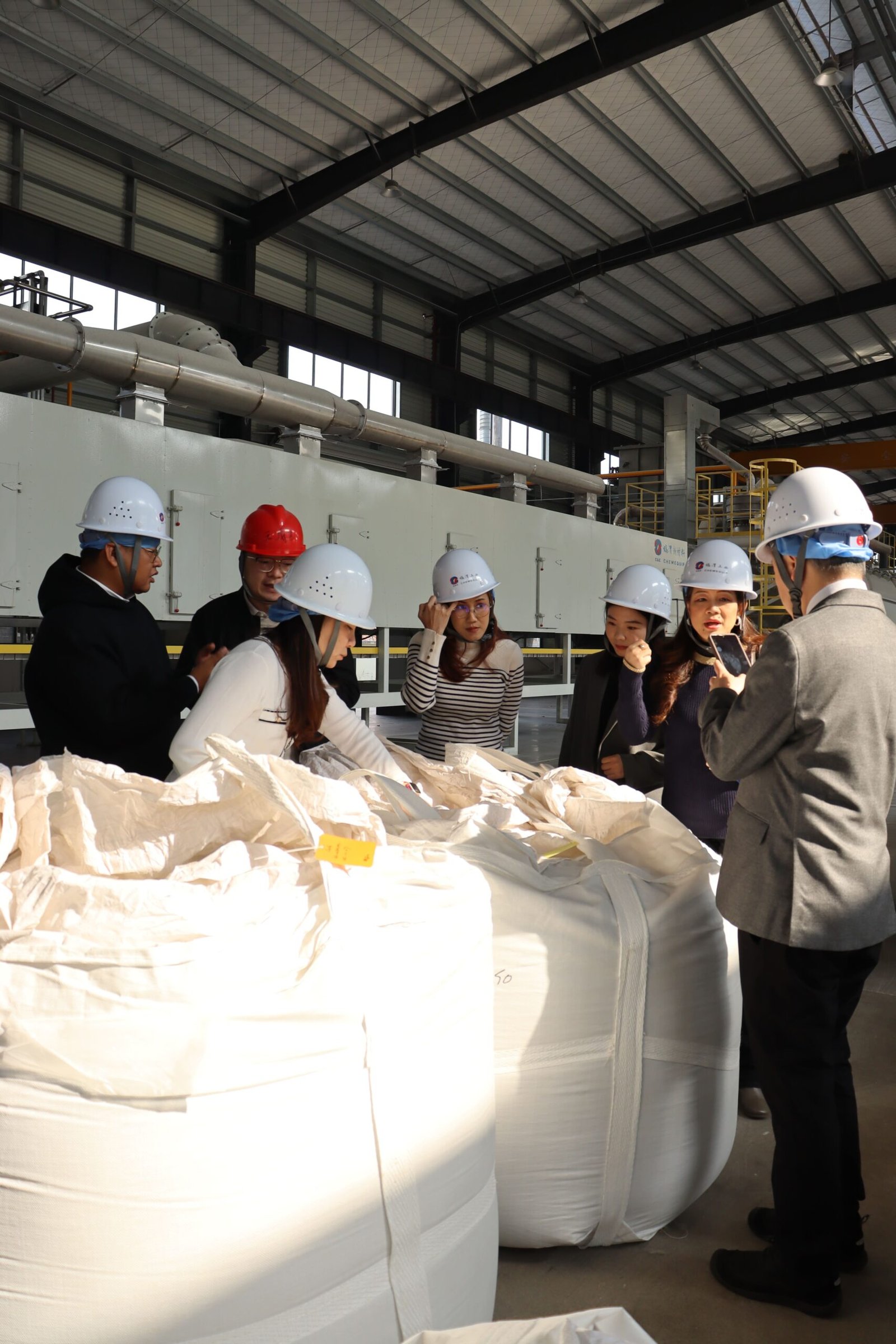
After seeing so many systems over the years, I can tell you that longevity is not about luck; it's about control. By controlling the conditions your molecular sieves operate in, you can protect your investment and ensure reliable, long-term performance. It doesn't require a huge budget, just smart operational practices. I once worked with a customer who doubled their sieve life from three years to six just by recalibrating their regeneration heater and adding a better oil filter. Let's look at the most impactful strategies.
Upstream Protection is Key
The best way to prevent poisoning and physical damage is to stop contaminants before they ever reach the molecular sieve bed.
- Install Coalescing Filters: For compressed air systems, a high-efficiency coalescing filter upstream of the dryer is non-negotiable. It will remove the fine oil and water aerosols that are a primary cause of sieve poisoning.
- Use Particulate Filters: A simple particulate filter can catch pipe scale, rust, and other solid debris that could otherwise physically damage the sieve beads.
- Implement Knock-Out Pots: In applications like natural gas, a knock-out pot or separator will remove any slugs of liquid hydrocarbons or water before they can flood and ruin the adsorbent bed.
Perfecting the Regeneration Cycle
A proper regeneration cycle is the key to maintaining the sieve's adsorption capacity.
- Follow Manufacturer Guidelines: Always adhere to the recommended regeneration temperature, heating time, and purge gas flow rate. Taking shortcuts here will always lead to a gradual loss of performance.
- Use Dry Purge Gas: The gas used for regeneration must be very dry. If you use wet gas, you're just putting moisture back onto the bed you're trying to dry.
- Monitor Performance: Periodically check the dew point[^12] of the gas leaving your dryer. If you see it starting to creep up, it’s an early sign that your regeneration might not be fully effective, or the bed is nearing the end of its life.
Gentle Operational Practices
Minimizing mechanical stress on the beads will prevent pulverization[^9] and dusting.
- Soft Starts: When bringing a system online, pressurize the vessel slowly. A sudden rush of high-velocity gas can fluidize the bed, causing the beads to grind against each other.
- Avoid Chattering Valves: A faulty valve upstream can create pressure pulses that repeatedly hammer the sieve bed, leading to bead fracture over time. Ensure your system's valves are operating smoothly.
Conclusion
In short, a molecular sieve's lifespan depends on smart operation. Protect them from contaminants, regenerate them properly, and handle them gently to ensure years of reliable performance for your system.
[^1]: Explore effective strategies for planning and budgeting for molecular sieve replacements to minimize downtime. [^2]: Understanding the impact of operating conditions can help optimize the lifespan of your molecular sieves. [^3]: Discover how to improve regeneration quality for better molecular sieve efficiency and longevity. [^4]: Find out essential maintenance tips to enhance the lifespan of your molecular sieves. [^5]: Get insights into the expected lifespan of molecular sieves specifically for compressed air drying. [^6]: Explore the factors influencing the lifespan of molecular sieves in natural gas dehydration processes. [^7]: Learn about the unique challenges and solutions for using molecular sieves in refrigerant drying. [^8]: Learn about the best pre-filters to use for protecting your molecular sieves from contaminants. [^9]: Discover the effects of pulverization on molecular sieves and how to mitigate this issue. [^10]: Identify the signs of poor regeneration to maintain optimal performance of your molecular sieves. [^11]: Understand how pressure changes can affect the integrity and lifespan of your molecular sieves. [^12]: Explore the significance of dew point monitoring in assessing the performance of molecular sieves. [^13]: Explore the critical role of temperature monitoring in ensuring effective molecular sieve regeneration.