Running inefficient activated alumina costs you money. Guessing when to replace it leads to downtime. I'll show you the four clear signs that it's time for a change.
Activated alumina doesn't have a fixed number of regeneration cycles. Instead, you should replace it based on performance. Key signs include adsorption capacity dropping below 70%[^1], physical breakage over 10%[^2], irreversible chemical changes[^3], or a significant increase in your system's energy consumption.
For years, I've seen clients ask about a "magic number" for regeneration cycles. The truth is, it's more about observation than counting. These criteria aren't just theoretical; they are practical checks we use in the field every day. Understanding them will save you from premature replacements[^4] and protect your equipment from the damage of using spent material. Let’s break down each of these signs so you can make confident, cost-effective decisions for your operation.
How Can You Tell If Adsorption Performance Has Dropped Too Low?
Is your final product failing quality checks? Rising moisture can ruin a batch. I'll explain the performance benchmark that confirms if your activated alumina is the root cause.
The most direct indicator is a drop in performance that regeneration can't fix. If your activated alumina's adsorption capacity falls below 60-70% of a new batch, it's time for replacement. This means it can no longer effectively dry or purify your process stream.

The most common way to spot this is by monitoring your system's output. In a compressed air dryer, for example, you'd watch the dew point. If you normally achieve a -40°C dew point but now struggle to get below -20°C after a regeneration cycle, your adsorbent is failing. This isn't a guess; it's a direct measurement of performance.
Monitoring In-Process Performance
We advise clients to keep a log. Track the output metrics right after a fresh batch of activated alumina is installed. Then, compare these numbers over time. When you see a consistent decline and regeneration cycles become shorter or less effective, you have your first major clue. For many of our partners in the industrial gas sector, this real-time data is their primary decision-making tool.
Lab Analysis for Confirmation
For a more scientific approach, you can take a sample of the alumina and send it for analysis. A lab can measure its specific surface area and water adsorption capacity. This gives you a hard number to compare against the manufacturer's original specifications.
Here’s a simple comparison:
| Property | New Activated Alumina | Spent Activated Alumina |
|---|---|---|
| Adsorption Capacity | 100% (Baseline) | < 70% of Baseline |
| Achievable Dew Point | -40°C to -70°C | > -20°C |
| Regeneration Effect | Performance fully restored | Minimal to no improvement |
When your data starts looking like the "Spent" column and stays there after regeneration, a replacement is no longer a choice—it's a necessity.
What Physical Damage Signals It's Time for a Replacement?
Seeing dust in your system filters? This isn't normal. It can clog downstream equipment, leading to expensive repairs. A quick visual check of the alumina beads can stop this.
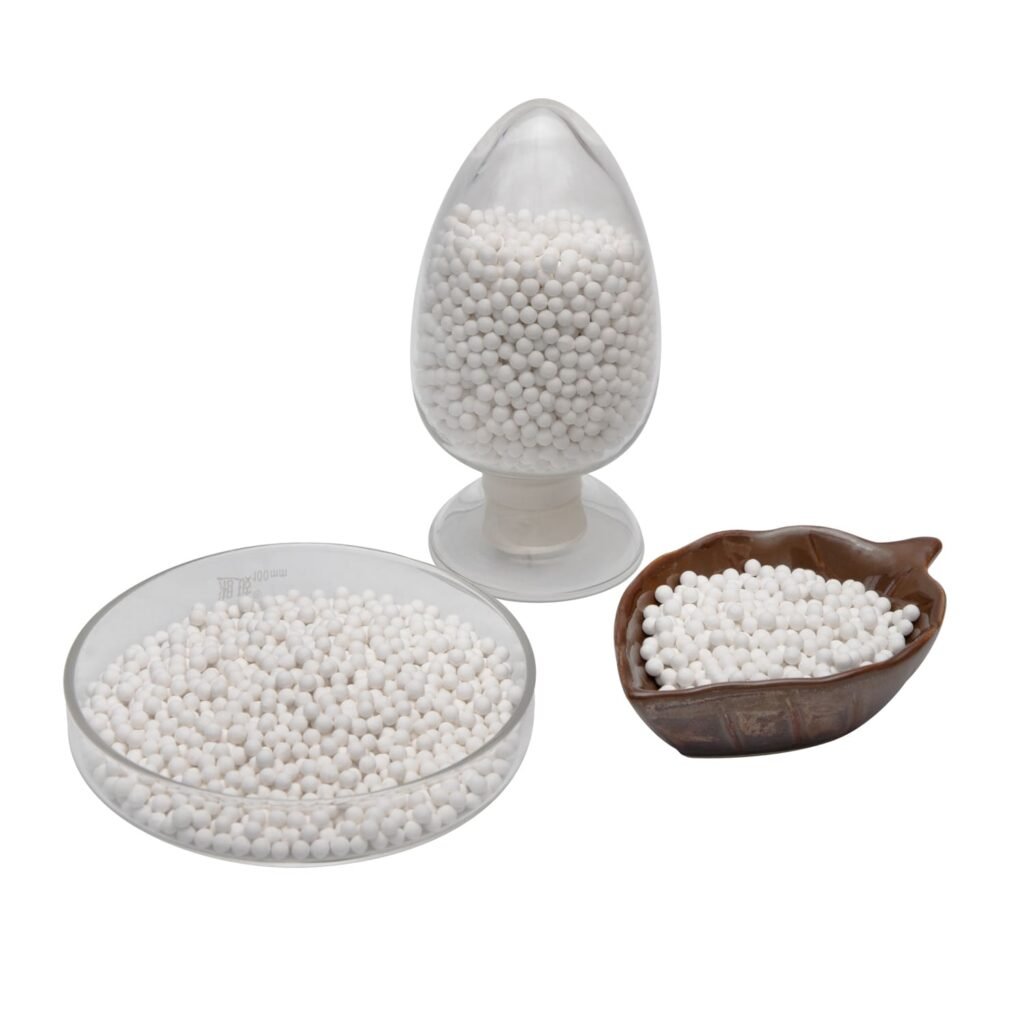
Look for physical breakdown. If you find that over 10-15% of the spheres are broken, crushed, or have turned to dust, it's time to replace them. This "powdering" increases pressure drop and can contaminate your entire system, making it a critical failure point.
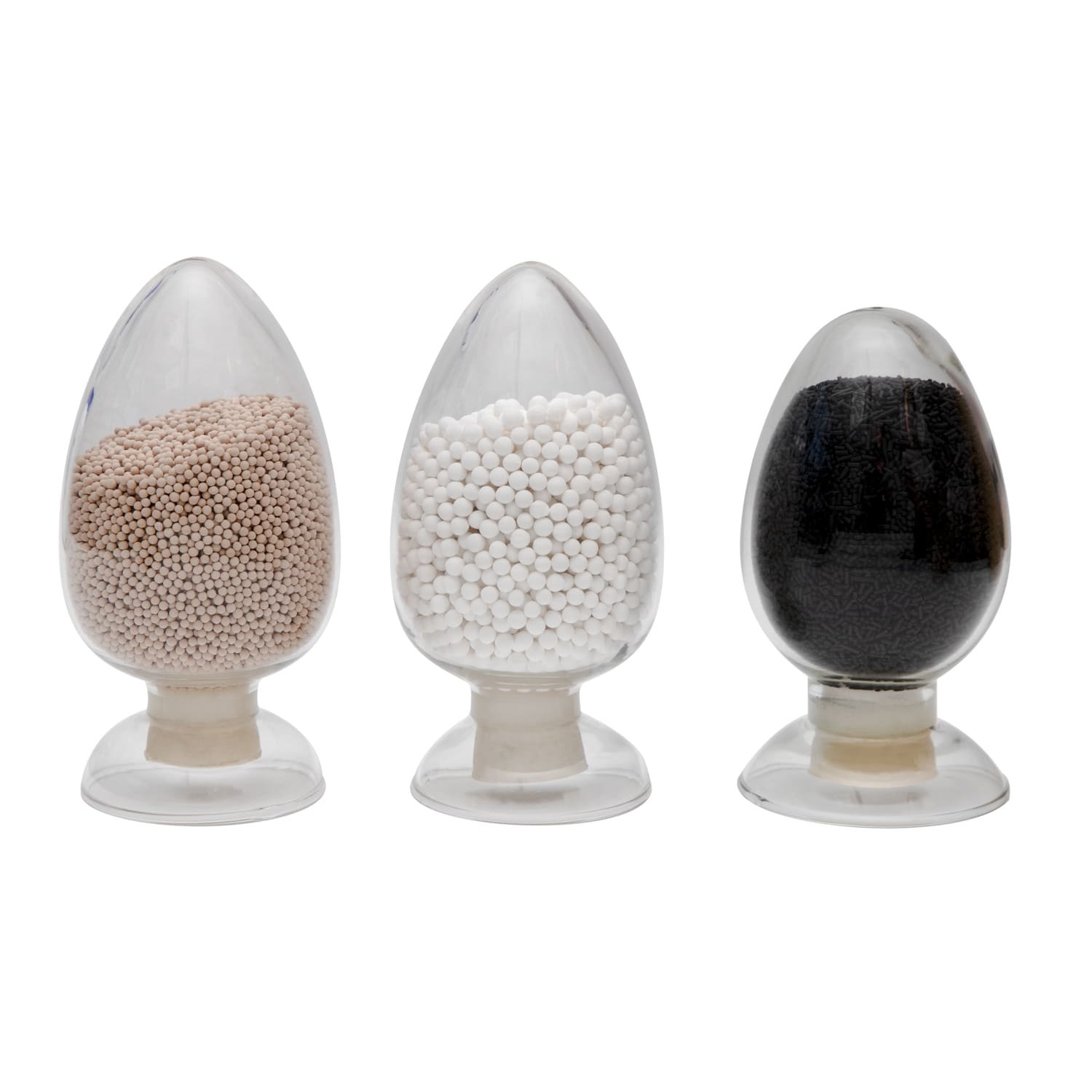
Physical integrity is just as important as chemical performance. Over time, the constant heating and cooling of regeneration cycles cause thermal stress. Mechanical vibration in the tower also contributes to wear and tear. The spheres start to rub against each other, break down, and create fine dust.
The Problem of Dust and Channeling
This dust is a huge problem. First, it increases the pressure drop across the adsorbent bed, forcing your compressors to work harder and use more energy. Second, the fine particles can be carried downstream, where they can clog filters, foul heat exchangers, and damage sensitive instruments or pneumatic tools. Even worse, as the spheres break down, they create voids in the bed. This leads to "channeling," where the gas or liquid finds a path of least resistance and bypasses most of the adsorbent, rendering the drying or purification process ineffective. If you open a vessel and see a significant amount of powder, or if more than 10-15% of the beads are visibly cracked or broken, the bed's structural integrity is compromised.
Why High-Quality Manufacturing Matters
I've seen this firsthand. A customer was using a competitor's product and complaining about constant filter changes. We took a look and the alumina was basically powder. This is why our manufacturing process is so important. We use a granulator-based forming process[^5], not the old sugar-coating pan method. This creates spheres with a more uniform size and much higher mechanical strength. They are less prone to crushing and dusting, which means a longer service life and a cleaner system for our clients.
Do Irreversible Chemical Changes Mean the Alumina Is Finished?
Your alumina looks physically fine, but it has stopped working. You keep regenerating it, but performance never bounces back. This means its internal chemistry has permanently changed, and it's done.
Yes, absolutely. If the alumina's internal structure has changed, it cannot be fixed. This can be a loss of active components or a change in its crystal structure (sintering). Regeneration can't reverse this, so the material must be replaced to restore system performance.

Sometimes, the problem isn't visible to the naked eye. The activated alumina spheres can look perfectly intact, but their ability to adsorb is gone forever. This is usually due to irreversible chemical changes[^3] inside the material. Two main culprits are sintering and poisoning.
Sintering: The Pore Killer
Activated alumina works because it's full of tiny pores, creating a massive internal surface area. Sintering happens when the material is exposed to excessively high temperatures, often during a faulty regeneration cycle. These high temperatures cause the pore structure to collapse and fuse together. The surface area is drastically reduced, and there are simply fewer active sites available to grab water molecules. Once sintered, the material is essentially just a ceramic ball. No amount of regeneration can reopen those pores.
Contaminant Poisoning
Poisoning occurs when certain chemicals in the process stream react with the alumina and bind to it permanently. Unlike water, these contaminants don't release during regeneration. Common poisons include heavy oils, acidic gases, and certain chemicals that can polymerize on the surface. They coat the active sites, blocking them from adsorbing anything else.
| Condition | Reversible by Regeneration? | Action Required |
|---|---|---|
| Water Saturation | Yes | Normal Regeneration |
| Sintering (High Temp Damage) | No | Replace Immediately |
| Chemical Poisoning (Oils, Acids) | No | Replace Immediately |
If you suspect poisoning or sintering, replacement is the only solution.
Is Increased Energy Use a Reliable Sign to Replace Your Adsorbent?
Are your factory's energy bills creeping up? If your compressors are working harder for no obvious reason, the hidden cost could be your old adsorbent making the system inefficient.
Yes, it's a strong indicator. When activated alumina degrades, it can cause a higher pressure drop, forcing compressors to use more power. It may also require longer or hotter regeneration cycles, further increasing energy consumption. This inefficiency is a direct hit to your operating budget.
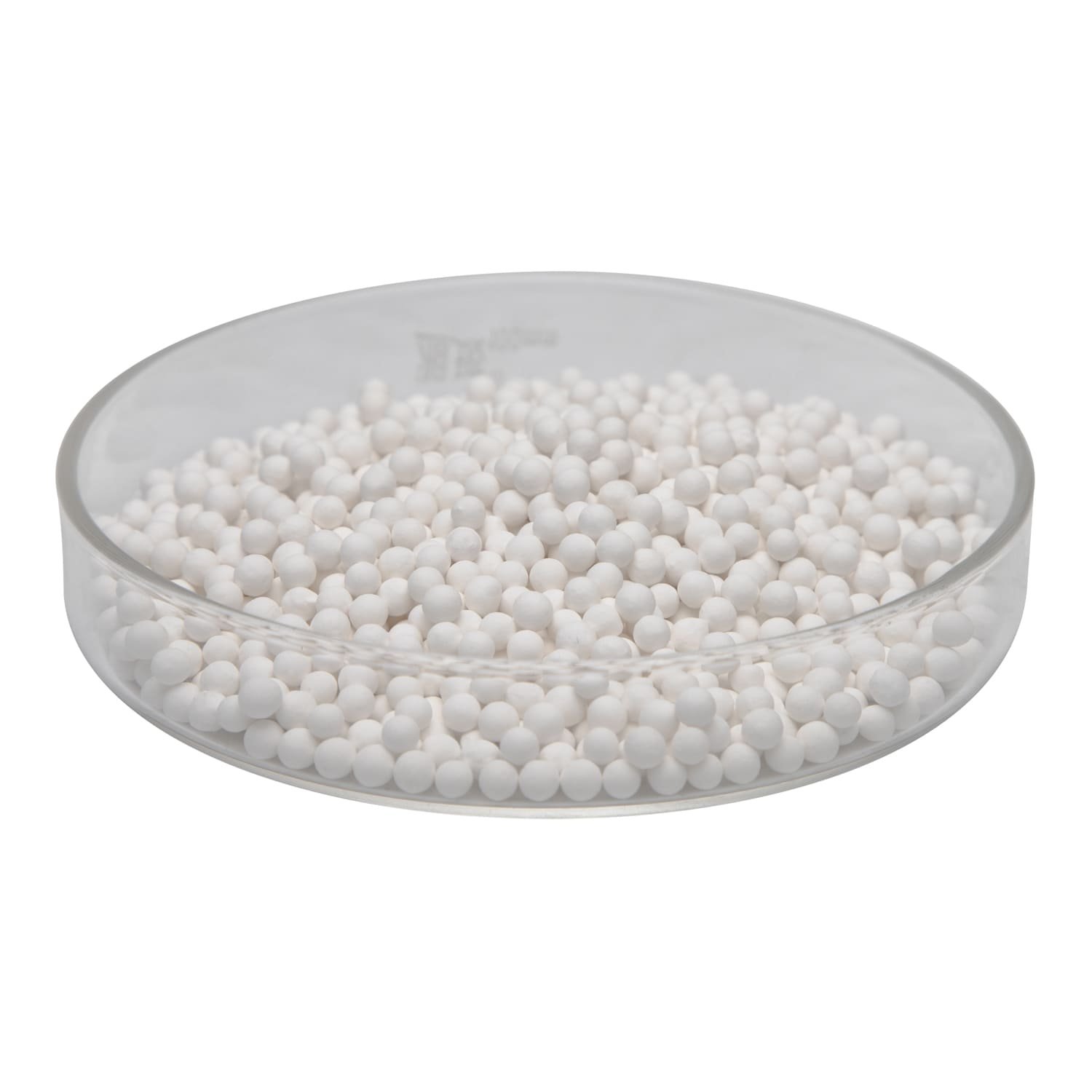
Your monthly energy bill can be one of the best diagnostic tools you have. A sudden or gradual increase in the energy used by your drying or purification system is often a symptom of failing adsorbent. This happens in two main ways.
The Pressure Drop Penalty
As we discussed, old activated alumina breaks down into dust. This powder compacts the adsorbent bed, making it harder for air or gas to pass through. This resistance is called pressure drop. To overcome it, your system's compressors have to run longer and harder, consuming significantly more electricity to deliver the same required pressure downstream. A 1 psi increase in pressure drop might not sound like much, but over thousands of operating hours, it adds up to a substantial cost.
The Regeneration Energy Trap
Inefficient adsorbent also traps you in a cycle of energy waste during regeneration. Because the alumina's capacity is lower, it becomes saturated with water more quickly. This forces your system into more frequent regeneration cycles. Each cycle uses energy for heaters and blowers. Furthermore, as the material degrades, it might hold onto water more stubbornly, requiring longer heating times or higher temperatures to get it dry. I remember a client whose regeneration heater was running almost constantly. We swapped their powdered, spent alumina for our high-strength product, and their energy use dropped by nearly 20% overnight. It showed them that investing in quality adsorbent isn't a cost—it's savings.
Conclusion
Stop counting cycles. Instead, watch for poor performance, physical damage, and rising energy use. These signs tell you exactly when it's time to replace your activated alumina for peak efficiency.
[^1]: Understanding the impact of reduced adsorption capacity helps you identify when your activated alumina is no longer effective, ensuring optimal system performance. [^2]: Exploring the effects of physical breakage on activated alumina can prevent system contamination and costly repairs, maintaining efficiency. [^3]: Learning about irreversible chemical changes helps you recognize when your alumina is chemically compromised, ensuring timely replacement. [^4]: Avoiding premature replacements saves costs and ensures optimal system performance, maintaining efficiency and reliability. [^5]: Learning about manufacturing processes can help you choose high-quality alumina, reducing breakdowns and extending service life.