
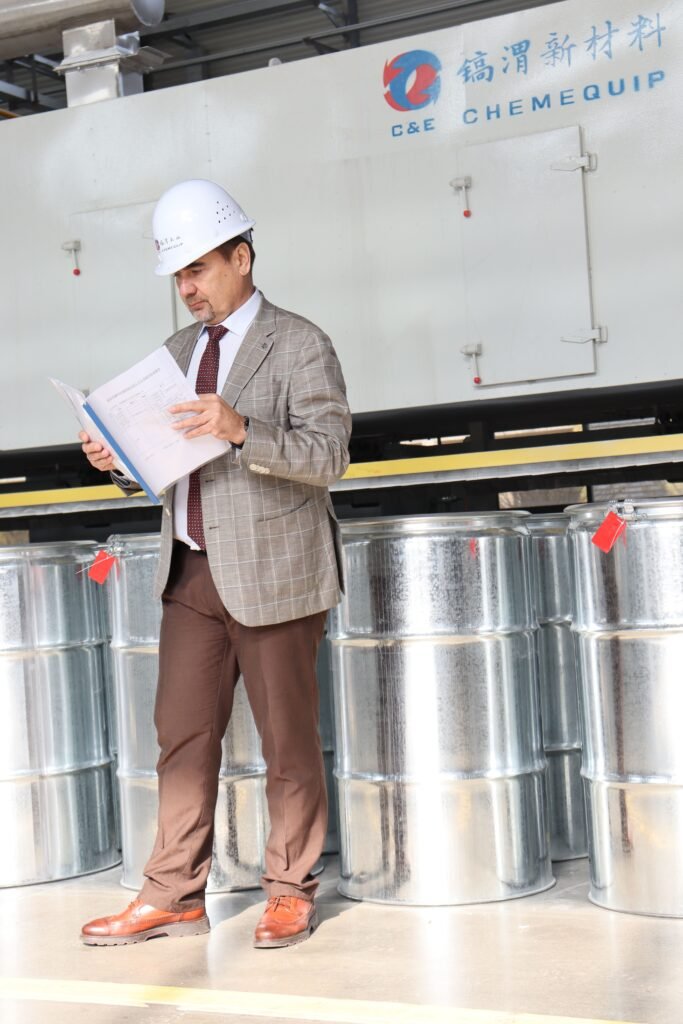
Excessive molecular sieve dust is contaminating your products and clogging your system. This leads to costly downtime and quality issues, but you can prevent it with a few simple steps.
To prevent excessive dust, focus on three key areas. First, select high-strength, low-dust molecular sieves[^1] from a reliable supplier. Second, ensure proper, tight packing during loading[^2]. Finally, conduct regular maintenance on your equipment[^3] to prevent operational issues.
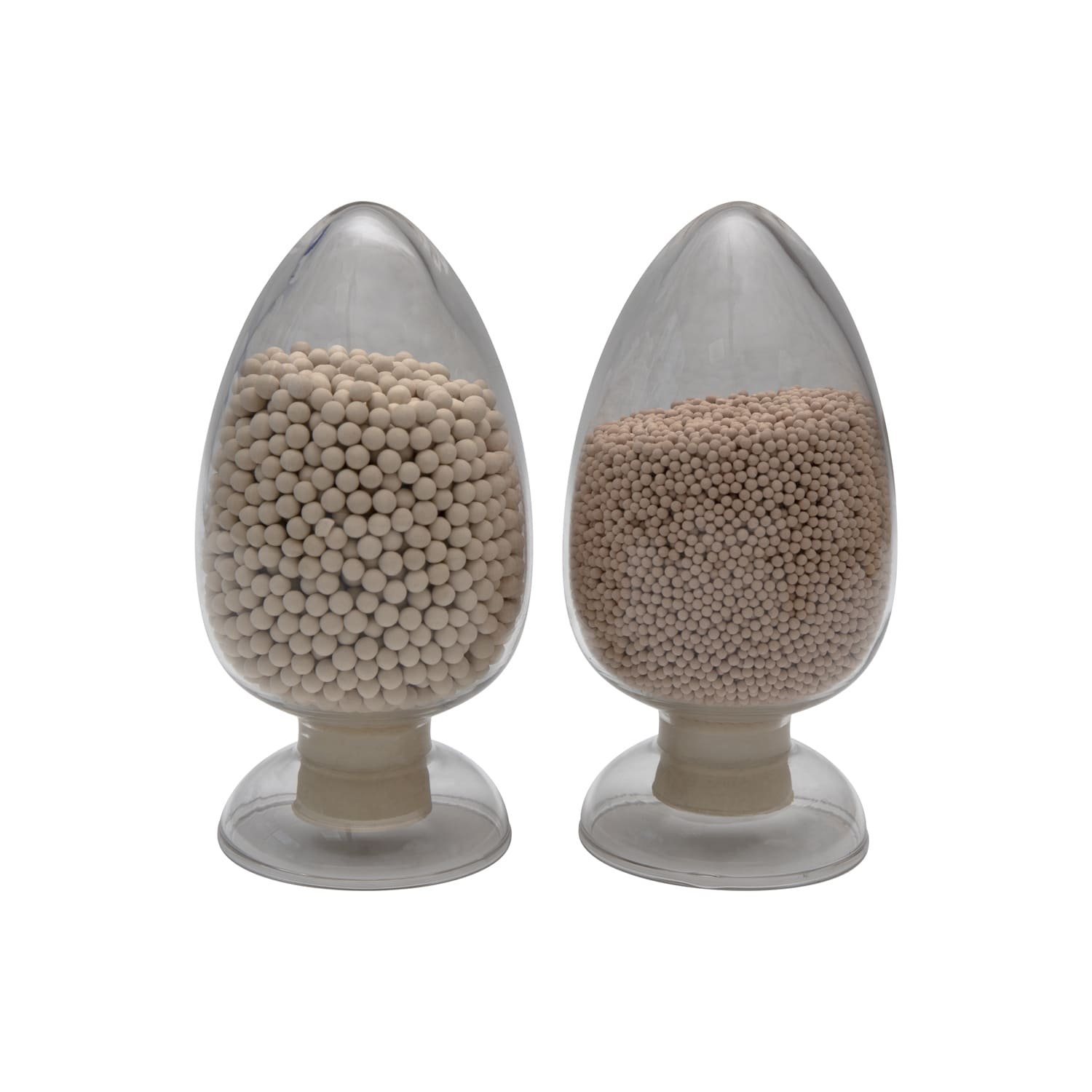
Getting these three areas right is crucial for a smooth, dust-free operation. I've seen many clients struggle with this, but the fix is often straightforward once you know what to look for. It all starts with the product you choose. Let's break down each step so you can apply it to your own system and protect your investment.
How do you choose the right molecular sieve to minimize dust?
You bought a batch of molecular sieves, but they're creating too much dust. Now you're worried about product quality and system blockages. Choosing the right sieve from the start is key.
Always choose molecular sieves with high mechanical strength and low attrition rates[^4]. Ask your supplier for a quality report with these specs. Our granulator-formed sieves, for example, have superior strength and generate less dust compared to older methods.
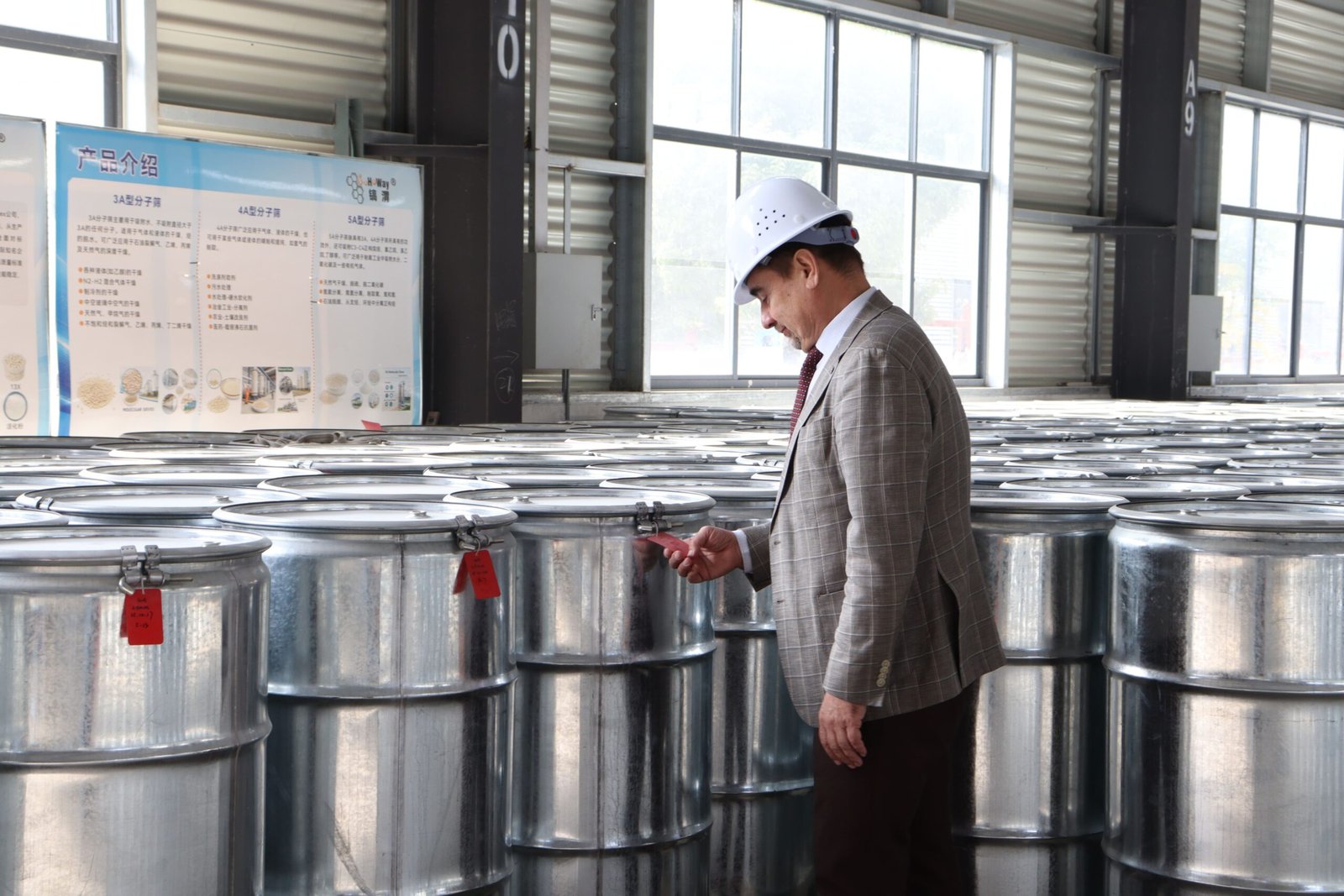
The selection phase is your first line of defense against dust. A low-quality sieve will break down no matter how well you handle it. In my 20 years in this industry, I've learned that product quality is everything.
The Importance of Mechanical Strength
The most important factor is the sieve's mechanical strength, or crush strength. A sieve with low strength will easily be crushed under pressure or during transport, creating fine particles. This is why you should always avoid suspiciously low-priced products. They often cut corners on materials and manufacturing, resulting in a weak product that costs you more in the long run.
Production Process Matters
The manufacturing process directly impacts strength. Many older factories use a "sugar-coating pan" process. This method often produces beads with inconsistent sizes and lower strength. We invested in a fully automated production line that uses a granulator-based forming process. This advanced method creates highly uniform spherical particles with superior mechanical strength. The result is a more stable product with significantly lower dust generation.
| Feature | Granulator Process (Our Method) | Sugar-Coating Pan Process |
|---|---|---|
| Strength | High | Low to Medium |
| Dust Level | Very Low | High |
| Particle Uniformity | Excellent | Poor |
Don't Forget the Paperwork
A reputable supplier will always provide a Certificate of Analysis (COA)[^5] or a detailed quality report. Ask for it. Look for key metrics like "Crush Strength[^6]" and "Attrition Rate[^7]." A high crush strength and a low attrition rate are your proof of a durable, low-dust product.
What is the correct way to load molecular sieves into a vessel?
Your new sieves are loaded, but they're still breaking down. The movement inside the vessel is creating dust and reducing efficiency. The problem might not be the sieve, but how you loaded it.
To load sieves correctly, pack them tightly to prevent movement and friction. Use a vibration tool for a dense, stable bed[^8]. Also, install a support layer of high-strength activated alumina[^9] at the bottom to protect the sieves.
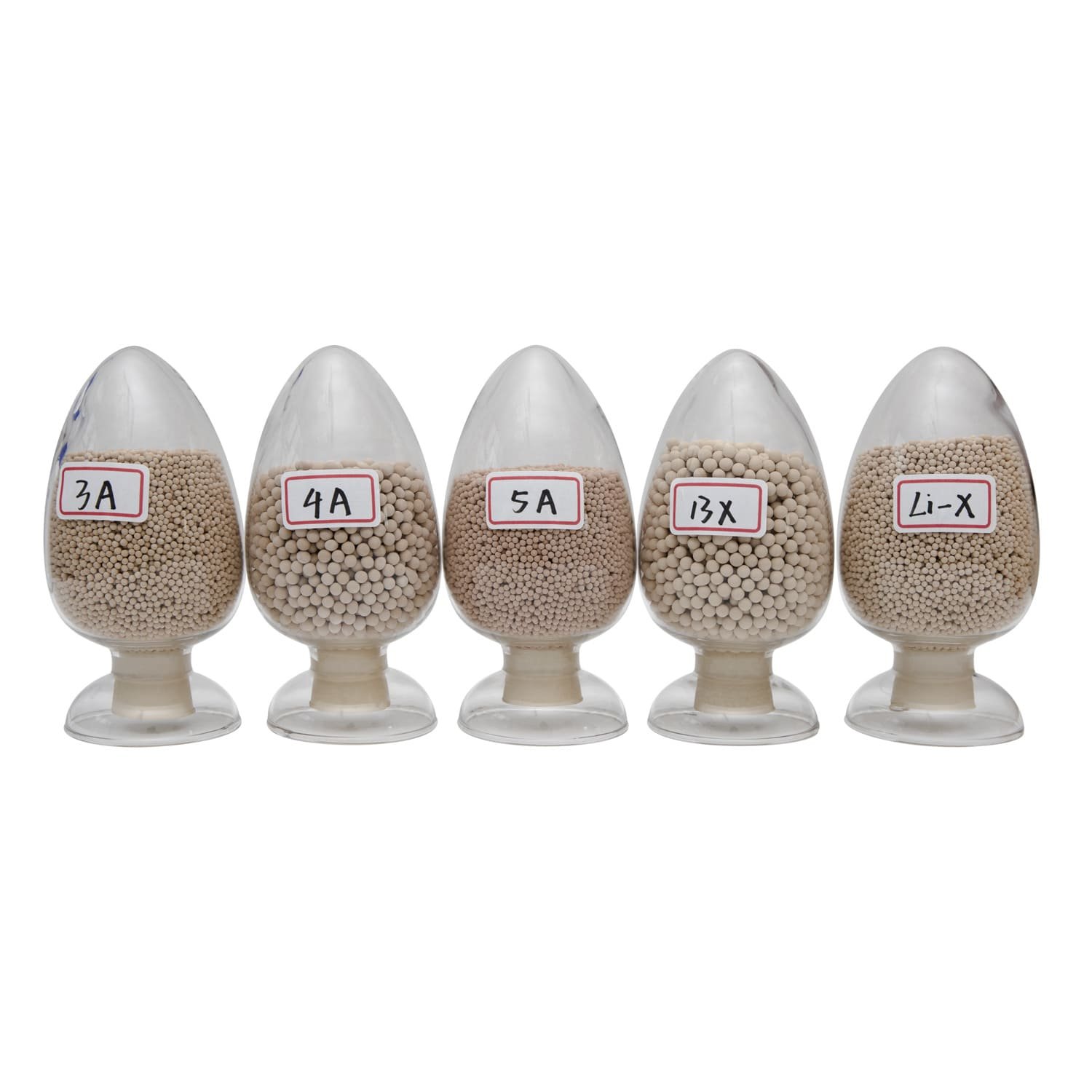
Even the best molecular sieves will turn to dust if they are not loaded correctly. The goal is to create a solid, immovable bed that can withstand the forces of your process. Think of it like packing a box with fragile items; you want to fill all the empty space so nothing can shift around and break.
Why Tight Packing is Essential
Empty space, or voidage, between sieve beads is the enemy. During operation, especially in pressure swing adsorption (PSA) systems[^10], the gas flow and pressure changes cause the beads to move. They rub against each other and the vessel walls. This constant friction grinds the beads down into powder. By packing the bed as tightly as possible, you minimize this movement and drastically reduce dust formation. We recommend using a vibration tool during loading to help the beads settle into a dense, compact arrangement.
The Role of a Support Layer
Never load your molecular sieves directly onto the bottom screen of your vessel. The initial surge of gas can be very powerful and can shatter the bottom layer of beads. To prevent this, you must install a protective support layer. We typically use a layer of large, high-strength activated alumina spheres at the bottom. This layer serves two purposes: it distributes the gas flow evenly and it supports the weight of the entire sieve bed, protecting it from mechanical shock.
| Layer | Material | Purpose |
|---|---|---|
| Top Layer | Molecular Sieve | Main Adsorption |
| Bottom Layer | Activated Alumina | Support, Flow Distribution, Protection |
How does equipment maintenance prevent molecular sieve dusting?
You've chosen good sieves and loaded them perfectly, but dust is still a problem. You're frustrated because the cause isn't obvious. It's time to check your equipment.
Regular equipment checks are vital. A damaged gas distributor[^11] can cause high local velocities that blast the sieves apart. A faulty hold-down screen allows the bed to move and create friction. These mechanical failures are a common source of excess dust.
If your selection and loading procedures are perfect, then the problem is almost certainly mechanical. Your adsorption tower is a dynamic system, and its components can wear out over time. A simple failure can have a huge impact on the integrity of your molecular sieve bed. I always tell my clients to schedule regular inspections; it saves them from major headaches later on.
Key Components to Inspect
Two parts are most often the culprits when it comes to operational dusting.
- Gas Distributor: This part sits at the inlet and is designed to spread the gas evenly across the entire sieve bed. If it becomes clogged or damaged, the gas will channel through a small area at a very high speed. This concentrated jet of gas acts like a sandblaster, fluidizing and destroying the sieves in that area.
- Hold-Down Device: At the top of the bed, there is usually a screen and a spring or other compression mechanism. Its job is to keep the entire bed pressed down firmly. If this device fails, the entire bed can lift and settle with each pressure cycle. This constant movement creates massive amounts of friction and dust throughout the entire bed.
If you have an air compressor system in your factory that is showing signs of excessive dust, you can use this same three-step troubleshooting process. Check the sieve quality, review the loading procedure, and perform a thorough inspection of the internal components.
| Symptom | Potential Cause | Maintenance Action |
|---|---|---|
| Sudden dust increase | Damaged gas distributor[^11] | Inspect distributor for blockages or damage. |
| Gradual dust increase | Hold-down device failure | Check spring tension and screen integrity. |
| Dust in system filters | Any of the above | Perform a full system audit[^12]. |
Conclusion
By carefully selecting your sieves, loading them correctly, and maintaining your equipment, you can eliminate dust problems. This ensures a reliable, efficient, and clean process for your business.
[^1]: Understanding the benefits of high-strength, low-dust molecular sieves can help you choose the right product to minimize dust and improve efficiency. [^2]: Proper packing is crucial to prevent movement and friction, reducing dust formation and ensuring the longevity of your molecular sieves. [^3]: Regular maintenance prevents mechanical failures that can lead to dusting, ensuring a smooth and efficient operation. [^4]: These factors determine the durability and dust generation of molecular sieves, impacting product quality and system efficiency. [^5]: A COA provides key metrics like crush strength and attrition rate, ensuring you receive a high-quality, low-dust product. [^6]: Crush Strength is a key metric indicating the durability of molecular sieves, affecting their performance and dust generation. [^7]: A low Attrition Rate indicates less dust generation, ensuring better product quality and system efficiency. [^8]: Using a vibration tool ensures a tightly packed bed, minimizing movement and friction, which reduces dust formation. [^9]: A support layer protects the sieves from mechanical shock and distributes gas flow evenly, enhancing system stability. [^10]: Understanding PSA systems helps in optimizing molecular sieve performance and reducing dust through proper loading and maintenance. [^11]: A gas distributor ensures even gas flow across the sieve bed, preventing localized high velocities that can cause dusting. [^12]: A full system audit helps identify potential causes of dusting, ensuring all components are functioning optimally.