Skip to content
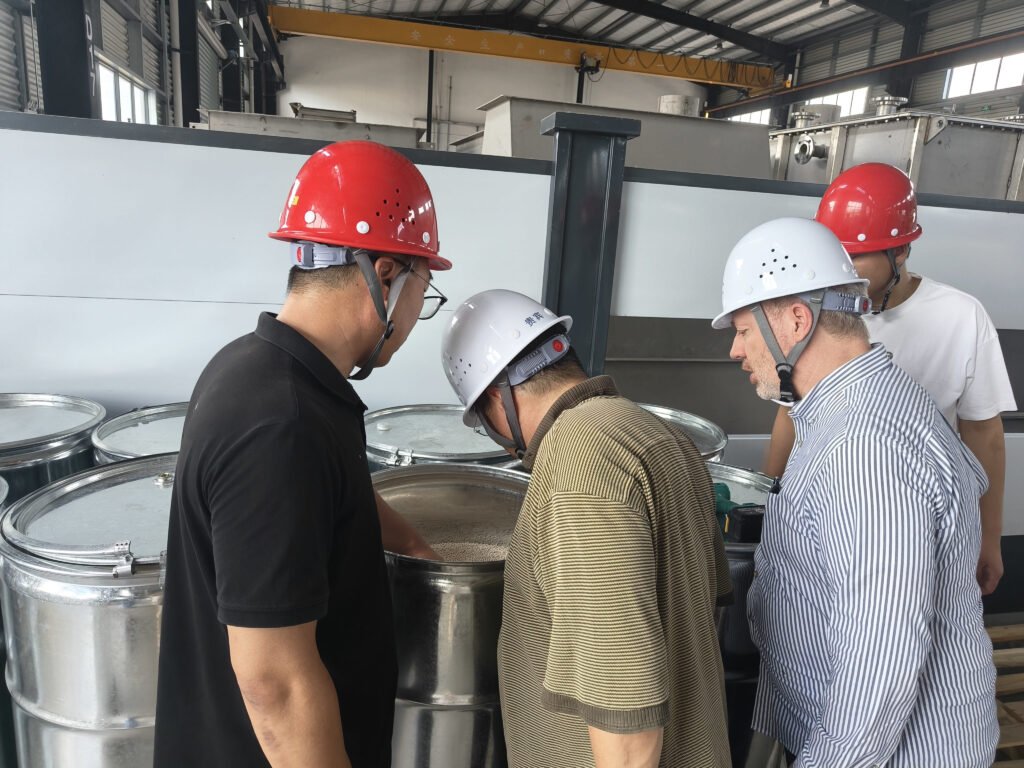
High energy bills hurt your bottom line. In large Air Separation Units (ASUs)[^1], thermal regeneration wastes up to 5% of total power. Upgrading your purification system fixes this fast.
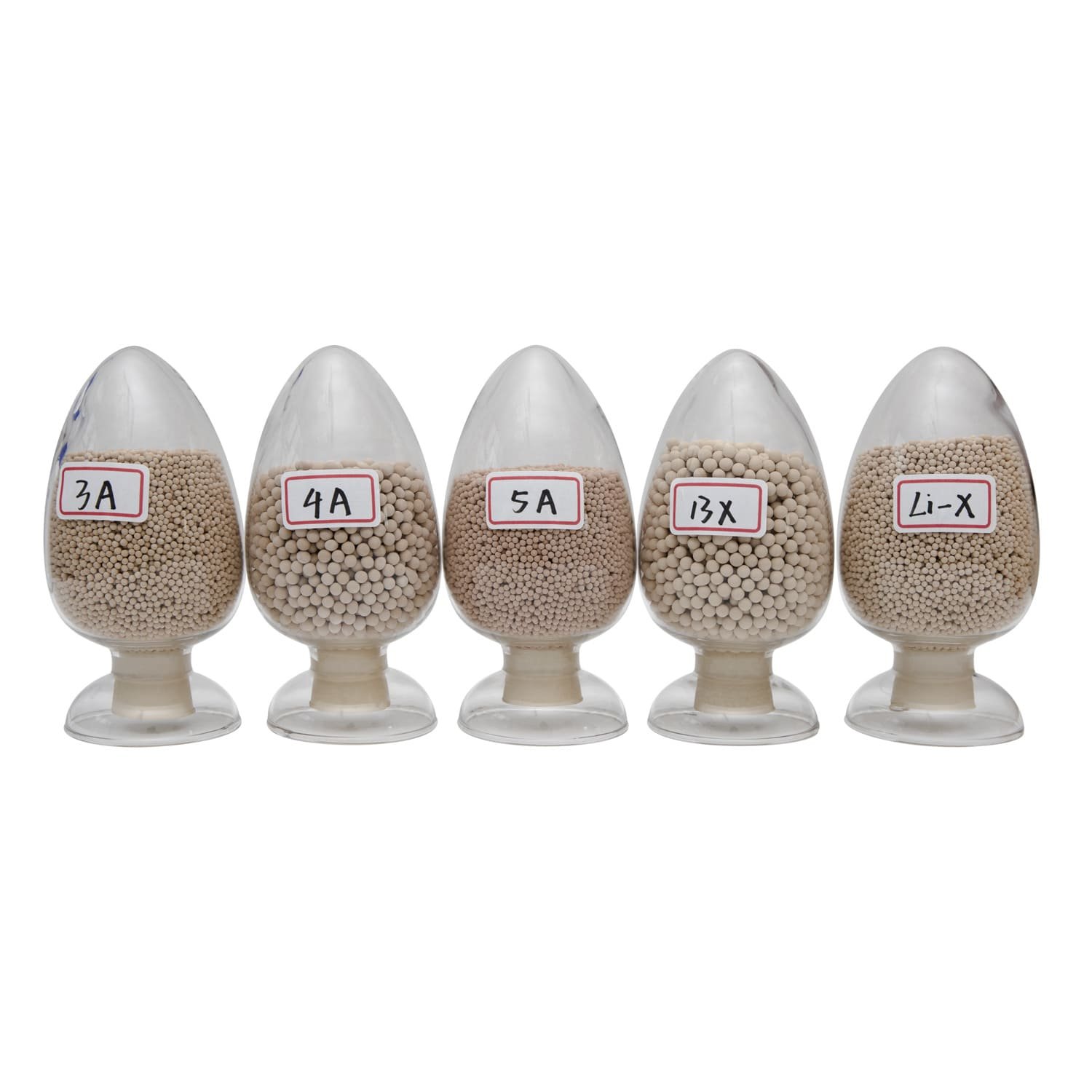
You can reduce ASU energy consumption by using high-performance 13X-APG molecular sieves[^2], switching to double-layer beds[^3], applying staged heating purges, recovering waste steam, and utilizing PSA systems[^4]. These methods lower regeneration temperatures, shorten heating cycles, and drastically cut overall power and fuel demands.
You might think high energy costs are just a normal part of running an air separation unit. However, I will show you exactly how my factory helps clients cut these costs down to size. You cannot afford to miss these six proven energy-saving methods.
Can High-Performance Molecular Sieves Lower ASU Energy Costs?
Weak molecular sieves force you to overcool air. This wastes massive amounts of electricity. Switching to advanced sieves with high carbon dioxide capacity[^5] solves this cooling problem immediately.
High-performance molecular sieves maintain excellent carbon dioxide adsorption even at higher temperatures. This reduces the load on your pre-cooling system and cuts refrigeration needs. You will use less molecular sieve material[^6] and require less heat for regeneration, achieving a double energy-saving effect.
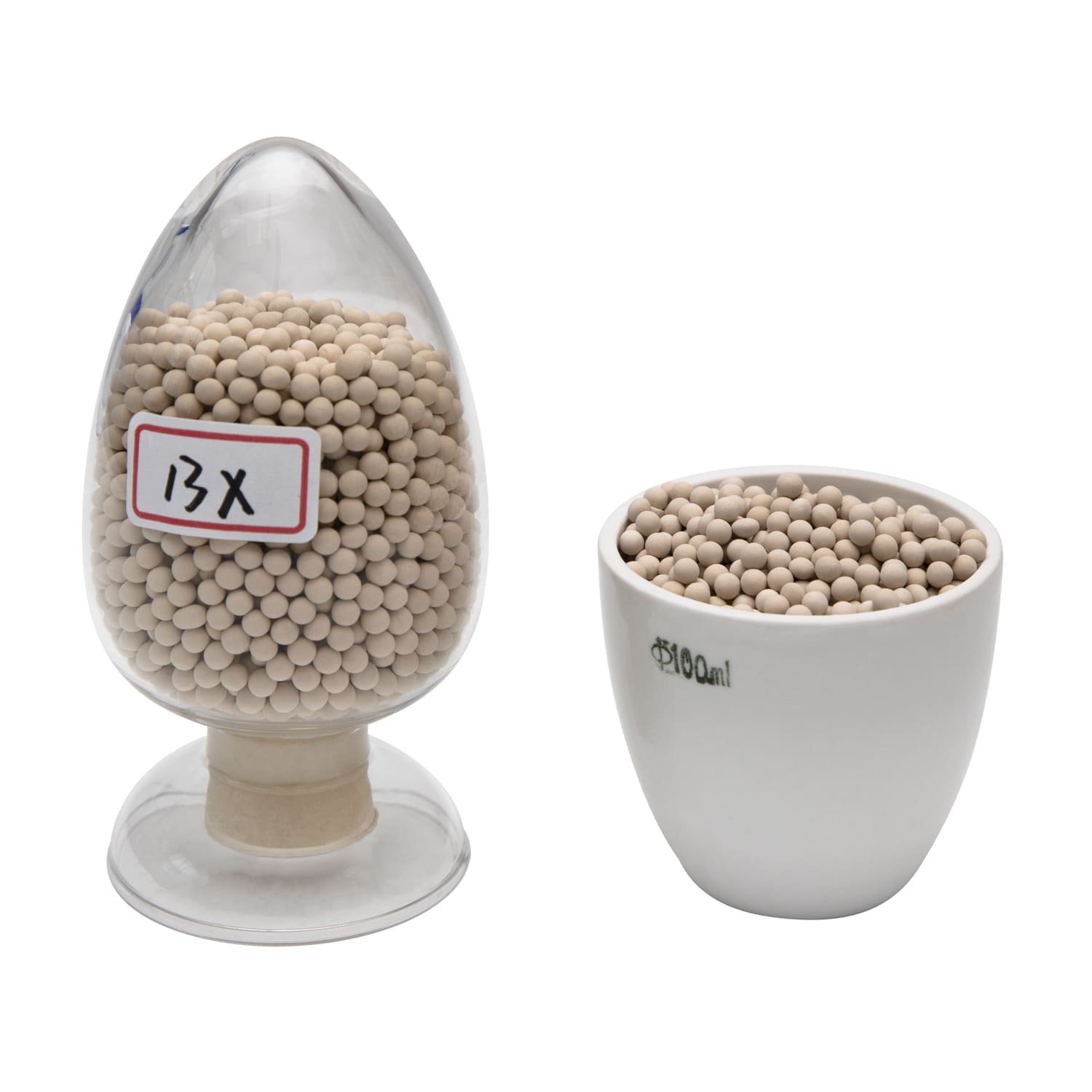
In my 20 years of experience in the chemical industry, I see many plants use basic sieves. They have to chill the air heavily before it enters the bed. This is a huge waste of power. If you upgrade to a high-capacity type like our 13X-APG molecular sieve, everything changes.
The Impact of Adsorption Capacity
Our factory uses a fully automated production line. We make sure every bead is perfect. This means the beads catch carbon dioxide and water easily. They work fine even if the incoming air is warmer. You do not need to run your chillers at maximum power. This saves a lot of electricity every single day.
Double Savings Breakdown
Let us look at how the savings stack up in a real plant:
| Savings Area | Old Method | High-Performance Sieve Method |
|---|---|---|
| Pre-cooling load | Very high (needs deep chill) | Low (works at higher temperatures) |
| Material volume | Large beds required | Smaller beds required |
| Regeneration heat | Needs massive heat energy | Needs much less heat |
When you use less material, you have less mass to heat up during the regeneration phase. This cuts your thermal energy bills fast. As a manufacturer, I always tell my OEM clients that the right base material is the easiest way to save money.
Will a Double-Layer Bed Setup Reduce Regeneration Temperatures?
Single-layer beds trap too much water in the main sieve. This requires extreme heat to clean. Adding a protective layer of activated alumina[^7] stops this massive heat waste.
A double-layer bed uses activated alumina[^7] at the bottom and molecular sieves at the top. The alumina catches most of the water first. Because alumina releases water at lower temperatures than molecular sieves, you can lower the overall regeneration temperature and save heating energy.
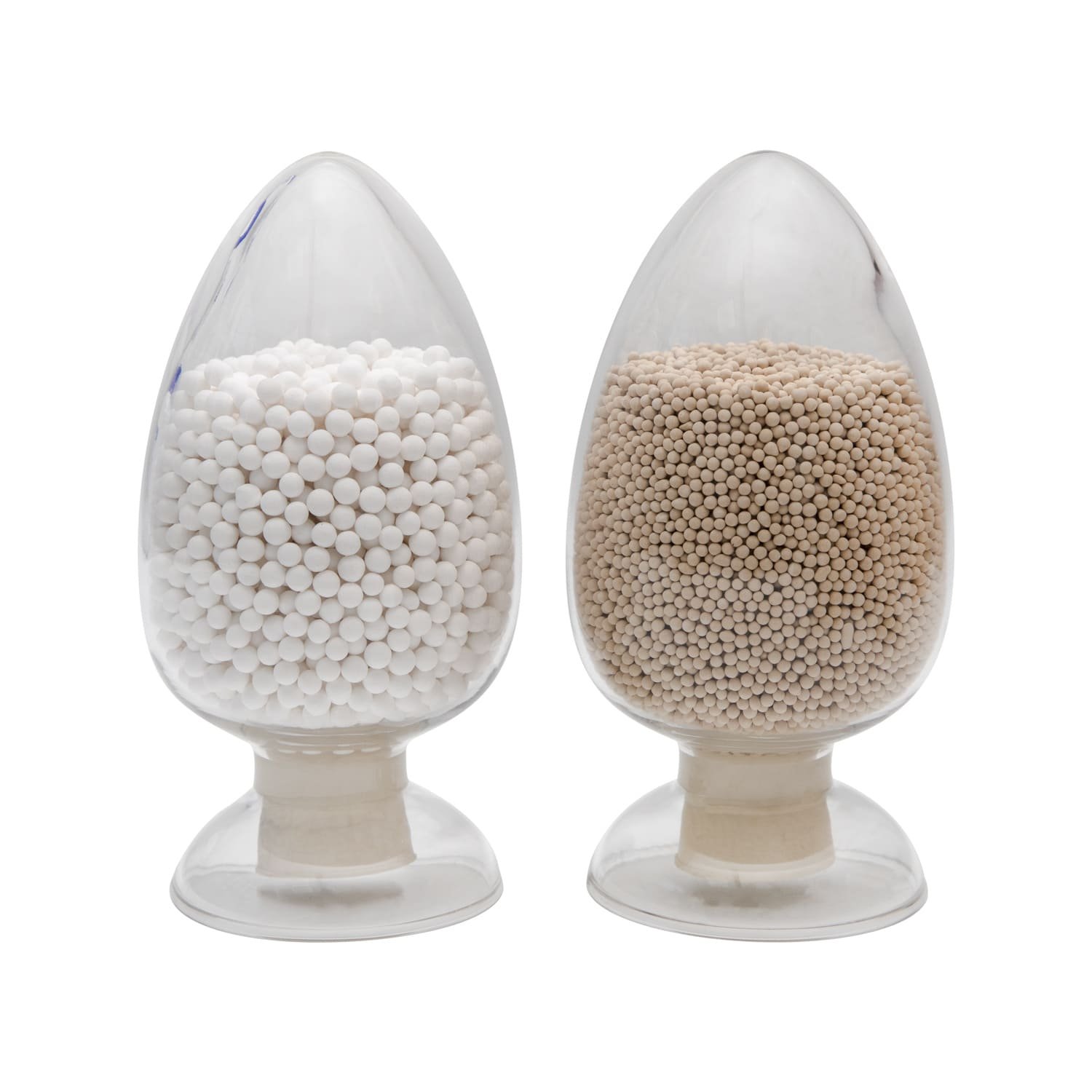
Many factory managers ask me how to optimize their existing tanks. I always suggest the double-layer bed design. It is a very simple but smart trick. Water binds very tightly to a 13X molecular sieve. If you get the sieve soaked with bulk water, you must use very hot gas to dry it out. This takes hours and burns a lot of power.
Why Activated Alumina Helps
Activated alumina is different. It loves water, but it holds the water loosely. When you put a layer of alumina at the air inlet, it acts like a sponge. It grabs the heavy moisture before the air reaches the high-end molecular sieve.
Temperature Reduction Benefits
Here is how the temperature needs change with this setup:
| Material | Primary Target | Required Regeneration Temperature |
|---|---|---|
| Activated Alumina | Bulk Water | Low to Medium |
| 13X Molecular Sieve | Carbon Dioxide and Trace Water | High |
Because the alumina handles the bulk water, the molecular sieve only deals with carbon dioxide and tiny amounts of moisture. You do not need to push the heater to its maximum limit anymore. This simple design change drops your power usage and extends the life of the adsorbent beads.
How Does Staged Heating and Cooling Cut Regeneration Time?
Heating the bed slowly wastes hours of power. This slow process drives up your daily running costs. A staged heating and cooling method speeds up the cycle safely.
Staged heating and cooling uses targeted temperature steps during the purge phase. Instead of applying constant heat, you adjust the gas temperature in phases. This method ensures thorough regeneration while significantly shortening the total heating time, which directly lowers your daily power consumption.
I remember visiting a client who ran their electric heaters non-stop for hours during regeneration. They complained about high electricity bills. I looked at their control system and told them to change their heating profile. They were using a flat heating method.
The Problem with Flat Heating
If you just turn the heater on and leave it, you waste heat. The bed does not need maximum heat at the very beginning or the very end of the cycle.
The Staged Approach
You should break the process into clear steps to save money.
| Cycle Phase | Action Taken | Result |
|---|---|---|
| Initial Purge | Use warm gas | Removes loose water quickly |
| Peak Heat | Use very hot gas | Breaks tight carbon dioxide bonds |
| Cooling Step | Introduce cold gas early | Uses bed's own heat to finish the job |
By stopping the active heating early and letting the hot gas push through, you save a lot of electricity. The bed still gets perfectly clean. You just stop paying for extra heat that you do not actually need. Our granulator-formed beads handle this well. They have high mechanical strength. This makes staged heating very safe for your system.
Can Waste Heat and Thermal Storage Drop Heating Demands?
Throwing away hot exhaust gas is like throwing away cash. Your factory loses money every minute. Capturing this waste heat slashes your need for fresh electricity and fuel.
You can install thermal regenerators in electric heating systems to store and supplement heat. Additionally, you can use a waste steam heater. This takes steam from waste heat boilers to heat the secondary purifier. Both methods drastically reduce the need for new grid power or fresh fuel.
In large industrial zones, heat is everywhere. Yet, many air separation units act like they are on a lonely island. They buy expensive electricity to heat their gas while the plant next door vents hot steam into the sky. This makes no sense to me.
Using Thermal Storage
If you must use electric heaters, you should install a heat regenerator. It acts like a battery for heat. It captures extra heat and gives it back when you need it most.
Capturing Waste Steam
If your site has a waste heat boiler, you have a goldmine. You can pipe that free steam into a heat exchanger.
| Heat Source | How to Use It | Financial Impact |
|---|---|---|
| Electric Heater | Add a thermal storage[^8] unit | Lowers peak power draw |
| Waste Steam | Route to purge gas heater | Replaces bought fuel entirely |
I always advise my OEM partners to look at the whole factory site. If you can use waste steam to warm up your purge gas, your molecular sieve regeneration becomes almost free. Our 13X-APG sieves respond perfectly to this gentle, steam-heated gas. You get a clean bed and a much smaller utility bill.
Is Pressure Swing Adsorption (PSA) More Efficient Than TSA?
Thermal regeneration takes too long and uses too much heat. This constant heating cycle eats into your profits. Switching to a pressure-based system eliminates the need for heat entirely.
Pressure Swing Adsorption (PSA) systems regenerate the molecular sieve bed by simply dropping the pressure. Because PSA relies on pressure changes rather than high temperatures, it requires absolutely no heating energy. This makes PSA far more energy-efficient than traditional Temperature Swing Adsorption (TSA) methods.
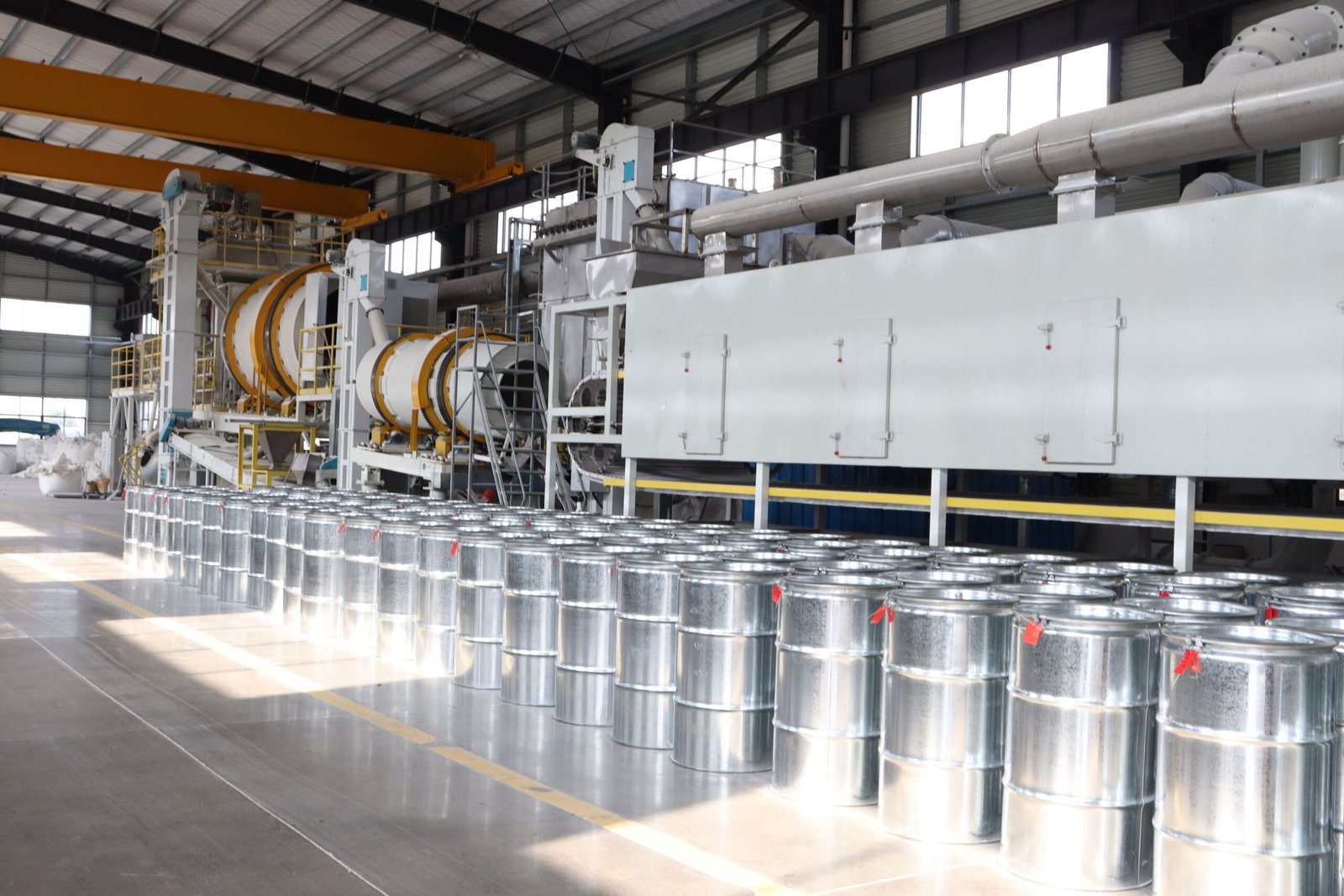
Most large air separation units use TSA. They heat the gas, clean the bed, and cool it down. But for many operations, this is not the only way. I have helped several international brands design beds specifically for PSA systems[^4].
The Magic of Pressure Changes
In a PSA system, you push air in at high pressure. The molecular sieve grabs the impurities. To clean the sieve, you just open a valve and drop the pressure. The impurities pop right off.
Comparing the Two Systems
Let us look at why PSA wins on energy:
| Feature | TSA (Thermal) | PSA (Pressure) |
|---|---|---|
| Regeneration trigger | High heat | Low pressure |
| Heating energy used | Very high | Zero |
| Cycle speed | Very slow (hours) | Very fast (minutes) |
You do not need heaters. You do not need cooling water. You just use the pressure you already created with your air compressor. Our factory creates round, tough beads. We use a special granulator-based forming process. This is much better than the old sugar-coating pan process. Our beads easily survive these rapid pressure drops without breaking down.
Should You Pre-Heat Purge Nitrogen With Compressed Air?
Cooling hot compressed air wastes water. Heating cold purge nitrogen wastes electricity. Combining these two streams solves both problems at the exact same time.
You can route the hot compressed air from the compressor outlet through a heat exchanger to warm up your purge nitrogen. This clever step uses free compression heat to pre-heat the nitrogen for regeneration, while simultaneously cooling down the process air before it enters the purification bed.
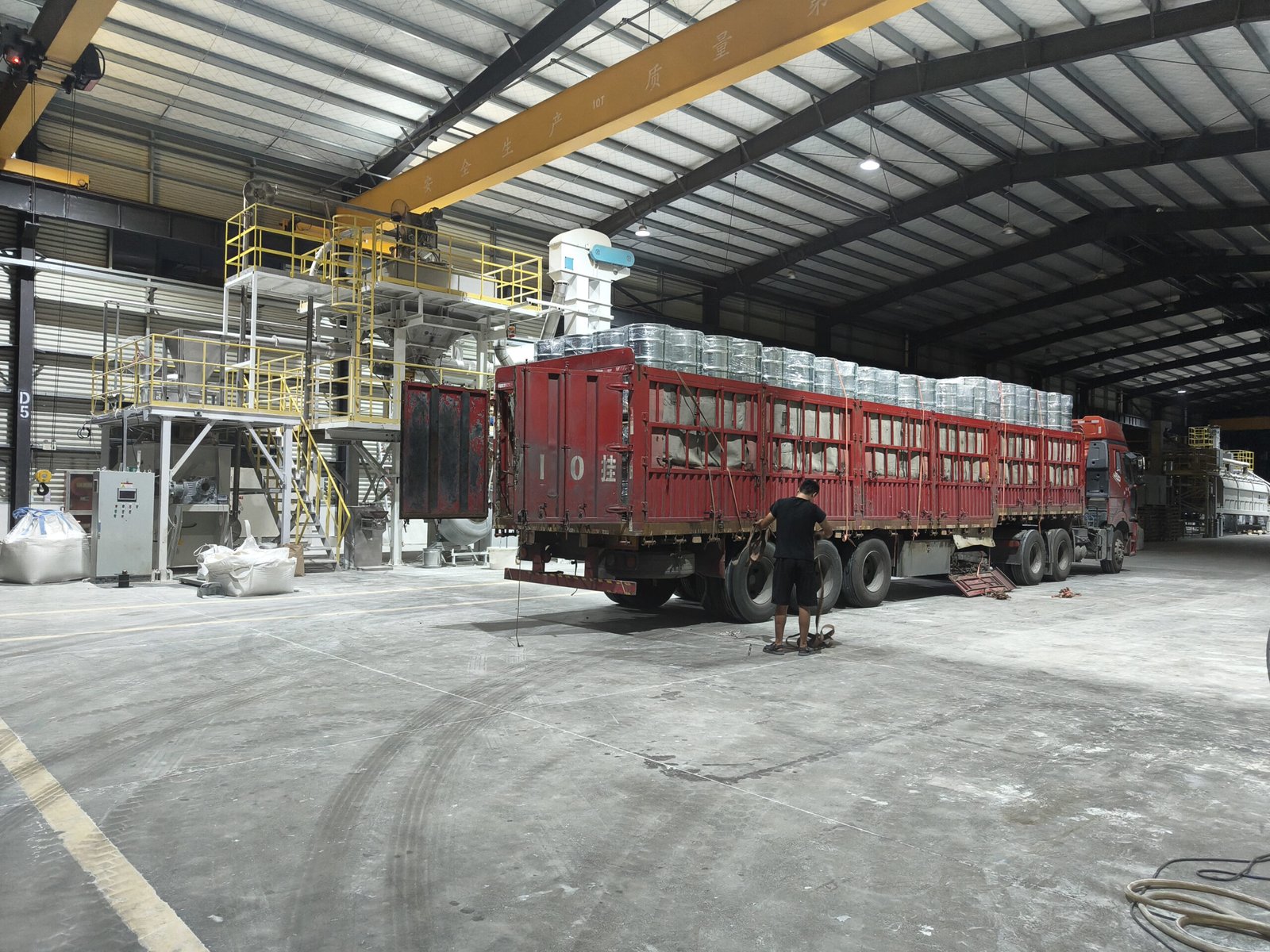
This is one of my favorite engineering tricks. When you compress air, it gets very hot. Usually, you send this hot air through a water cooler to chill it down. You pay money to pump the water. At the same time, you pay money to an electric heater to warm up your nitrogen for the regeneration purge.
The Smart Heat Exchange
Why not let the hot air heat the cold nitrogen? You just put a heat exchanger between them.
The Dual Benefit System
This creates a perfect loop of energy savings:
| Gas Stream | Before Exchange | After Exchange | Benefit |
|---|---|---|---|
| Compressed Air | Too hot | Cooler | Needs less cooling water |
| Purge Nitrogen | Too cold | Hotter | Needs less electric heat |
The hot air gives its heat to the nitrogen. Now, your nitrogen is warm and ready to clean the molecular sieve. Your compressed air is cooler and ready for the main chiller. You save on both cooling and heating costs. When you combine this trick with our premium 13X-APG molecular sieve, your plant will run at peak efficiency every day.
Conclusion
Upgrading to high-performance molecular sieves, optimizing bed layers, and capturing waste heat will drastically reduce your ASU energy consumption. Smart engineering choices always create massive long-term financial savings.
[^1]: Understanding ASUs is crucial for optimizing energy efficiency in industrial applications. [^2]: Discover how these sieves can significantly reduce energy costs in air separation. [^3]: Explore the advantages of double-layer beds for enhanced performance and savings. [^4]: Gain insights into PSA systems for more efficient air separation and lower energy use. [^5]: Understanding CO2 capacity is key to selecting the right molecular sieves for efficiency. [^6]: Understanding the right materials can lead to better efficiency and cost savings. [^7]: Explore the role of activated alumina in enhancing energy efficiency in ASUs. [^8]: Discover how thermal storage can optimize energy use and lower operational costs.