Skip to content
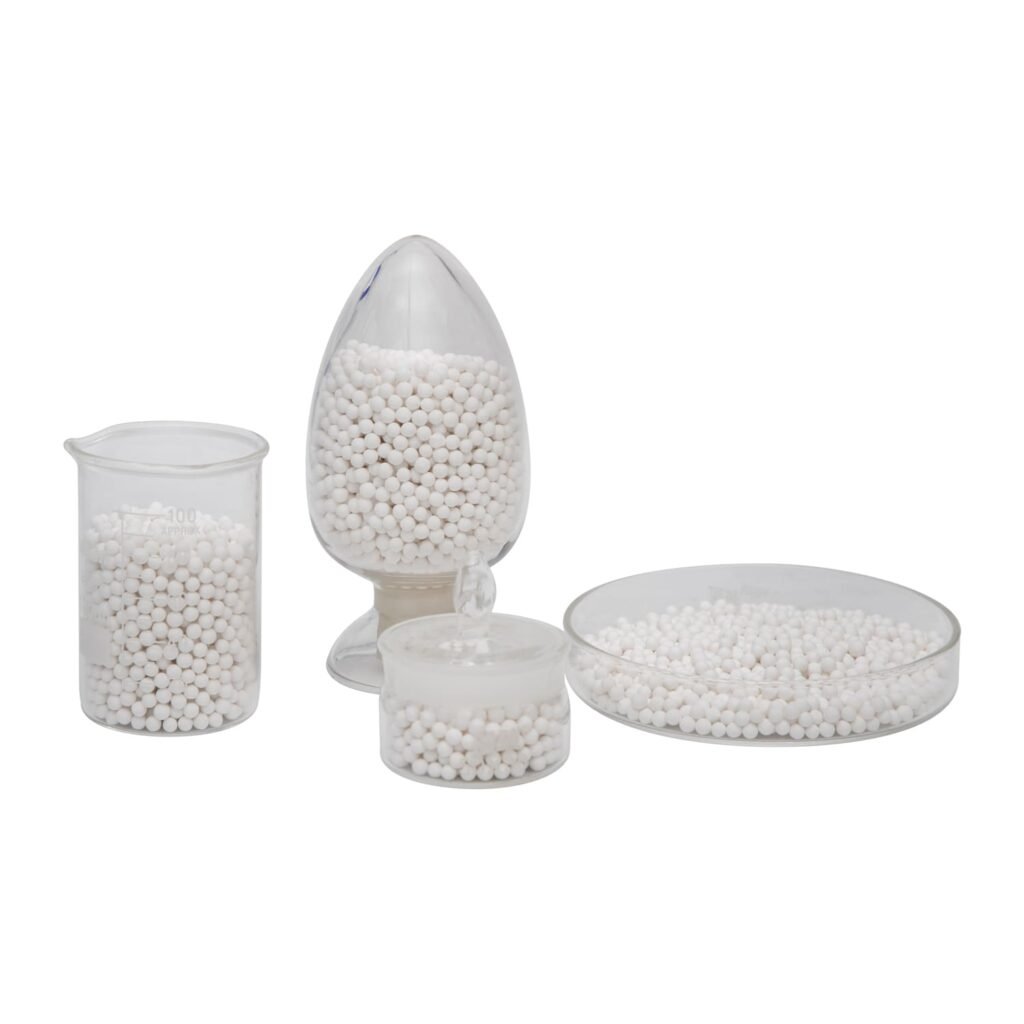
Do your dryers fail? The wrong particle size ruins your system. I will show you how to fix this problem today.
You must balance adsorption efficiency[^1], pressure drop, and crush strength[^2] to pick the right activated alumina size[^3]. Small sizes dry air faster but block air flow. Large sizes resist crushing but dry air slower. The middle size works best.
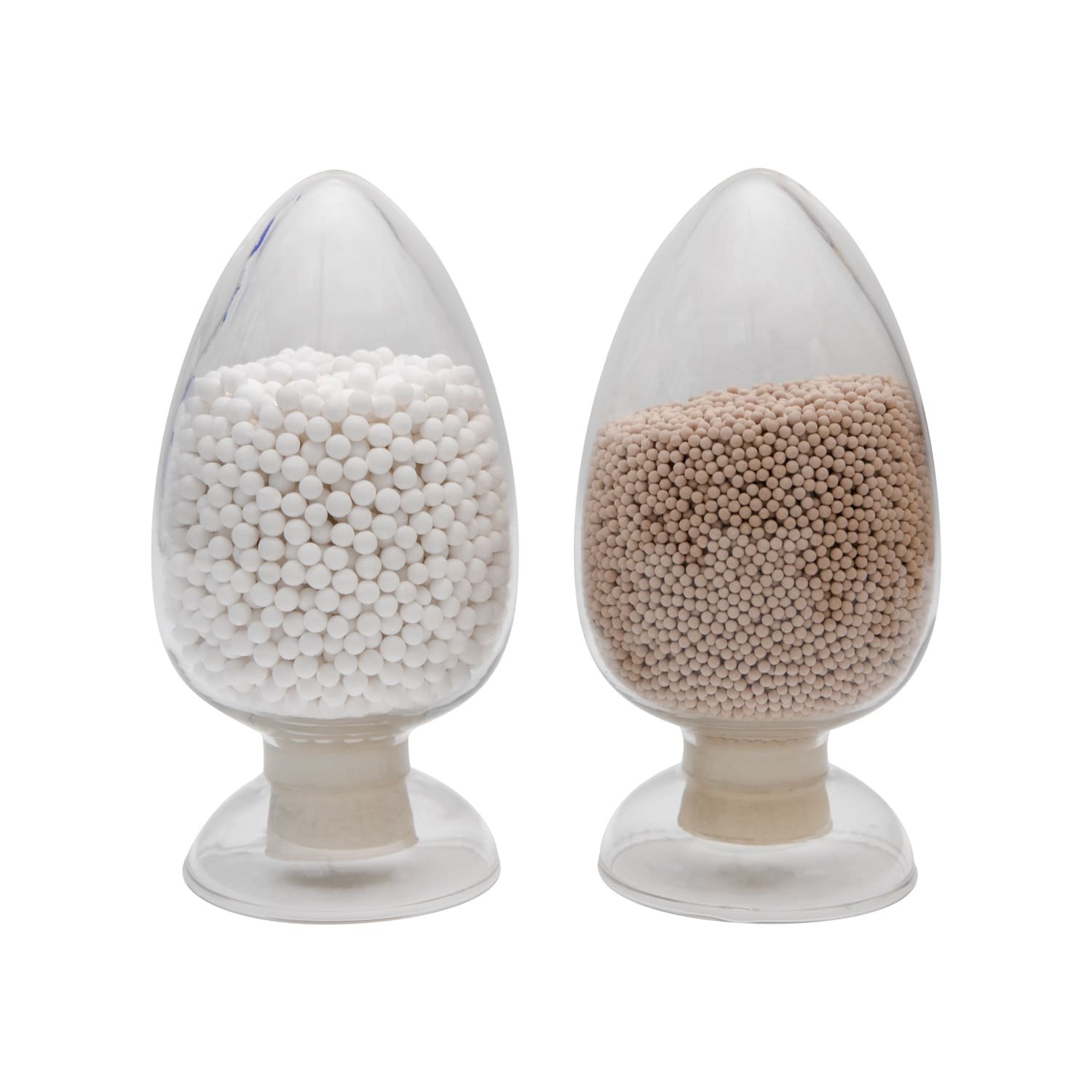
I have worked in chemical manufacturing for 20 years. I see many buyers make the same mistake. I will break down the facts now. You can stop guessing and start winning.
How Does Particle Size Affect Adsorption Speed and Efficiency?
Wet gas ruins your products. Big particles take too much time to catch water. Small particles solve this problem fast.
Small particles give you a large surface area. Water molecules travel a short path to reach the center. This creates fast adsorption. This gives you high bed use. This makes your gas very dry.

Let us look closer at how water moves. I remember a time when an international brand came to my factory. They bought large beads for a fast gas stream. Their end users complained about wet air. I told them to use a smaller size. They changed the size. The problem stopped.
The Short Path Rule
Water molecules act like tiny cars. They need a short road to park quickly. In small beads, the road is very short. The cars park in a flash. In big beads, the road is very long. The cars drive for a long time. If the air pushes the cars too fast, they miss the parking spot. They fly right out of the tank. This means your air stays wet. You fail your drying test.
Size and Speed Match
Here is a simple way to look at it.
| Bead Size | Travel Path | Adsorption Speed | Bed Use |
|---|---|---|---|
| Small | Very Short | Very Fast | High |
| Medium | Normal | Normal | Normal |
| Large | Long | Slow | Low |
You need small beads when you want very dry air. The small beads grab water fast. They use the whole tank well. But you must be careful. Small beads cause other problems. I will explain the next problem below.
Why Does Particle Size Change Pressure Drop in Your System?
High energy bills hurt your factory. Packed beads block the air flow. You must pick the right gap size to save money.
Small particles pack very tightly together. They leave tiny gaps for the gas. The fan must push very hard to move the gas. This causes a high pressure drop[^4]. This wastes electric energy.
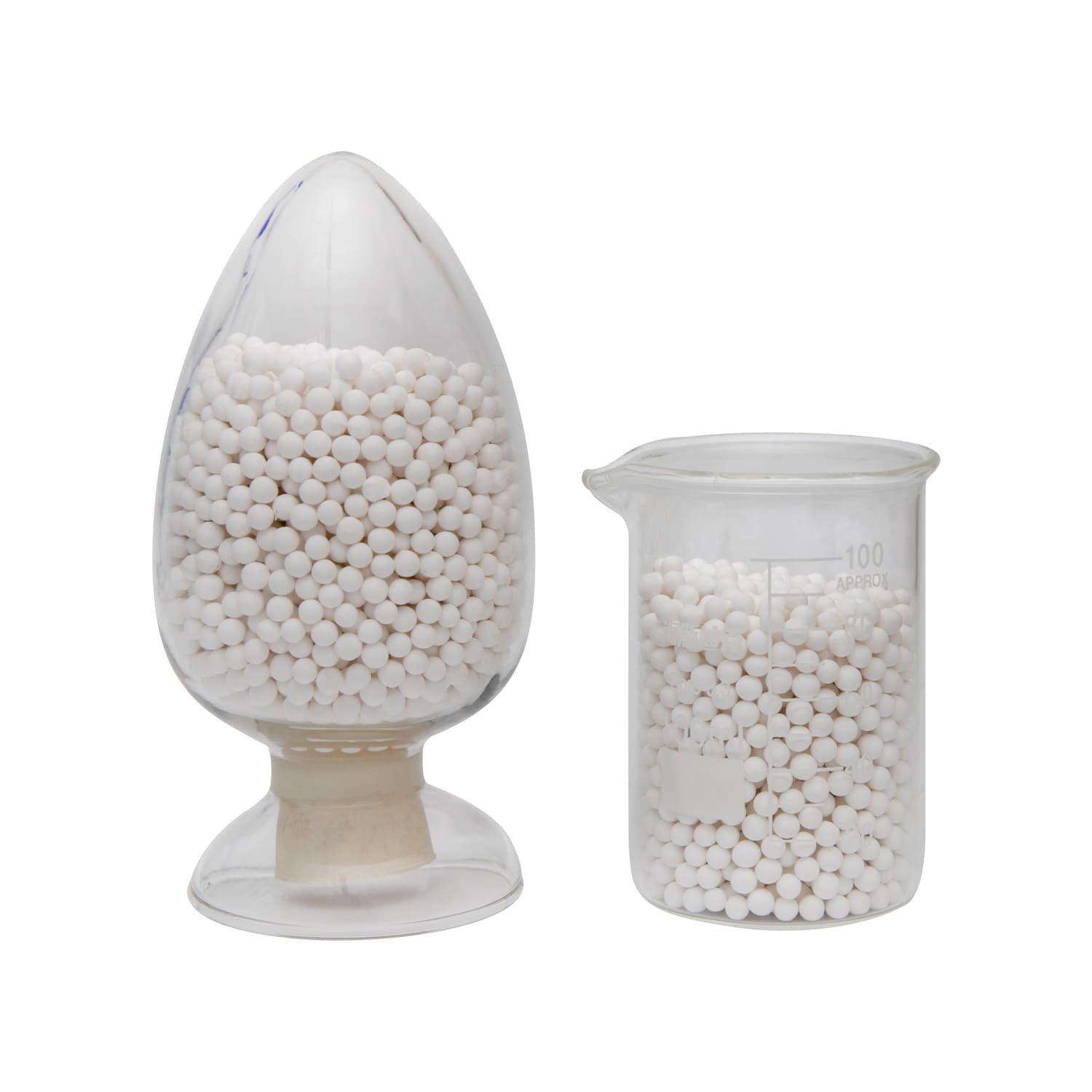
Air needs space to move. When you fill a tank with small activated alumina beads, the beads sit very close to each other. The empty space between them is very small.
The Fan Problem
I had a distributor call me last year. His client used tiny beads in a huge tank. The client fan motor burned out. Why did it burn out? The fan pushed air into a solid wall of tight beads. The resistance was too high. We call this pressure drop[^4]. Think of a crowd of people. If people stand shoulder to shoulder, you cannot walk through them. Small beads stand shoulder to shoulder. The air cannot walk through. The fan must push the air with brutal force. This force burns a lot of electricity. Your power bill goes up. Your boss gets angry. You waste money every single day. Big beads stand with wide spaces between them. The air walks right through easily. The fan relaxes. The power bill stays low.
Balancing Gaps and Air
You must think about your fan power. If your tank is tall and narrow, pressure drop[^4] is a big risk. You need bigger beads to make bigger gaps.
| Bead Size | Gap Size | Gas Resistance | Fan Energy Cost |
|---|---|---|---|
| Small | Very Tiny | Very High | Very High |
| Medium | Normal | Normal | Normal |
| Large | Very Big | Very Low | Very Low |
We make CHEMEQUIP beads from 0.4 millimeter to 8 millimeter. You can choose the exact size you need. If your gas moves fast, you want large gaps. If your gas moves slowly, small gaps are fine. You must look at your pump power before you buy.
How Does Particle Size Impact Mechanical Crush Strength?
Broken beads create dust. Dust ruins your valves and pipes. You need strong beads to stop this mess.
Large particles have high crush strength[^2]. They hold heavy weight from the beds above them. They resist hard hits from fast gas. This stops the beads from breaking into dust.
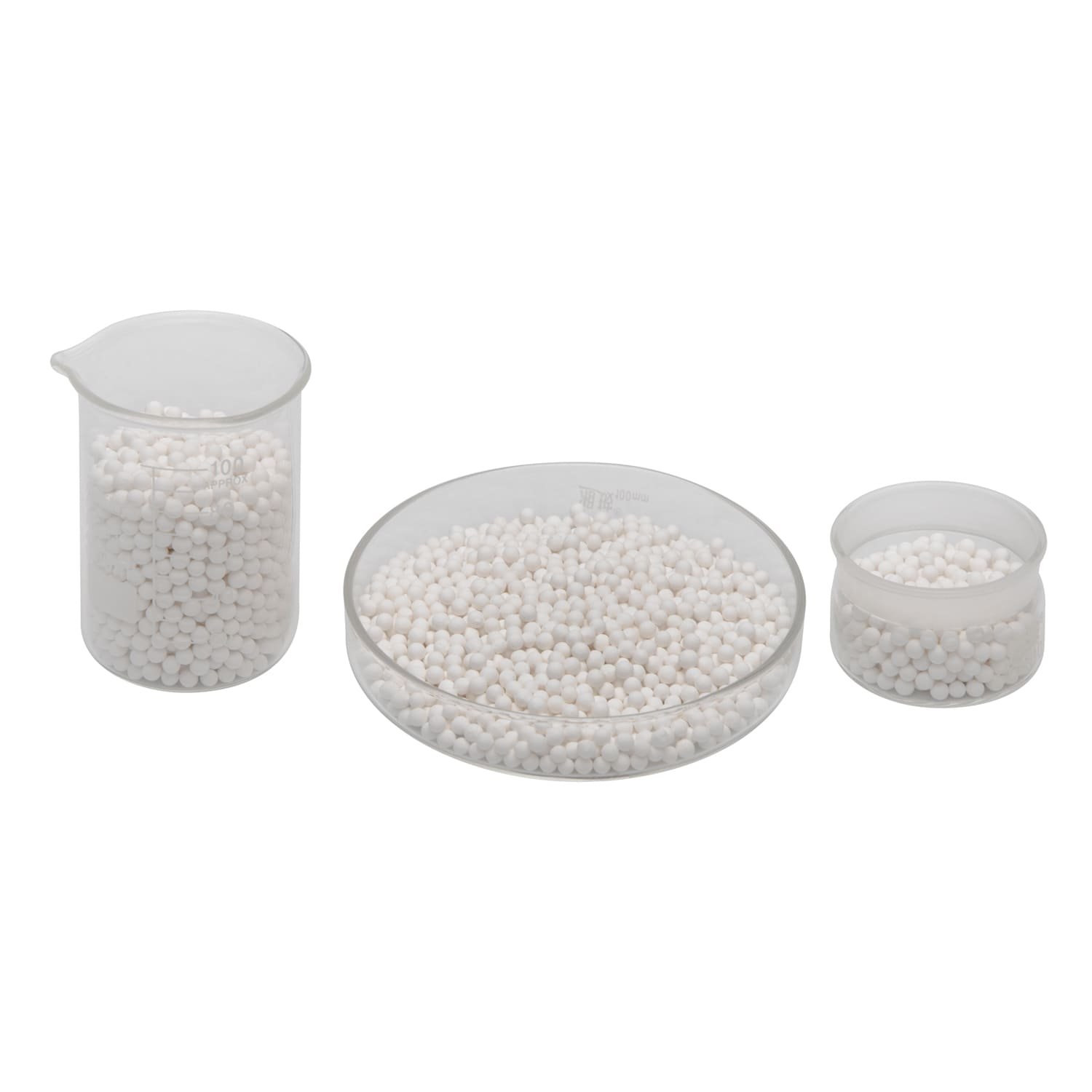
Strength is vital for deep tanks. The beads at the bottom carry the weight of all the beads above them. When the gas rushes in, it hits the bottom beads hard.
The Weight Problem
Small beads break easily under heavy weight. When they break, they turn into powder. This powder flies into your pipes. It ruins your expensive valves. As an OEM supplier, I see this often. Buyers buy cheap and small beads. They break their whole system. Imagine stacking heavy bricks. The brick at the very bottom feels the weight of all the bricks above it. If the bottom brick is weak, it turns to dust. The whole stack falls down. In a deep tank, the beads at the bottom feel immense pressure. When gas shoots in at high speed, it is like hitting the bottom beads with a hammer. Small beads cannot survive this hammer. They crack. They crumble. They become fine powder. This powder flies up into your clean gas lines. It clogs everything.
Factory Quality Matters
In my factory, we use a granulator forming process. We do not use old pan processes. This makes our beads uniform and very strong. But even with good making, large sizes hold more weight naturally.
| Bead Size | Crush Strength | Dust Risk | Best For |
|---|---|---|---|
| Small | Low | High | Shallow Tanks |
| Medium | Good | Low | Normal Tanks |
| Large | Very High | Very Low | Deep Tanks |
If you have a very tall tank, you must use large beads at the bottom. The big beads hold the weight. They do not turn to powder. This keeps your system clean and safe.
What Is the Best Standard Size for Most Industrial Dryers?
Too many choices cause stress. Custom sizes take a long time to make. The standard size is your safest bet.
The standard CHEMEQUIP activated alumina size[^3]s offer the best balance. They give great adsorption efficiency[^1]. They give strong crush strength[^2]. They fit most normal industrial dryers perfectly.

Most buyers just want a part that works. They do not want to test ten different sizes. Over my 20 years in the chemical industry, I have found the sweet spot.
The Middle Way
The medium size[^5]s give you the best results. They dry the gas fast enough. They leave big enough gaps for the air. They have enough strength to survive normal tanks. Standard sizes sell the most because they fit the most machines. As a factory owner, I make tons of standard beads every day. My automated machines run fast. This means I can give you a great price. I can load a whole shipping container in ten days. You get your stock quickly. Your buyers do not wait. You sell more products. Everyone wins. Custom sizes are nice for special jobs. But they take time. They cost more money. For most of your customers, the standard size[^6] is the perfect answer.
Our CHEMEQUIP Range
We offer CHEMEQUIP activated alumina from 0.4 millimeter to 8 millimeter. But we always keep the standard size[^6]s in our factory stock.
| Application Need | Recommended Size | Why Pick This? |
|---|---|---|
| Fast drying | 1.5 - 3.0 mm | Fast path |
| Standard air dryer | 3.0 - 5.0 mm | Best balance |
| Tall bed | 5.0 - 8.0 mm | High strength |
If you run a normal B2B business, buy the standard size. It is safe. We have fully automated production lines to make these sizes. The quality is always stable. Your end users will be very happy with the results.
Conclusion
You must balance speed, air gaps, and strength to pick activated alumina size[^3]s. Choose standard sizes for most jobs. This keeps your dryers running perfectly.
[^1]: Exploring adsorption efficiency can help you optimize your drying systems and improve product quality. [^2]: Understanding crush strength can prevent costly maintenance issues and ensure system reliability. [^3]: Understanding the right size of activated alumina can significantly enhance your drying efficiency and reduce costs. [^4]: Learning about pressure drop can help you design more efficient systems and save on energy costs. [^5]: Medium sizes often provide the best balance of efficiency and performance for most applications. [^6]: Standard sizes can simplify procurement and ensure compatibility with most systems.