Skip to content
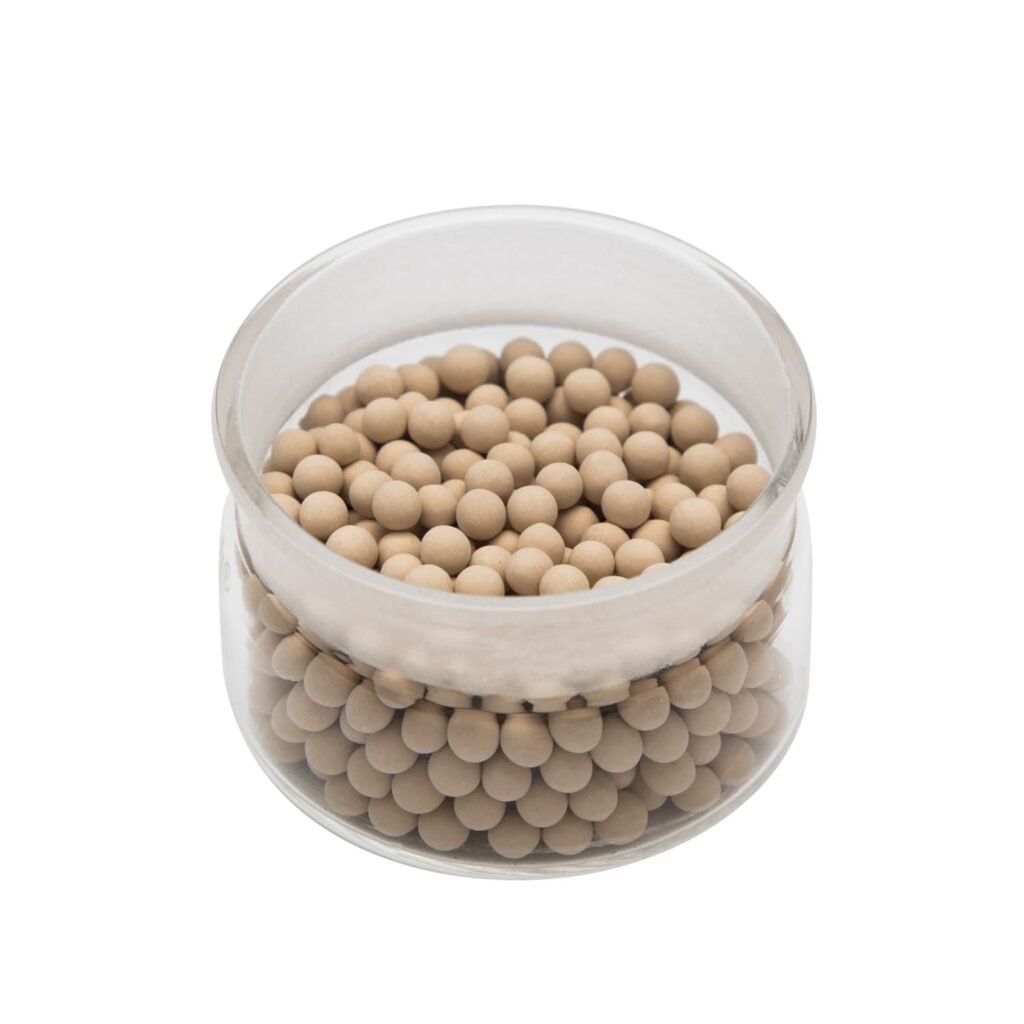
Choosing the wrong adsorbent can cripple your system. You believe a higher surface area[^1] is the ultimate goal, but this common assumption can lead to costly failures and downtime.
No, a higher surface area[^1] is not always better for adsorbents. While it can improve initial drying performance, it often comes with lower mechanical strength[^2]. This makes the material prone to powdering and dusting[^3] in high-pressure systems, leading to blockages and reduced efficiency over time.
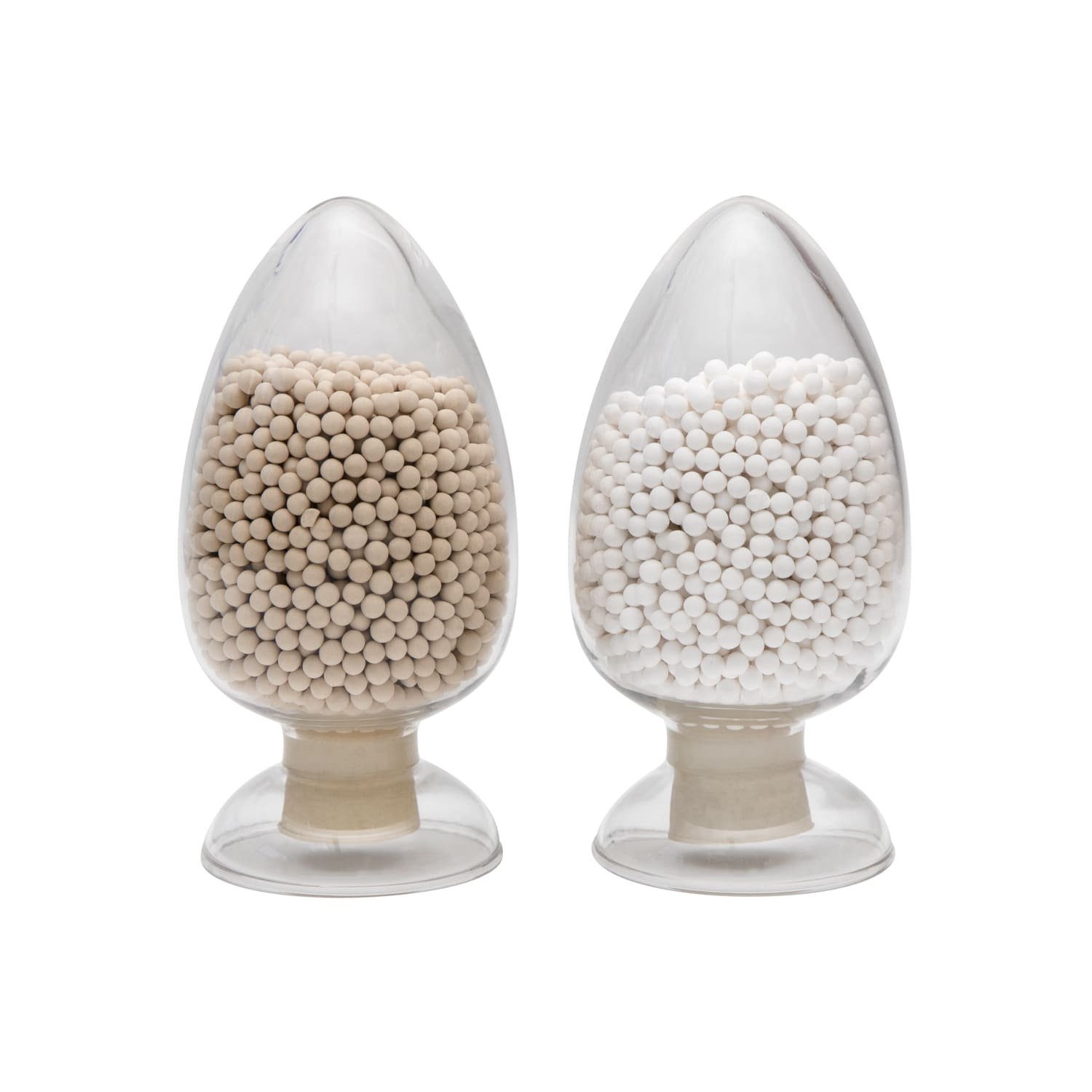
It's a classic case of "more" not always being "better." I've seen this mistake happen many times with clients before they came to us. They focus on one impressive number on a spec sheet and overlook the practical, real-world performance of the material in their equipment. To really protect your investment and ensure long-term reliability, you need to understand the full picture. Let's break down what surface area actually means for your equipment and why strength is just as important for success.
Why Does High Surface Area Seem So Appealing for Industrial Dryers?
You need to achieve the lowest possible dew point[^4]. Poor drying leads to moisture damage and product contamination. So, you're naturally drawn to adsorbents that promise massive surface areas.
A higher surface area[^1] provides more active sites for water molecules to attach to. Think of it like a sponge with more internal pores. This increased contact area allows the adsorbent to capture moisture more efficiently from the airflow, resulting in a lower dew point[^4] and superior drying performance.
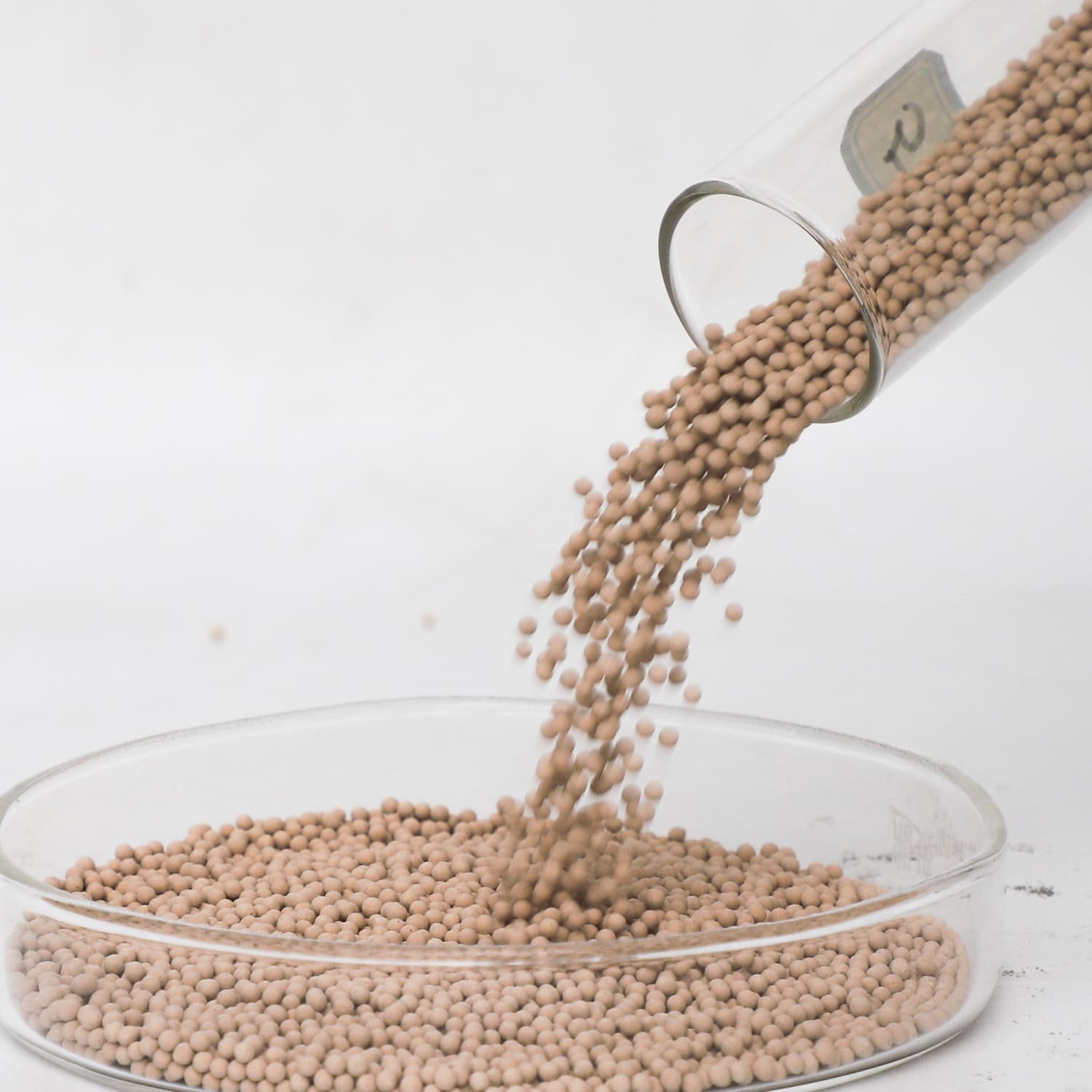
When we talk about an adsorbent's performance, surface area is a key metric. I often use a simple analogy: think of a sponge. A sponge with a vast network of tiny, interconnected holes can soak up much more water than a solid block of the same size. Adsorbents work in a similar way. The "surface area" includes not just the outside of the bead, but all the internal surfaces of its microscopic pores. A larger surface area means more places for water molecules to land and stick. In a compressed air dryer, this translates directly to better performance. The more surface area the air stream is exposed to as it passes through the adsorbent bed, the more efficiently water is removed. This results in a lower, more stable dew point[^4].
| Property | Effect on Drying |
|---|---|
| Higher Surface Area | More active sites for adsorption[^5] |
| Increased Air Contact | Faster, more complete water removal |
| Result | Lower final dew point[^4] |
What's the Hidden Cost of an Extremely High Surface Area Adsorbent?
You chose a high-surface-area adsorbent for its great specs. But now, you're seeing a pressure drop[^6] across your system, and your filters are clogging up with fine dust.
The hidden cost is poor mechanical strength[^2]. Adsorbents with extremely high surface areas are often more fragile. In high-pressure or high-flow dryers[^7], they can break down into dust. This powdering leads to blockages, pressure drop[^6]s, and eventually, expensive equipment failure and downtime.
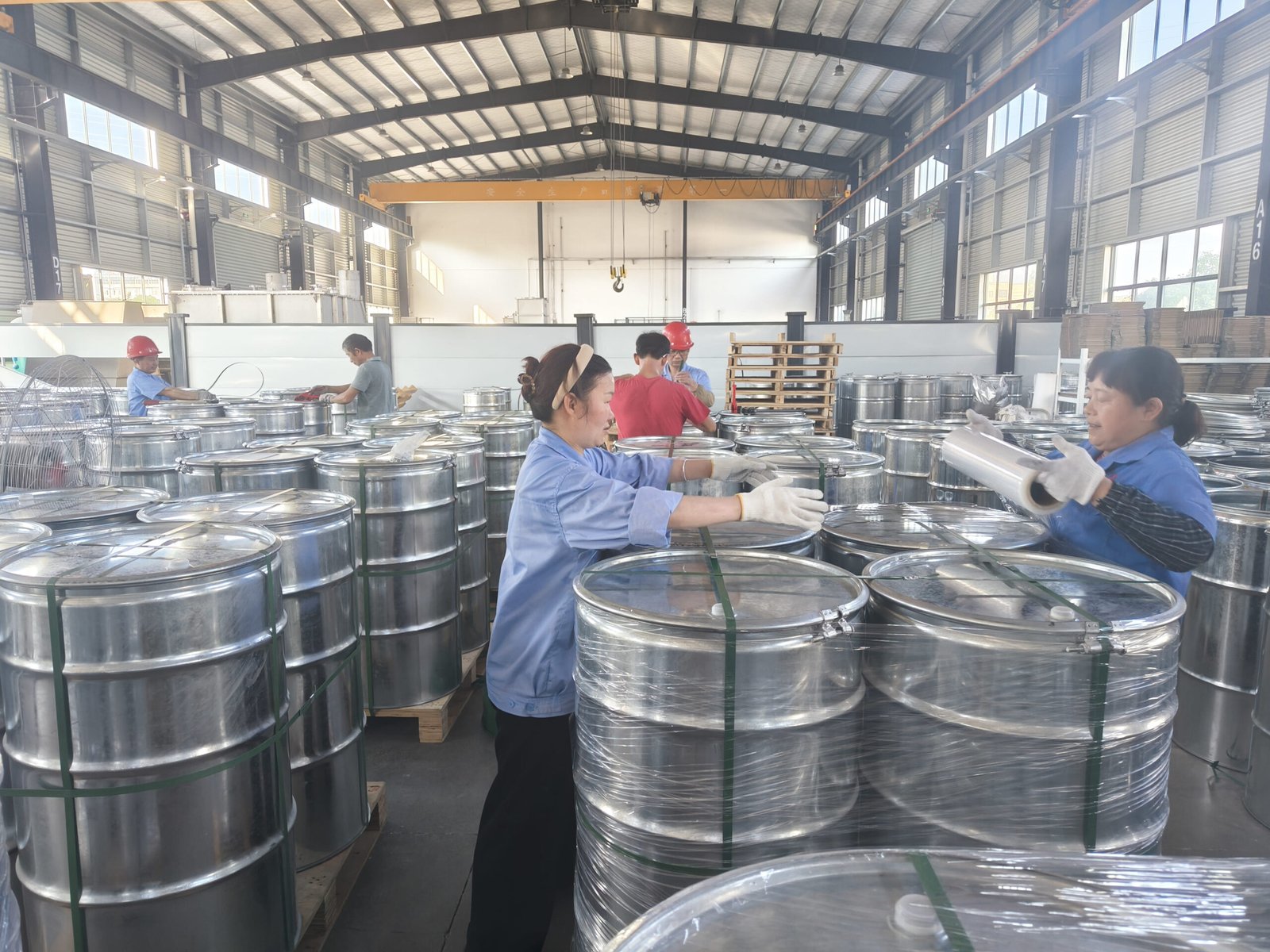
There is an unavoidable trade-off in material science. To create an extremely high internal surface area, the material's structure must be incredibly porous, almost like an aerogel. This porous structure inherently lacks the physical integrity of a denser material. When you put this fragile material into an industrial dryer, which often involves high pressures and constant airflow, the beads start to crumble. The vibration and force of the gas flow cause the beads to rub against each other, creating fine dust. This phenomenon is called attrition[^8]. This dust then travels downstream, clogging filters, fouling heat exchangers, and even damaging sensitive pneumatic equipment. The initial benefit of a super-low dew point[^4] is quickly erased by system-wide problems. This is why our factory invested RMB 8 million in a modern granulator-based production line. It creates beads with higher crush strength[^9] and lower attrition[^8], so they can withstand industrial conditions without turning to dust.
| Feature | High Surface Area (Fragile) | Balanced Strength (Durable) |
|---|---|---|
| Initial Performance | Excellent | Very Good |
| Dust Generation | High | Very Low |
| System Pressure Drop | Increases over time | Stable |
| Long-Term Cost | High (maintenance, downtime) | Low (reliability) |
How Do You Choose the Right Adsorbent for Your Dryer Application?
You're confused about which spec to prioritize. It feels like a gamble between poor drying performance on one side and catastrophic system failure on the other. How do you choose?
To choose the right adsorbent, you must look beyond surface area. Evaluate its mechanical strength[^2] (crush strength[^9]), dust rate (attrition[^8]), and pore size[^10]. Match these properties against your system's operating pressure, flow rates, and required dew point[^4] for an optimal, long-lasting solution.
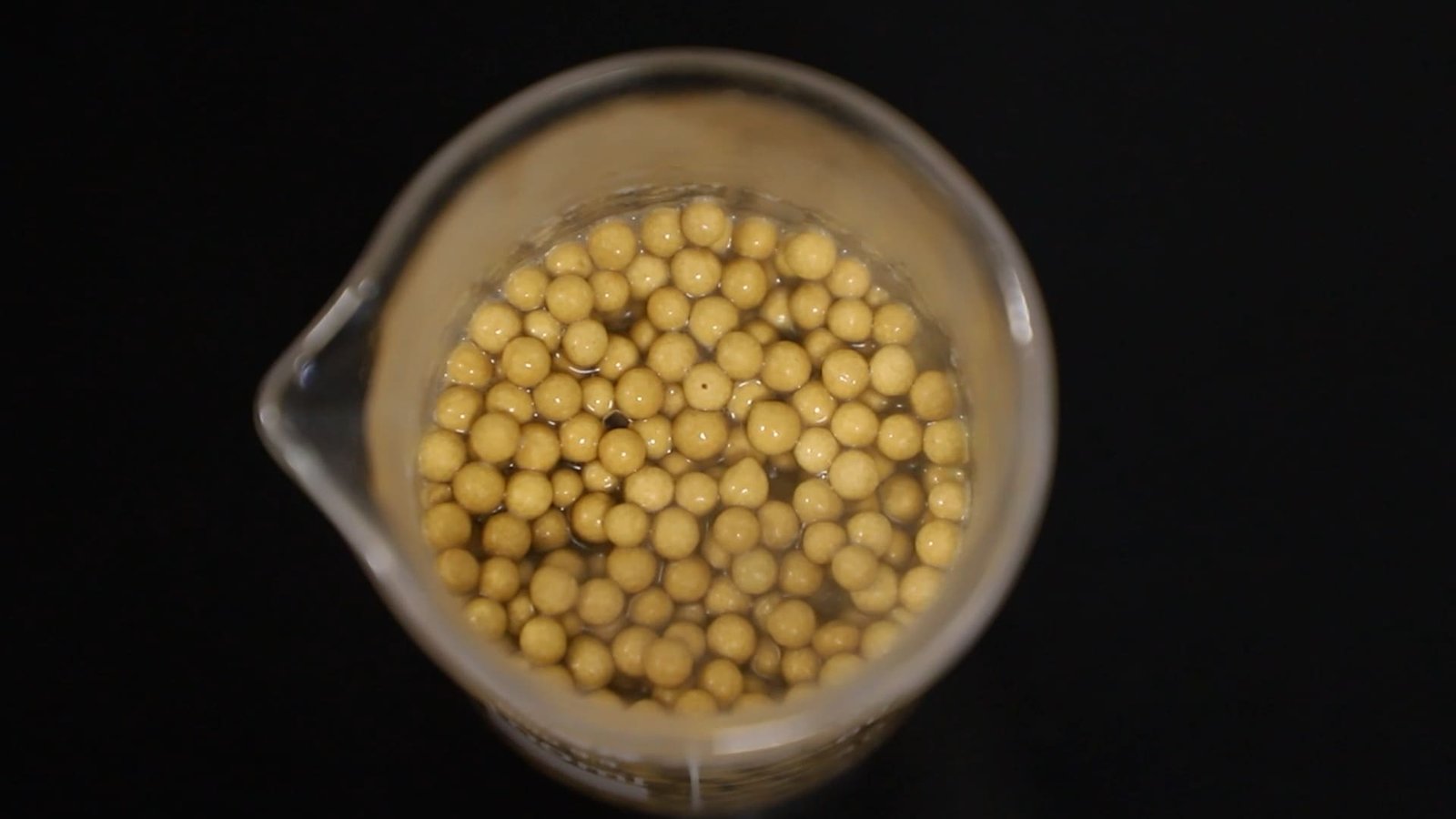
Making the right choice is about a balanced approach. It's not about finding the single best number on a data sheet, but about finding the best combination of properties for your specific needs. As an OEM/ODM supplier, this is a conversation I have with clients every day. We don't just sell a product; we provide a solution. First, we define the application's demands. Is it a high-pressure, cyclic system like a PSA? Or a lower-pressure bulk drying application? Then we look at the complete picture of the adsorbent's properties. Our fully automated production lines give us precise control over these factors, ensuring the product you receive is not just high-performing, but also incredibly stable and reliable batch after batch. This is the foundation of a true long-term partnership.
Key Selection Checklist
| Parameter | Why It Matters | What to Look For |
|---|---|---|
| Surface Area | Governs the total capacity for adsorption[^5]. | High enough to meet dew point[^4] needs. |
| Crush Strength | Resists crushing under the weight and pressure in the vessel. | A high value, ensuring physical integrity. |
| Attrition Rate | Measures the tendency to create dust during operation. | A low value, to prevent system contamination. |
| Pore Size | Determines which molecules can be adsorbed (e.g., water vs. air). | Correct for your specific separation needs. |
Conclusion
Choosing an adsorbent is not about finding the highest surface area. It is about finding the right balance of properties for your specific application to ensure both performance and long-term durability.
[^1]: Understanding the limitations of high surface area can prevent costly mistakes in adsorbent selection. [^2]: Exploring mechanical strength helps ensure the durability and reliability of adsorbents in industrial applications. [^3]: Learn about the issues of powdering to avoid operational failures and maintain system efficiency. [^4]: Understanding dew point is crucial for selecting the right adsorbent for effective moisture control. [^5]: Gain insights into the adsorption process to enhance your drying applications. [^6]: Understanding pressure drop can help you select adsorbents that maintain system efficiency. [^7]: Understanding challenges in high-flow systems can guide you in selecting the right adsorbent. [^8]: Learn about attrition to select adsorbents that minimize dust generation and system contamination. [^9]: Understanding crush strength can help you choose durable adsorbents for high-pressure systems. [^10]: Explore the importance of pore size to ensure effective separation in your applications.