
Struggling with poor system performance? You might think loading molecular sieves^1[^2] is just dumping them in. This common mistake can lead to major efficiency drops and costly operational failures.
No, it is a critical engineering step, not a simple filling job[^3]. Proper loading requires controlling the fill speed[^4] and using vibration[^5]. This ensures the sieve bed is densely packed without gaps, which prevents the "tunneling effect[^6]" and guarantees maximum adsorption efficiency[^7] and system stability.
Many people overlook this crucial installation step. I get it, you want to get your system online as fast as possible. But I've seen firsthand what happens when this part is rushed. A client once called me in a panic because their brand-new air separation unit was failing purity tests. The problem wasn't the sieve; it was how they loaded it. They learned a costly lesson that day. Let's break down exactly why this process is so important, so you don't have to learn the hard way.
What Is the "Tunneling Effect" and Why Is It So Bad?
You've filled your vessel, and everything looks fine on the surface. But your process output isn't pure, and the sieve needs regeneration far too often. What's going on?
The "tunneling effect" is when gas or liquid bypasses the adsorbent bed[^8] by flowing through channels and gaps. This poor contact time means incomplete adsorption, leading to a massive drop in your system's overall efficiency.
I want to dive deeper into this because it's the root cause of so many performance issues[^9]. When you simply pour molecular sieve beads into a tower, you are not creating a solid, uniform block of adsorbent. You are creating a pile. And piles have gaps.
How Gaps Form During Loading
Think about filling a jar with marbles. If you just dump them in, you'll see empty spaces between the marbles and along the walls of the jar. The same thing happens inside a massive industrial vessel[^10], but on a much larger scale. The beads can form "bridges," creating large voids underneath. Fast, uncontrolled pouring causes the beads to bounce and settle unevenly. This creates low-density pockets throughout the bed. These pockets are the start of your problems. They are invisible highways for your process stream to bypass the very material meant to purify it.
The Impact of Bypassing
Gas and liquids always follow the path of least resistance. A tightly packed bed forces the stream to weave through the molecular sieves[^2], ensuring maximum contact time for adsorption to occur. But when channels exist, a large portion of the stream will shoot right through these "tunnels." This means the gas or liquid is not being treated effectively.
Here is a simple comparison:
| Feature | Properly Packed Bed | Poorly Packed Bed (with Tunneling) |
|---|---|---|
| Flow Path | Tortuous, through the sieve material | Direct, through gaps and channels |
| Contact Time | High | Very Low |
| Adsorption Efficiency | High (e.g., 99%+) | Low (e.g., <80%) |
| Sieve Utilization | Full bed is used | Only parts of the bed are used |
| Regeneration Cycle | As per design | Much shorter, frequent regeneration |
The result is off-spec product, wasted energy on frequent regenerations, and a shorter lifespan for your molecular sieves[^2].
How Do You Correctly Load Molecular Sieves to Prevent These Problems?
Are you worried about hidden performance issues[^9] in your adsorption tower? The installation itself could be the cause. You need a reliable method to ensure it's done right from the start.
The solution is a controlled, slow filling rate combined with consistent, gentle vibration[^5]. This method allows the beads to settle into a dense, uniform state, eliminating voids[^11] and compacting the entire bed.
Over my 20 years in this industry, I’ve refined this process with many international brand partners. It’s not complicated, but it demands attention to detail. Skipping any of these steps is asking for trouble. It's the foundation for a premium product to perform as designed.
Step 1: Control the Fill Rate
You cannot just open a super sack and dump it into the manway. The beads will hit internals, bounce off the walls, and create bridges and voids[^11]. The goal is to load the sieve slowly and gently. We often use a chute or a flexible hose to guide the beads to the bottom of the vessel or to the top of the existing bed. This minimizes the drop height, which reduces the chance of bead breakage and dust formation. A slow, steady stream allows the beads to flow like a liquid and settle naturally into a much denser arrangement. Rushing this step is the single biggest mistake I see people make.
Step 2: The Role of Vibration
While a slow fill rate helps, it doesn't guarantee a perfectly packed bed. This is where vibration[^5] comes in. By applying gentle, consistent vibration[^5] to the outside of the vessel (for example, with a pneumatic vibrator), you encourage the beads to settle even further. Think of it like tapping that jar of marbles. The vibration[^5]s break any small bridges that have formed and allow the beads to shift and nestle into the tightest possible configuration. This process, known as "densification," is what eliminates those performance-killing tunnels.
Here’s a quick guide:
| Do's of Sieve Loading | Don'ts of Sieve Loading |
|---|---|
| ✅ Use a loading chute[^12] or hose | ❌ Dump directly from a bag or hopper |
| ✅ Maintain a slow, steady fill rate | ❌ Rush the process to save time |
| ✅ Apply gentle, consistent vibration[^5] | ❌ Use excessive force that breaks beads |
| ✅ Wear proper personal protective equipment (PPE)[^13] | ❌ Ignore dust control measures |
| ✅ Check bed level periodically | ❌ Assume the bed is settled without checking |
Following these steps ensures the bed is solid, stable, and ready to perform at maximum efficiency from day one.
Does the Loading Method Change for Different Sieve Shapes?
You have mastered loading spherical beads. But now your new project requires extruded pellets or strips. Can you use the exact same method, or are you risking a different kind of failure?
Yes, the loading method needs slight adjustments for different shapes. The core principles of dense packing remain the same. But, the flowability and fragility of pellets or strips require different handling to prevent breakage and ensure a uniform bed.
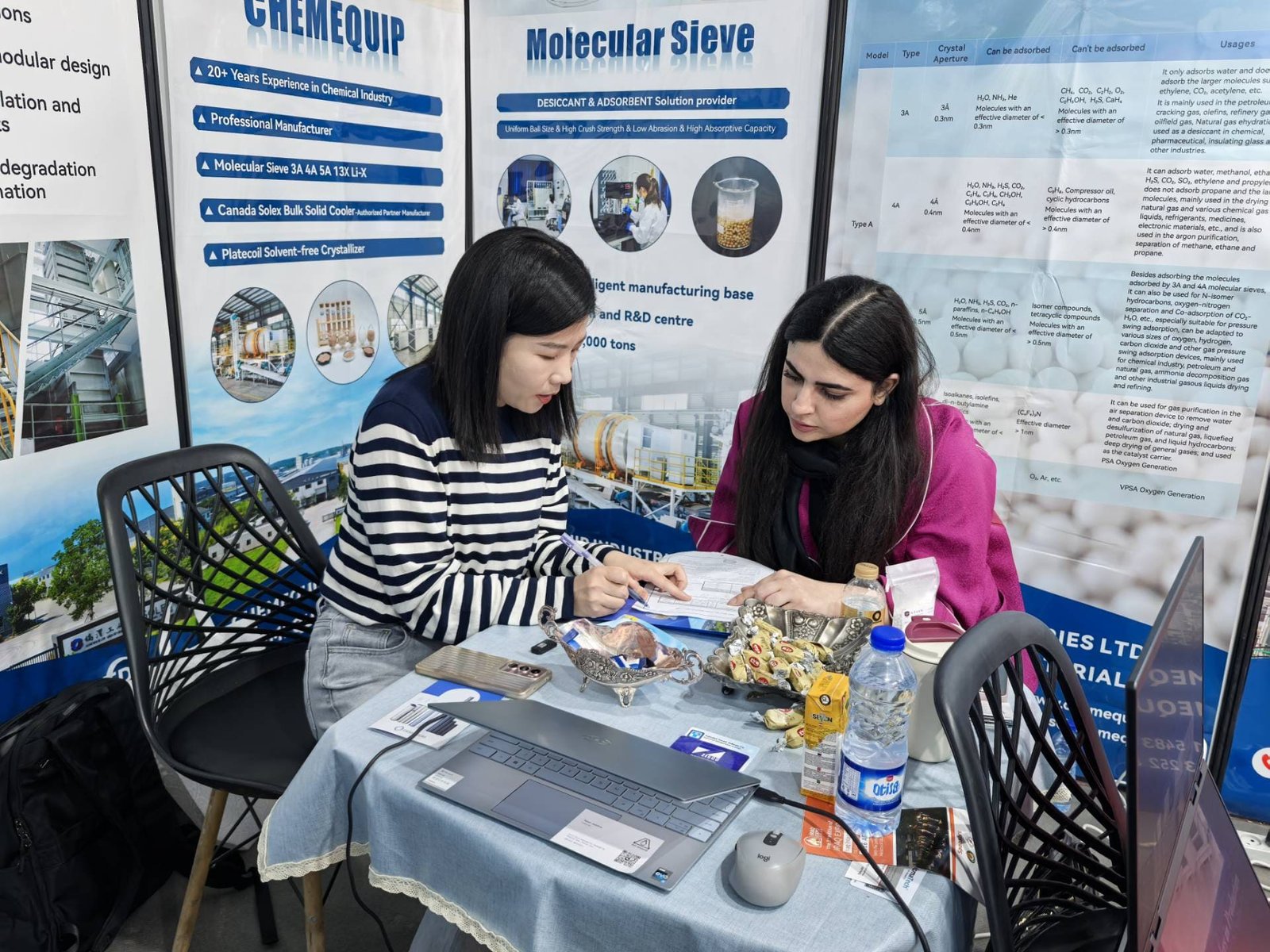
This is a great question and one that separates the amateurs from the professionals. Different shapes behave differently. Using the wrong technique for a specific shape can be just as bad as poor loading in general. You can create excessive dust, which increases pressure drop[^14], or you can break the pellets, which reduces their effectiveness. As a manufacturer who produces spherical, pellet, and strip forms, we provide specific loading guidance for each.
Loading Spherical Beads
Spherical beads are the easiest to load. They have excellent flowability, which is why they are so common. They roll into place easily, and the main challenge is preventing the voids[^11] we've already discussed. The "slow fill and vibrate" method is perfectly suited for spheres. Because of their high mechanical strength, they can handle a bit more robust vibration[^5] compared to other shapes. Our production process, which uses a granulator instead of a sugar-coating pan, results in very uniform particle size and high strength, making them ideal for this standard loading technique.
Handling Pellets and Strips (Extrudates)
Pellets, strips, or other extruded shapes are different. They don't flow as smoothly as spheres. They are also more susceptible to attrition[^15], which is a fancy word for breaking apart and creating dust. The key here is to be even more gentle. The drop height must be absolutely minimized. You cannot let them fall from a great height, or they will chip and break. The fill rate should be even slower than with spheres. Vibration must also be applied more carefully. A high-frequency, low-amplitude vibration[^5] is often better than a powerful, hammering one. The goal is to settle them without shattering them.
Here's a breakdown of the key differences:
| Loading Aspect | Spherical Beads | Pellets / Strips (Extrudates) |
|---|---|---|
| Flowability | Excellent | Fair to Poor |
| Mechanical Strength | High | Moderate to Low |
| Primary Risk | Void formation (tunneling) | Breakage (attrition[^15] and dust) |
| Fill Rate | Slow and controlled | Very slow and controlled |
| Drop Height | Minimize when possible | Must be minimal at all times |
| Vibration | Standard vibration[^5] is effective | Gentle, high-frequency vibration[^5] preferred |
Understanding these nuances is critical for any enterprise looking to use different types of molecular sieves[^2] across their operations.
Conclusion
In summary, loading molecular sieves^1is not just about filling a container. It is a precise engineering task that directly impacts your system's efficiency, stability, and long-term operational cost.
[^1]: Learn the best practices for loading molecular sieves to ensure maximum efficiency and prevent costly mistakes. [^2]: Explore this resource to understand the fundamentals of molecular sieves and their applications in various industries. [^3]: Understand the difference between simple filling and the engineering precision required for optimal results. [^4]: Understand how controlling fill speed can prevent operational failures and improve system stability. [^5]: Explore the role of vibration in achieving a dense packing of molecular sieves for better performance. [^6]: Discover the implications of the tunneling effect on system performance and how to avoid it. [^7]: Find strategies to enhance adsorption efficiency, crucial for optimizing your system's performance. [^8]: Gain insights into the structure and function of adsorbent beds in various applications. [^9]: Identify potential performance issues in adsorption systems and how to address them effectively. [^10]: Learn about effective loading techniques in industrial vessels to optimize performance. [^11]: Learn about voids and their impact on efficiency, and how to ensure a solid packing. [^12]: Discover the benefits of using a loading chute for efficient and safe loading of molecular sieves. [^13]: Ensure safety during the loading process by understanding the required personal protective equipment. [^14]: Investigate the factors contributing to pressure drop and how to mitigate them for better efficiency. [^15]: Explore methods to reduce attrition in molecular sieves, enhancing their lifespan and performance.