
Industrial purification can be complex and costly. Using the wrong adsorbent leads to inefficiency. Molecular sieves[^1] provide a precise, multi-functional solution to solve these critical industrial challenges.
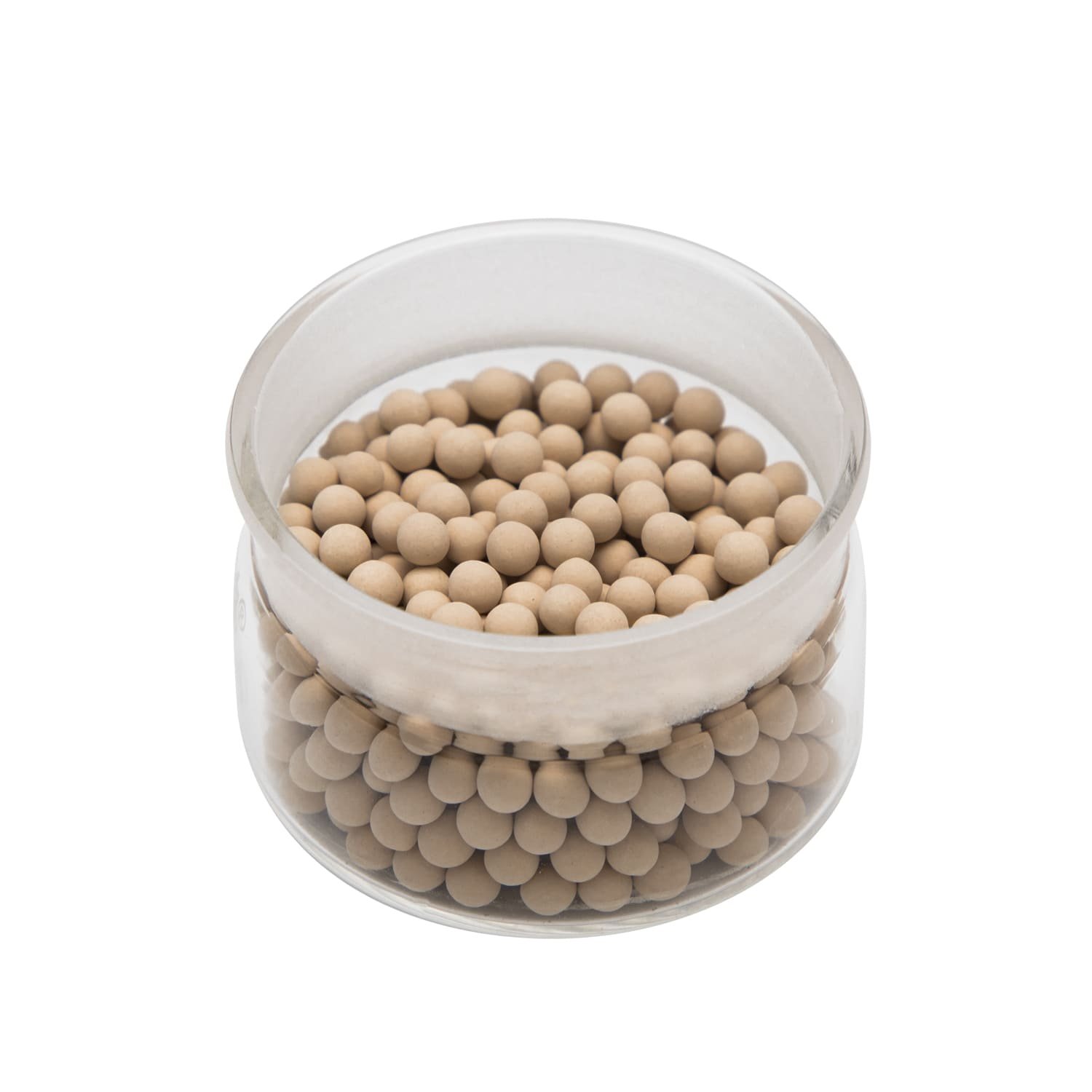
Molecular sieves[^1] perform three core functions in industrial settings: adsorption[^2], catalysis[^3], and shape selectivity[^4]. Adsorption removes unwanted molecules like water. Catalysis speeds up chemical reactions[^5]. Shape selectivity separates molecules based on their size and shape, using the sieve's precise pore structure for highly specific tasks.
These three functions sound simple, but they unlock a huge range of applications. I remember when I first started in this industry, I thought of them just as dryers. But their real power is much broader. Their ability to be tailored for specific jobs is what makes them so essential. Let's break down each function to see how they can transform your processes and why understanding them is key to choosing the right product for your needs.
What Makes Molecular Sieve Adsorption So Effective in Industrial Processes?
Impurities like water can compromise your entire production line. This contamination leads to costly failures. Molecular sieves[^1] precisely target and capture these unwanted molecules, ensuring purity and process integrity.
Molecular sieve adsorption[^2] is highly effective due to its crystalline structure[^6] with uniform pores. This structure creates a strong attraction for specific molecules, like water, while letting others pass through. It's a physical process, trapping contaminants within its internal cavities for superior purification and drying performance.
The Principle of Selective Adsorption
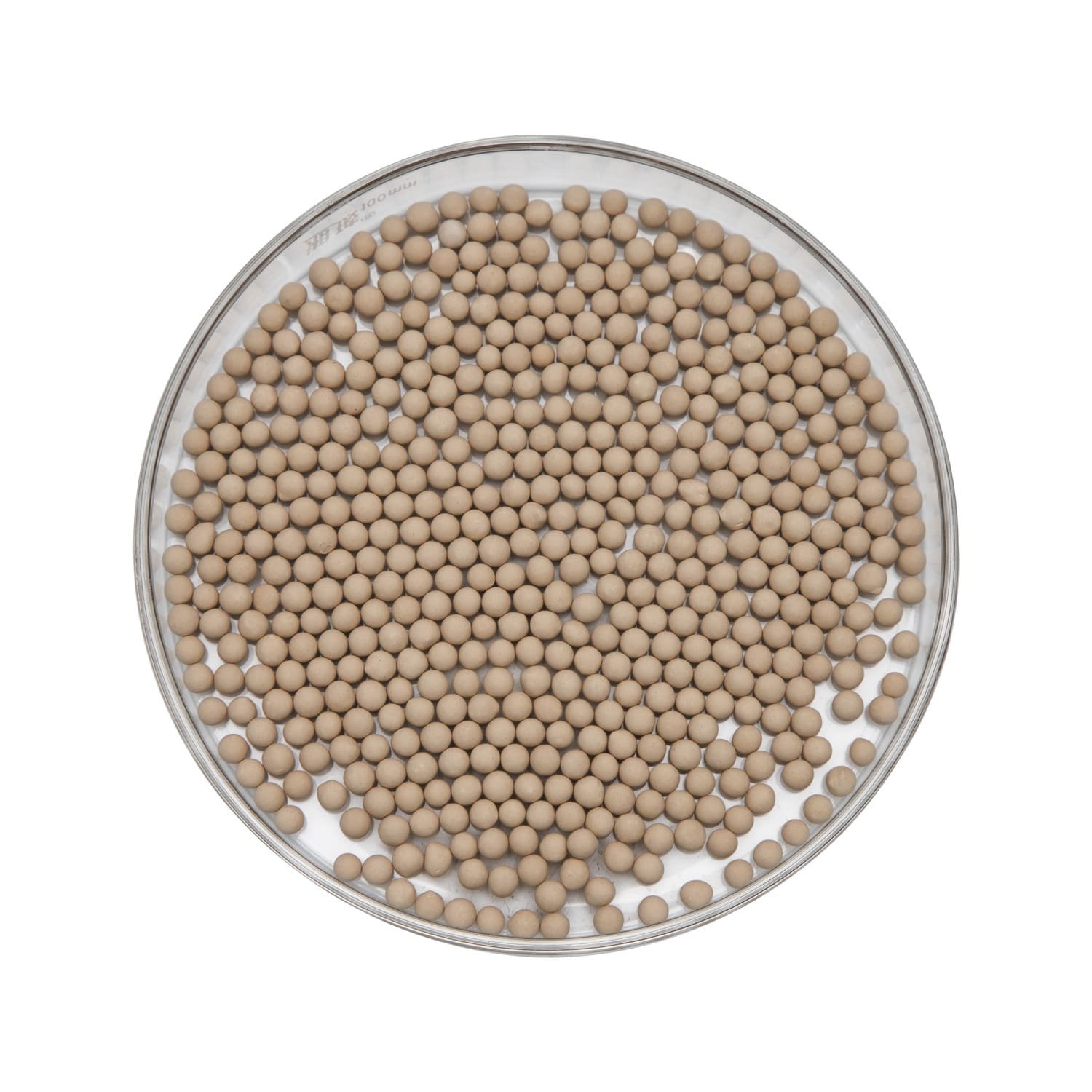
At its core, adsorption[^2] is about trapping molecules. You can think of our molecular sieves as microscopic sponges, but they are incredibly selective. Their internal crystalline structure[^6] has cavities that create strong electrostatic fields. These fields have a powerful pull on polar molecules[^7], especially water. When a gas or liquid stream passes through a bed of our sieves, the water molecules get stuck inside the pores, while the larger product molecules, like ethanol or natural gas, flow right past. This is why our 3A molecular sieve[^8] is perfect for dehydrating ethanol[^9]—it grabs the small water molecules but ignores the larger ethanol molecules.
I remember a client in the pharmaceutical industry who was having issues with trace moisture in their solvents. Even a tiny amount of water was ruining entire batches of their product. We helped them implement a drying system using our 3A activated powder. The problem was solved almost overnight. It was a powerful reminder of how critical precise dehydration is and how effective targeted adsorption[^2] can be. This isn't just simple drying; it's a precise molecular-level filtration that protects product value. The beauty of this process is that it is often reversible. By applying heat or changing the pressure, the trapped molecules can be released, regenerating the sieve for reuse, making it a very cost-effective solution for large-scale industrial purification[^10].
| Sieve Type | Primary Adsorption Target | Common Application |
|---|---|---|
| 3A | Water (H₂O) | Ethanol & Methanol Dehydration |
| 4A | Water (H₂O), trace CO₂ | Compressed Air Drying |
| 13X-APG | Water (H₂O) + CO₂ | Air Separation Pre-treatment |
| 13X-HP | CO₂, H₂S, Mercaptans | Natural Gas & Biogas Sweetening |
How Do Molecular Sieves Act as Catalysts?
Slow chemical reactions[^5] can cripple your production efficiency. This inefficiency wastes energy and raw materials, and can lead to unwanted byproducts. Molecular sieves[^1] act as powerful catalysts, accelerating specific reactions to boost your output and purity.
Molecular sieves[^1] function as catalysts by providing active sites[^11] on their vast internal surface area. These sites, often acidic, can initiate and accelerate specific chemical reactions[^5]. The uniform pore structure also controls which reactant molecules can access these sites, adding a layer of selectivity to the process.
Unlocking Reactions with Active Sites
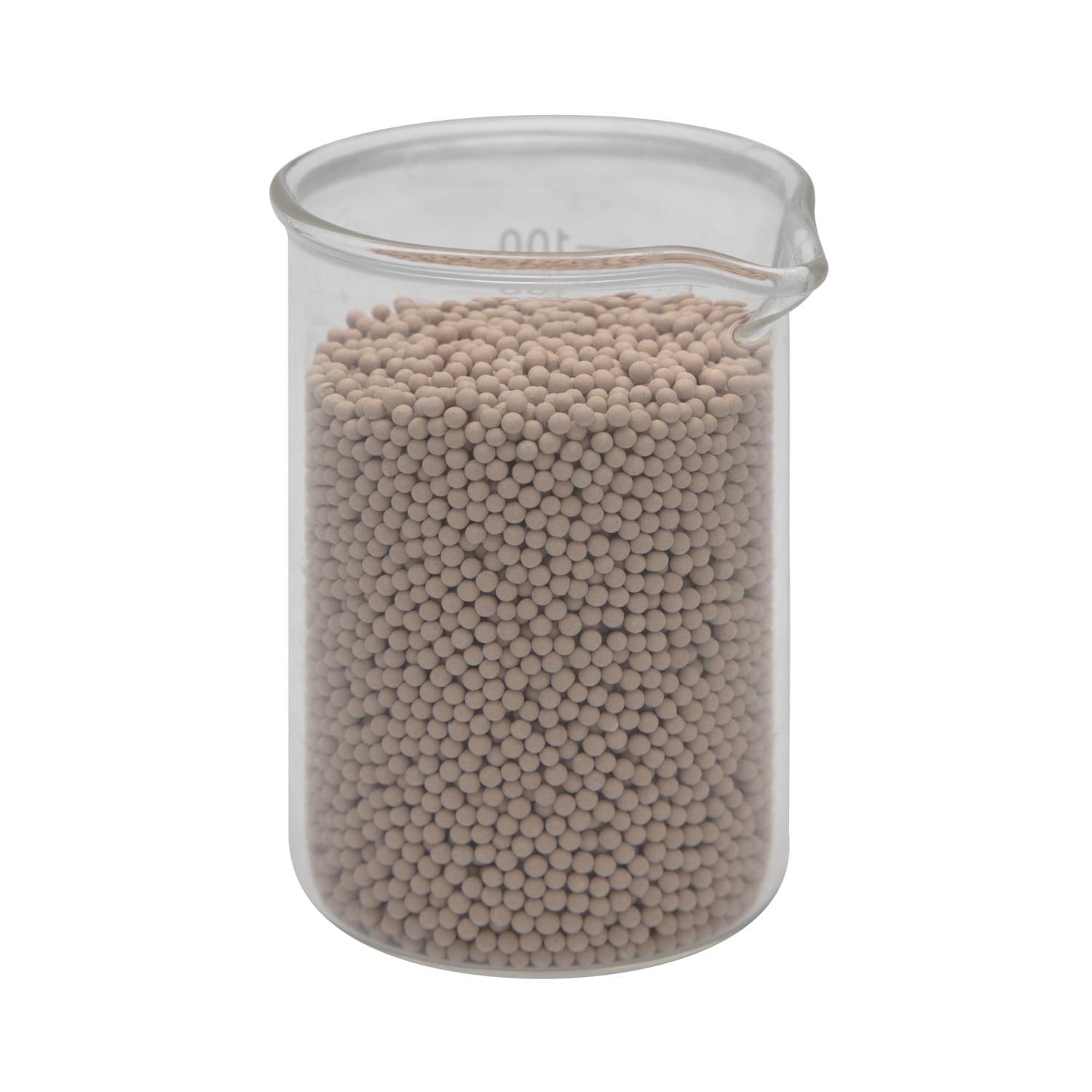
Beyond just trapping molecules, molecular sieves can actively change them. This is the function of catalysis[^3]. Imagine the internal surface of the sieve not just as a trap, but as a workbench full of specialized tools. These "tools" are called active sites[^11]. When reactant molecules enter the sieve's pores and come into contact with these sites, chemical reactions[^5] are triggered and sped up. For many years, I've worked with clients in the petrochemical industry who rely on this function for processes like fluid catalytic cracking[^12] (FCC). In FCC, large, low-value hydrocarbon molecules[^13] are broken down into more valuable gasoline components. The sieve's structure provides a controlled, nanometer-scale environment for these reactions to happen efficiently.
Moreover, molecular sieves can also serve as catalyst carriers. They provide a stable, high-surface-area support to disperse expensive noble metals like platinum or palladium. This prevents the metal particles from clumping together, making the catalyst more effective and longer-lasting. We can form the sieve material into specific shapes, like tablets, pellets, or extrudates. This is critical for industrial reactors. The right shape ensures smooth flow, minimizes pressure drop, and maximizes contact time between the reactants and the catalyst. Our advanced granulator-based forming process produces beads with higher mechanical strength, which is essential for withstanding the harsh conditions inside a packed-bed reactor.
What Is Shape-Selective Separation in Molecular Sieves?
Separating molecules of very similar size and properties is a major industrial challenge. Traditional methods like distillation are often energy-intensive and may not achieve the required purity, especially for molecules with close boiling points.
Shape-selective separation is the unique ability of a molecular sieve to differentiate molecules based on their physical size and configuration. Its uniform pores act as a precise gateway, allowing smaller or linear molecules to enter while physically excluding larger or branched ones. This is molecular-level filtering.
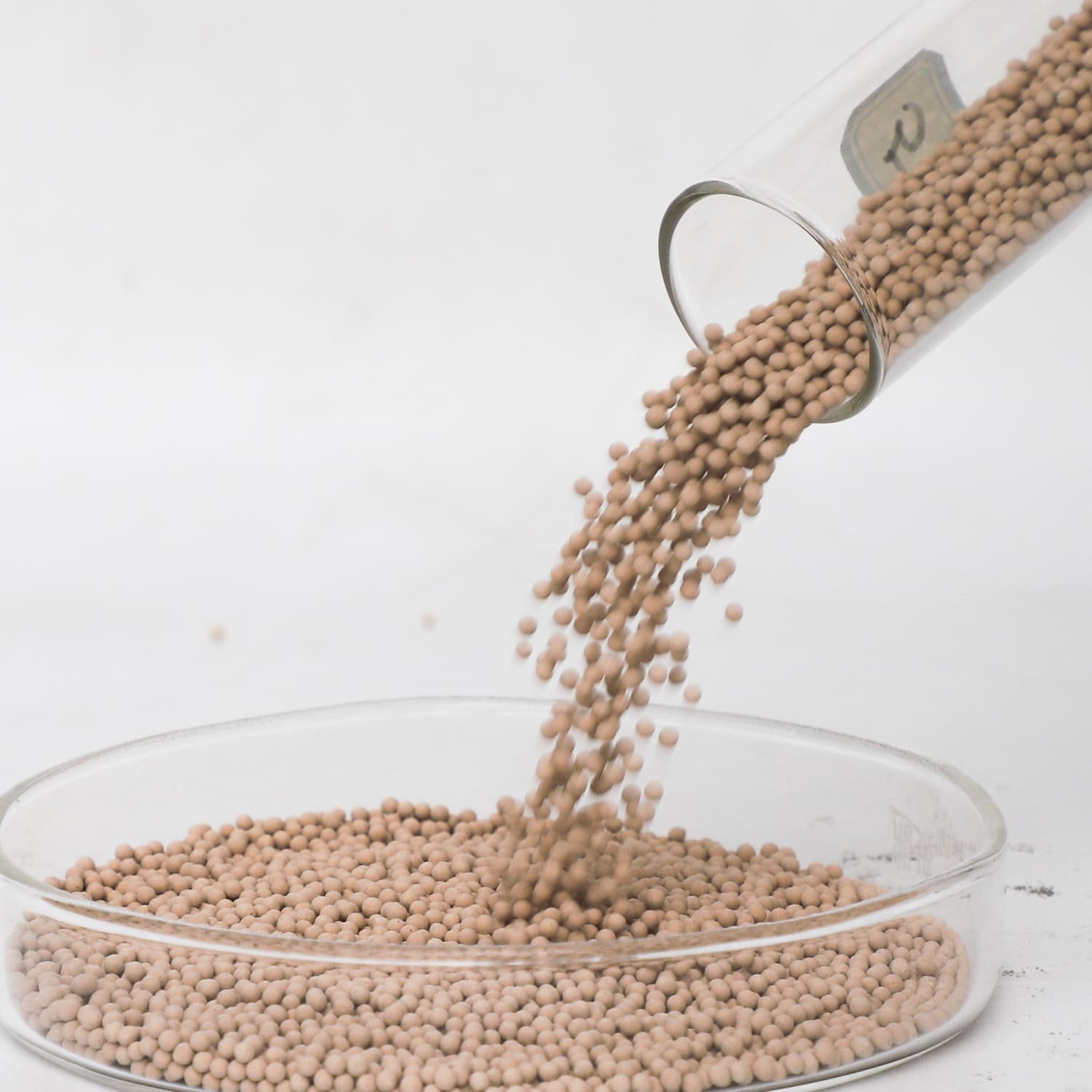
The Ultimate Molecular Gatekeeper
This is where the name "molecular sieve" truly comes to life. Shape selectivity is the most intuitive function: if a molecule fits through the pore, it gets in; if it's too big or the wrong shape, it's left out. It's that simple, yet incredibly powerful for industrial separations. This function is completely different from adsorption[^2], which relies on chemical attraction and polarity. Here, it’s all about physical dimensions. A classic example I often discuss with clients is the use of our 5A molecular sieve. Its pores are precisely 5 angstroms in diameter. This allows straight-chain molecules, known as n-paraffins[^14], to enter its structure. However, it blocks branched-chain molecules, or isoparaffins, because they are too bulky to fit through the openings. This separation is crucial for processes that aim to improve the octane rating of gasoline.
By carefully controlling the synthesis process in our factory, we create different sieve types[^15] with unique, unvarying pore sizes. This allows us to offer solutions for a wide range of separations. I worked with a client in the gas separation field who was trying to purify a stream of light hydrocarbons. Distillation was proving too expensive due to high energy costs. We introduced them to a pressure swing adsorption^16 (PSA) process using our 5A molecular sieve. The shape-selective nature of the sieve allowed them to achieve higher purity with significantly lower energy consumption. It was a game-changer for their operational efficiency. This same principle is now being explored for new applications in fields like acoustics and optics, where precise molecular structures can influence physical properties.
| Molecule Type | Example | Fits through a 5A Sieve Pore? |
|---|---|---|
| Linear (n-paraffin) | n-Butane | Yes |
| Branched (isoparaffin) | Isobutane | No |
| Aromatic | Benzene | No |
Conclusion
From drying gases with adsorption[^2] to driving reactions with catalysis[^3] and precise sorting with shape selectivity[^4], molecular sieves are versatile industrial tools. Understanding these functions is key to your success.
[^1]: Explore the fundamental principles of molecular sieves to understand their industrial applications and benefits. [^2]: Learn about the adsorption process and its significance in achieving purity in industrial applications. [^3]: Discover how molecular sieves enhance chemical reactions and improve production efficiency. [^4]: Understand the concept of shape selectivity and its importance in molecular separation processes. [^5]: Understand the mechanisms by which molecular sieves enhance the speed of chemical reactions. [^6]: Delve into the significance of crystalline structures in enhancing the performance of molecular sieves. [^7]: Gain insights into the behavior of polar molecules in the context of molecular sieve adsorption. [^8]: Explore the specific applications and advantages of using 3A molecular sieves in industrial processes. [^9]: Learn about the process of ethanol dehydration using molecular sieves and its industrial relevance. [^10]: Explore the complexities of industrial purification and the solutions provided by molecular sieves. [^11]: Understand the function of active sites in catalysis and their role in enhancing chemical reactions. [^12]: Discover the role of molecular sieves in fluid catalytic cracking processes in the petrochemical industry. [^13]: Understand the impact of molecular sieves on hydrocarbon processing and separation. [^14]: Explore the characteristics of n-paraffins and their separation using molecular sieves. [^15]: Learn about various molecular sieve types and their specific applications in different industries. [^16]: Learn about pressure swing adsorption and its efficiency in gas separation using molecular sieves.