Struggling with your drying system's performance? You pick a powerful adsorbent, but it fails prematurely. The secret isn't just about capacity; it's about finding the right balance for durability.
The best adsorbent for water removal has a high specific surface area[^1] for maximum capacity, but also strong mechanical properties to resist breaking down under operational stress[^2]. This balance ensures efficient drying[^3], low dew points[^4], and long-term reliability without causing equipment damage or frequent replacement.
I’ve spent years in the chemical industry, and one question comes up all the time. Customers want to know which adsorbent is the "best." They often point to a data sheet and focus on a single number, thinking it tells the whole story. But in the world of industrial drying, performance is a complex puzzle. It’s not about one magic number. It's about understanding the trade-offs that lead to real-world success. Let's dive into what really matters when you need to remove water effectively.
Is a Higher Specific Surface Area Always Better for Adsorption?
You see "high surface area" on a product sheet and think it's the ultimate feature. But your results don't match the promise. It's because a bigger number isn't always better.
A higher specific surface area provides more active sites for water molecules to attach, which generally leads to a higher adsorption capacity[^5] and better drying performance. However, this often comes at the cost of reduced mechanical strength, making the adsorbent more fragile and prone to breaking down.
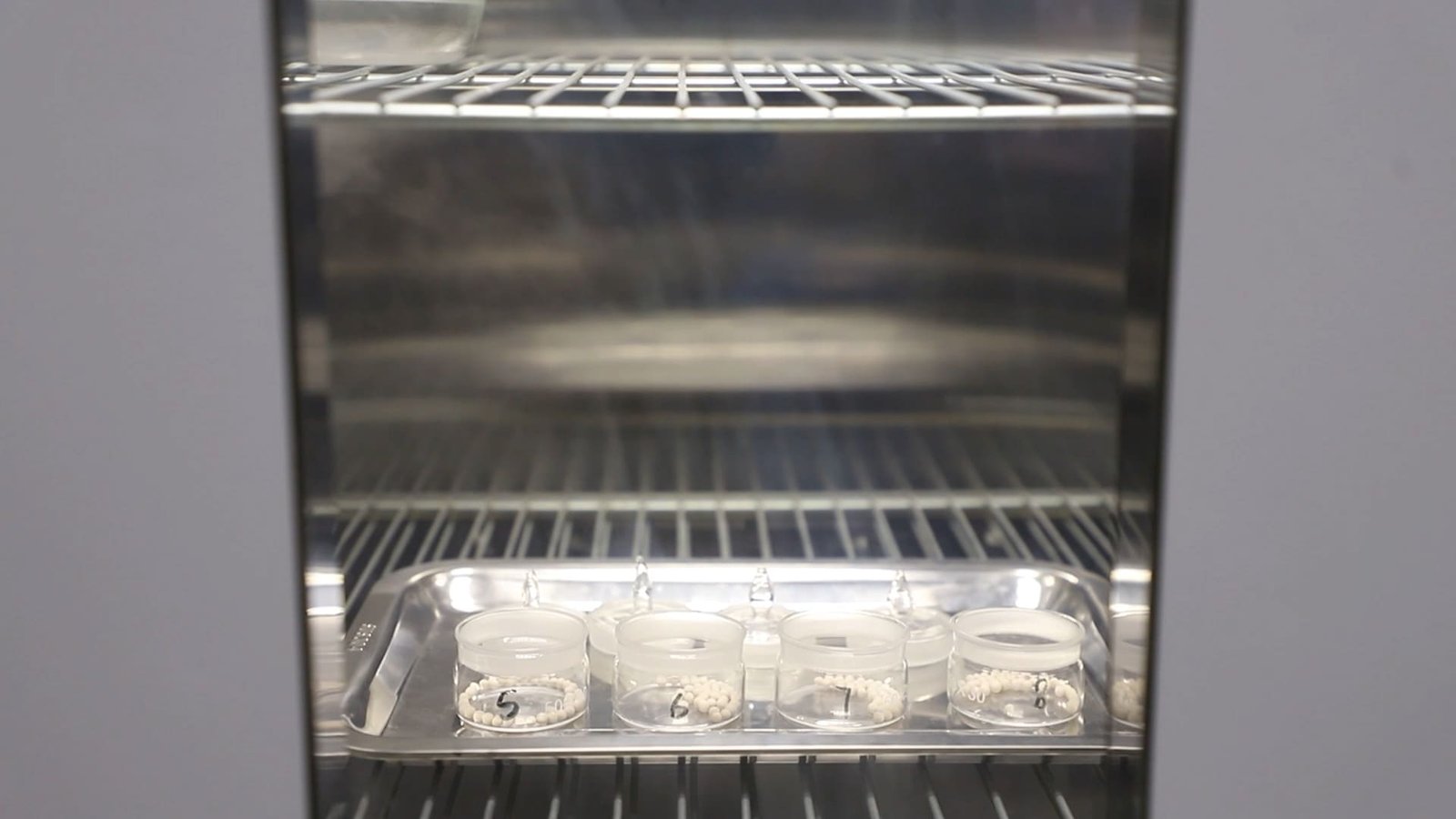
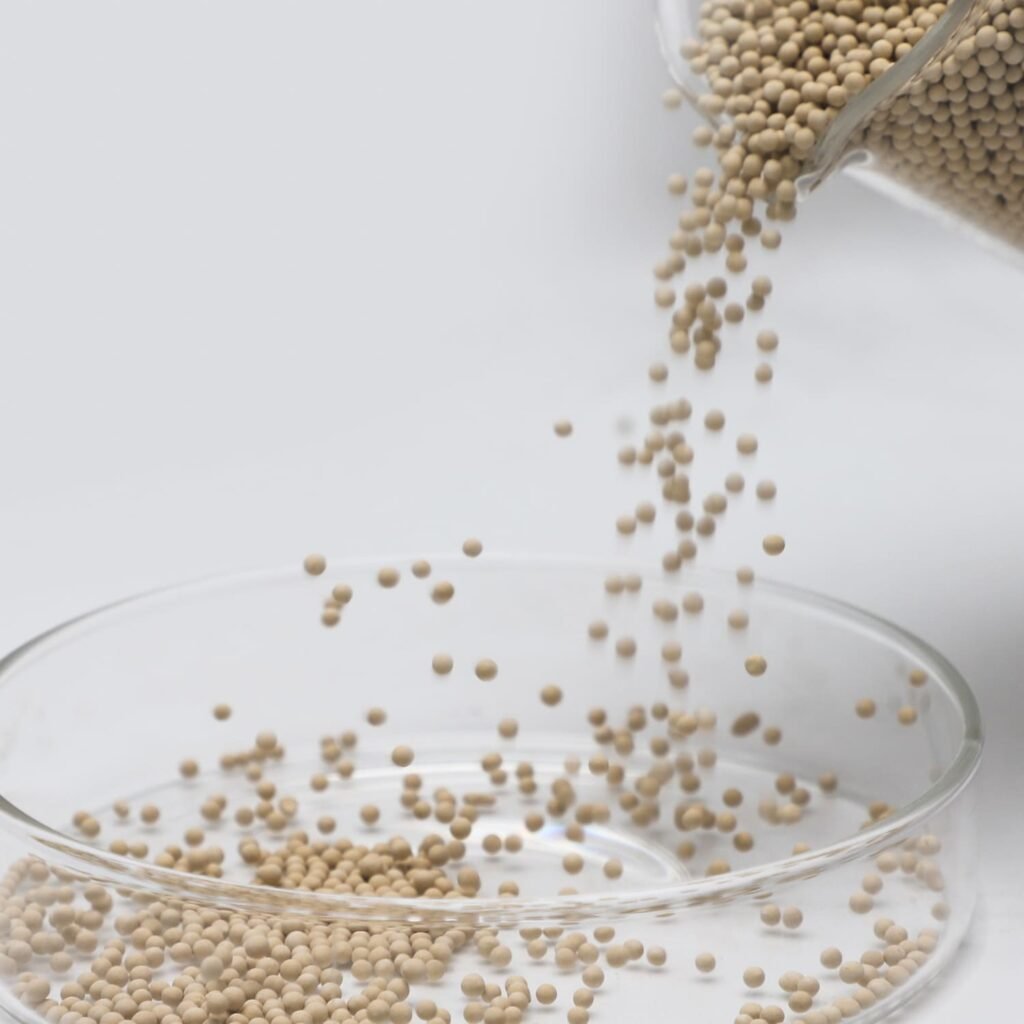
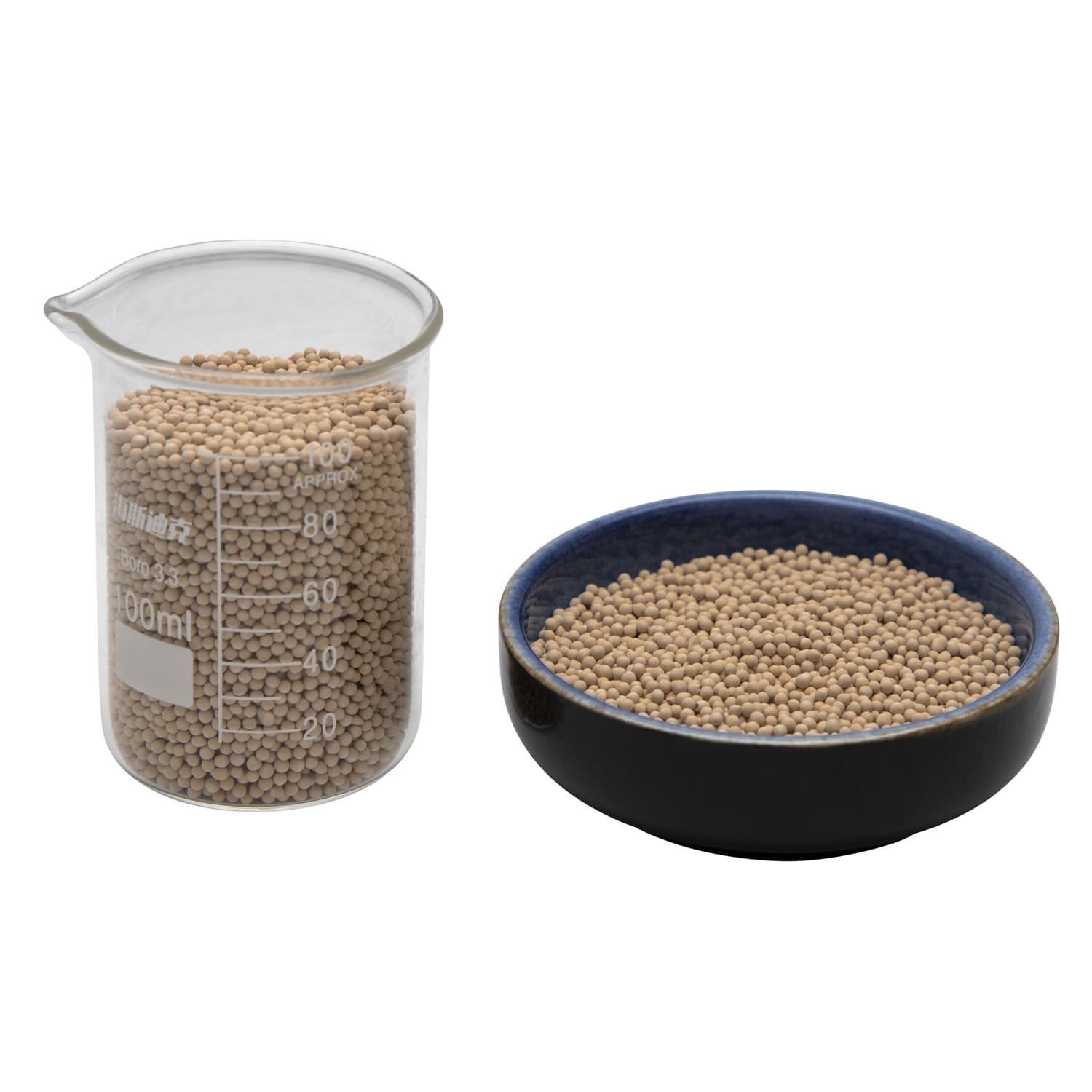
Think of an adsorbent bead like a sponge. The specific surface area is a measure of all the tiny internal pores and surfaces inside that sponge. The more nooks and crannies it has, the higher its surface area. In a desiccant dryer, the compressed air flows through a bed of these beads. A larger surface area means more contact points between the moist air and the adsorbent. This allows the adsorbent to grab more water molecules from the air, resulting in a lower dew point and more effective drying. In my experience, for applications demanding extremely dry air, a high surface area is the starting point. But it's only half the story. The very structure that creates this high surface area—a complex network of tiny pores—can also be its biggest weakness. We need to look deeper.
The Surface Area and Performance Link
The relationship between surface area and drying performance is direct. A greater surface area allows for a faster rate of adsorption and a higher total amount of water that can be held at equilibrium.
| Adsorbent Type | Specific Surface Area (m²/g) | Typical Dew Point Achieved | Notes |
|---|---|---|---|
| Low-Grade Gel | 300-400 | -20°C | Lower cost, suitable for general-purpose drying. |
| Standard Activated Alumina | 350-500 | -40°C | Good balance of cost and performance. |
| High-Performance Molecular Sieve | 600-800 | -70°C or lower | Highest performance for critical applications. |
As you can see, higher surface area correlates with a lower dew point. But this table doesn't show the full picture. It doesn't tell you how long that performance will last under real-world pressure and flow.
Why Does Mechanical Strength Matter So Much in Adsorbents?
Your system pressure drops unexpectedly, and you find dust clogging the filters. This costly downtime might be caused by the very adsorbent you trusted to improve performance. It's breaking apart.
Mechanical strength prevents adsorbent beads from being crushed or turning into dust during operation. Strong beads withstand high pressure, abrasion, and thermal cycles, ensuring consistent airflow, preventing equipment blockage, and providing a much longer service life.
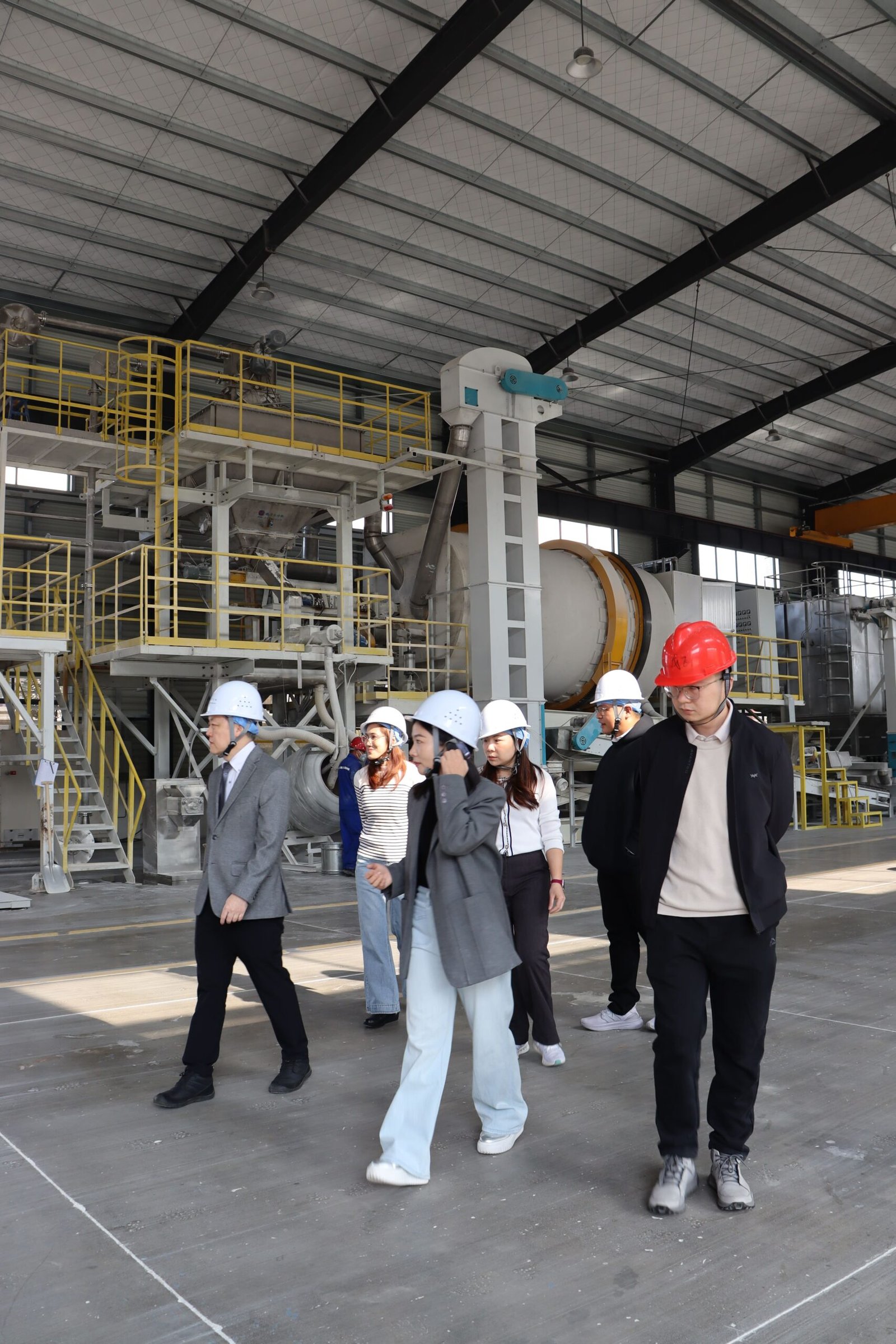
In a typical pressure swing adsorption[^6] (PSA) dryer, the adsorbent bed is under constant stress. Compressed air pushes through it at high velocity. The beads tumble and rub against each other and the vessel walls. Then, during the regeneration cycle, they are hit with rapid pressure and temperature changes. An adsorbent with low mechanical strength can't handle this abuse. The beads start to crack and break down into fine powder. I've seen this happen firsthand. This dust gets carried downstream, clogging filters, valves, and even pneumatic tools. The broken pieces also compact the bed, restricting airflow and causing a significant pressure drop. This forces your compressor to work harder, wasting energy. So, a "high-capacity" adsorbent that turns to dust in six months is actually far more expensive than a durable one that lasts for years.
Key Strength Metrics and Their Impact
Two main properties define an adsorbent's durability: crush strength[^7] and attrition resistance[^8].
- Crush Strength: This measures the amount of force a single bead can withstand before it breaks. A higher crush strength[^7] is essential in tall towers where the weight of the adsorbent bed itself creates immense pressure on the beads at the bottom.
- Attrition Resistance: This measures how well the beads resist creating dust when they rub against each other. In systems with high gas velocities, poor attrition resistance[^8] is a major cause of operational problems.
| Parameter | Low Mechanical Strength | High Mechanical Strength |
|---|---|---|
| Dust Formation | High | Minimal |
| Pressure Drop | Increases over time | Stable and low |
| Service Life | Short (months) | Long (years) |
| Downstream Contamination | High risk | Low risk |
| Maintenance Costs | High | Low |
Choosing an adsorbent with poor mechanical strength is like building a house on a weak foundation. It doesn't matter how nice it looks on the inside; it's destined to fail.
How Do You Find the Perfect Balance for Your Application?
Choosing the right adsorbent feels like a gamble. You're worried a wrong choice will lead to poor performance or system failure, costing you significant time and money.
The best approach is to systematically evaluate your specific operating conditions first. By understanding your system's pressure, flow rates, and temperature cycles, you can select an adsorbent that offers the ideal balance of high adsorption capacity[^5] and robust mechanical strength for your needs.
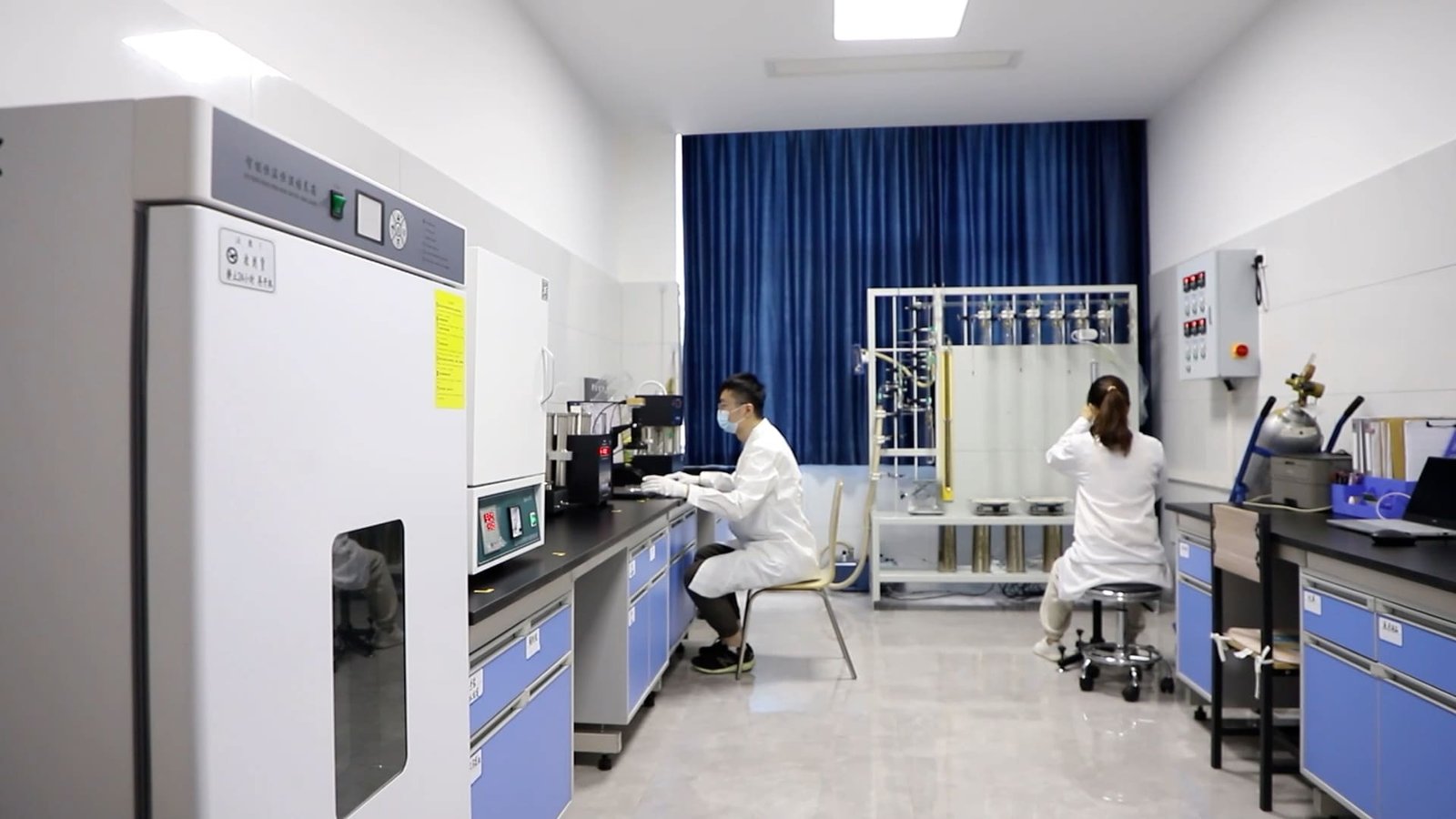
The perfect adsorbent doesn't exist in a vacuum; it's the one that is perfect for your system. I always advise my clients to stop looking for a single best product and start by analyzing their process. A low-pressure system with gentle cycles can use a high-surface-area material without much risk. But a high-pressure, rapid-cycle system demands an adsorbent with superior crush strength[^7], even if it means a slightly lower water capacity per gram. It’s a trade-off. As a manufacturer, we've invested heavily in production technology, like our granulator-based forming process, specifically to solve this problem. It allows us to produce beads with a more uniform size[^9] and higher mechanical strength compared to older methods, giving our clients that optimal balance of performance and durability.
Step 1: Analyze Your Operating Conditions
Before looking at any adsorbent data sheet, look at your own system. Ask these questions:
- What is the maximum operating pressure?
- What are the gas flow rates? High velocity increases abrasion.
- How rapid are the pressure and temperature swings during regeneration?
- Are there any liquid water or oil contaminants in the air stream? These can damage the adsorbent.
Step 2: Define Your Performance Needs
Next, clarify your goals.
- What is the required outlet dew point? Is -40°C enough, or do you need -70°C?
- What is the expected service life? Are you planning for a one-year or a five-year change-out?
Step 3: Evaluate Adsorbent Specifications
Now you can look at data sheets with a clear purpose. Compare products based on the balance of these key metrics.
| Specification | What It Tells You | What to Look For |
|---|---|---|
| Specific Surface Area | Potential water holding capacity. | Higher is better for capacity, but must be balanced with strength. |
| Crush Strength | Resistance to breaking under pressure. | Higher is crucial for high-pressure systems and tall towers. |
| Attrition Loss | Resistance to creating dust from abrasion. | A low percentage is vital for long life and clean operation. |
| Pore Size | Determines which molecules can be adsorbed. | For water removal, 3A or 4A molecular sieves are common. |
By following this process, you move from guessing to making an informed engineering decision.
Conclusion
Choosing the right adsorbent is about balancing performance with durability. A high surface area is great for capacity, but without strong mechanical strength, it will fail, costing you more in the long run.
[^1]: Understanding this concept can help you choose the right adsorbent for effective water removal. [^2]: Understanding operational stress can help you choose more durable adsorbents. [^3]: Learn about the key elements that enhance drying efficiency in various systems. [^4]: Discover why achieving low dew points is crucial for effective moisture control. [^5]: Gain insights into how adsorption capacity impacts the performance of drying systems. [^6]: Explore the principles of PSA and its role in effective moisture removal. [^7]: Learn how crush strength affects the longevity and reliability of adsorbents. [^8]: Discover how attrition resistance impacts the performance and maintenance of drying systems. [^9]: Discover how uniform size contributes to better performance and durability.