Skip to content
Are your molecular sieve[^1] failing you? Your system is unstable, and replacement costs are piling up. The problem isn't bad luck; it's that you're focusing on the wrong metrics.
The true quality of a molecular sieve[^1] isn't just about lab data like adsorption capacity[^2]. It’s determined by a combination of high-purity raw materials, a consistent manufacturing process, and its specific engineering suitability for your application, ensuring long-term, stable performance.
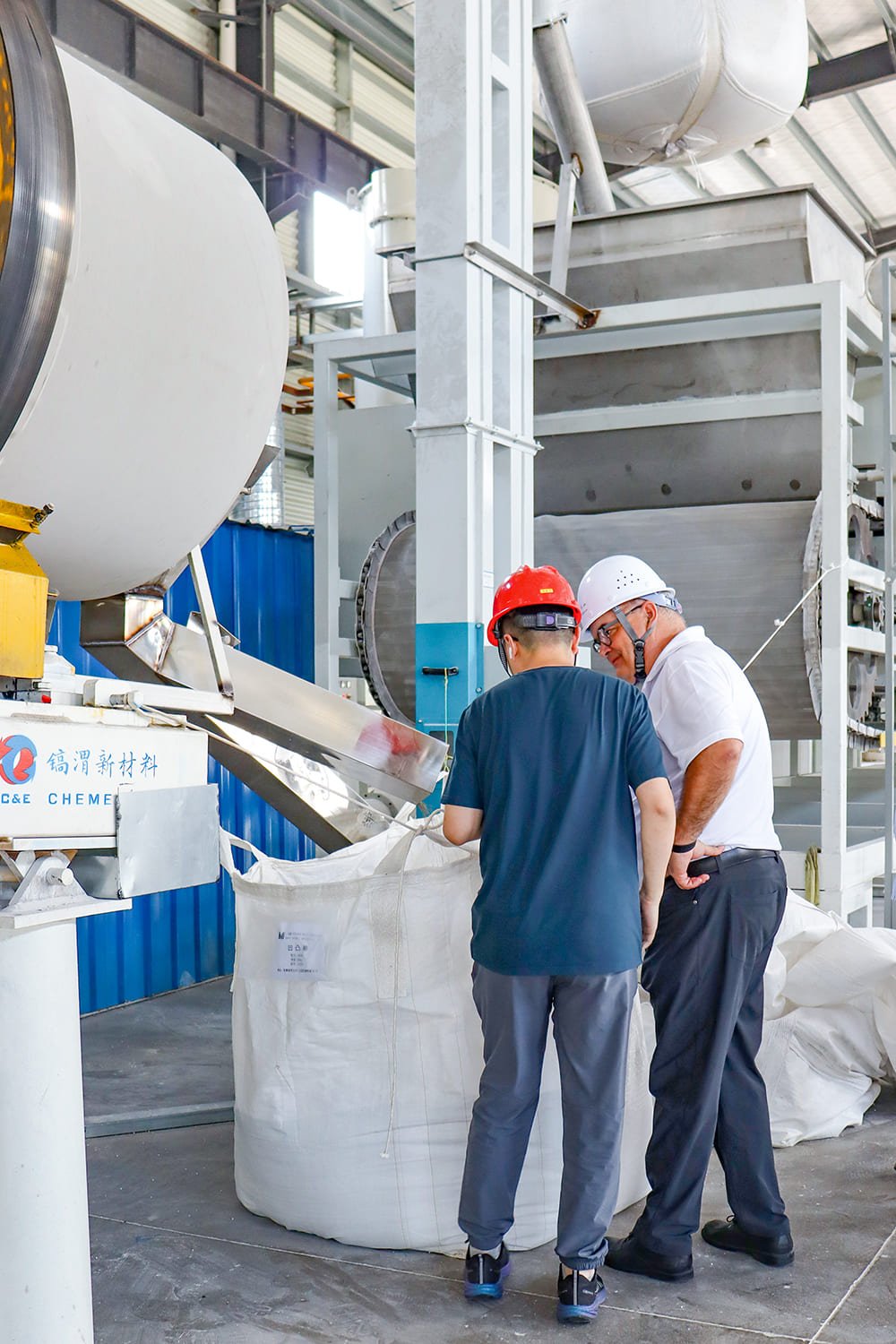
I've seen it happen many times. A client buys molecular sieve based on a great-looking spec sheet, only to face system failures months later. The numbers on paper are just the beginning of the story. To really understand quality, you have to look deeper, starting with the very foundation of the molecular sieve itself. Let's break down what really matters.
Are Raw Materials the Hidden Key to molecular Sieve Longevity?
Does your molecular sieve's performance drop off a cliff after just a few months? This rapid decline isn't normal. It points directly back to the quality of its core components.
Absolutely. The purity of the zeolite powder[^3] and the quality of the binder are fundamental. Low-quality materials lead to poor long-term stability and a shorter lifespan, even if initial lab tests look good. Focusing on raw materials prevents premature failure and ensures lasting performance.
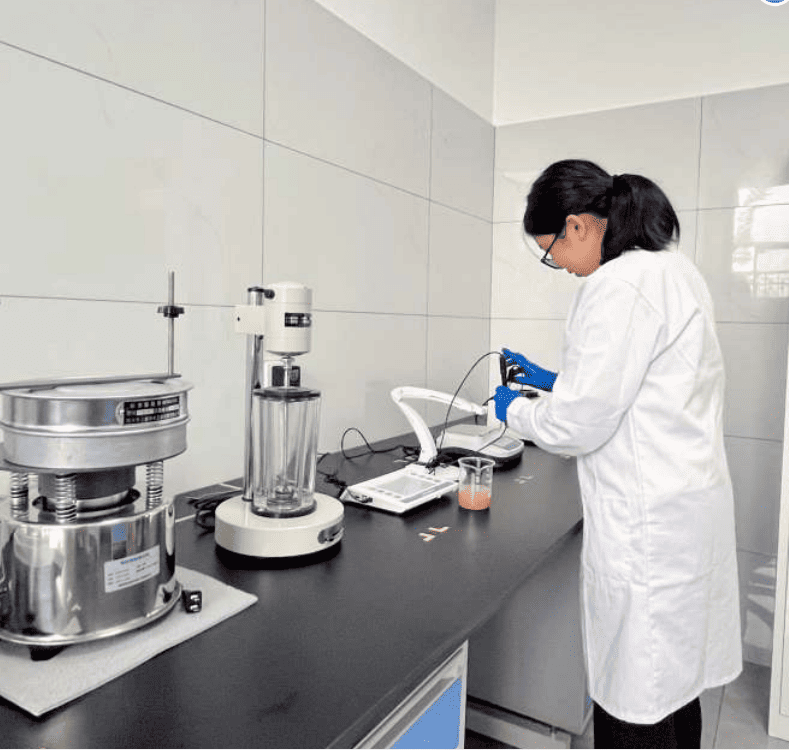
When we look at a molecular sieve[^1], we're really looking at two main things: the zeolite powder[^3] that does the adsorbing and the binder that holds it all together in a bead or pellet. The quality of these two ingredients is the foundation for everything else. If the foundation is weak, the whole structure will fail.
The Foundation: Zeolite Powder and Binders
I've seen suppliers use low-grade zeolite powder[^3] that contains impurities. These impurities can block the tiny pores that are supposed to capture molecules, making the sieve less effective from day one. Worse, they can sometimes react with the gas or liquid in your process, causing even bigger problems. The binder is just as important. A cheap binder can break down under the heat and pressure of regeneration cycles. This causes the sieve beads to turn to dust, a problem we call "powdering[^4]." You need to think about the sieve's entire life, not just its performance in the first week.
| Feature | High-Purity Raw Materials | Low-Grade Raw Materials |
|---|---|---|
| Zeolite Powder | High purity, uniform crystal size | Contains impurities, uneven crystals |
| Binder | Inert, strong, and stable | Can be reactive, breaks down easily |
| Initial Result | Excellent and stable performance | May look good in initial tests |
| Long-Term Result | Long service life, consistent | Rapid performance drop, frequent replacement |
How Does the Manufacturing Process Impact molecualr Sieve Performance?
You found two suppliers with the same molecular sieve model, but one fails constantly. You're frustrated by the inconsistency. The secret isn't the model; it's how it's made.
The manufacturing process is critical. It determines the balance between strength and adsorption capacity[^2]. A poor process can block pores, reducing efficiency, or create weak beads that powder easily. A consistent, well-designed production line is key to creating a reliable, high-performing sieve.
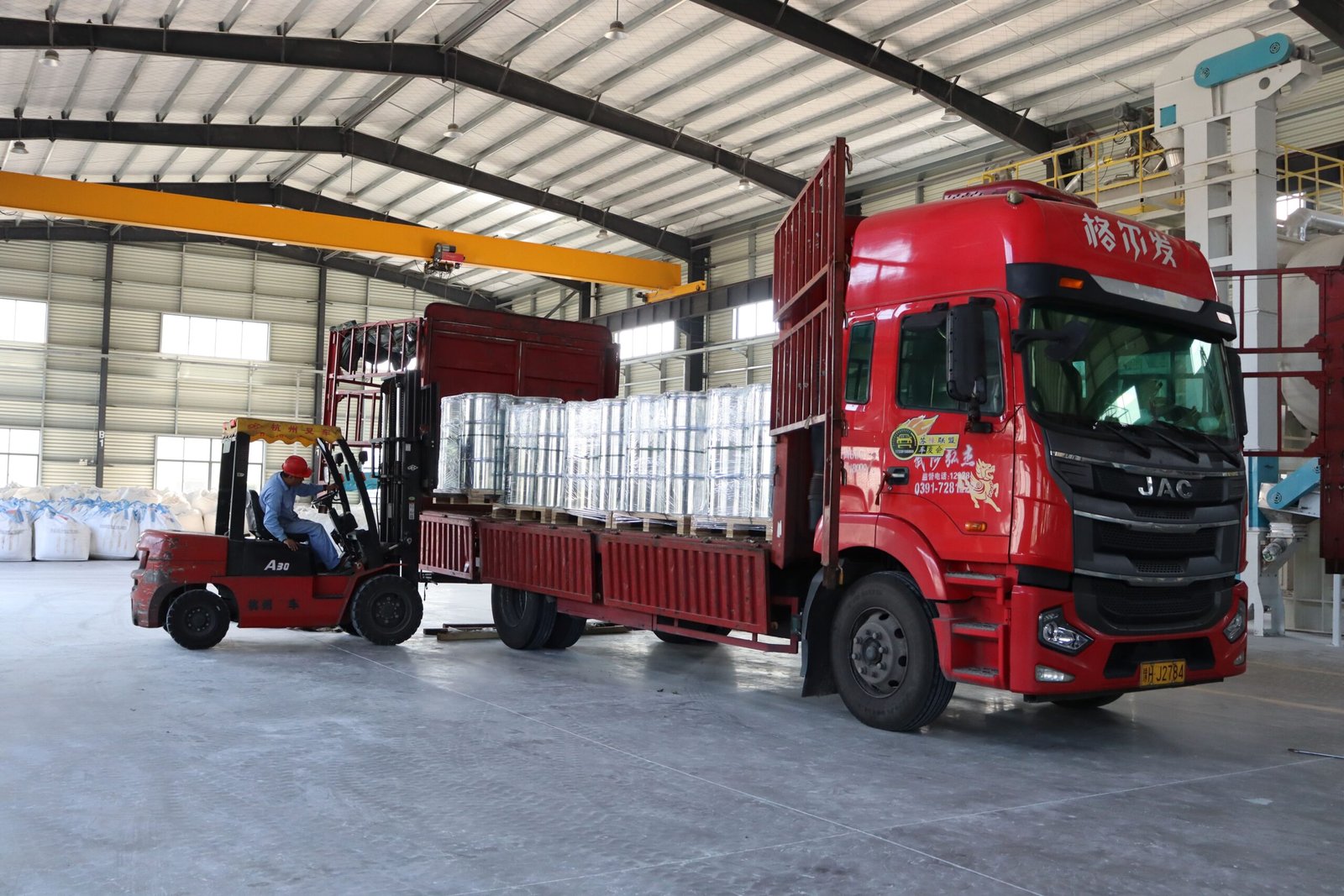
Making a molecular sieve[^1] is a balancing act. The entire production line and the forming process it uses will decide the final quality. You can have the best raw materials in the world, but if the manufacturing process[^5] is poor, you'll end up with a poor product. This is where I see huge differences between suppliers.
The Art of Balancing Strength and Porosity
The goal is to create a bead that is strong but also has as many open, usable pores as possible. If you apply too much pressure during the forming process to get a very high crush strength, you can actually damage or block the micropores. This reduces the active surface area, and the sieve just won't adsorb as much as it should. On the other hand, if the bead is too weak, it will not survive the tough conditions inside an industrial vessel.
Consequences of Poor Manufacturing
When a weak molecualr sieve starts to powder, it creates a cascade of problems. The dust can clog the bed, which increases the pressure drop[^6] and forces your compressors to work harder, wasting energy. This dust can also get carried downstream, where it can wear out expensive valves or even contaminate your final product. A good manufacturer invests in a production line and a process that consistently hits that perfect balance between strength and porosity, cycle after cycle.
Why Do Lab Specs Fail to Predict Real-World Performance?
Your spec sheet shows high adsorption capacity[^2], yet your system experiences frequent breakthroughs. You feel misled. The lab data is simply not telling you the whole story.
Lab tests measure maximum capacity under ideal, static conditions. Real-world performance, however, depends on dynamic mass transfer efficiency. Factors like flow rate, temperature, and pressure in your actual process determine how effectively the molecular sieve works, which a simple lab value cannot predict.
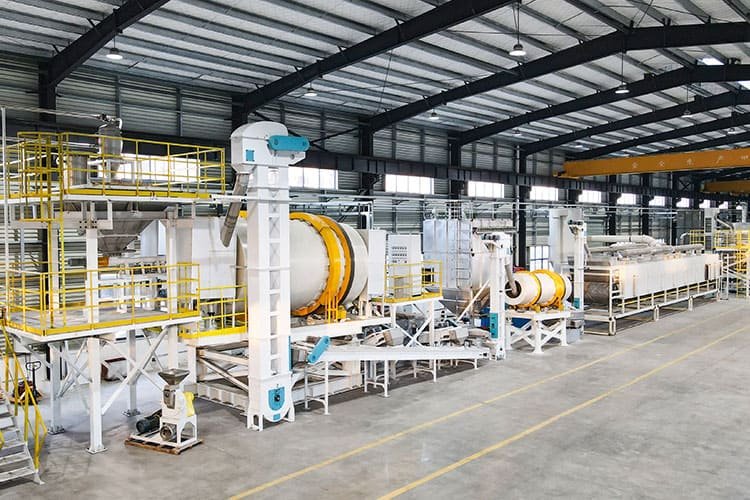
The biggest mistake I see people make is relying too much on the data sheet. A number for "adsorption capacity[^2]" or "crush strength" measured in a lab is just a snapshot under perfect conditions. Your industrial unit is not a perfect lab environment.
Lab vs. Reality: The Mass Transfer Zone
In your vessel, adsorption happens in a moving front called the Mass Transfer Zone (MTZ). A more efficient sieve has a shorter MTZ, which means it uses more of its bed for adsorption before breakthrough[^7] occurs. A sieve can have a high static capacity in a lab test but have a very long MTZ in practice because of a bad pore structure or non-uniform beads. This leads to early breakthrough[^7]s, even when the data sheet looked great. The breakthrough[^7] time is decided by this real-world efficiency, not the maximum capacity measured in a lab.
The Importance of Mechanical Integrity
Remember, a molecular sieve[^1] is not a disposable filter. It is a reusable engineering component. It has to endure thousands of cycles of adsorption and regeneration. A simple crush strength test doesn't tell you if the sieve will maintain that strength after being heated and cooled repeatedly. Will it hold up in a humid environment? A sieve that powders and degrades over time is a liability, causing pressure drop[^6]s and constant headaches.
Conclusion
Don't just compare prices. Assess your supplier's raw materials, process, and overall capability. Choosing a true partner ensures you get a stable, high-quality molecular sieve[^1] that lasts.
[^1]: Explore this link to understand how to choose the right molecular sieve for your specific application. [^2]: Learn about the measurement of adsorption capacity and its implications for real-world performance. [^3]: Understand the role of zeolite powder in molecular sieves and its impact on adsorption efficiency. [^4]: Learn about the causes of powdering and effective prevention methods to maintain sieve performance. [^5]: This resource will provide insights into how manufacturing processes affect sieve quality and performance. [^6]: Learn about the factors that contribute to pressure drops and how to mitigate them in your systems. [^7]: Understand the concept of breakthrough and its implications for the effectiveness of molecular sieves.