Struggling with high energy costs and poor dew points? Your activated alumina[^1] might need a partner. Pairing it with the right adsorbent unlocks peak performance and efficiency.
For optimal performance, pair activated alumina[^1] with a molecular sieve[^2] for deep drying or with silica gel[^3] for energy efficiency and protection. This layered approach enhances drying, extends desiccant life, and lowers operational costs, giving you the best of both worlds.
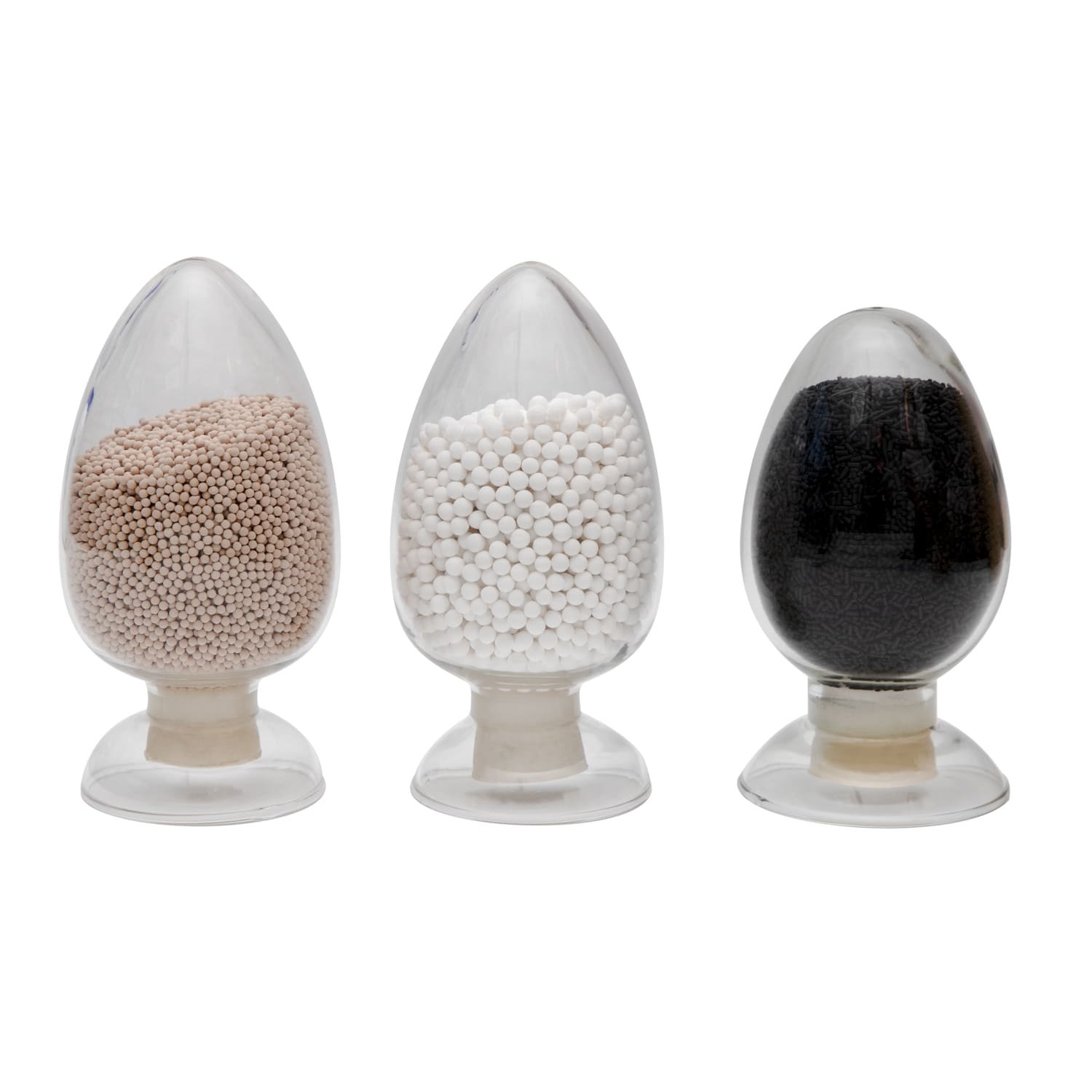
You already know that our activated alumina[^1] is a real workhorse in adsorption dryers. It has high strength and an impressive capacity for water. It's the core desiccant for many non-heated and micro-heated dryers. But even the best workhorse can't do every job alone. To hit those extremely low dew points or handle tough conditions, you need a smarter strategy. It's all about creating a team of adsorbents where each player does what it does best. Let's look at how these powerful combinations work and which one is right for your system.
Need an Ultra-Low Dew Point? Is a Molecular Sieve the Answer?
Your process demands extremely dry air, like a -70°C dew point. But standard activated alumina[^1] alone struggles to reach these levels, putting your product quality at risk.
Yes. A composite bed[^4] using activated alumina[^1] to capture bulk moisture and a molecular sieve[^2] to "polish" the air is the industry gold standard. This pairing reliably achieves the ultra-low dew point[^5]s required in high-purity applications[^6].
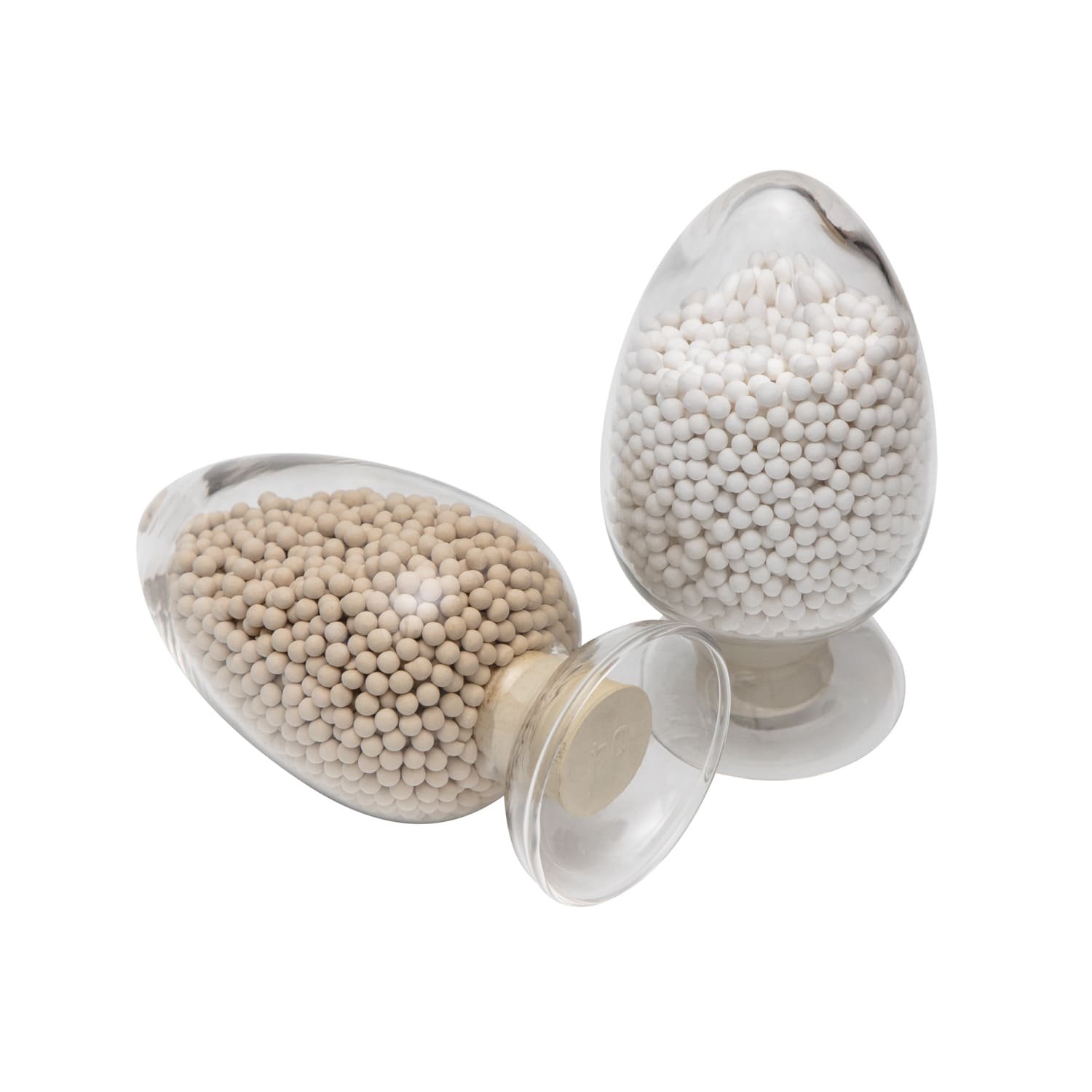
When your application cannot tolerate even the smallest amount of moisture, a molecular sieve[^2] is the perfect partner for activated alumina[^1]. This is common in sensitive industries like pharmaceuticals, electronics, and high-end manufacturing. Our molecular sieve[^2]s have a very uniform micropore structure. This structure gives them a powerful attraction to the last remaining water molecules in an airstream. The combination creates a highly effective, two-stage drying process inside a single tower.
How the Composite Bed Works
Think of it as a tag team. The activated alumina[^1] layer sits at the wet air inlet. It does the heavy lifting, adsorbing the vast majority of the incoming water. The air then flows to the second layer, which is our high-performance molecular sieve[^2]. This layer acts as a polisher, capturing the final traces of moisture that the alumina might miss. This ensures the air leaving the dryer is exceptionally dry.
Performance Comparison: Single vs. Composite Bed
| Feature | Activated Alumina Only | Alumina + Molecular Sieve |
|---|---|---|
| Typical Dew Point | -40°C | -70°C or lower |
| Best For | General industrial drying | High-purity applications |
| Moisture Removal | High capacity for bulk water | Bulk + trace moisture removal |
| System Cost | Lower initial cost | Higher, but ensures quality |
This scientific approach allows you to achieve performance that a single desiccant simply cannot match.
How Can Silica Gel Boost Your Dryer's Efficiency and Durability?
Is your dryer struggling with high humidity or liquid water slugs? This leads to poor performance, higher energy use for regeneration, and a shorter lifespan for your desiccant.
By placing silica gel[^3] at the inlet, it acts as a protective buffer. It quickly adsorbs bulk moisture and even oil mist, protecting the main activated alumina[^1] bed and improving regeneration efficiency[^7].
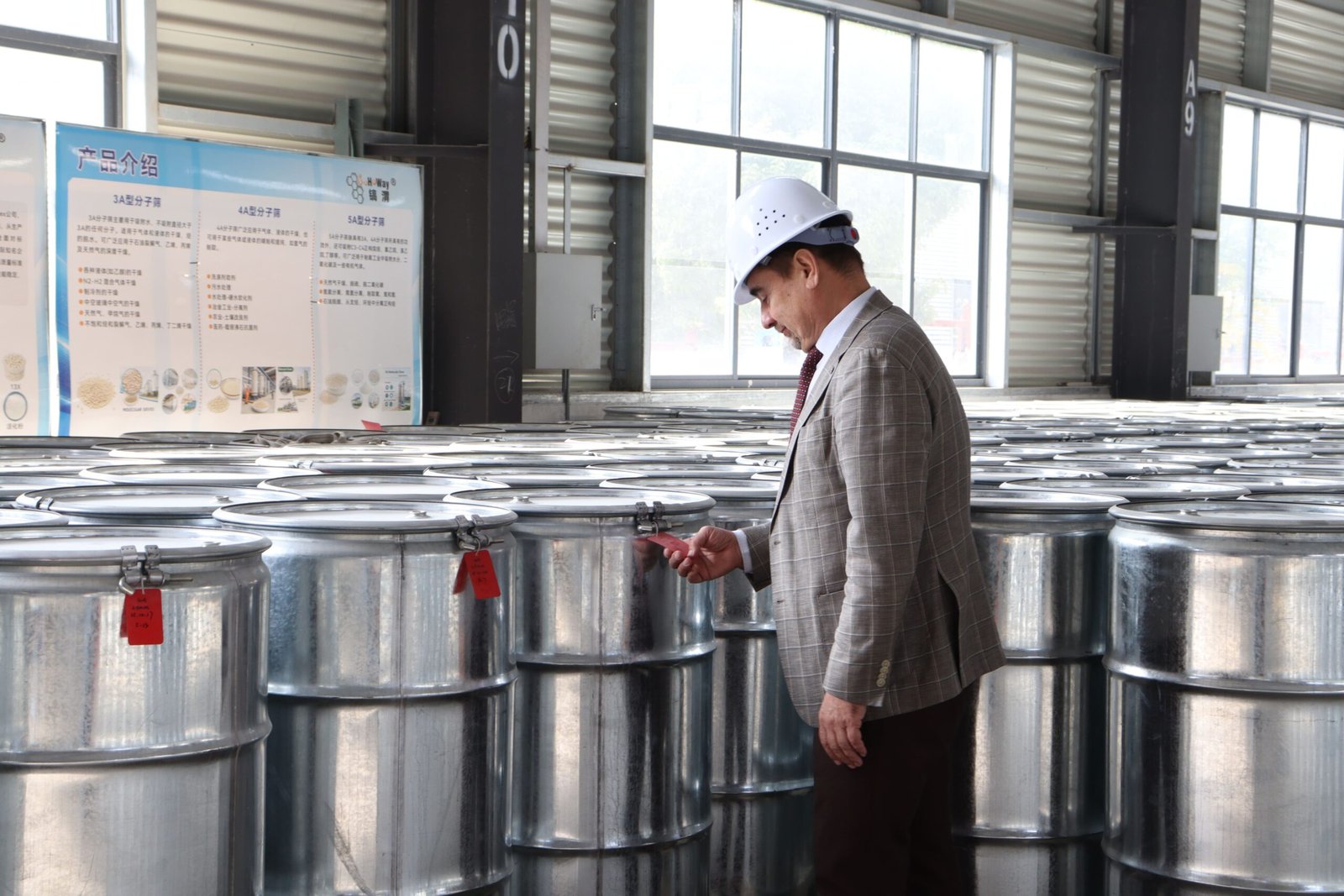
In some applications, the main challenge isn't reaching an ultra-low dew point[^5], but rather protecting the system and saving energy. This is especially true when dealing with very humid inlet air or when there's a risk of liquid water carryover from the compressor. This is where silica gel[^3] becomes an invaluable partner for activated alumina[^1]. Silica gel has a rich pore structure and absorbs moisture very quickly. It acts as a fantastic guard bed[^8].
The Role of a Guard Bed
The silica gel[^3] layer is placed at the very front of the desiccant bed. Its job is to handle the initial, heavy moisture load. It can also absorb small amounts of oil mist that might have gotten past your filters. This protects the downstream activated alumina[^1] from being overwhelmed or damaged by liquid water, which can cause it to break apart. By sacrificing itself, the silica gel[^3] layer extends the life of the more critical activated alumina[^1] bed.
Why This Combination Saves Energy
| Adsorbent | Role in the Bed | Key Benefit |
|---|---|---|
| Silica Gel | Protective Front Layer | Buffers high moisture loads, protects main bed |
| Activated Alumina | Main Drying Layer | Performs primary dehydration efficiently |
Because silica gel[^3] adsorbs water so readily, it also releases it more easily during the regeneration cycle. This means your dryer can use less energy to purge the captured moisture. This is a simple and effective way to lower your operational costs while making your entire drying system more robust and reliable.
Conclusion
Smartly combining activated alumina[^1] with molecular sieve[^2]s or silica gel[^3] unlocks peak performance, efficiency, and longevity for your dryer, truly maximizing the value of your investment.
[^1]: Explore how activated alumina serves as a core desiccant in various dryer systems, enhancing moisture removal and system efficiency. [^2]: Learn how molecular sieves can polish air to achieve extremely low dew points, crucial for high-purity applications. [^3]: Discover how silica gel acts as a protective buffer, enhancing dryer efficiency and extending desiccant life. [^4]: Understand the layered approach of composite beds for superior moisture removal and system performance. [^5]: Find out the significance of ultra-low dew points in maintaining product quality in sensitive industries. [^6]: Explore the necessity of molecular sieves in achieving the moisture levels required for high-purity processes. [^7]: Understand how silica gel's quick moisture adsorption and release improve energy efficiency during regeneration. [^8]: Learn how guard beds protect the main desiccant layer from moisture overload and extend system life.