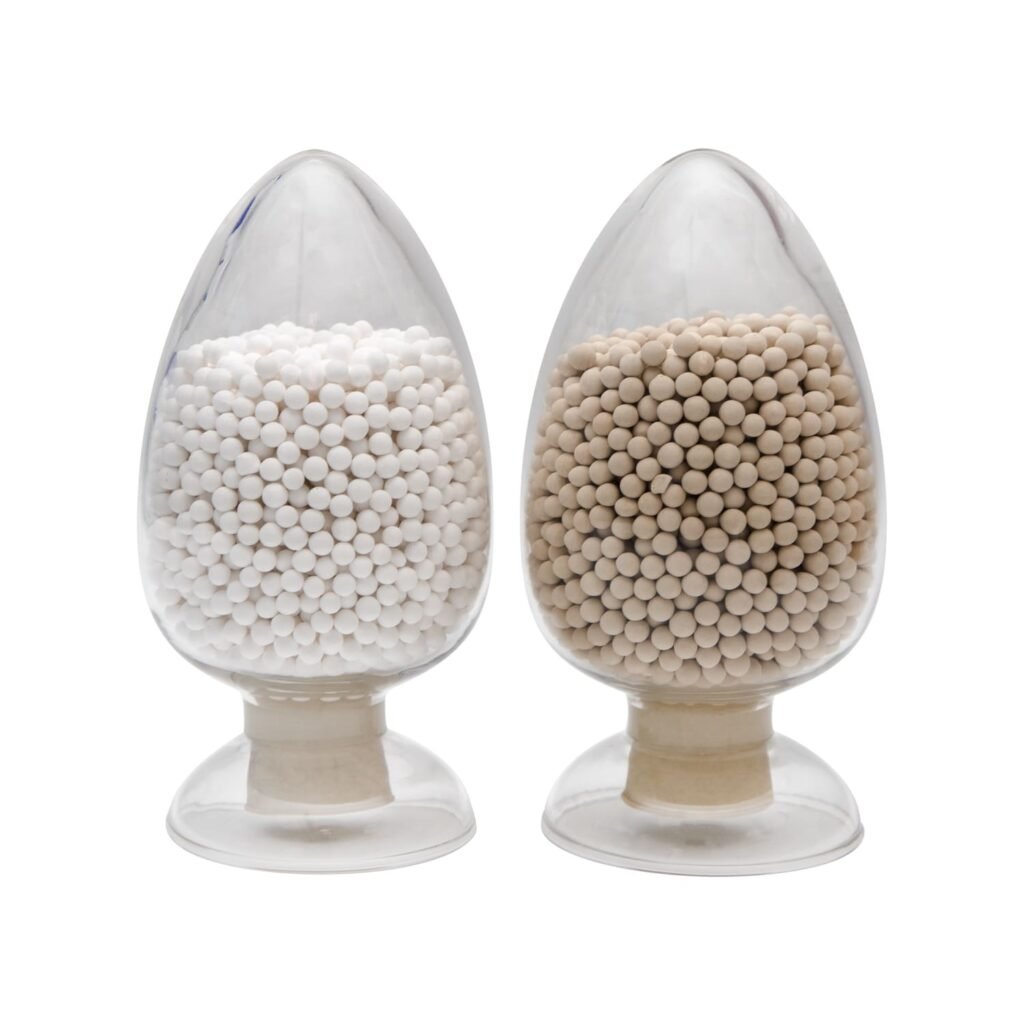
Confused about choosing the right desiccant for your process? Using the wrong one means poor performance and wasted money. Let's clarify the key differences to help you select the perfect adsorbent.
The key difference is precision versus bulk capacity. Molecular sieves have uniform pores for deep, selective drying (dew point[^1] -40°C to -100°C). Activated alumina has varied pores for general-purpose, high-strength drying (-20°C to -40°C). Sieves are for precision; alumina is for bulk work.
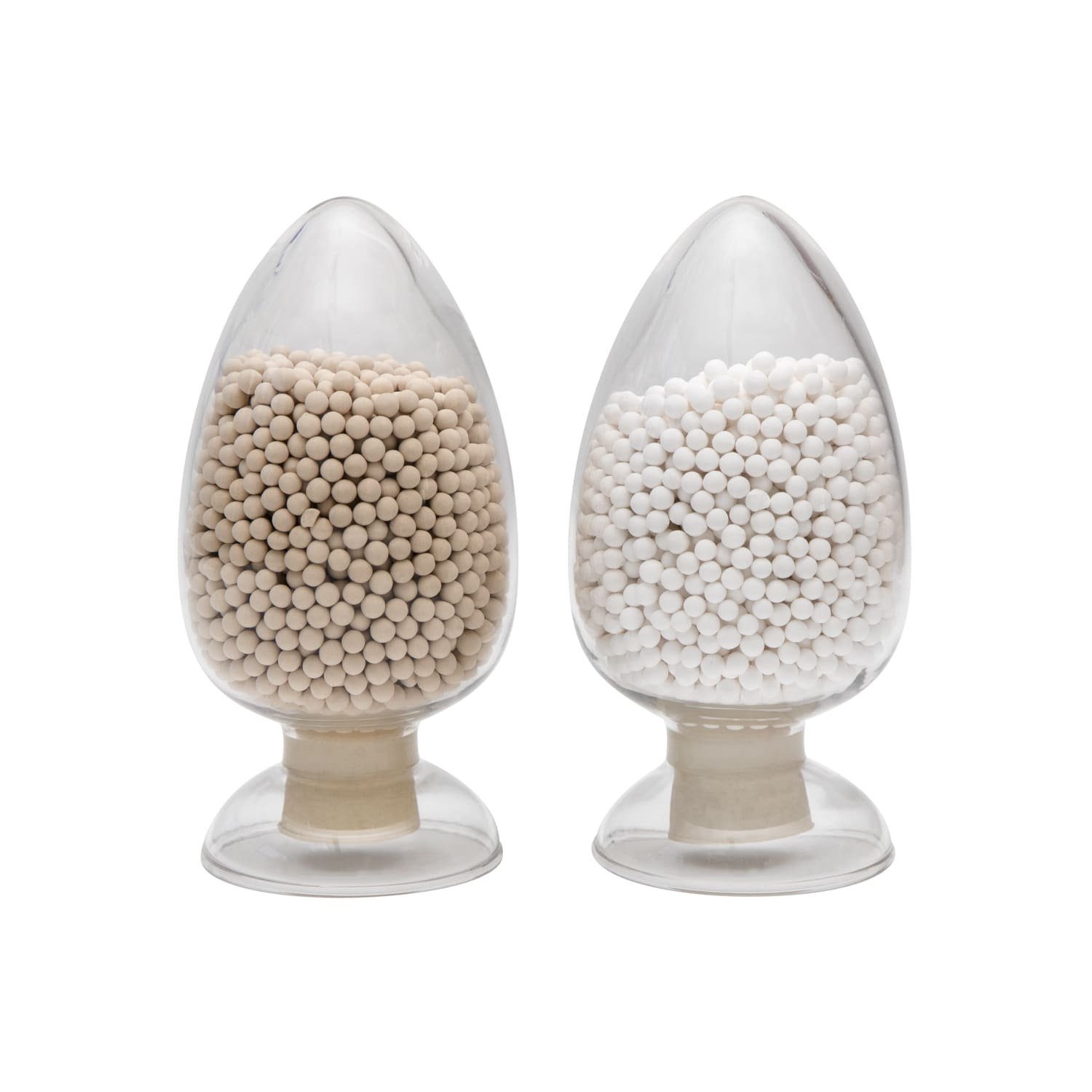
So, the main takeaway is about precision versus bulk drying. But that's just the surface. To really master your process, you need to understand how this plays out in real-world applications. As a manufacturer, I've seen customers make costly mistakes by not understanding these details. Let's break down the specifics so you can make an informed choice.
When Should You Choose Molecular Sieves[^2] for Precision Drying?
Do you need ultra-dry conditions or precise gas separation[^3]? Standard desiccants often fail, compromising your final product. Molecular sieves provide the specialized performance your high-purity process[^4] demands.
Choose molecular sieves when you need deep dehydration[^5] with dew point[^1]s from -40°C to -100°C. They are ideal for applications like ethanol drying, refrigerant purification, and PSA oxygen generation, where high selectivity[^6] and product purity are absolutely critical.
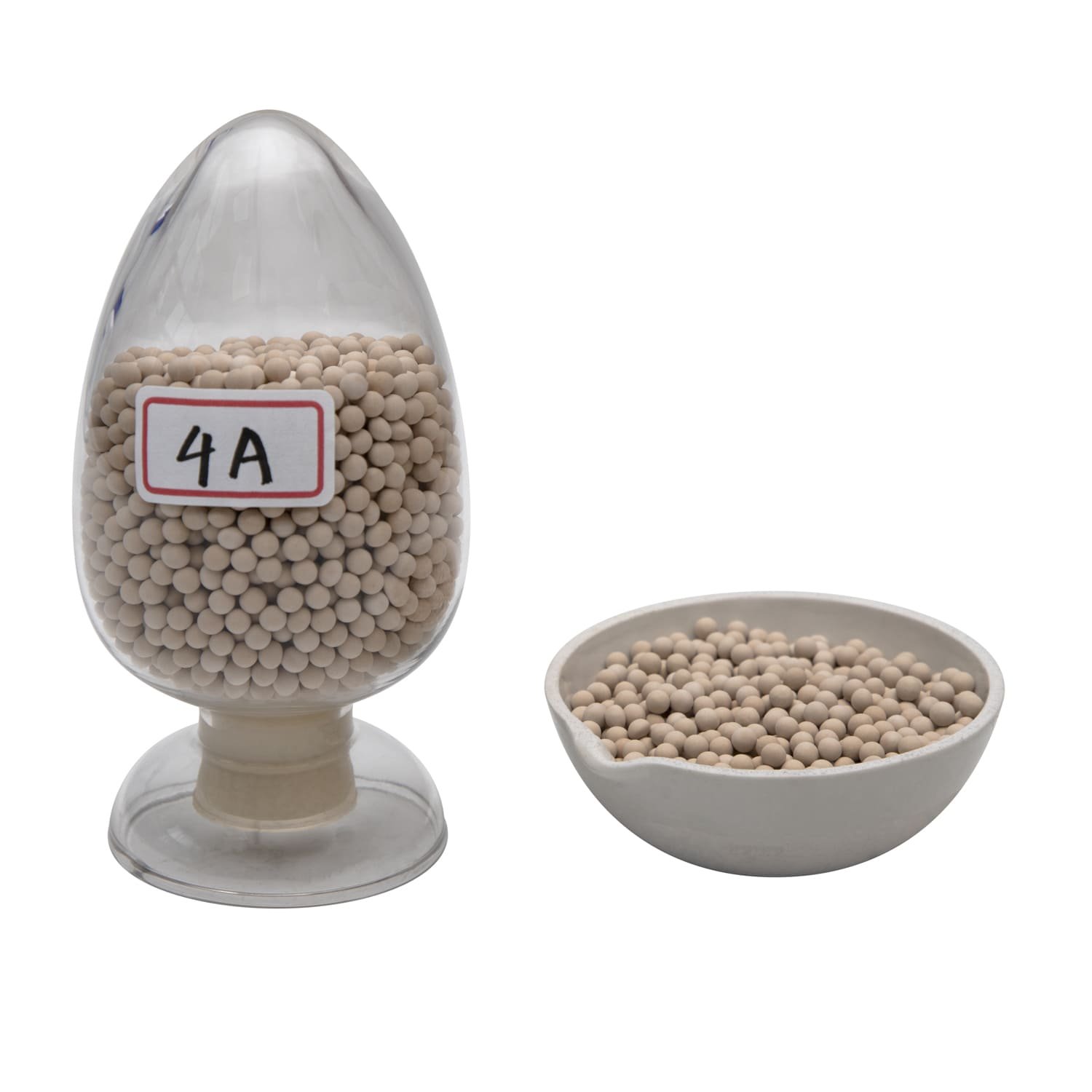
The power of a molecular sieve comes from its crystal structure. Think of it as a gatekeeper with a very specific keyhole. We manufacture these with incredibly uniform pore sizes, usually from 3 to 10 angstroms (0.3 to 1.0 nm). This structure allows smaller molecules like water to enter and be trapped, while larger molecules like ethanol or hydrocarbons pass by untouched. This is the "sieving effect," and it’s what makes them so special. It's not just about trapping water; it's about selectively trapping it while ignoring your valuable product. For example, our 3A molecular sieve is a master at drying ethanol because its 3-angstrom pores are too small for the ethanol molecule to enter. The trade-off is regeneration[^7]. To get the trapped water out, you need high temperatures, usually between 150°C and 300°C. This costs more in energy but is necessary for achieving such high purity.
| Molecular Sieve Type | Pore Size | Key Application | Why it's chosen |
|---|---|---|---|
| 3A | 3 Å | Ethanol Drying, Refrigerants | Adsorbs water, excludes larger alcohol/refrigerant molecules. |
| 4A | 4 Å | General Air Drying | Cost-effective for removing water from compressed air systems. |
| 5A | 5 Å | n-Paraffin Separation | Separates straight-chain from branched-chain hydrocarbons. |
| 13X | 10 Å | Air Separation (O2/N2) | Removes larger CO2 and H2O molecules before cryogenic separation. |
Why is Activated Alumina[^8] the Go-To for Bulk Drying?
Looking for a tough, cost-effective way to handle large moisture loads? Premium desiccants can be too expensive and unnecessary for general drying. Activated alumina is the perfect workhorse for these tasks.
Activated alumina is the go-to for bulk drying due to its high physical strength, low cost, and easy, low-temperature regeneration[^7]. It's ideal for general compressed air drying, water treatment, and as a pre-drying layer[^9], achieving dew point[^1]s around -40°C.
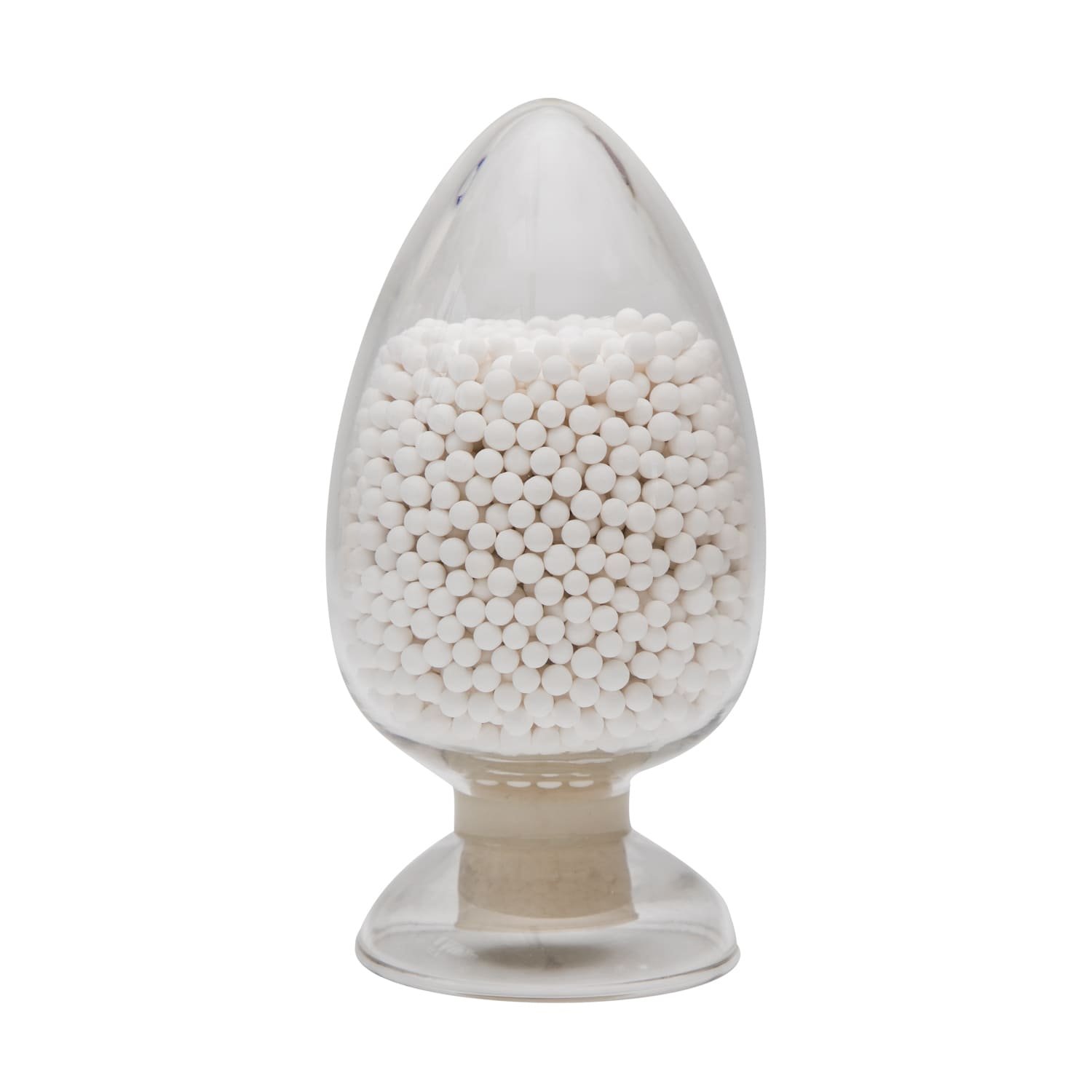
Activated alumina is a different beast. It doesn't have the uniform pores of a molecular sieve. Instead, it has a wide range of pore sizes, like a sponge with many different-sized holes. This structure gives it a high surface area and makes it great at adsorbing large quantities of water. It's not as selective, but it's tough and affordable. Its main advantage is its physical robustness. In my 20 years in the chemical industry, I've seen it hold up incredibly well in big industrial towers. It doesn't easily crush or create dust, which is critical for maintaining good airflow and process efficiency. Another big plus is its regeneration[^7]. You can typically get the water out at lower temperatures than molecular sieves, saving significant energy costs[^10]. This makes it the perfect choice for applications where you need to remove a lot of water but don't need to reach ultra-low dew point[^1]s. It’s the reliable first line of defense in many systems.
| Feature | Activated Alumina[^8] | Molecular Sieve |
|---|---|---|
| Drying Depth | Medium (Dew Point -20°C to -40°C) | Deep (Dew Point -40°C to -100°C) |
| Adsorption Type | Broad-spectrum (surface adsorption) | Selective (sieving + polar adsorption) |
| Regeneration Temp | Low (e.g., 120-180°C) | High (150-300°C) |
| Cost | Lower | Higher |
| Best For | Bulk drying, pre-drying, high strength needs | Precision drying, gas separation[^3], purity |
Can You Use Molecular Sieves[^2] and Activated Alumina[^8] Together?
Trying to get deep drying results without a huge budget? Using only one desiccant type often forces a compromise on cost or purity. Combining them gives you the best of both worlds.
Yes, absolutely. Combining them is a smart, common industrial practice. Use a layer of activated alumina for cost-effective bulk water removal, followed by a layer of molecular sieve for deep, final polishing. This hybrid approach optimizes performance and reduces costs.

In many large-scale industrial systems, the smartest design isn't an "either/or" choice. It's a "both/and" solution. This is often called a layered bed or a guard bed system. Here’s how it works: The wet gas stream first enters a layer of activated alumina. The alumina is the workhorse. It's tough and cost-effective, and it strips out the majority of the moisture from the stream. Think of it as the heavy lifter. Then, the partially dried gas flows into a second layer of molecular sieves. Since most of the water is already gone, the molecular sieve doesn't have to work as hard. Its job is to "polish" the gas, removing the final traces of moisture to achieve those ultra-low dew point[^1]s. This design is brilliant because it protects the more expensive, sensitive molecular sieve from being overwhelmed by bulk water. It also lowers operating costs, extends the life of the entire system, and gives you top-tier performance without the top-tier price tag. It's a strategy we recommend to many of our B2B clients.
Conclusion
In short, choose activated alumina for bulk, cost-sensitive drying and molecular sieves for precision. For the best results in demanding applications, use them together in a layered system.
[^1]: Understanding dew point is crucial for selecting the right desiccant and optimizing drying efficiency. [^2]: Explore how Molecular Sieves can enhance precision drying and improve product purity in various processes. [^3]: Find out how desiccants like Molecular Sieves enhance gas separation efficiency and effectiveness. [^4]: Learn about the characteristics of high-purity processes and the role of desiccants in achieving them. [^5]: Discover the significance of deep dehydration in maintaining high product quality and purity. [^6]: Learn about the importance of high selectivity in achieving desired outcomes in drying applications. [^7]: Understand the regeneration process and its importance for maintaining desiccant effectiveness. [^8]: Learn about the advantages of Activated Alumina for cost-effective and efficient moisture removal in industrial settings. [^9]: Learn how a pre-drying layer can enhance overall drying efficiency and protect sensitive equipment. [^10]: Explore strategies to minimize energy costs while maintaining effective drying performance.