Skip to content
Struggling with pipeline corrosion or hydrate blockages? Wet natural gas is often the culprit, causing costly downtime and equipment failure. The right drying agent is your first line of defense.
The most commonly used molecular sieve for natural gas dehydration is the 4A type[^1]. Its 4-angstrom pore size is ideal for selectively adsorbing small water molecules while allowing larger methane and hydrocarbon molecules to pass through, making it both efficient and cost-effective for this specific task.
Now you know the quick answer. But in my years of supplying components for industrial plants, I've learned that the "quick answer" is rarely the whole story. The type of natural gas you're processing and your system's design can change everything. Choosing the wrong sieve can be just as bad as using none at all. Let's dig into the details to make sure you get it right, because a small choice upstream can have a huge impact on equipment, like valves, downstream.
Why is the 4A molecular sieve the industry standard?
Your natural gas stream is wet, and you need to dry it reliably. You hear everyone mention "4A," but you need to understand why it's the go-to solution before you trust it.
The 4A molecular sieve is the industry standard because it offers the best balance of water adsorption capacity[^2], cost-effectiveness, and physical durability for most natural gas streams. Its pore structure is perfectly sized to capture water while ignoring the valuable methane product.
Let's break down exactly what makes 4A so effective. It all comes down to size. The "4A" refers to the sieve's effective pore opening, which is 4 angstroms (Å). A water molecule is about 2.8Å, so it fits easily inside the sieve's crystalline structure and gets trapped. The primary component of natural gas, methane, has a kinetic diameter of about 3.8Å. It can also just squeeze in. This is why it works so well for general dehydration. The sieve has a strong attraction, or affinity, for polar molecules like water, pulling them out of the gas stream very effectively. This high efficiency means you can achieve very low dew points, protecting downstream equipment from corrosion and hydrate formation. I've seen firsthand how crucial this is in power plants and chemical facilities where moisture can wreak havoc on sensitive instruments and valves. The physical properties of 4A are also key. It's mechanically strong, so it doesn't crumble under the high pressures inside an adsorption tower. It also has excellent thermal stability, which is essential for the regeneration process, where the sieve is heated to release the trapped water so it can be used again.
| Property | Significance for Natural Gas Dehydration |
|---|---|
| Pore Size (4Å) | Allows water (~2.8Å) and methane (~3.8Å) to enter. |
| High Water Capacity | Adsorbs a large amount of water per unit weight, making it efficient. |
| Mechanical Strength | Withstands the pressure and flow inside adsorption vessels[^3] without breaking down. |
| Thermal Stability | Endures high-temperature regeneration cycles repeatedly without degrading. |
| Cost-Effectiveness | Provides the most economical performance for standard dehydration applications. |
What if your natural gas contains heavier hydrocarbons?
So, standard 4A seems perfect. But what happens when your gas stream isn't just simple methane and water? The presence of other compounds can create a serious problem that many people overlook.
If your natural gas contains heavier hydrocarbons (like ethane, propane, or butanes), you must use a specialized anti-coking[^4] 4A molecular sieve. During high-temperature regeneration, these heavier molecules can polymerize on a standard sieve, creating carbon deposits (coke) that block pores and ruin its effectiveness.
This issue, known as coking, is a silent killer for dehydration units. I remember talking to a procurement manager for a large petrochemical plant. They were trying to cut costs and switched to a standard 4A sieve without realizing their gas feed had a high C2+ content. Within months, their dehydration performance[^5] plummeted. Wet gas started passing through, causing corrosion issues in their pipelines and diaphragm valves. The problem was coking. During the regeneration step, the heat caused the heavier hydrocarbons to form a solid, tar-like carbon substance on the sieve beads. This coke physically blocked the pores, making it impossible for the sieve to adsorb water. They had to shut down the unit and perform a very expensive and time-consuming change-out of the entire sieve bed. A specialized anti-coking[^4] 4A is designed to prevent this. It often has a modified surface chemistry or includes additives that inhibit the polymerization reactions that lead to coke formation. It might cost a bit more upfront, but it saves a fortune in the long run by ensuring reliable performance and protecting your entire system. This is a critical detail we always discuss with clients who need valves for hydrocarbon processing applications.
Is there ever a reason to use a 3A molecular sieve[^6]?
We've established that 4A is the workhorse. But in engineering, there's always an exception. Sometimes, being more selective is more important than being the most economical, and that's where 3A comes in.
A 3A molecular sieve[^6] is used for natural gas dehydration in special cases where absolute selectivity for water is critical. Its 3-angstrom pores are too small for methane to enter, ensuring that only water is adsorbed from the gas stream, which is crucial in some specialized process designs.
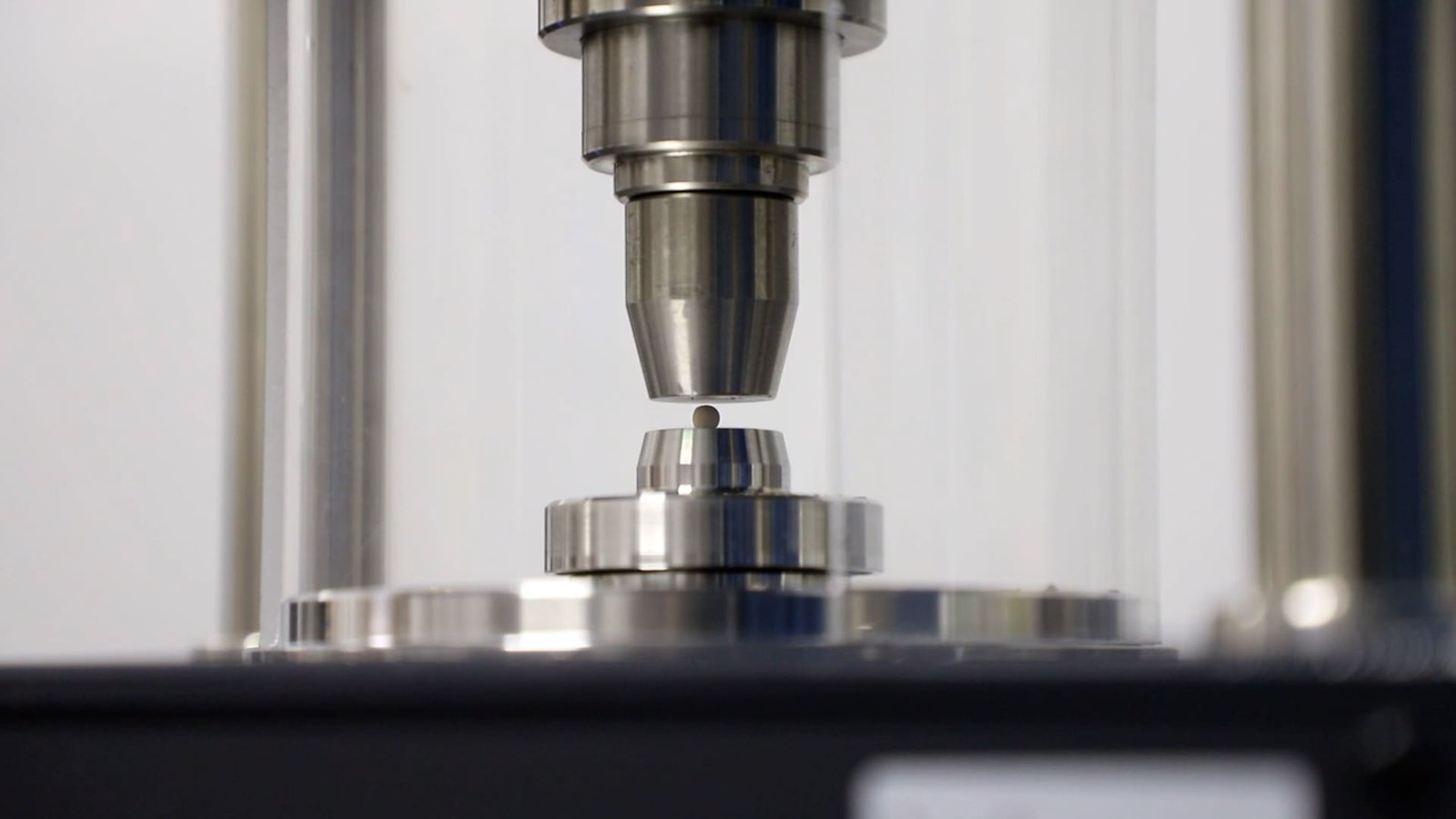
The key difference is simple geometry. The 3A sieve has a pore opening of 3 angstroms. Water molecules (~2.8Å) can get in, but methane molecules (~3.8Å) are physically blocked. They simply can't fit. This is a huge advantage in certain situations. I've worked with clients who operate in regions where the natural gas is less pure and contains a variety of other gases. Some of their facilities use closed-loop regeneration systems. In this setup, if you use a 4A sieve, it will co-adsorb some hydrocarbons along with the water. During regeneration, these hydrocarbons are released with the water and can build up in the closed loop, creating potential process or safety issues. By using 3A, they guarantee that only water is being cycled through the regeneration system. This makes the process more stable and predictable. The trade-off is that 3A is generally less economical than 4A for bulk dehydration, often having a slightly lower water capacity. However, for these specialized applications, the superior selectivity and process safety it provides are worth the extra cost. It’s a perfect example of how the "best" solution always depends on the specific details of the application.
| Factor | 4A Molecular Sieve | 3A Molecular Sieve |
|---|---|---|
| Pore Size | 4 Angstroms | 3 Angstroms |
| Molecules Adsorbed | Water, Methane, CO2, etc. | Water only |
| Primary Use Case | General, cost-effective natural gas dehydration. | High-purity applications requiring absolute water selectivity. |
| Key Advantage | High capacity and low cost. | Prevents co-adsorption of hydrocarbons. |
| Consideration | Risk of coking with heavy hydrocarbons. | Lower water capacity and higher cost. |
Conclusion
In short, 4A is the main choice for natural gas dehydration. Use a special anti-coking[^4] 4A if hydrocarbons are present, and consider 3A only for highly specific, purity-critical applications.
[^1]: Find out why the 4A type is the industry standard for effective gas dehydration. [^2]: Explore the key factors that influence the efficiency of water adsorption in sieves. [^3]: Learn about the design and operation of adsorption vessels in gas processing. [^4]: Explore how anti-coking technology enhances the performance of molecular sieves. [^5]: Discover strategies to enhance dehydration performance and protect your equipment. [^6]: Find out the specific applications where a 3A molecular sieve is more beneficial.