Pipeline blockages and corrosion[^1] in your natural gas system are costly problems. These issues disrupt operations, damage expensive equipment, and reduce the value of your gas, hitting your bottom line.
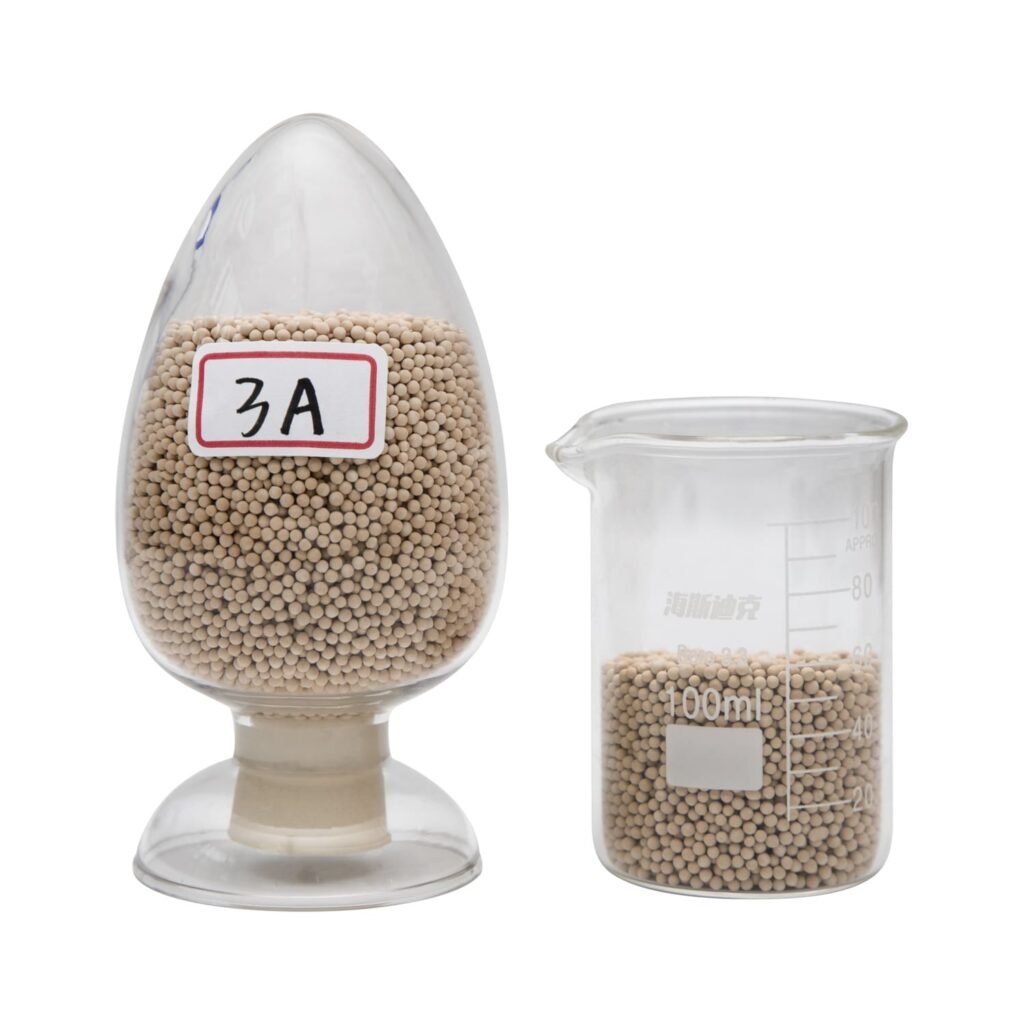
3A molecular sieves[^2] are essential for natural gas dehydration[^3] because their 3-angstrom pores selectively adsorb tiny water molecules while blocking larger hydrocarbon molecules like methane. This targeted removal prevents hydrate formation[^4], stops corrosion, and protects critical downstream equipment, ensuring gas quality and operational safety.
So, we know that 3A molecular sieves[^2] are the right tool for the job. But what exactly happens when water is left unchecked in a natural gas stream? The consequences can be far more severe and costly than you might think. Let's break down the specific problems that deep dehydration solves and explore why the unique properties of 3A sieves are perfectly suited for this critical task.
How Does Water Wreak Havoc in Natural Gas Systems?
Unseen moisture in your natural gas lines seems like a minor issue. But it can freeze into solid hydrates, block entire pipelines, and corrode your valuable infrastructure from the inside out.
Water in natural gas systems causes major operational failures. It forms ice-like hydrates that block pipes and valves, especially at low temperatures. It also combines with H₂S and CO₂ to create corrosive acids that damage expensive equipment and compromise pipeline integrity, posing a significant safety risk.
When we work with clients in the natural gas industry, we emphasize that water isn't just an impurity; it's an active threat to their operation. The problems it creates are not just theoretical. They lead to real-world downtime and expensive repairs. Let's dive deeper into the specific risks.
The Dangers of Water Content
The presence of water vapor, even in small amounts, can trigger a cascade of problems in high-pressure gas systems.
- Hydrate Formation: This is the most immediate danger. At high pressures and low temperatures, which are common in gas pipelines and processing plants, water molecules can trap hydrocarbon molecules to form solid, ice-like crystals called hydrates. These are not just simple ice cubes; they are incredibly hard and can grow rapidly, completely plugging pipelines, valves, and instruments. A hydrate plug can bring an entire operation to a standstill.
- Corrosion: Natural gas often contains sour components like hydrogen sulfide (H₂S) and carbon dioxide (CO₂). When water is present, it creates an acidic electrolyte. This environment dramatically accelerates pipeline corrosion, especially a dangerous form called stress corrosion cracking. Over time, this weakens the pipeline, leading to potential leaks or catastrophic failures.
- Reduced Gas Quality: Water is an inert substance. It doesn't burn. Its presence in the gas stream dilutes the valuable hydrocarbons, directly lowering the gas's calorific (heating) value. Removing water can increase the heating value by 2-3%, which translates directly to a more valuable final product.
| Risk Factor | Consequence | Impact on Operations |
|---|---|---|
| Hydrate Plugs | Complete blockage of flow | Unplanned shutdowns, production loss, safety hazards |
| Acidic Corrosion | Pipeline and equipment degradation | High maintenance costs, risk of leaks, reduced lifespan |
| Low Calorific Value | Diluted, less valuable gas | Lower sales revenue, failure to meet quality specs |
| Equipment Damage | Erosion of turbine blades and compressors | Costly repairs, reduced equipment efficiency |
What Makes 3A Molecular Sieves Uniquely Suited for This Job?
You need to remove water, but not the valuable hydrocarbons in your natural gas. Using a non-selective adsorbent means losing product and profits with every single dehydration cycle.
The uniqueness of 3A molecular sieves[^2] lies in their 3-angstrom pore size. This structure is just large enough to trap small water molecules (2.6Å) but physically blocks larger hydrocarbon molecules like methane (3.8Å). This ensures highly selective and efficient water removal without product loss.
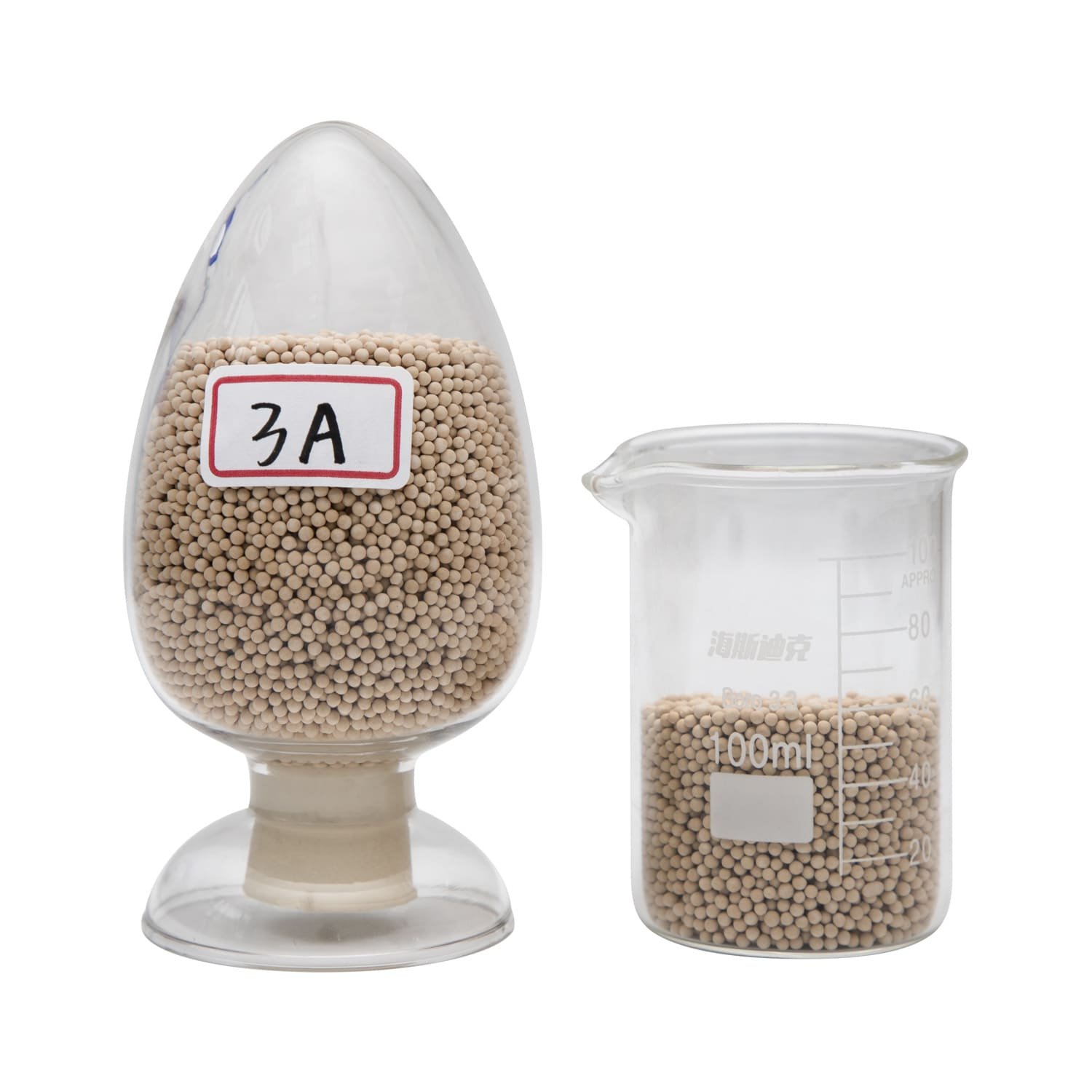
The principle behind molecular sieves is beautifully simple yet incredibly effective. It's a process of physical separation at the molecular level. Think of it as a perfect gatekeeper. In my 20 years in the chemical industry, I've seen many separation technologies, but the precision of molecular sieves remains impressive. It's not a chemical reaction; it's a physical trap. The 3A type, with its 3-angstrom (0.3 nanometer) pore openings, is specifically engineered for this kind of task.
The Science of Selective Adsorption
The key is the difference in molecular size.
- Water (H₂O): This is a very small molecule, with a kinetic diameter[^5] of about 2.6 angstroms. It fits easily into the 3A pores.
- Methane (CH₄): This is the primary component of natural gas. It has a kinetic diameter[^5] of about 3.8 angstroms. It's too big to enter the 3A pores.
- Other Hydrocarbons: Heavier hydrocarbons like ethane are also larger than 3 angstroms and are similarly excluded.
When a stream of wet natural gas flows through a bed of 3A molecular sieve beads, the water molecules are pulled into the crystalline structure of the sieve and held there, while the larger methane and hydrocarbon molecules pass right by. This is what we call "selective adsorption[^6]." It ensures that you are only removing the unwanted water, not your valuable product. This principle is why 3A is also the go-to choice for applications like ethanol dehydration, where you must remove water without adsorbing the larger alcohol molecules.
| Molecule | Size (Kinetic Diameter) | Adsorbed by 3A Sieve? | Reason |
|---|---|---|---|
| Water (H₂O) | ~2.6 Å | Yes | Small enough to enter the 3 Å pores. |
| Methane (CH₄) | ~3.8 Å | No | Too large to enter the pores. |
| Ethane (C₂H₆) | ~3.8 Å | No | Too large to enter the pores. |
This level of precision prevents co-adsorption, a common problem with less-selective desiccants that can adsorb both water and hydrocarbons, leading to product loss and process inefficiency.
How Do High-Quality 3A Sieves Improve Dehydration Performance and ROI?
Not all molecular sieves are created equal. Poor quality sieves can break down in service. This creates dust, increases pressure drop, and requires frequent, costly replacement, hurting your bottom line.
High-quality 3A sieves, like ours, improve performance with high crush strength[^7] and low attrition. This means less dust, stable pressure drop, longer service life, and fewer change-outs. The result is lower operating costs, greater reliability, and a better return on your investment.
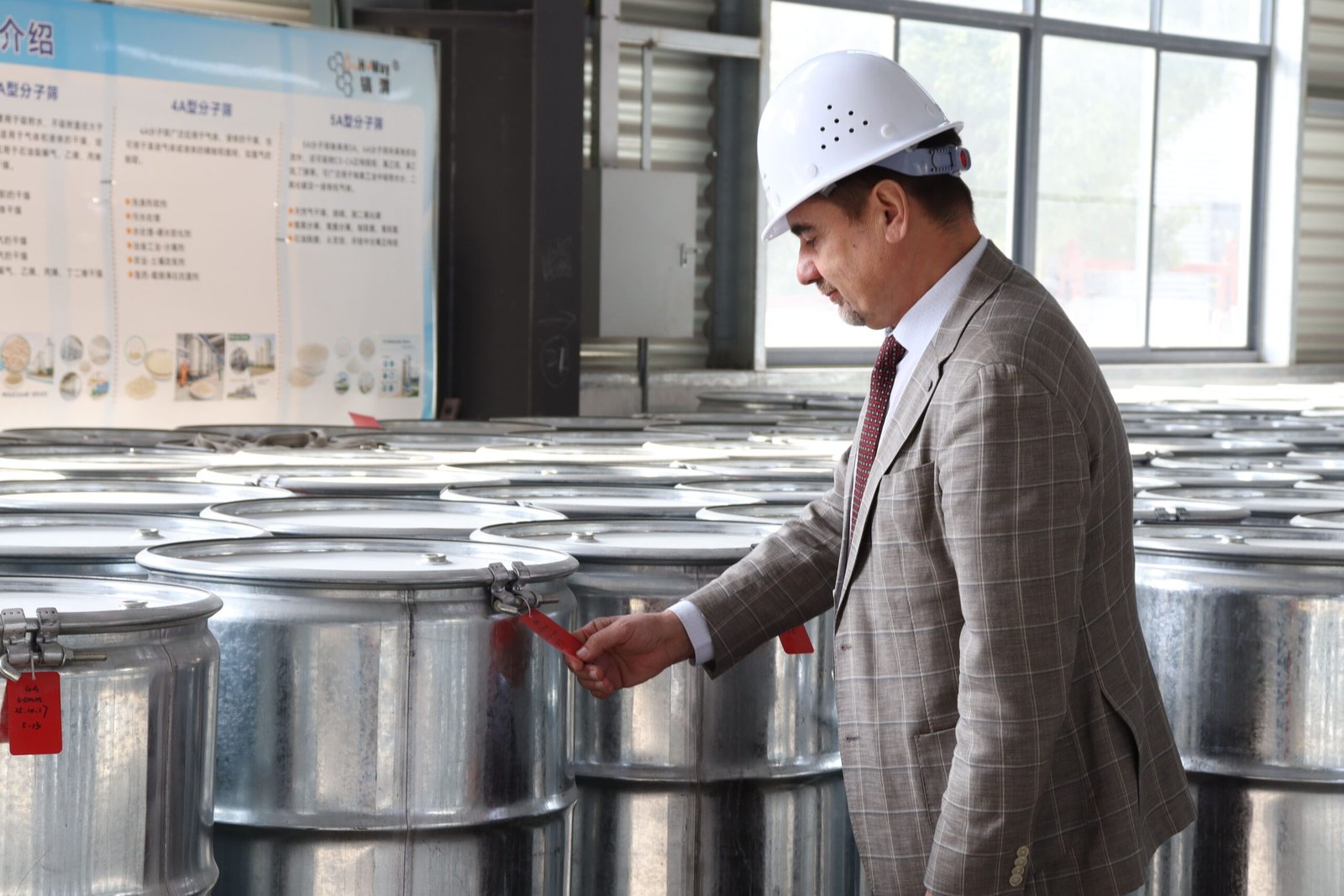
When we invested RMB 8 million in our new production line, our goal was simple: to build a foundation for premium products. An expert who reviewed our facility said it best: "A superior production line is the foundation of premium products." This isn't just about making molecular sieves; it's about manufacturing reliability. For our B2B partners, whether they are global brands or regional distributors, that reliability translates directly into performance and profitability. The physical quality of the sieve bead is just as important as its chemical properties.
The Link Between Manufacturing and Performance
A high-performance 3A sieve delivers value through its physical durability. In a large industrial adsorber tower, the sieve bed is under immense pressure.
- Low Attrition Rate: Attrition is the tendency of beads to break down and create dust during operation. Our granulator-based forming process produces beads with much higher mechanical strength and uniformity compared to the older "sugar-coating pan" method. Less dust means the pressure drop across the bed remains stable and predictable. It also prevents downstream filters from clogging, reducing maintenance.
- High Crush Strength: The beads at the bottom of a tall adsorber vessel must support the weight of the entire bed above them. If the beads have low crush strength, they will be pulverized into powder, severely restricting gas flow and rendering the entire bed useless. Our automated production line ensures every batch has consistent, high crush strength[^7] for long-term stability.
- Uniform Particle Size: A uniform bead size ensures that the gas flows evenly through the entire bed, maximizing contact time and ensuring every part of the sieve bed is used effectively. This leads to higher dynamic adsorption capacity[^8] and more efficient dehydration.
| Our Manufacturing Advantage | Feature | Customer Benefit |
|---|---|---|
| Advanced Granulator Process | Stronger, more uniform beads | Low dust & attrition, stable pressure drop |
| Fully Automated Production Line | High consistency and quality control | High crush strength, reliable performance |
| International-Standard Formulation | Optimized pore structure & capacity | Higher adsorption capacity, longer service life |
Choosing a premium 3A sieve isn't an expense; it's an investment in operational uptime[^9], safety, and long-term profitability[^10].
Conclusion
3A molecular sieves[^2] are vital for ensuring natural gas safety, quality, and processing efficiency. Choosing a high-quality, durable product guarantees reliable deep dehydration and protects your long-term operational investment.
[^1]: Understanding the causes of pipeline blockages and corrosion can help you prevent costly disruptions and maintain efficient operations. [^2]: Learn how 3A molecular sieves effectively remove water from natural gas, preventing hydrate formation and corrosion. [^3]: Explore the importance of natural gas dehydration in maintaining gas quality and preventing operational issues. [^4]: Discover how hydrate formation can block pipelines and disrupt natural gas operations, and how to prevent it. [^5]: Understand the concept of kinetic diameter and its significance in molecular sieve applications. [^6]: Learn about the selective adsorption process and its role in efficient natural gas dehydration. [^7]: Learn why high crush strength is crucial for the durability and effectiveness of molecular sieves. [^8]: Understand the concept of dynamic adsorption capacity and its impact on dehydration efficiency. [^9]: Explore how molecular sieves ensure continuous operations and prevent costly downtimes. [^10]: Find out how investing in high-quality molecular sieves leads to better performance and profitability.