Skip to content
Struggling with oil contamination[^1] in your air system? You might think your desiccant can handle it, but using activated alumina[^2] for oil is a critical and costly mistake.
Activated alumina fails to adsorb oil because its surface is polar and water-loving, while oil is non-polar. This chemical mismatch means they repel each other. Also, large oil molecules are often too big to enter the small pores where strong adsorption happens, rendering it ineffective.
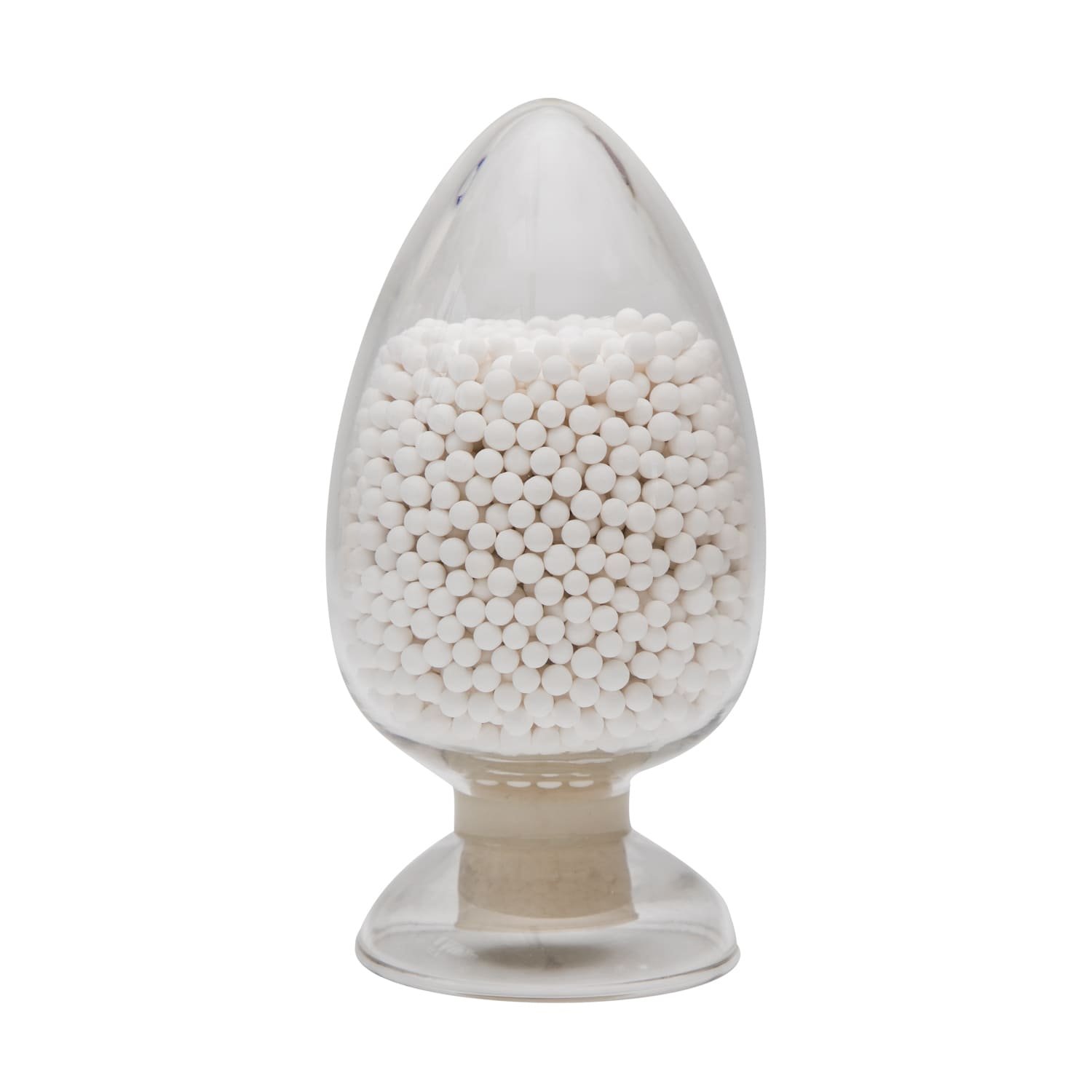
As a manufacturer of adsorbent materials[^3] for over 20 years, I've seen countless systems fail for a simple reason: a fundamental misunderstanding of the materials being used. It's a problem that costs businesses a lot of money in downtime and material replacement. But the solution starts with understanding the "why." Once you understand the basic science behind your desiccants, you can protect your equipment and ensure it runs efficiently for years. Let's break down exactly why activated alumina[^2] and oil are a bad mix, and what you should do about it.
What Makes Activated Alumina's Surface Reject Oil?
Your desiccant bed is failing, and you suspect oil is the culprit. But why does oil cause such a problem for activated alumina[^2] specifically? The answer is in its chemistry.
Its surface is covered in polar hydroxyl groups, making it strongly attract polar molecules like water. But this same property makes it repel non-polar oil molecules. It's the classic case of oil and water not mixing, happening at a microscopic level on every bead of desiccant.

To really get it, you have to look at how we make activated alumina[^2]. We produce it by heating aluminum hydroxide, which removes water and creates a highly porous structure. This process leaves the surface rich with hydroxyl groups (-OH) and exposed aluminum ions (Al³⁺). These features give the surface a strong polar charge, making it extremely hydrophilic, or "water-loving." It forms powerful hydrogen bonds with other polar molecules, pulling them out of a gas or liquid stream with incredible efficiency.
Oil, on the other hand, consists of long, non-polar hydrocarbon chains. These molecules have no charge for the polar alumina surface to grab onto. So, there is no chemical attraction. Some very large oil molecules might get physically stuck on the outside or in large pores, but this bond is weak and unstable. The small micropores, which have the strongest adsorptive force, remain completely inaccessible to them.
Surface Interaction Comparison
| Substance | Molecular Polarity | Interaction with Activated Alumina | Result |
|---|---|---|---|
| Water (H₂O) | High (Polar) | Strong attraction (Hydrogen Bonding) | Effective Adsorption |
| Oil (Hydrocarbons) | None (Non-Polar) | Repulsion / No attraction | Poor to No Adsorption |
| Acidic Gases (SO₂) | Moderate (Polar) | Strong attraction (Electrostatic) | Effective Adsorption |
How Does Oil Contamination Damage Desiccants in Air Dryers?
Your compressed air isn't as dry as it used to be. The pressure dew point[^4] is rising, even after regenerating your desiccant. The silent killer is likely oil contamination[^1].
Oil coats the desiccant's porous surface, physically blocking the very pores that are supposed to capture water. During the heat of regeneration, this oil doesn't just evaporate. It cooks into a hard, varnish-like layer, permanently ruining the desiccant's ability to do its job.
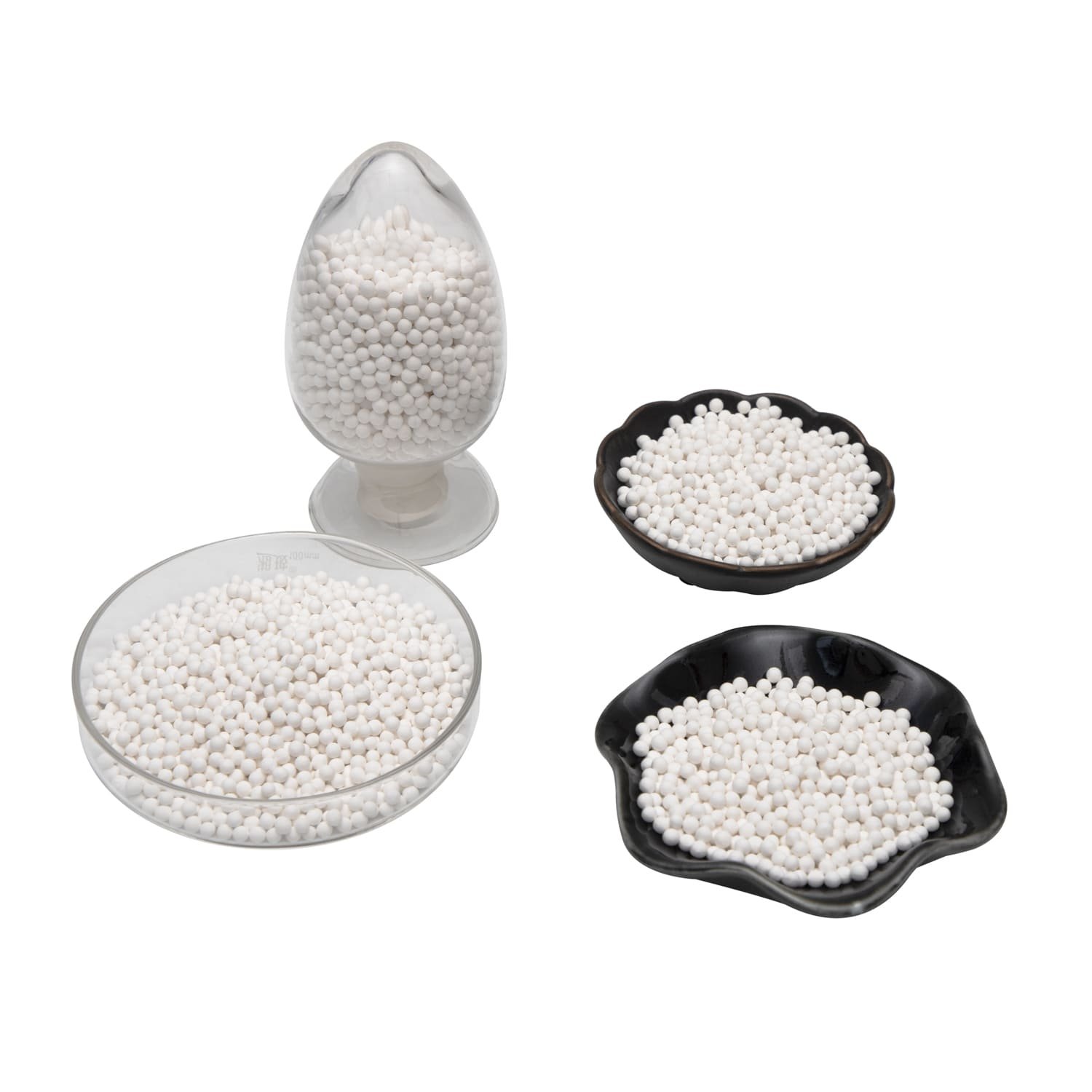
In my experience with industrial drying systems, this is one of the most common and destructive problems we see. Both activated alumina[^2] and molecular sieves are fantastic desiccants because they can be regenerated and reused. But this cycle depends on releasing only what was adsorbed, which is usually water. When oil vapor or aerosol from a lubricated compressor enters the dryer, it coats the billions of tiny pores in each bead. This process is called "fouling."
The real damage happens during the regeneration cycle[^5]. The temperature needed to drive off water (typically 150-200°C) is not high enough to vaporize the oil. Instead, the heat bakes the oil onto the desiccant, a process called "coking[^6]." This creates a non-porous, carbonaceous layer that cannot be removed. The damage is irreversible. The desiccant can no longer adsorb water, the pressure dew point[^4] of your air skyrockets, and your entire desiccant bed is scrap.
Desiccant State: Before vs. After Oil
| Feature | Clean Desiccant | Oil-Fouled Desiccant |
|---|---|---|
| Surface | Clean, porous, high surface area | Coated, blocked pores |
| Color | White / Light Tan | Yellow, Brown, or Black |
| Adsorption Capacity | High | Extremely Low / None |
| Regeneration | Fully effective | Ineffective, causes permanent damage |
How Can You Protect Your Air Dryer from Oil Damage?
Replacing an entire bed of fouled desiccant is expensive and leads to frustrating downtime. You need a reliable way to stop this from ever happening. The best defense is a two-part strategy.
First, attack the problem at its source by using an oil-free air compressor[^7]. Second, and most critically for lubricated systems, install high-efficiency pre-filters before the air dryer. These filters are designed to capture oil aerosols and vapor before they can cause any damage.
Preventing oil contamination is always cheaper than fixing it. To ensure your dryer provides stable, deep drying for the long haul, you have to be strict about the quality of the air entering it. The first line of defense is the compressor itself. If you can specify an oil-free compressor for your application, you eliminate the biggest risk. However, for many operations using existing lubricated compressors, that's not an option.
In that case, a robust pre-filtration system is not optional—it's essential. This isn't just a simple particulate filter. You need a multi-stage approach. A high-efficiency coalescing filter is installed first to capture and remove liquid oil mists and aerosols. It forces tiny droplets to merge into larger ones that can be drained away. But even after this, oil vapor can remain. That's why the second stage, an activated carbon filter[^8], is crucial. It uses adsorption to capture the remaining oil vapor, ensuring truly clean air reaches your desiccant. This small investment protects your much larger investment in the dryer and desiccant.
Air Dryer Protection Strategy
| Component | Function | Placement |
|---|---|---|
| Coalescing Filter | Removes liquid oil aerosols and mists. | Before the dryer. |
| Activated Carbon Filter | Adsorbs oil vapor (gaseous oil). | After the coalescing filter, before the dryer. |
| Oil-Free Compressor | Eliminates oil at the source. | The air source itself. |
Conclusion
Activated alumina fails to adsorb oil due to its polar surface. This oil contamination[^1] permanently fouls the desiccant, destroying its performance. Protect your system with pre-filtration or oil-free compressors.
[^1]: Learn about the impact of oil contamination on air systems to prevent costly downtime and damage. [^2]: Understanding activated alumina's properties can help you make informed decisions about its use in air systems. [^3]: Explore various adsorbent materials to understand their applications in different industries. [^4]: Understanding pressure dew point is crucial for maintaining optimal performance in air systems. [^5]: Learn about the regeneration cycle to ensure your desiccants remain effective over time. [^6]: Explore the process of coking and its detrimental effects on desiccant performance. [^7]: Find out how oil-free compressors can enhance the efficiency and longevity of your air systems. [^8]: Discover how activated carbon filters can enhance air quality by removing oil vapor.