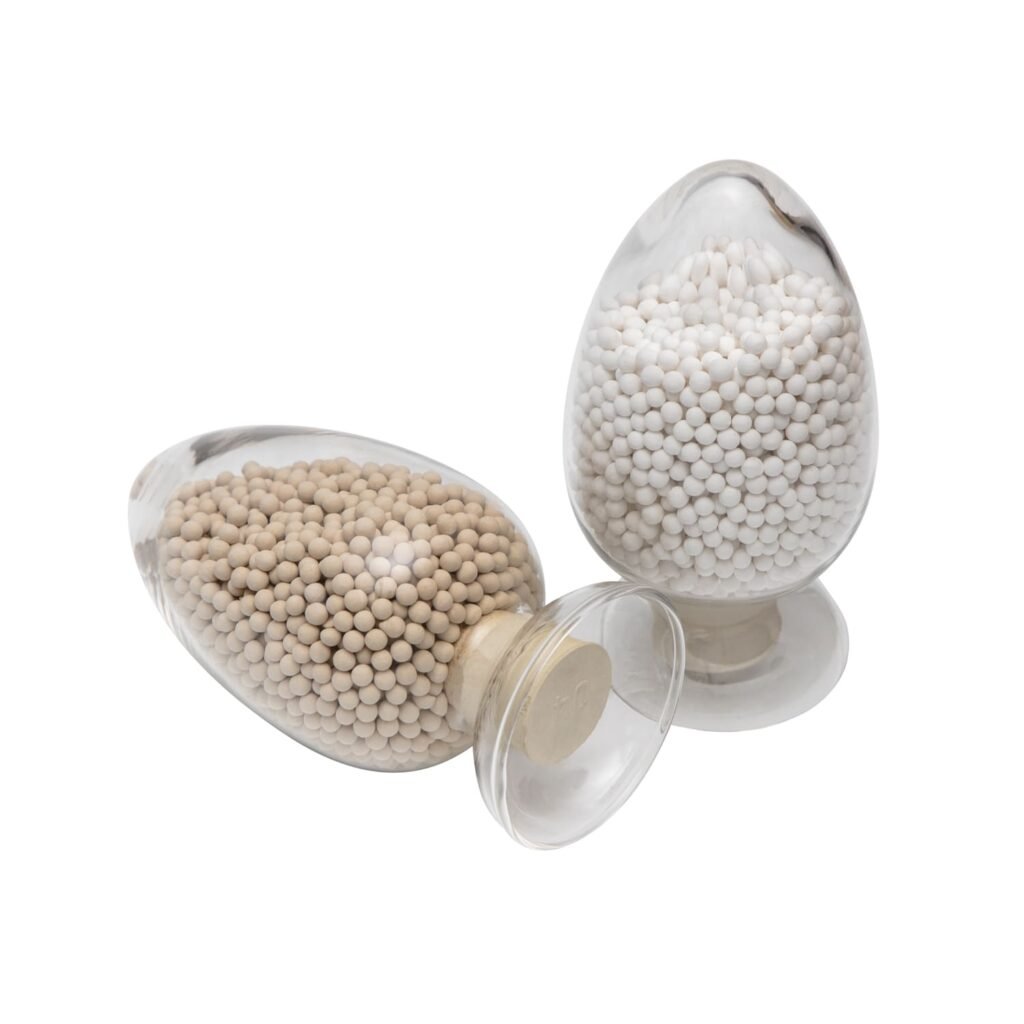
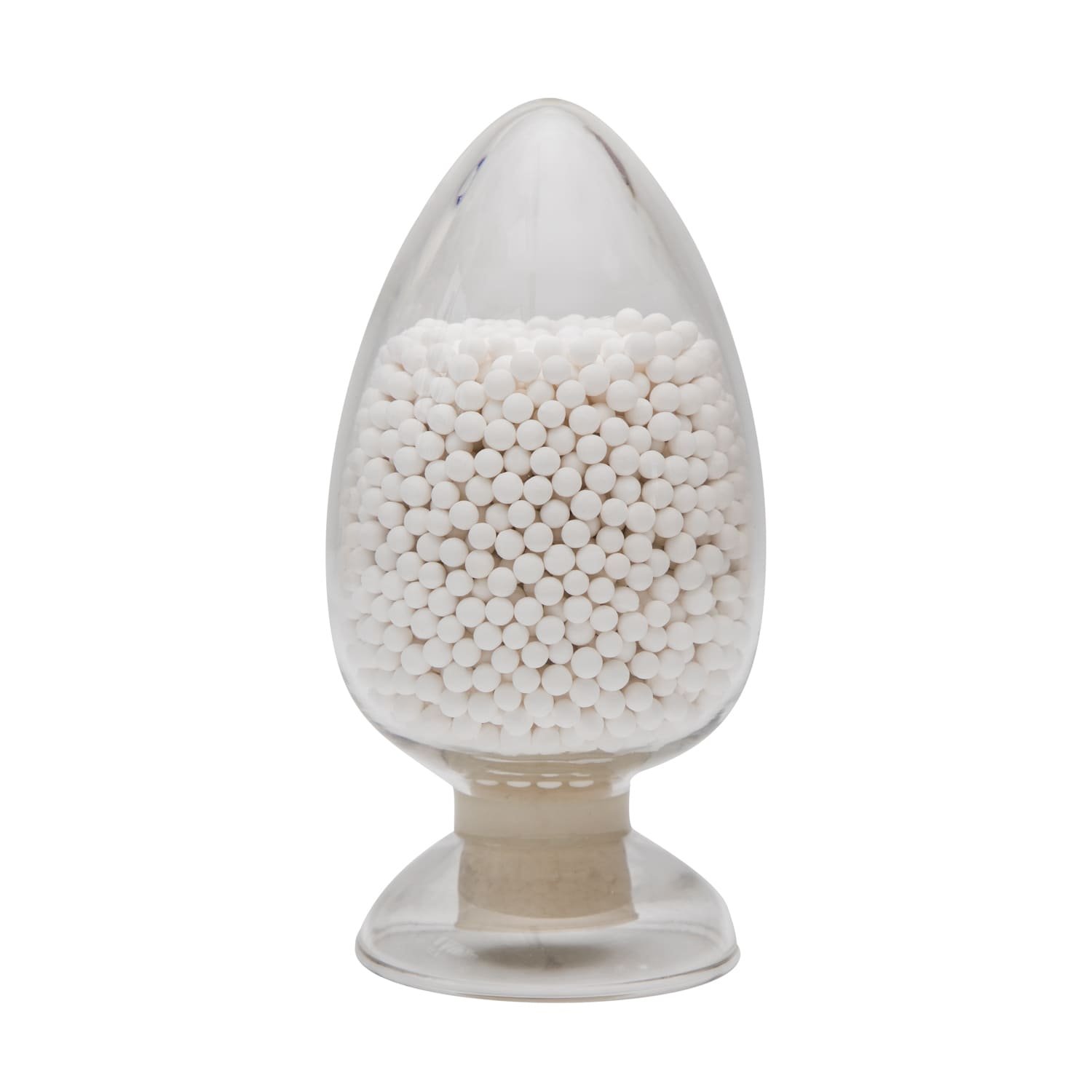
Your activated alumina desiccant[^1] is turning to dust, clogging equipment and hurting efficiency. Understanding the core reasons—product quality, operation[^3], and selection[^4]—is the first step to fixing this costly problem.
Activated alumina powdering after six months is often caused by three main issues. First is poor product quality^5[^2], where weak beads break under stress. Second is improper operation^6[^3], such as rough loading or harsh regeneration. Third is incorrect selection^7[^4], meaning the alumina isn't right for your system's pressure.
It's a frustrating situation I've seen many times in my 20 years in the chemical industry. You invest in a desiccant, and half a year later, it’s causing more problems than it solves. This isn't just an annoyance; it can lead to expensive downtime and repairs. But don't worry, we can break this down. Let's look closer at each of these potential culprits to find out exactly what's going on in your system and how you can prevent it from happening again.
Could Poor Product Quality Be the Real Culprit?
You trusted your supplier, but the alumina is failing prematurely. This makes you question the initial investment and the reliability of your entire process. Let's identify the signs of low-quality alumina.
Yes, poor quality is a primary cause. Low-grade raw materials or improper manufacturing can create weak beads that lack mechanical strength[^8]. If they weren't fired correctly or were damaged during shipping and used without screening, they are predisposed to breaking down under operation[^3]al stress.
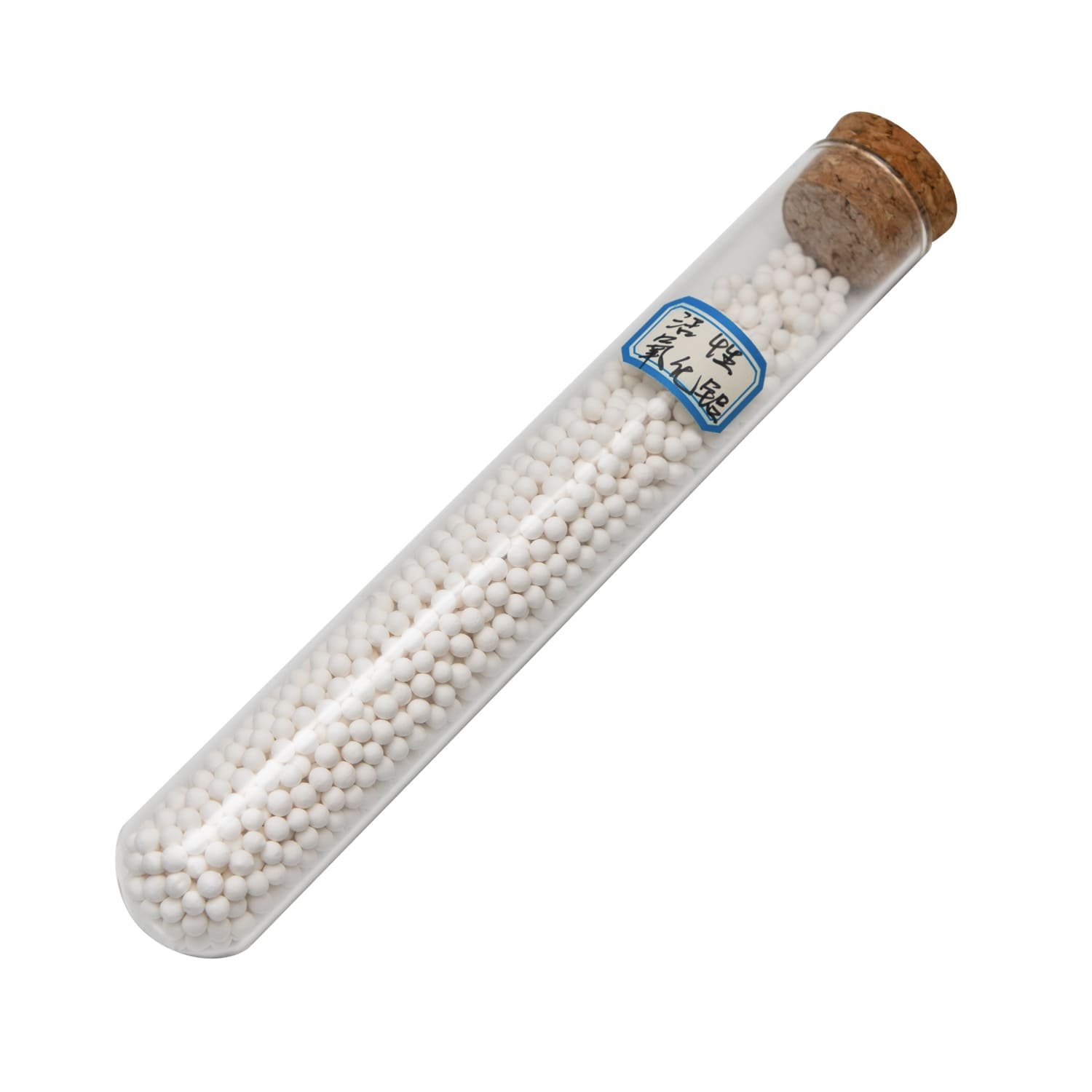
As a manufacturer, I can tell you that not all activated alumina is created equal. The foundation of a durable bead is high-quality raw material and a precise, automated manufacturing process. If a producer cuts corners, the final product suffers. For example, our factory invested heavily in a top-tier production line that uses a granulator-based forming process. This results in beads with a more uniform particle size and much higher mechanical strength[^8]. It's a world away from older, less consistent methods.
Then there's the firing stage[^9]. If the temperature isn't perfectly controlled throughout the kiln, the beads won't be properly "cured." This leaves them soft and prone to crushing under the daily pressures of your operation[^3]. Finally, consider what happens after production. Proper packaging is crucial to prevent moisture absorption[^10] before use. If the alumina arrives damp or has been handled roughly during transport, its structural integrity is already compromised. Using it without screening out the broken pieces just introduces dust into your system from day one, which only accelerates the powdering problem.
| Quality Factor | High-Quality Alumina | Low-Quality Alumina |
|---|---|---|
| Raw Material | High-purity precursors | Impure, inconsistent materials |
| Manufacturing | Controlled granulation & firing | Inconsistent pressing, poor heat control |
| Strength | High crush strength[^11], durable | Low crush strength[^11], brittle |
| Handling | Sealed packaging, screened before use | Poor storage, used as-is |
Are Your Operating Procedures Damaging the Alumina?
You believe you've followed the manual, but your desiccant bed is still degrading. This can lead to unexpected downtime and maintenance costs, disrupting your entire production schedule. Let's review common operation[^3]al mistakes.
Absolutely. Even high-quality alumina can be destroyed by improper handling. Dumping the beads into a hot vessel, aggressive regeneration cycle[^12]s with temperatures that are too high, or rapid pressure swings[^13] can cause thermal and mechanical shock, shattering the beads and creating dust.
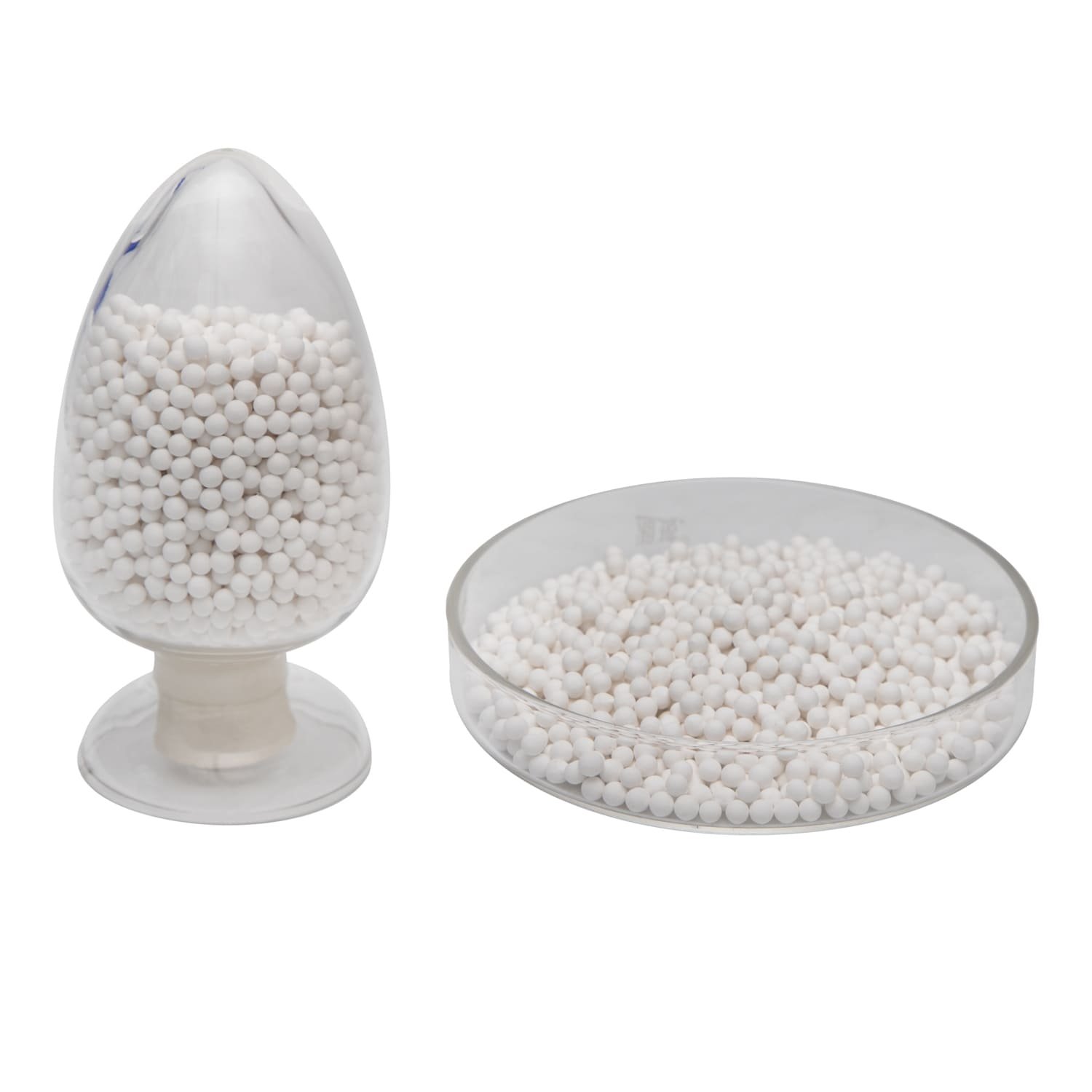
I've visited many plants, and operation[^3]al errors are a common theme I see again and again. Let's start with loading. You should never just dump activated alumina beads into the vessel from a great height, especially if the vessel is hot. The impact and friction from a 'chaotic dump' can cause micro-fractures that will lead to failure down the road. The best practice is to load it carefully, often using a flexible sock or chute to minimize the drop height and distribute the beads evenly.
Then there's the regeneration cycle[^12]. This is where most of the damage happens. If you heat the bed too quickly or push the temperature beyond the recommended limit, you create intense thermal stress[^14]. Think of it like pouring cold water into a hot glass—it shatters. The same thing happens to the alumina beads on a microscopic level. Likewise, if the purge flow during regeneration is too violent, it acts like a sandblaster, eroding the surface of the beads over time. A slow, controlled, and gentle process is key to a long service life.
| Operational Step | Common Mistake | Best Practice |
|---|---|---|
| Loading | Dumping beads from a height | Use a chute; load slowly and evenly |
| Regeneration Heating | Rapid temperature increase | Gradual heating (e.g., 50°C/hr) |
| Regeneration Purge | High-velocity, aggressive flow | Controlled, lower-velocity flow |
| Depressurization | Rapid pressure release | Slow, controlled depressurization |
Did You Choose the Right Activated Alumina for the Job?
You bought an activated alumina product that was supposed to work. Now, it's failing just a few months in, and you're realizing the initial choice might have been completely wrong.
This is a critical, often overlooked factor. If the bead size[^15], pore structure, or crush strength[^11] isn't matched to your system's operating pressure, flow rate, and contaminant type, the alumina will fail. It might be physically unable to withstand the process conditions.
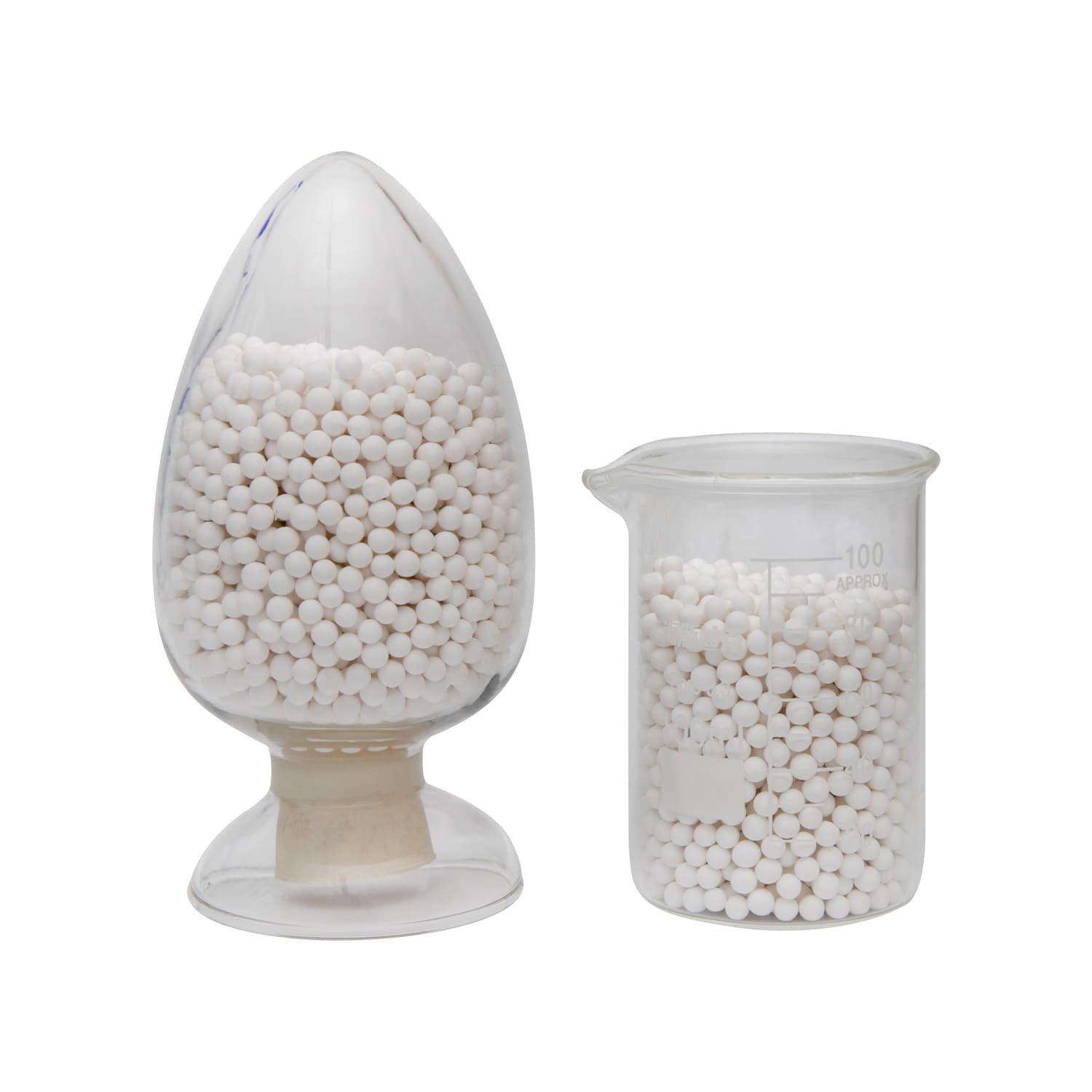
Choosing the right desiccant isn't just about finding "activated alumina." It's about finding the correct activated alumina for your specific application. Think about bead size[^15]. Smaller beads offer more surface area for adsorption but create a higher pressure drop across the bed. Larger beads have a lower pressure drop but less active surface area. If you use beads that are too small for a high-flow system, the intense pressure can literally crush them into powder.
Furthermore, if your system's flow rate consistently exceeds the design capacity of the desiccant bed, you're putting immense and constant mechanical stress on the alumina. It's like constantly redlining a car engine; eventually, something is going to break. This is why a detailed consultation with a knowledgeable supplier is so important before you buy. We need to understand your process—pressure, temperature, flow rates, and what you're trying to remove—to recommend a product with the right physical properties and crush strength[^11] to ensure a long, effective service life. A mismatch here is a guarantee for premature failure.
| Application Parameter | Selection Consideration | Consequence of Mismatch |
|---|---|---|
| Flow Rate | Match bead size[^15] to balance pressure drop and surface area. | High pressure drop can crush beads. |
| Operating Pressure | Select beads with adequate crush strength[^11] for the system. | Physical breakdown and powdering. |
| Contaminant Type | Match pore size to the target molecules for efficient capture. | Inefficient adsorption, early saturation. |
| Cycle Frequency | Choose a durable product that can withstand frequent regeneration. | Mechanical fatigue and degradation. |
Conclusion
In short, preventing activated alumina powdering comes down to three things: buying a quality product, operating it correctly, and choosing the right type for your specific needs from the start.
[^1]: Understanding the uses of activated alumina desiccant can help you choose the right product for your specific industrial needs. [^2]: Exploring how product quality impacts performance can guide you in selecting a reliable supplier for your desiccant needs. [^3]: Learning best practices for operation can prevent costly mistakes and extend the life of your activated alumina desiccant. [^4]: Choosing the right activated alumina is crucial for efficiency; learn how to match it to your system's requirements. [^5]: Identifying poor product quality can save you from investing in a desiccant that will fail prematurely. [^6]: Understanding the impact of improper operation can help you avoid practices that degrade your desiccant. [^7]: Selecting the wrong alumina can lead to system failure; learn how to avoid this costly mistake. [^8]: Mechanical strength is key to durability; discover how it influences the lifespan of your desiccant. [^9]: The firing stage affects bead strength; learn why precise temperature control is vital. [^10]: Moisture absorption can compromise structural integrity; find out how to prevent it. [^11]: Crush strength determines resistance to breakdown; learn why it's crucial for system reliability. [^12]: Regeneration cycles can cause damage; learn how to manage them for optimal desiccant performance. [^13]: Pressure swings can cause mechanical shock; learn how to control them to protect your desiccant. [^14]: Thermal stress can shatter beads; discover how to minimize this risk during operation. [^15]: Bead size influences pressure drop and adsorption; find out how to choose the right size for your system.