Your system is failing. Fluoride levels are spiking, and your activated alumina isn't working. You need to find the cause fast before it costs you more.
A sudden drop in activated alumina's adsorption capacity[^1] is often caused by three key areas: poor wastewater quality (like incorrect pH or competing ions), issues with the alumina media itself (incomplete regeneration[^2], aging), or simple operational errors (like high flow rates or low temperatures).
It's frustrating when a reliable process suddenly stops working. I've seen this happen with clients many times, and the root cause almost always falls into one of a few categories. The good news is that these issues are usually easy to diagnose once you know what to look for. Let's dig into each one so you can pinpoint your problem and get your system back on track.
Could Your Wastewater's Quality Be the Real Culprit?
You assume your alumina is the problem. But what if the water you're treating is fighting back? Ignoring water quality can lead to repeated, costly failures.
Yes, wastewater quality is often the culprit. If the pH is outside the optimal 5.5-7.5 range, efficiency plummets. Also, ions like phosphates can compete with fluoride for the same adsorption sites on the alumina, effectively "stealing" its capacity and causing a sudden performance drop.
I remember a client who called me in a panic. Their fluoride removal system, which had been stable for months, suddenly failed. After checking their equipment, we tested the incoming water. It turned out a different upstream process had changed, introducing a high concentration of phosphates into their wastewater. The activated alumina was working perfectly, but it was adsorbing the phosphates instead of the fluoride. This is a classic example of how water chemistry is the first place you should look.
The Power of pH
The pH of your water is the single most important factor for fluoride adsorption. Think of the activated alumina surface as having a magnetic charge.
- Low pH (Acidic): The surface becomes positively charged. Since fluoride ions (F-) are negatively charged, they are strongly attracted to the surface. This is the ideal condition.
- High pH (Alkaline): The surface becomes negatively charged. This repels the negative fluoride ions, and adsorption efficiency drops dramatically.
The sweet spot is a pH between 5.5 and 7.5. Outside this range, performance will suffer, and it can look like a sudden failure of the media.
The Battle for Adsorption Sites
Activated alumina has a finite number of places, or "sites," where it can grab onto contaminants. Fluoride has to compete for these sites with other ions in the water. If another ion is present in high concentration and is also attracted to the alumina, it can win the battle.
| Parameter | Ideal Range | Problematic Condition | Why it's a Problem |
|---|---|---|---|
| pH Level | 5.5 - 7.5 | < 5.0 or > 8.0 | Reduces the surface's attraction for fluoride ions. |
| Phosphate (PO₄³⁻) | < 1 ppm | > 5 ppm | Competes directly for adsorption sites, often winning. |
| Sulfate (SO₄²⁻) | Low | High | Can also compete, though usually less aggressively than phosphate. |
Is Your Activated Alumina Itself Causing the Problem?
You've checked the water, and it's fine. Now you're wondering if your expensive adsorbent has failed you. This uncertainty can halt production and create serious compliance issues.
Absolutely. The activated alumina itself can be the source of the issue. If regeneration isn't done correctly, residual fluoride remains, reducing available sites. Over time, repeated cycles also cause the material to age and physically break down, permanently losing its adsorption capacity.
It’s important to remember that activated alumina is a consumable material; it doesn't last forever. How you treat it determines how long it will last. I've seen facilities that follow regeneration procedures perfectly and get hundreds of cycles from their media. I've also seen others who cut corners and have to replace their media after just a few dozen cycles. The difference in operating cost is huge.
When Regeneration Goes Wrong
Regeneration is a two-step process to "clean" the alumina so it can be reused. First, a strong base like sodium hydroxide is used to strip the captured fluoride off the sites. Then, an acid is used to reactivate those sites. If this process is incomplete—maybe the concentration of the regenerant is too low, or the contact time is too short—some fluoride gets left behind. This is called fouling. With each failed regeneration cycle, more and more sites become permanently blocked. The media's capacity slowly shrinks until it drops below a critical point, and performance suddenly falls off a cliff.
The Inevitable Aging Process
Even with perfect regeneration, the media will eventually age. The harsh pH swings from acidic to alkaline during regeneration cause physical stress on the alumina beads. Over time, this leads to two problems:
- Fines Generation: The beads can fracture and break down into a fine dust. This dust can clog your system, increase the pressure drop, and lead to a loss of media from the vessel.
- Structural Collapse: The internal pore structure, which provides the massive surface area for adsorption, can begin to collapse. This permanently reduces the media's capacity.
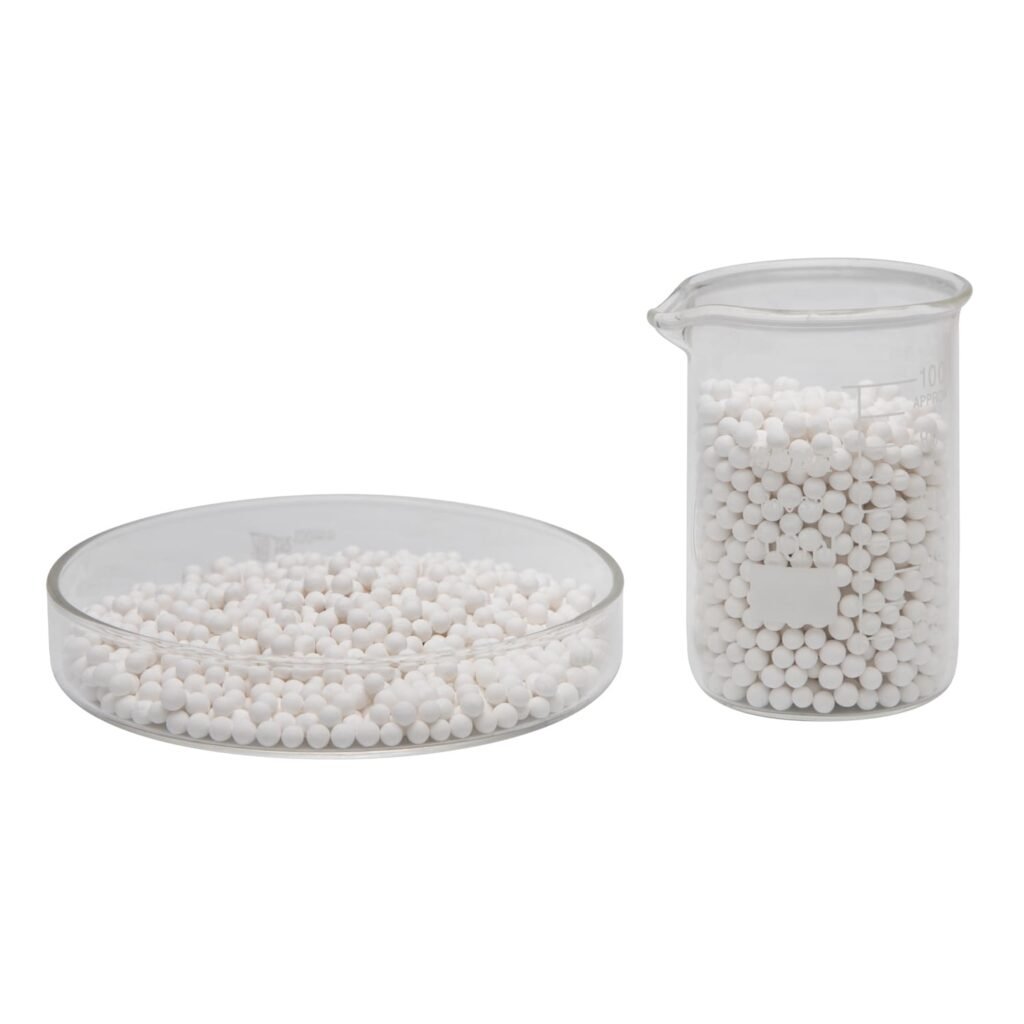
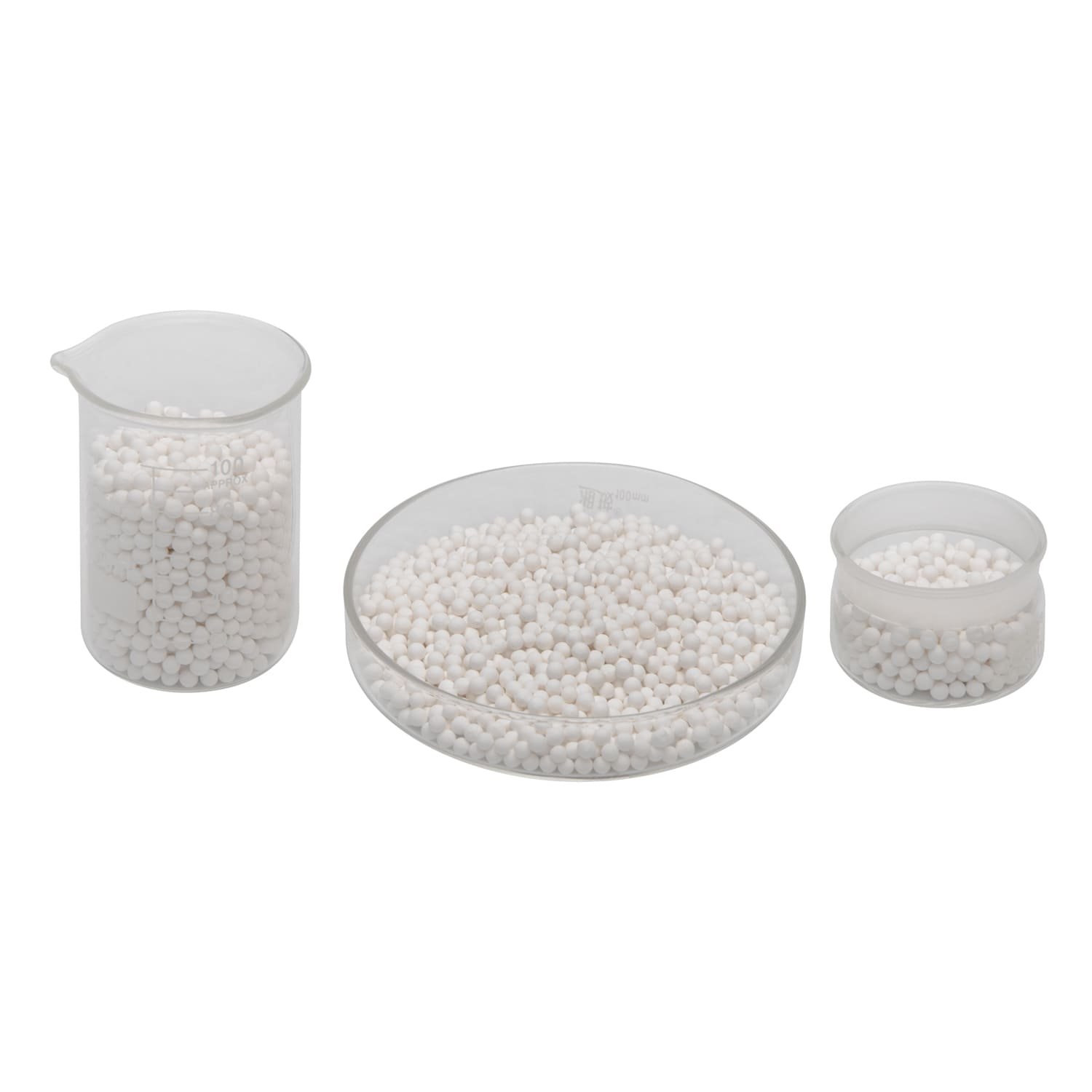
This is why the physical quality of the alumina is so important. As a manufacturer, we've invested heavily in a granulator-based forming process. This creates beads that are much stronger and more uniform than those made with older methods. They resist physical breakdown, giving our clients more cycles and a longer, more predictable service life.
Are Simple Operational Mistakes Reducing Your Efficiency?
Your water is clean, your alumina is new. Yet, the system still fails. These mysterious issues are frustrating and can make you doubt your entire process design.
Yes, operational parameters are critical. If the wastewater flows too quickly, it doesn't have enough contact time with the alumina to be adsorbed. Similarly, very low temperatures can slow down the adsorption reaction rate, leading to a sharp and sudden drop in performance.
Even the best activated alumina in the world will fail if the system isn't run correctly. I often tell my partners that the media is just one part of the puzzle. The vessel design, flow rates, and temperature are just as important. Getting these parameters right is the key to stable and efficient operation. Let's look at the most common operational mistakes.
The Importance of "Contact Time"
Contact time is the average amount of time a water molecule spends inside the vessel touching the activated alumina. Adsorption isn't instant; it takes time for a fluoride ion to find an empty site and attach to it. If you run your water through the vessel too quickly, the contact time will be too short. The fluoride ions will simply flow past the alumina beads before they have a chance to be captured. This is a very common mistake when operators try to increase the system's throughput. They push more water through the same vessel, which reduces the contact time and causes a sudden spike in fluoride at the outlet.
The Impact of Temperature
Adsorption is a chemical reaction, and like most reactions, its speed is affected by temperature. Generally, adsorption works faster at warmer temperatures and slower at colder temperatures. If your wastewater temperature drops significantly—perhaps due to a seasonal change or a process upset upstream—the adsorption rate can slow down dramatically. The alumina might still have the theoretical capacity to remove the fluoride, but it can't do it fast enough at the given flow rate. The result is the same: poor performance that looks like a sudden failure.
| Operational Factor | Common Mistake | The Consequence |
|---|---|---|
| Flow Rate | Increasing it too much to boost throughput. | Reduces contact time; fluoride passes through unadsorbed. |
| Temperature | Not accounting for seasonal drops or process changes. | Slows down the adsorption reaction rate, reducing efficiency. |
| Bed Channeling | Loading the media unevenly into the vessel. | Water creates "channels" and bypasses most of the media bed. |
Conclusion
Sudden drops in alumina capacity are usually due to water quality, media condition, or operations. Check these three areas, and you will likely find and fix your problem.
[^1]: Understanding the factors affecting adsorption capacity can help optimize your water treatment process and prevent system failures. [^2]: Find out how incomplete regeneration affects activated alumina and how to ensure proper regeneration.