
Struggling with constant blockages when filling insulating glass units? This frustrating issue halts production, wastes material, and costs you money. You need a reliable solution, not just a temporary fix.
The primary reasons for blockages during insulating glass filling are a combination of poor molecular sieve quality[^1] and incompatible equipment[^2]. Uneven sieve particles, static cling[^3], and narrow or rough filling pipes[^4] are the main culprits.
It's a problem I've seen countless times in my 20 years in the chemical industry. A customer calls, completely frustrated. Their production line is down again because the molecular sieve beads[^5] just won't flow properly into the insulating glass spacer bars. They've tried shaking the machine, adjusting the flow rate, but nothing works for long. The blockages keep happening. This isn't just an annoyance; it directly impacts their output and profitability. Finding the root cause is critical, and it often requires looking at two key areas. We need to investigate both the material you're using and the machine you're using it in. Let's break down how to troubleshoot this from both sides to get your production running smoothly again.
Is the Molecular Sieve Itself Causing the Blockage?
Are you certain the molecular sieve you're using meets quality standards? Using a low-grade sieve can introduce inconsistencies that directly lead to clogs and production headaches.
Yes, the molecular sieve itself is often a primary cause. If the sieve has uneven particle sizes, contains impurities, or carries a static charge, it will clump together and refuse to flow smoothly through your filling equipment, causing frequent and frustrating blockages.
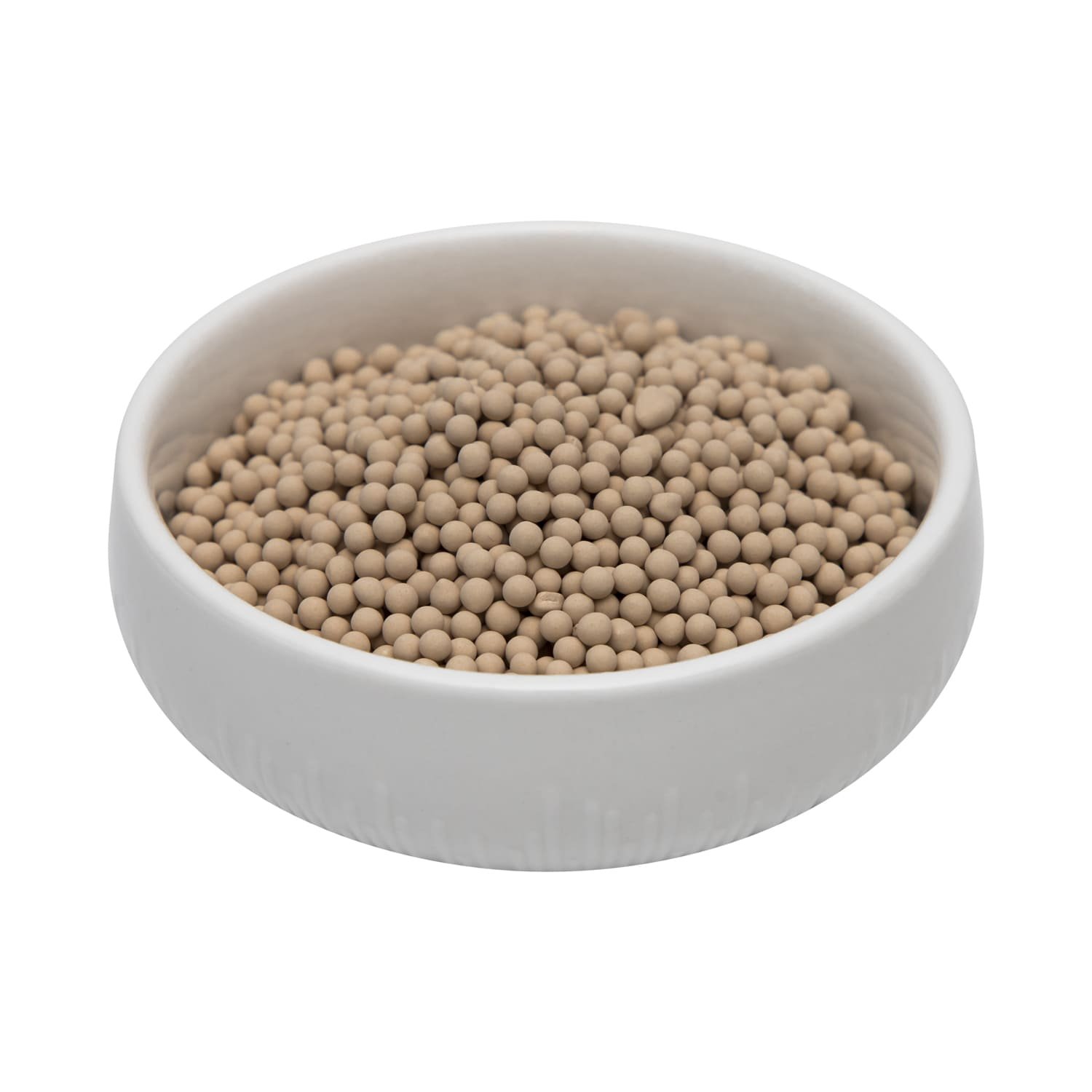
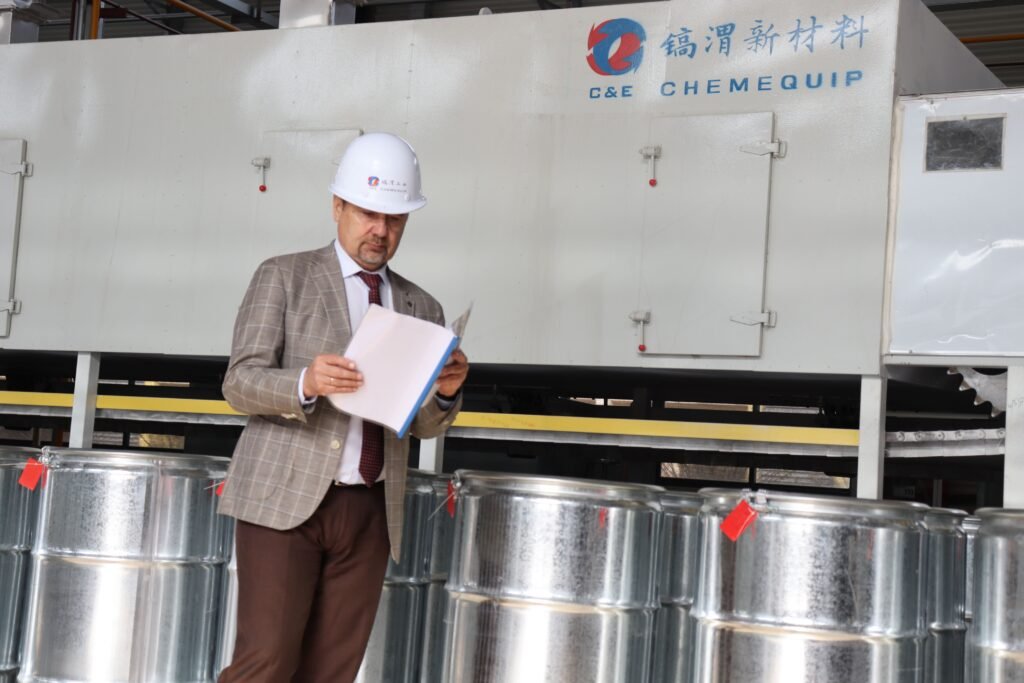
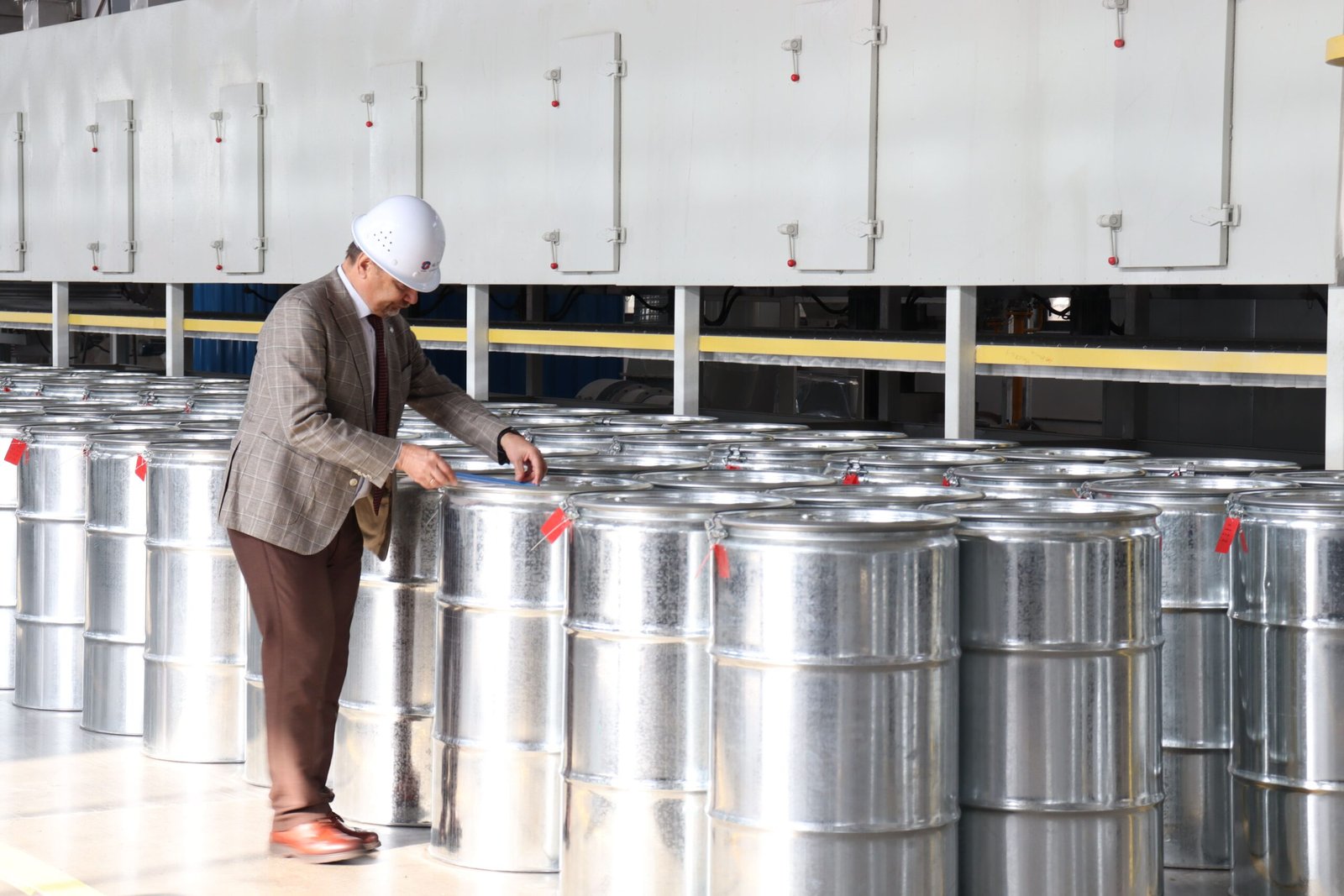
When we get a call about filling issues, the very first thing I ask about is the sieve they are using. It’s the foundation of the whole process. Think of it like trying to pour a mix of sand and pebbles through a small funnel; the big pieces will inevitably get stuck. The same principle applies here. A high-quality molecular sieve for insulating glass should have very specific characteristics. The particles need to be incredibly uniform. When we manufacture our sieves, we use an advanced granulator-based forming process[^6], not an old-fashioned sugar-coating pan. This costs more to set up—our line was an RMB 8 million investment—but the result is worth it. It produces beads with a much more consistent size distribution. This uniformity is key to ensuring a smooth, continuous flow. Another factor is static electricity[^7]. Poorly processed sieves can build up a static charge, causing the beads to cling to each other and the equipment walls, creating a blockage.
Key Sieve Properties to Inspect
To get to the bottom of this, you need to look at your sieve with a critical eye. Here are the main things to check:
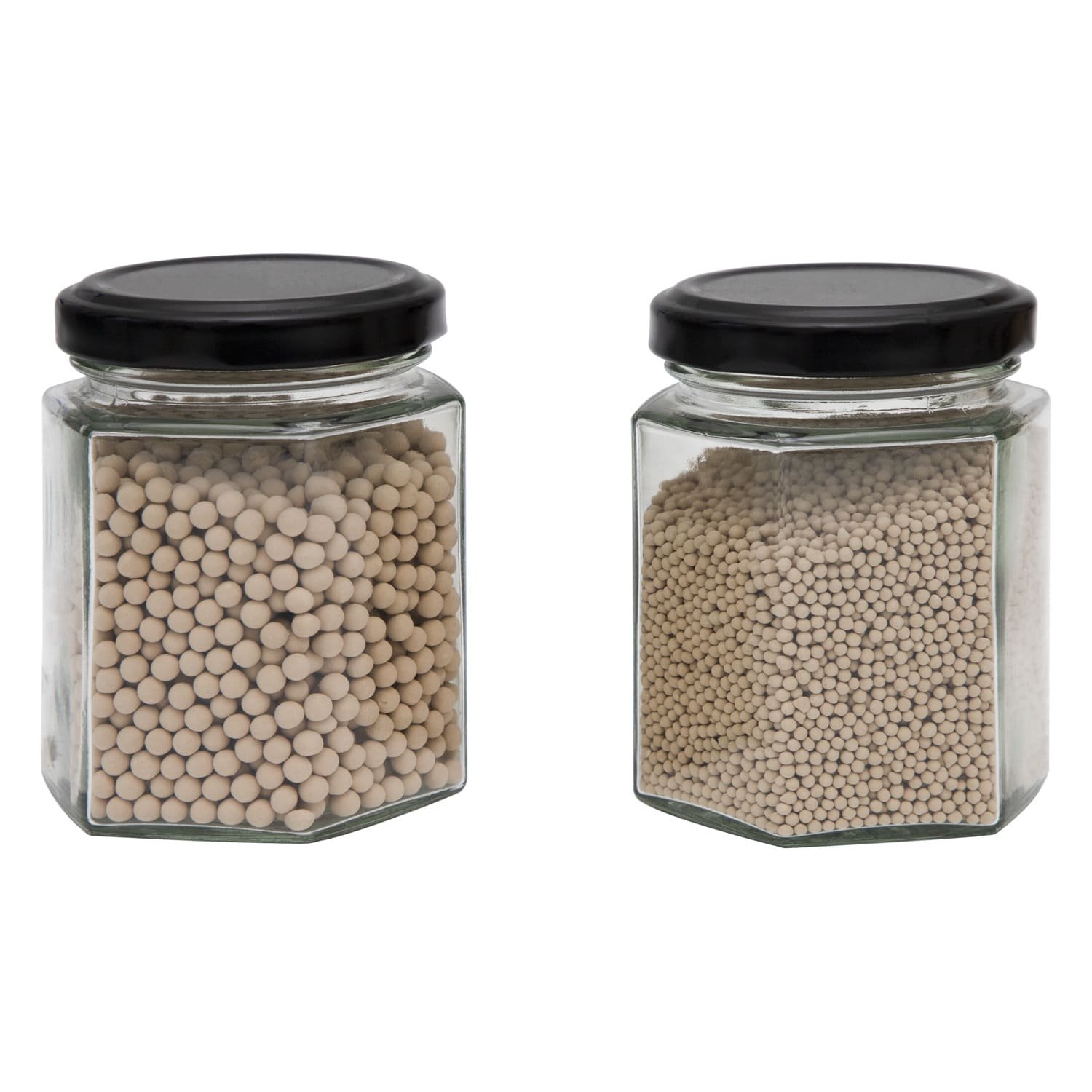
- Particle Size Distribution[^8]: Are the beads all roughly the same size, or do you see a wide variety of large and small particles mixed together?
- Dust and Impurities[^9]: Is there a lot of powder in the bag? Excess dust can compact and cause clogs.
- Static Cling: Do the beads stick to your hand or the side of the container? This is a clear sign of static.
Here is a simple table to compare what you should be looking for versus the red flags.
| Property | Ideal Molecular Sieve | Problematic Molecular Sieve |
|---|---|---|
| Particle Size | Highly uniform, consistent diameter. | A mix of large, small, and irregular shapes. |
| Dust Content | Very low, minimal powder. | High dust content, lots of fine powder. |
| Static Charge | No noticeable static cling[^3]. | Beads stick to surfaces and each other. |
| Purity | Free from foreign contaminants. | Contains visible impurities or discolored particles. |
If your current supply looks more like the "Problematic" column, it’s a strong indicator that the material itself is the source of your filling problems. Switching to a supplier with a more advanced, stable production process is the most effective long-term solution.
How Does Your Equipment Lead to Filling Problems?
Have you considered that your filling machine might be part of the problem? Even with a perfect molecular sieve, poorly designed or maintained equipment can create bottlenecks and stop production dead.
Your equipment can cause blockages if the filling pipe's inner diameter is too small for the sieve particles, if the inner walls are rough, or if the machine is not cleaned regularly. These issues create friction and catch-points, leading to material buildup.
After we confirm the sieve quality, the next step is to examine the machinery. I once worked with a client who had just switched to a premium molecular sieve but was still getting blockages. They were convinced the new material was faulty. I flew out to their plant, and after a quick inspection, I found the issue. Their filling machine had very old, narrow tubing with a rough, almost corroded inner surface. The high-quality, uniform beads were getting caught on these imperfections. It’s like a perfectly smooth river flowing into a rocky, narrow canyon—the flow is going to get disrupted. We need to look at the equipment with the same level of detail as the sieve. The path from the hopper to the spacer bar needs to be as smooth and unobstructed as possible. This means checking the physical design of the machine and its state of cleanliness.
Critical Equipment Checks
A smooth operation depends on the synergy between your material and your machine. Here’s what you need to inspect on your filling equipment:
- Pipe Diameter[^10]: Is the inner diameter of the filling tube wide enough? A good rule of thumb is that it should be at least 3-4 times the diameter of the largest sieve beads.
- Inner Wall Surface[^11]: Run your finger along the inside of the tube if possible. Is it smooth, or can you feel roughness, seams, or burrs? Rough surfaces create friction and act as anchor points for beads to start clumping.
- Cleanliness[^12]: When was the last time the equipment was thoroughly cleaned? Dust and small particles from the sieve can build up over time, creating a sticky residue that narrows the pathway and encourages blockages.
Let's organize these checks into a practical action plan.
| Equipment Aspect | Problem to Look For | Recommended Action |
|---|---|---|
| Filling Tube | Inner diameter is too narrow for the sieve particle size. | Measure the tube and sieve. Upgrade to a wider tube if necessary. |
| Inner Surfaces | Rough, pitted, or has prominent seams. | Polish the inner surfaces or replace the tubing with a seamless, smooth-walled alternative. |
| Hopper & Path | Accumulation of dust and fine particles. | Implement a regular cleaning schedule. Use compressed air to clear the entire path before each major run. |
| Machine Settings | Flow rate[^13] is too high, causing jamming. | Calibrate the machine. Start with a slower flow rate and gradually increase to find the optimal speed. |
By addressing these equipment factors, you create a clear, low-friction path for the molecular sieve. This "two-pronged" approach—verifying both your material and your machine—is the only way to truly and permanently solve the problem of filling blockages.
Conclusion
Solving filling blockages requires a dual focus: ensure you use a high-quality, uniform molecular sieve and that your equipment is clean, smooth, and properly sized for the material.
[^1]: Understanding the impact of poor molecular sieve quality can help you identify and rectify production issues, improving efficiency and reducing costs. [^2]: Learn how using the right equipment can prevent blockages and enhance the efficiency of your insulating glass production process. [^3]: Explore how static cling can disrupt the flow of materials and learn ways to mitigate this issue in your production line. [^4]: Find out how the design and condition of filling pipes can lead to blockages and how to address these issues effectively. [^5]: Understanding the function of molecular sieve beads can help you choose the right type for your production needs, reducing blockages. [^6]: Learn about this modern manufacturing process that ensures uniform particle size, reducing blockages and improving production flow. [^7]: Static electricity can cause clumping and blockages. Discover methods to reduce static and improve material flow. [^8]: A consistent particle size distribution ensures smooth flow and prevents blockages, enhancing production efficiency. [^9]: Learn how impurities can lead to clogs and how to select cleaner materials for better production outcomes. [^10]: The right pipe diameter prevents blockages and ensures smooth material flow, optimizing your production process. [^11]: A smooth inner wall surface reduces friction and prevents blockages, ensuring efficient production operations. [^12]: Regular cleaning prevents residue buildup, ensuring smooth operation and reducing the risk of blockages. [^13]: Optimizing flow rate can prevent jamming and improve the efficiency of your production line.