
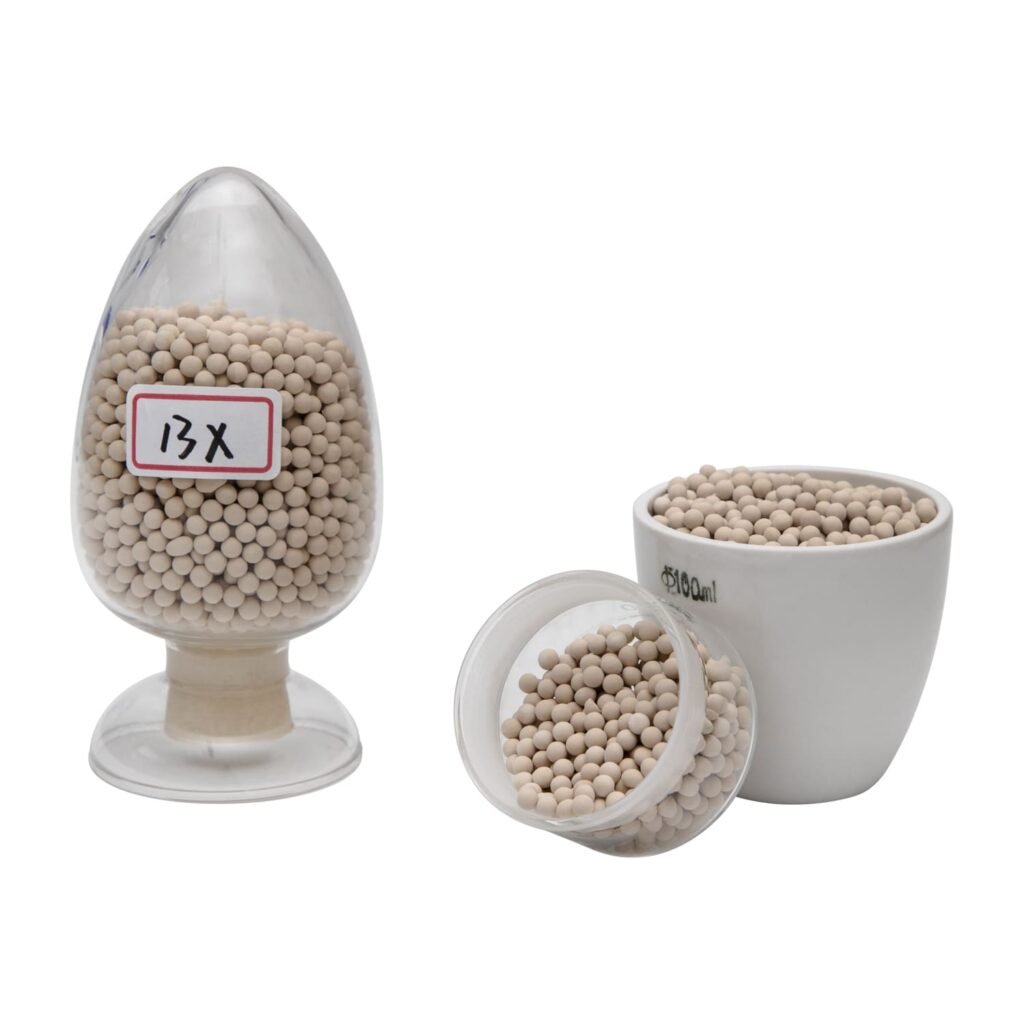
Struggling with declining molecular sieve performance? This inefficiency costs time and money, but the problem often isn't the sieve itself. It's how you're regenerating it.
The main reasons for weaker adsorption after regeneration are incorrect temperature, a too-rapid heating rate, or a non-optimal purge gas flow. These parameters can lead to incomplete desorption or even permanently damage the sieve's internal structure, reducing its capacity for future cycles.
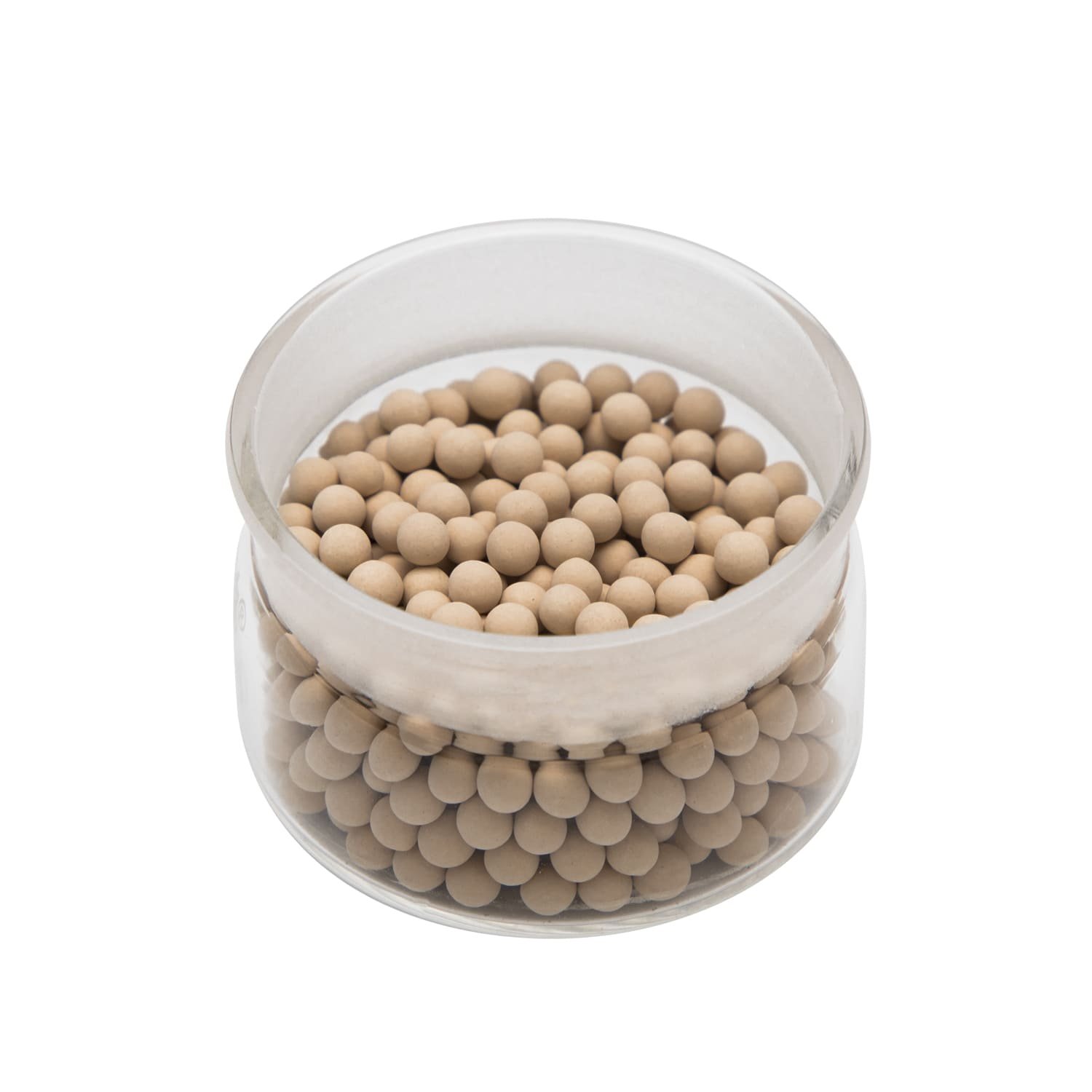
I've seen this issue in many factories over the years. A company invests in high-quality molecular sieves, expecting a long service life, but finds the performance dropping off much sooner than anticipated. They blame the product, but the real culprit is hidden in their regeneration process. The good news is that once you understand these critical factors, you can adjust your process and restore the performance you paid for. Let's break down the three most common mistakes I see.
Is Your Regeneration Temperature Set Correctly?
You think your regeneration cycle is running, but performance keeps dropping. This incomplete "cleaning" leaves molecules trapped, reducing your sieve's capacity and hurting your process efficiency with every cycle.
The regeneration temperature must be high enough to give adsorbed molecules the energy they need to escape the sieve's pores. If the temperature is too low, desorption is incomplete, and the sieve's working capacity will be significantly lower in the next operational cycle.
Regeneration is essentially about reversing the adsorption process. I often explain it as "shaking" the trapped molecules loose with heat. The molecular sieve holds onto molecules like water through powerful electrostatic forces. To break these bonds, you need to apply enough thermal energy. If you don't reach the required temperature, you are only removing the most loosely held molecules. The ones held deeper within the pores will remain. This is why a freshly regenerated bed might seem fine at first but then saturates very quickly. It's because it was never fully empty to begin with.
The Role of Temperature in Desorption
Think of it like boiling water. At room temperature, some water evaporates. But to get all the water to turn into steam quickly, you need to hit 100°C (212°F). Molecular sieve regeneration works on a similar principle. Each type of molecule (like water, CO₂, or H₂S) requires a specific amount of energy to desorb. This directly translates to a minimum required regeneration temperature.
Common Temperature Mistakes
Setting the temperature correctly is a balancing act. While too low is ineffective, too high can also cause problems.
| Temperature Issue | Consequence |
|---|---|
| Too Low | Incomplete desorption, leading to rapid saturation in the next cycle. |
| Too High | Can cause coking if hydrocarbons are present. |
| Too High | Risk of hydrothermal damage, permanently altering the sieve's structure. |
| Inconsistent | Parts of the bed are regenerated while other parts are not. |
From my experience, most systems using molecular sieves for water removal need a regeneration temperature between 200°C and 300°C. However, you should always consult the manufacturer's technical data sheet for your specific product and application.
Could Your Heating Rate Be Damaging Your Sieves?
Trying to speed up regeneration by heating quickly seems efficient. But this thermal shock can cause the sieve's delicate crystal structure to collapse, permanently destroying its adsorption capacity.
A heating rate that is too fast causes a sudden, intense release of adsorbed molecules. This can create localized hot spots that physically damage the molecular sieve's crystalline framework, leading to an irreversible loss of performance that no amount of regeneration can fix.
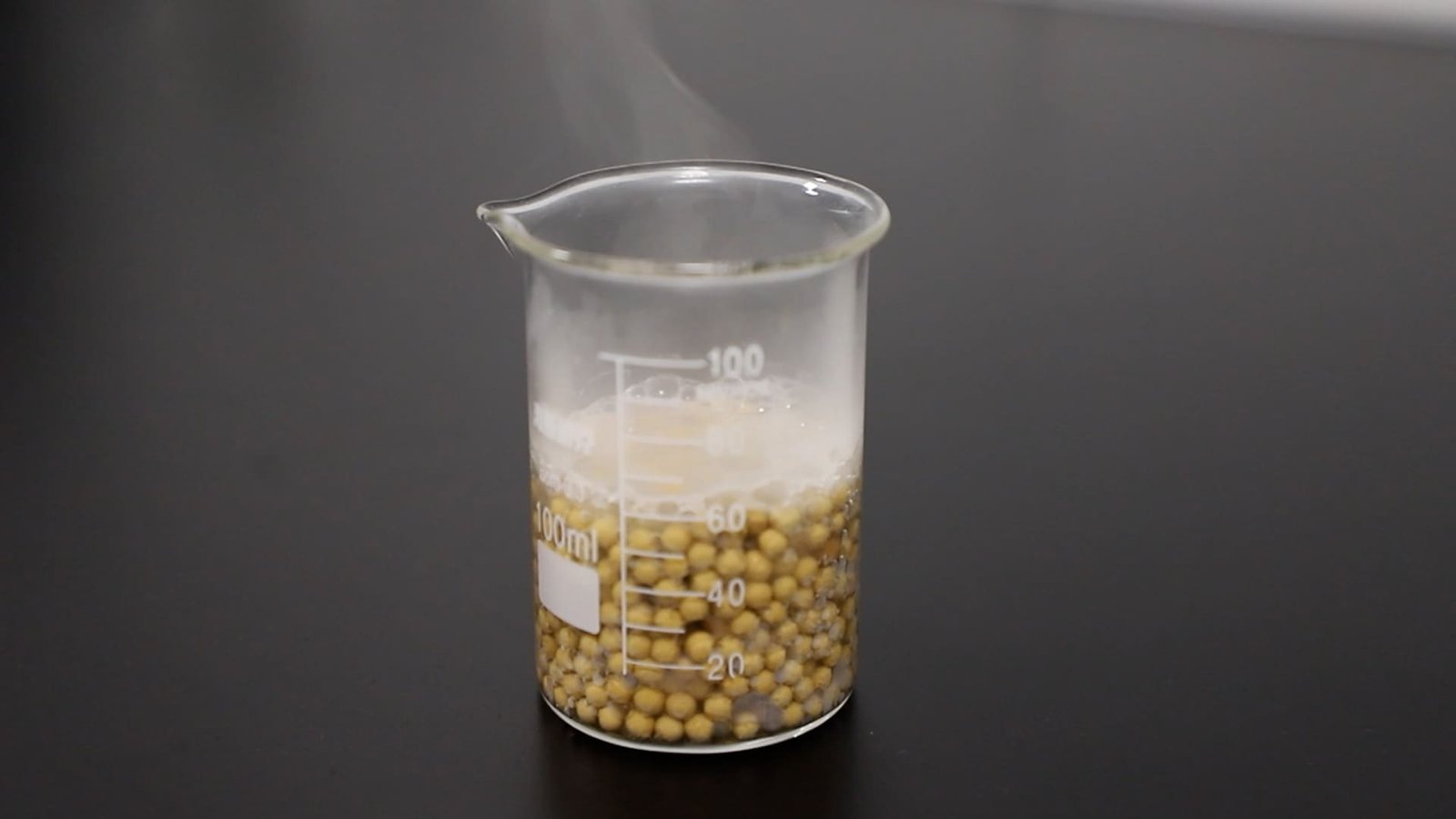
I once visited a plant where the team was under pressure to increase production. To shorten their cycle times, they programmed the heaters to ramp up as fast as possible during regeneration. Within a few months, their brand-new, expensive molecular sieve bed was performing worse than the old one they had replaced. The reason was framework collapse. They had literally cooked their investment to death. The molecular sieve's structure is a precise, crystalline lattice of alumina and silica. It's strong, but it's not indestructible. Rapid, aggressive heating introduces massive thermal stress that can shatter this delicate structure.
The Dangers of "Steam Flashing"
One of the most dramatic forms of damage comes from a phenomenon called "steam flashing." This is especially a risk when desorbing water. If you heat the bed too quickly, trapped liquid water inside the sieve's pores can instantly turn into high-pressure steam. This explosive expansion acts like a tiny bomb going off inside each bead, fracturing it from the inside out. You end up with a bed full of dust and broken particles, which increases the pressure drop across the vessel and severely reduces the active surface area for adsorption.
Finding the Right Pace
A slow and steady heating rate is always the best approach. It allows the heat to distribute evenly throughout the bed and gives the desorbing molecules time to exit the pores in a controlled manner.
| Heating Rate | Risk Level | Outcome |
|---|---|---|
| Too Fast | High | Steam flashing, thermal stress, framework collapse, bead fracturing. |
| Moderate | Low | Even heat distribution, controlled desorption, maximized sieve life. |
| Too Slow | Very Low | Inefficient cycle time, but no risk of damage to the sieve itself. |
A good rule of thumb is to aim for a heating rate that doesn't exceed 15-20°C per minute, but this can vary. Again, checking the supplier's guidelines is the safest bet to protect your material and your process.
Are You Using the Right Purge Gas Flow Rate?
The purge gas might seem like a minor detail in your process. But the wrong flow rate either fails to clean the bed effectively or wastes energy by cooling it down.
The purge gas transfers heat to the sieve and carries away desorbed molecules. If the flow is too slow, molecules can re-adsorb as the bed cools. If it's too fast, it removes heat too quickly, preventing the bed from reaching the proper regeneration temperature.
I often see engineers focus only on temperature and time, completely overlooking the purge gas. The purge gas has two critical jobs, and it needs to do both well. First, it acts as the heat transfer medium, carrying energy from the heater to the molecular sieve beads. Second, it acts as a "sweeper," carrying the newly released molecules out of the vessel. Getting the flow rate right is essential for an efficient and complete regeneration. It's a true balancing act.
The Balancing Act: Heat vs. Removal
You need enough flow to carry the desorbed molecules away, but not so much that you create a cooling effect. When the purge gas flow rate is too high, it's like trying to heat your house with all the windows open on a windy day. The heater is working hard, but the gas is carrying the heat right out of the vessel before the sieve beads can fully absorb it. The result is an inefficient process that wastes a tremendous amount of energy and may never even reach the target temperature.
The Problem with a Slow Flow
Conversely, a flow rate that is too low is also a problem. Without enough gas moving through the bed, the desorbed molecules—like water vapor—just hang around in the space between the beads. This increases their partial pressure, which creates an equilibrium that makes it harder for more molecules to leave the sieve pores. Even worse, as the bed eventually starts its cooling cycle, these lingering molecules will simply be re-adsorbed right back onto the sieve. You end up with a partially regenerated bed, and you're right back where you started.
| Flow Rate | Consequence |
|---|---|
| Too Low | Incomplete removal of desorbed molecules, leading to re-adsorption. |
| Optimal | Efficient heat transfer and complete removal of desorbed molecules. |
| Too High | Cools the bed, wastes energy, prevents reaching target temperature. |
The ideal flow rate provides enough velocity to clear the vessel without causing a significant cooling effect. This parameter is specific to your vessel size, sieve type, and heater capacity, so it often requires careful calculation and sometimes a bit of fine-tuning.
Conclusion
Proper regeneration is key to a long molecular sieve life. Focusing on temperature, heating rate, and flow rate ensures you get the performance you paid for, cycle after cycle.