Moisture destroys sensitive electronics quickly. High humidity causes short circuits and defects in semiconductors. We use activated alumina[^1] to control moisture, keep environments dry, and protect your expensive electronic components.
Activated alumina controls moisture in electronics manufacturing through its high surface area[^2] and porous structure. It traps water molecules efficiently, resists chemicals, and does not soften. This ensures deep drying and prevents moisture-induced damage in sensitive semiconductor and integrated circuit production.
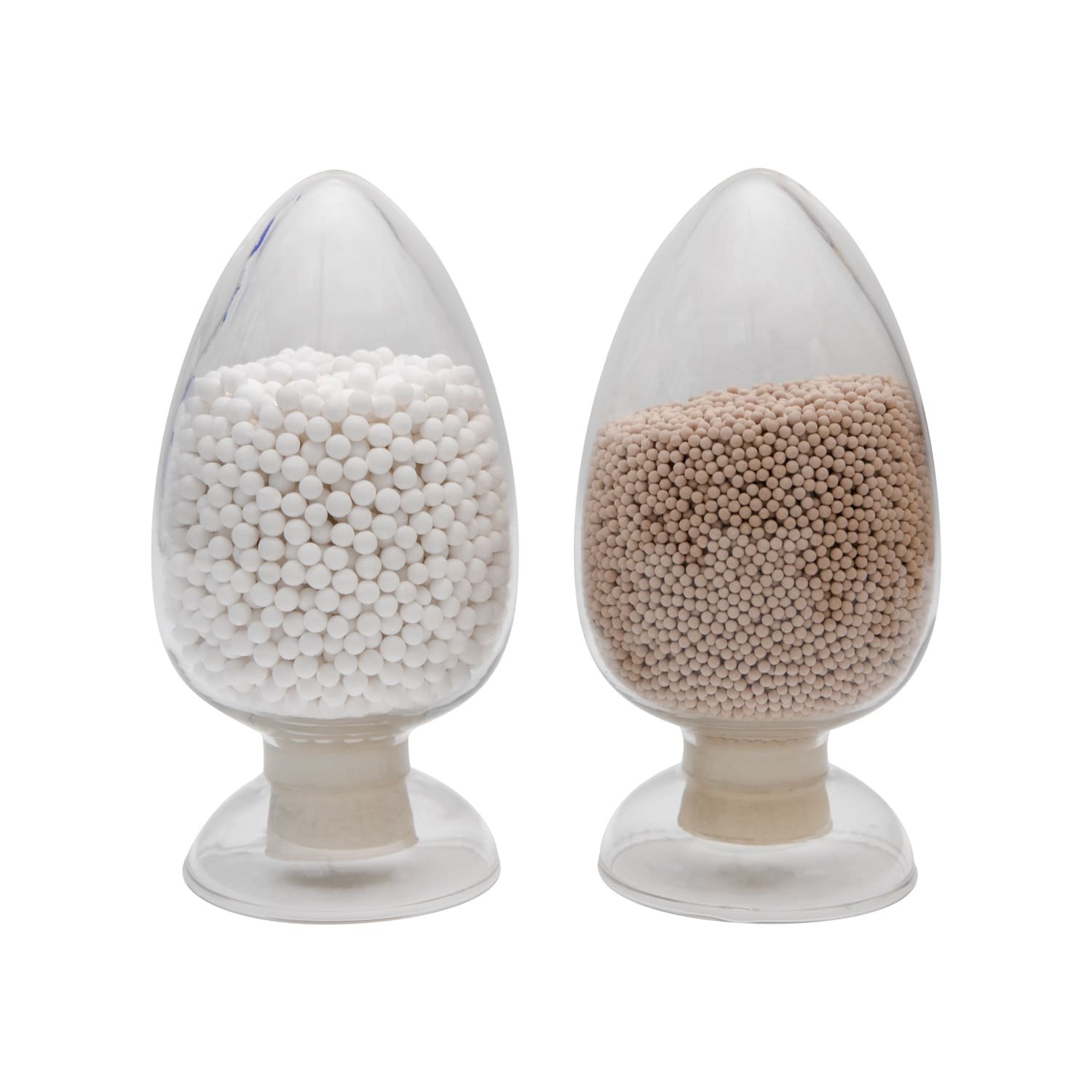
You might think any basic desiccant can handle your factory's humidity. But relying on the wrong drying agent will eventually shut down your entire production line. Let me show you why standard desiccants fail and what you should use instead to keep your factory running safely.
What Makes Activated Alumina Better Than Traditional Silica Gel?
Silica gel breaks down in harsh factory conditions. Crushed desiccants ruin your equipment and cause costly downtime. Activated alumina stays strong and solves this physical breakdown problem completely.
Activated alumina is better than silica gel[^3] because it has superior chemical and physical stability. It does not dissolve in acid or alkali solutions. Even when it touches liquid water directly, it will not soften, swell, or disintegrate, making it perfect for tough industrial environments.
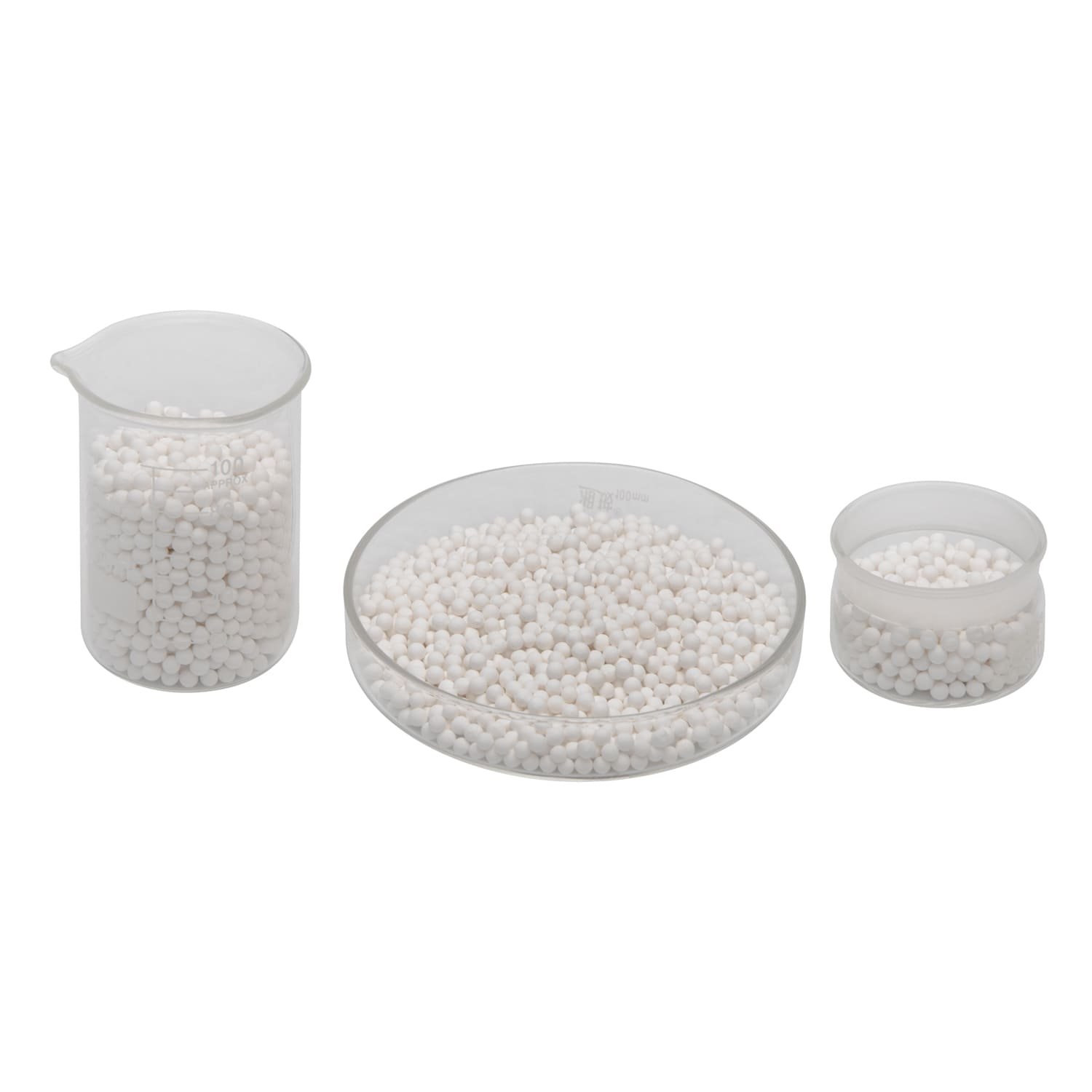
Let us look closer at why physical strength matters. I have worked in the chemical industry for 20 years. I have seen many factories make a huge mistake. Factory managers buy weak desiccants to save money. But these cheap materials turn to dust under high pressure. This dust gets into sensitive integrated circuits. The dust ruins the microchips. You lose money when your products fail.
Why Physical Integrity is Important
We use a granulator-based forming process in our factory. We do not use an old sugar-coating pan process. Our modern process makes the spheres very strong. The spheres have a uniform size. They do not break easily. They do not make dust. Clean rooms need zero dust. So, this strong material is perfect for electronics manufacturing.
We invested 8 million RMB in our fixed assets for this production line. Industry peers rate our line as a top-tier setup in China. An expert once told me that a superior production line is the foundation of premium products. This is true. Good machines make strong alumina spheres. Strong spheres do not break in your air systems.
Silica Gel vs. Activated Alumina Comparison
| Feature | Silica Gel | Activated Alumina |
|---|---|---|
| Liquid Water Contact | Cracks and breaks | Stays strong and solid |
| Acid and Alkali Resistance | Poor | Excellent |
| Dust Generation | High | Very Low |
| Industrial Suitability | Light duty | Heavy duty and harsh environments |
By using a strong material, you protect your air separation units and your clean rooms. You do not have to clean up dust. You do not have to replace the drying beds often. You keep your production line moving fast.
How Does the Porous Structure Trap Water Molecules Efficiently?
Trace moisture ruins microchips easily. Standard drying methods leave hidden water drops in your air flow. High-surface-area activated alumina[^1] grabs every water molecule to guarantee a completely dry environment.
Activated alumina traps moisture through surface adsorption[^4]. It is a highly porous material with a massive internal surface area. As wet air flows through the desiccant bed, the internal pores capture and hold the water molecules. This process provides deep and reliable drying for semiconductor manufacturing[^5].
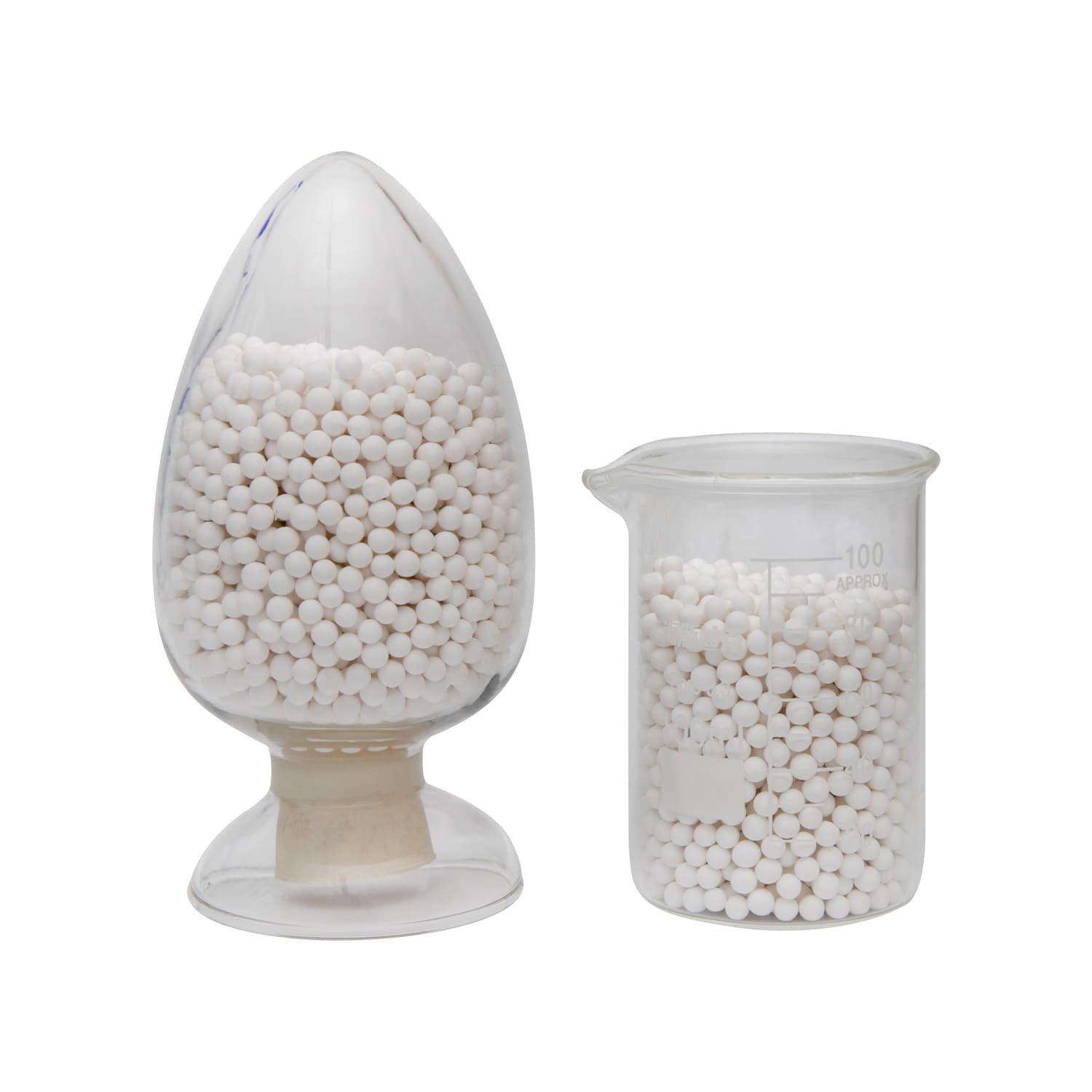
To understand how this works, you need to look at the microscopic level. The secret is the massive network of holes inside the sphere. Activated alumina does not absorb water like a simple sponge. It uses surface adsorption[^4]. Water molecules enter the tiny holes. The molecules stick to the walls of the holes.
The Power of Surface Adsorption
The total surface area inside the sphere is huge. One small handful of alumina can hold a lot of water. This deep drying is very important for gas separation engineering and compressed air systems. Microchips have tiny parts. Even one drop of water can cause a short circuit. The porous structure acts like a giant trap for water.
I visited a client last year. The client made high-end semiconductors. They found moisture spots on their wafers. We checked their air lines. Their old drying agent failed. The old agent could not reach low dew points. We gave them our high-surface-area material. The moisture spots disappeared the next day.
Moisture Control Metrics
| Metric | Standard Drying | Deep Drying with Alumina |
|---|---|---|
| Dew Point Reached | -20°C | -40°C to -70°C |
| Moisture Left | High | Extremely Low |
| Component Defect Rate | Variable | Near Zero |
We maintain a large inventory at our factory. We have favorable lead times. We can prepare a full container in 10 days. This means your factory never runs out of dry air. Dry air stops short circuits in integrated circuits. Dry air stops defects in semiconductors. You must control your environment with the right materials.
Why Does the Reusability of Activated Alumina Lower Your Costs?
Buying new desiccants every month drains your budget fast. Throwing away used materials creates massive waste. Regenerating activated alumina[^1] saves your money and cuts your raw material costs instantly.
You can reuse activated alumina[^1] by heating it to 200-300°C. This heat forces the trapped water out of the pores. The material recovers its original drying capacity. This simple regeneration process cuts down waste and drastically reduces your long-term material purchasing costs.
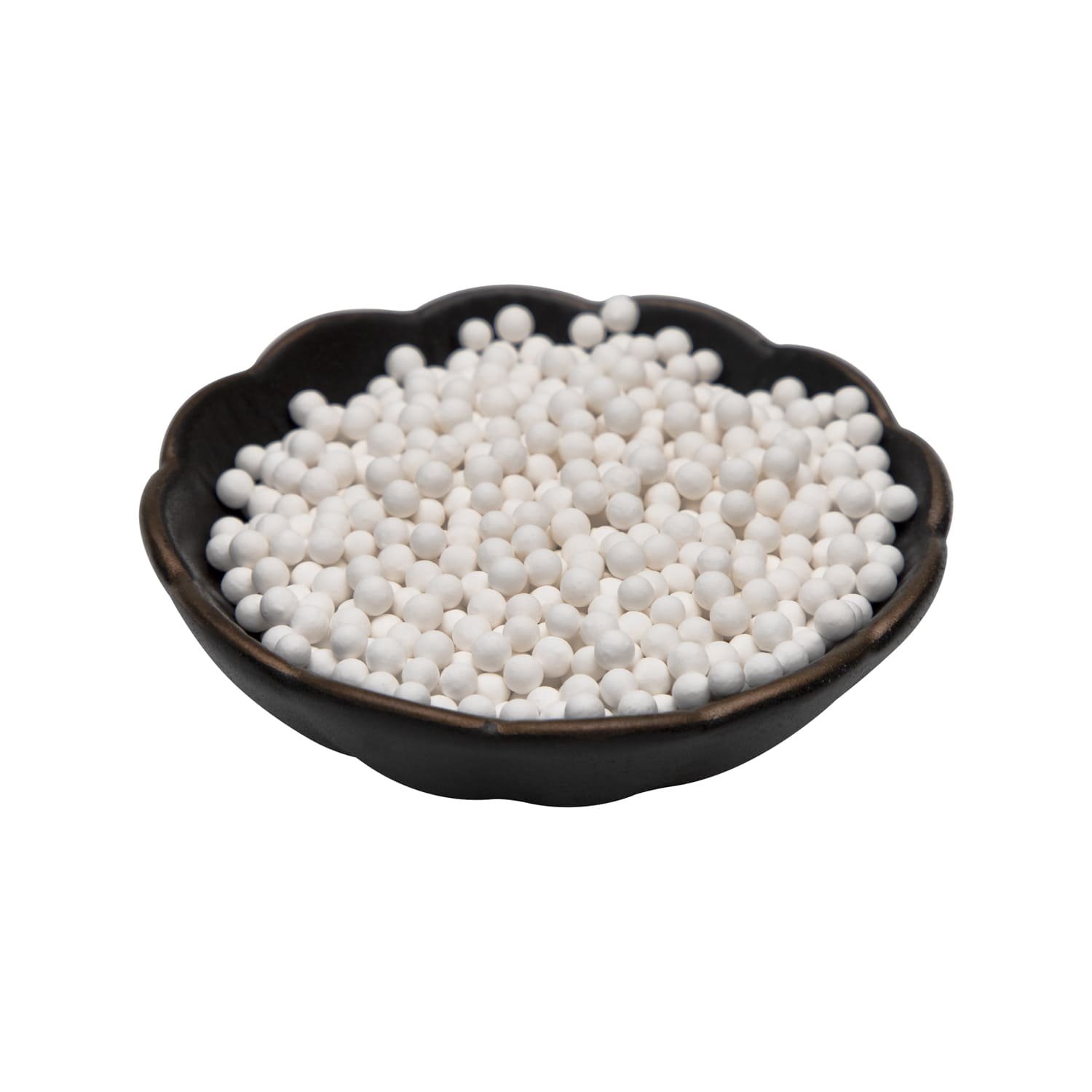
Every factory manager wants to lower costs. But cutting corners on quality is a bad idea. The best way to save money is to use materials you can use over and over again. Activated alumina gives you this great ability.
The Thermal Regeneration Process
You do not throw activated alumina[^1] away when it is full of water. You heat it up. You apply heat between 200°C and 300°C. The heat makes the water molecules let go of the pore walls. The water turns into steam. The steam leaves the system safely. The spheres cool down. They are ready to dry your air again.
I helped a large OEM client audit their waste. They spent thousands of dollars dumping wet silica gel[^3]. We built a thermal regeneration cycle for their new adsorption beds. They stopped buying new gel every week. They recovered their investment in four months.
Cost Comparison Over One Year
| Expense Area | Single-Use Desiccant | Regenerated Alumina |
|---|---|---|
| Monthly Purchases | High | Very Low |
| Waste Disposal Fees | High | Near Zero |
| Long-term ROI | Poor | Excellent |
We are a professional manufacturer. We supply large amounts of materials to global brands. We know buyers want long-term stability. Reusability gives you that stability. We offer processing services for global brands. We welcome international brand owners to visit our factory. You can see our automated production lines. You can see how we make reusable materials. Reusable materials cut your raw material purchasing costs and keep your business highly profitable.
Conclusion
Activated alumina protects sensitive electronics by providing deep moisture control[^6]. Its chemical strength, porous structure, and easy regeneration make it essential for low-cost, high-quality semiconductor and microchip manufacturing.
[^1]: Explore how activated alumina effectively controls moisture and protects sensitive electronics. [^2]: Discover the significance of high surface area in enhancing moisture absorption capabilities. [^3]: Learn about the drawbacks of silica gel and why activated alumina is a better choice. [^4]: Understand the process of surface adsorption and its advantages in moisture control. [^5]: Understand the specific challenges faced in semiconductor manufacturing due to moisture. [^6]: Learn about the critical role of moisture control in ensuring the reliability of electronic components.